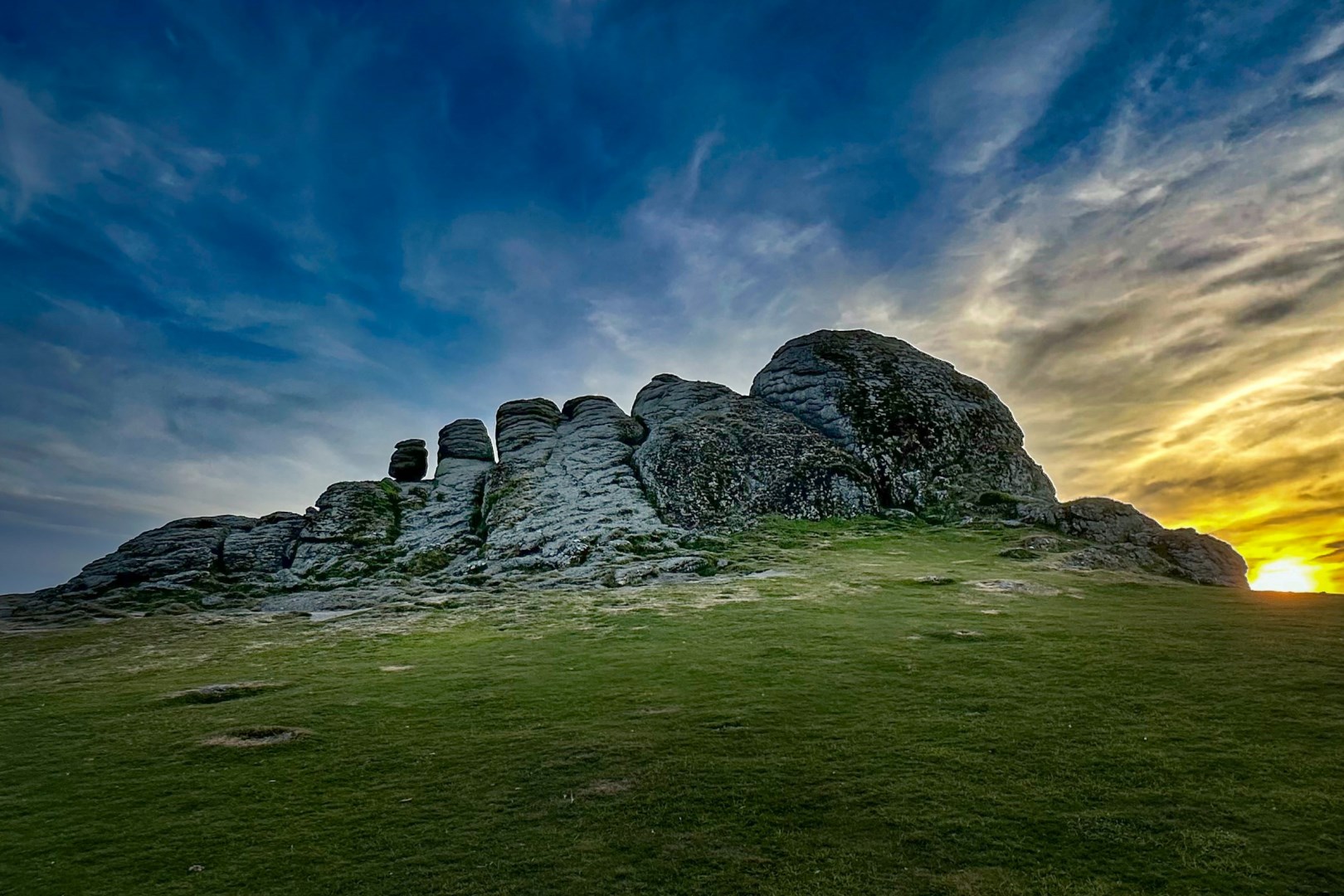
Dartmoor National Park
Dartmoor National Park sits in the heart of Devon, England, and invites travelers to step into a landscape that has changed little over thousands of years. Rolling moorland, deep river valleys, and more than 450 miles of paths give visitors space to explore at their own pace. Ancient stone rows, circular dwellings, and burial cairns spread across the moorland are reminders of people who lived here as far back as the Bronze Age.
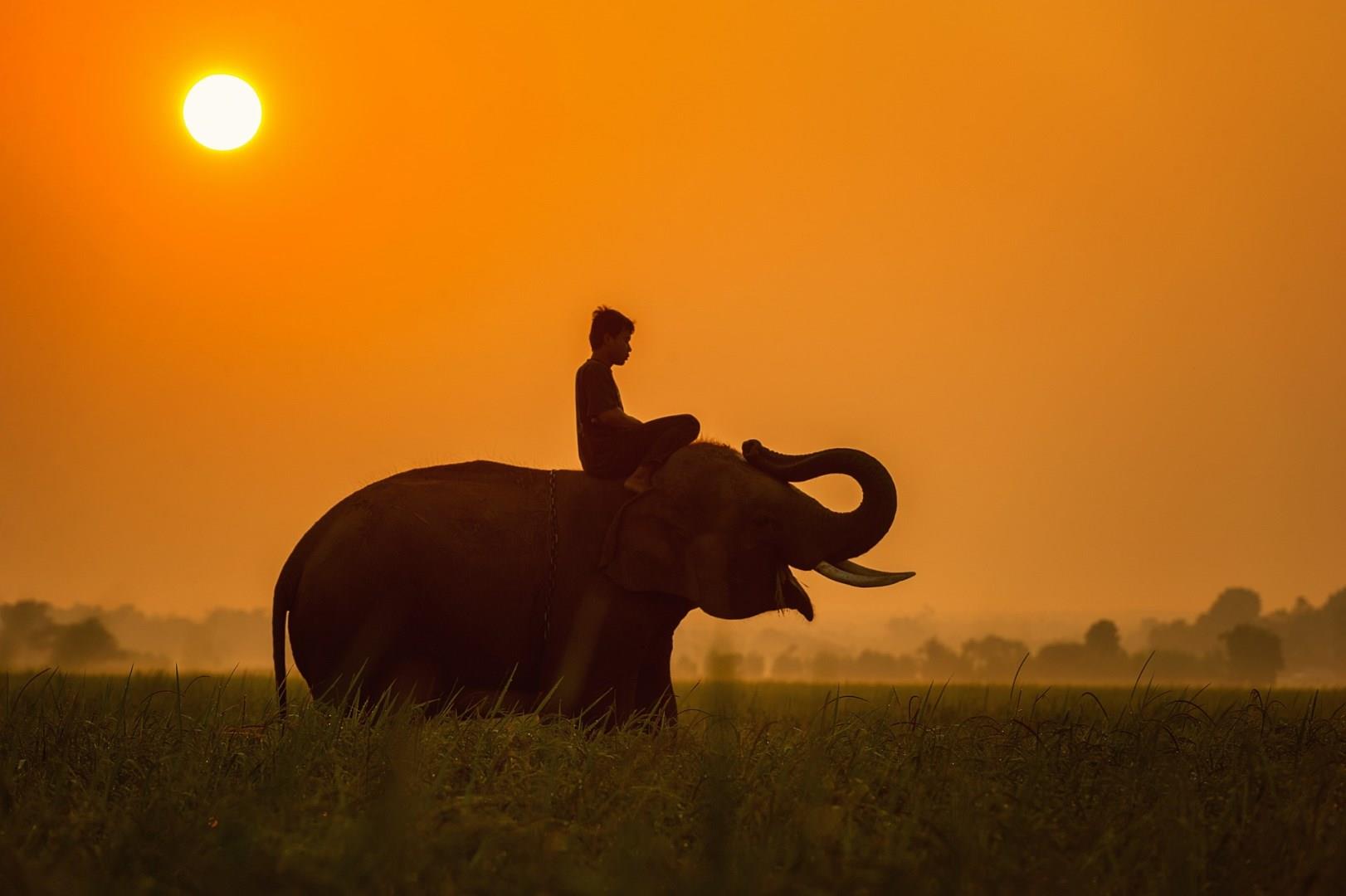
Cambodia
Cambodia, located in Southeast Asia, is a country known for its rich history, ancient temples, and vibrant culture. The landscape is diverse, with the Mekong River flowing through fertile plains, lush forests, and scenic highlands.
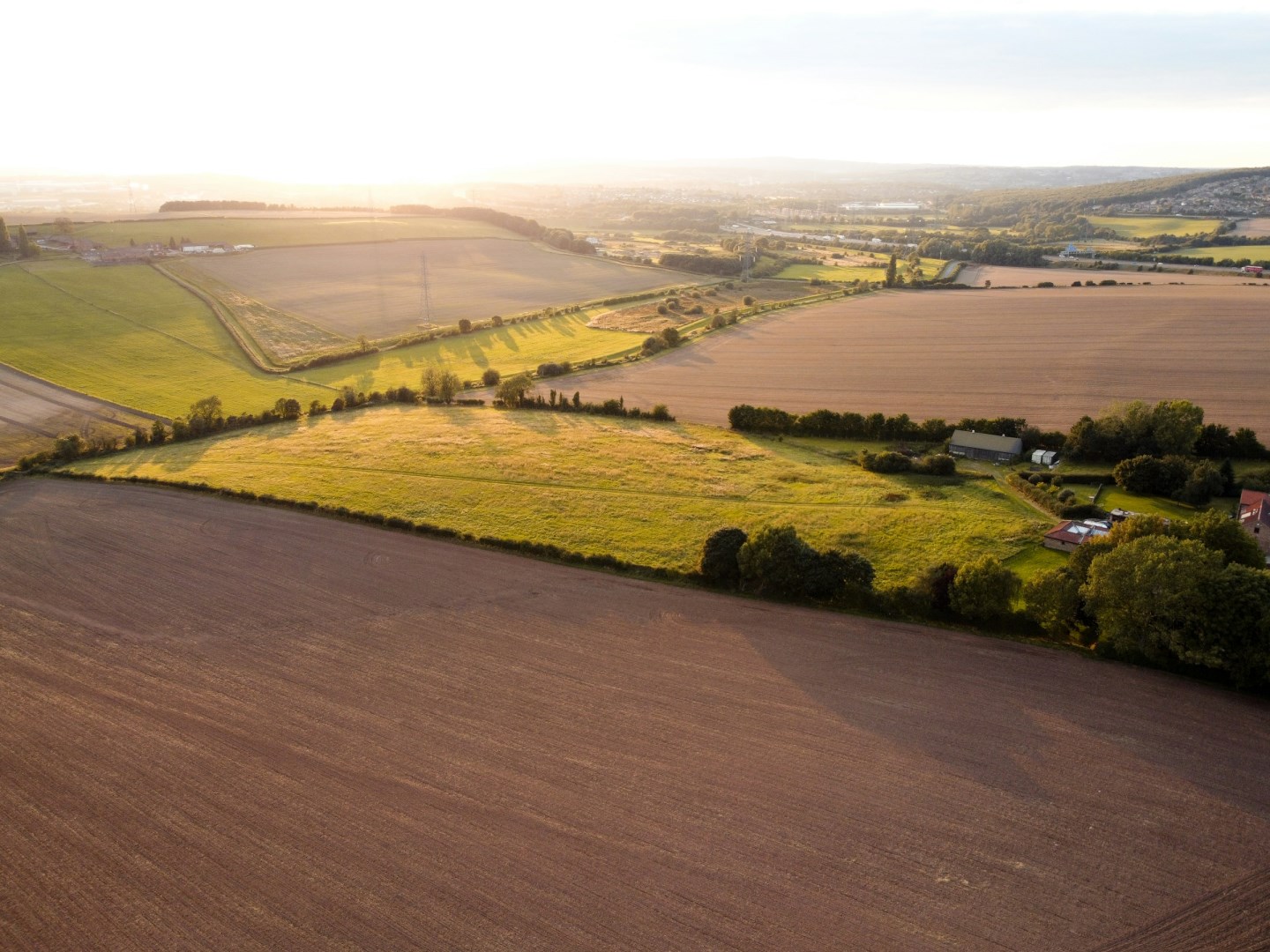
Rotherham
Rotherham is a town in South Yorkshire, set where the River Rother meets the River Don and surrounded by a landscape shaped by industry, agriculture, and woodland. Its town centre combines historic buildings with modern shopping areas, while the surrounding borough includes villages, country parks, reservoirs, and former industrial sites. Rotherham's location between Sheffield and the wider South Yorkshire countryside makes it a useful base for exploring both urban and rural attractions.
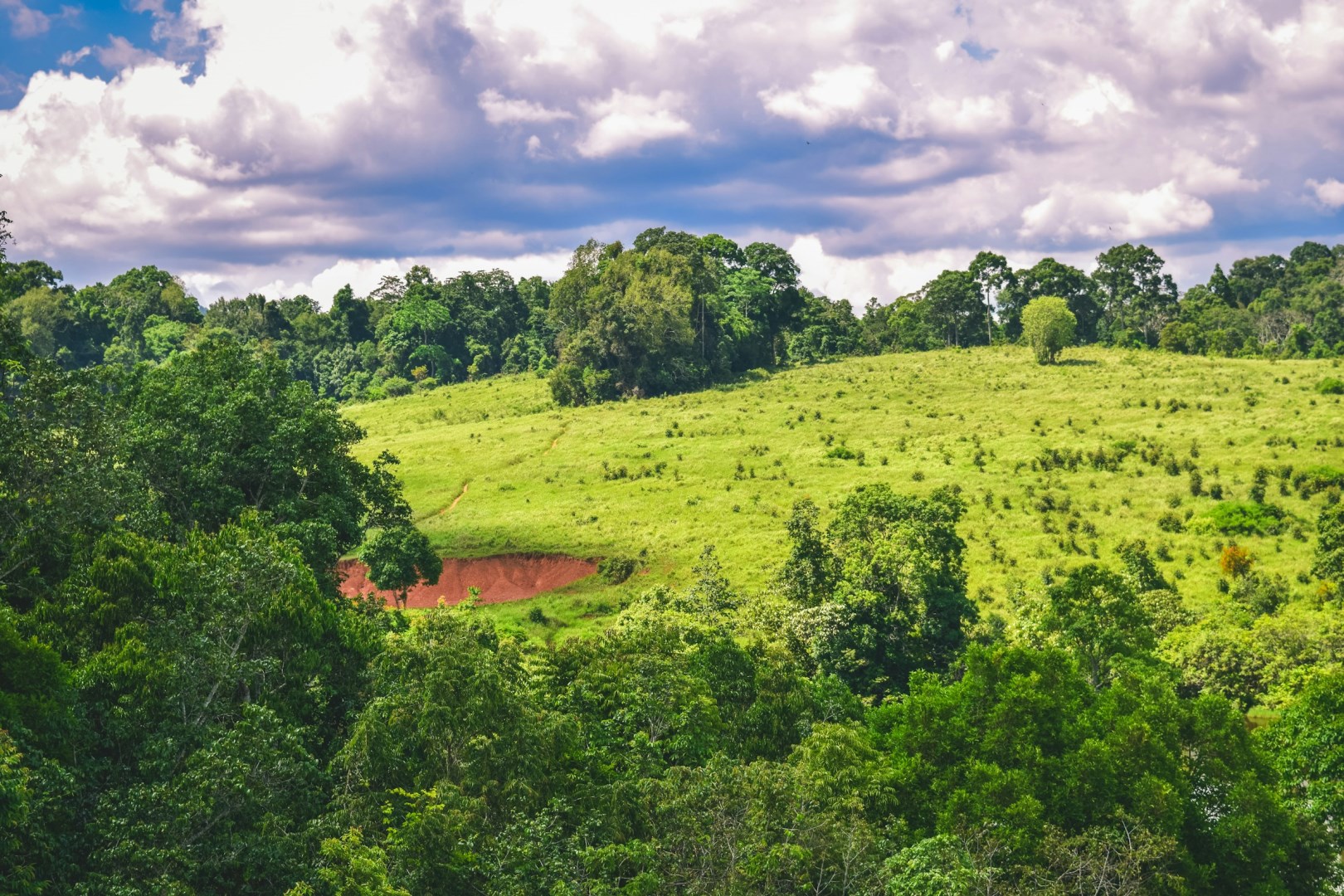
Khao Yai National Park
Khao Yai National Park is one of the most interesting and oldest park in Thailand. It is northeast of the central plain of Thailand, on the rim of the Korat Plateau. There are many species of plants and animals. Large animals such as wild elephants and tigers prowl the jungles freely. More than 800 species of orchids grow there and over 200 species of day moths have been catalogued.
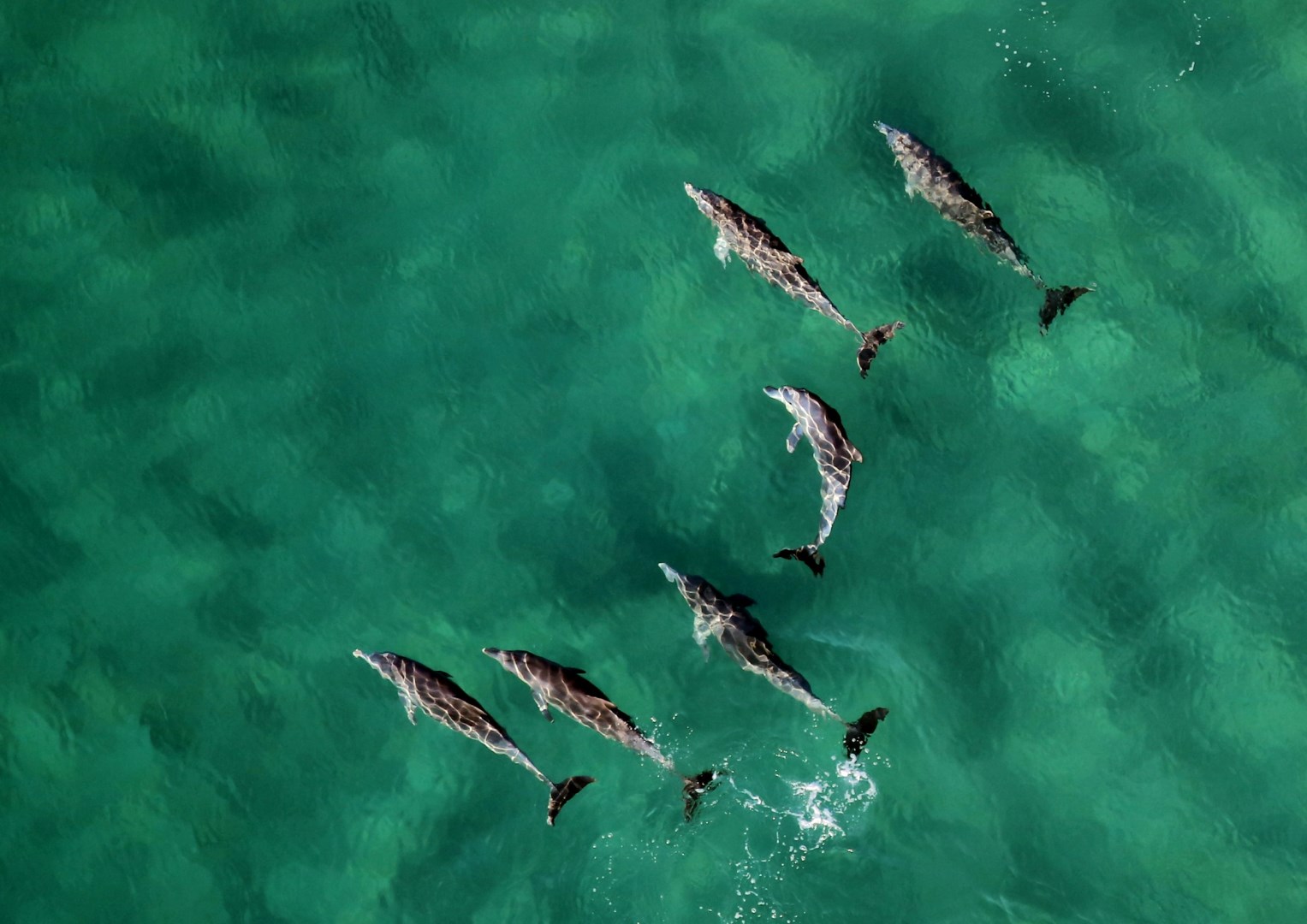
Ponta do Ouro
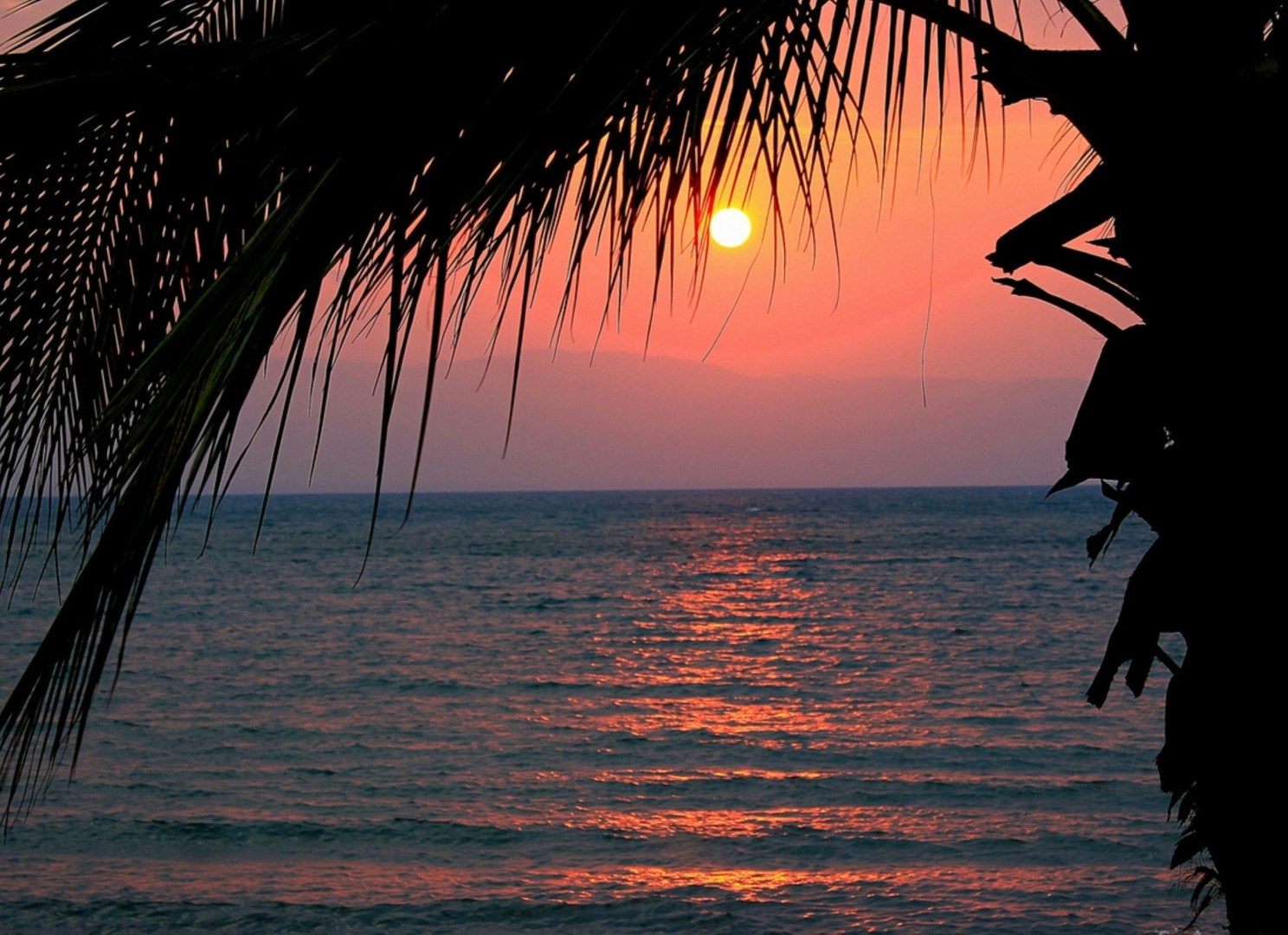
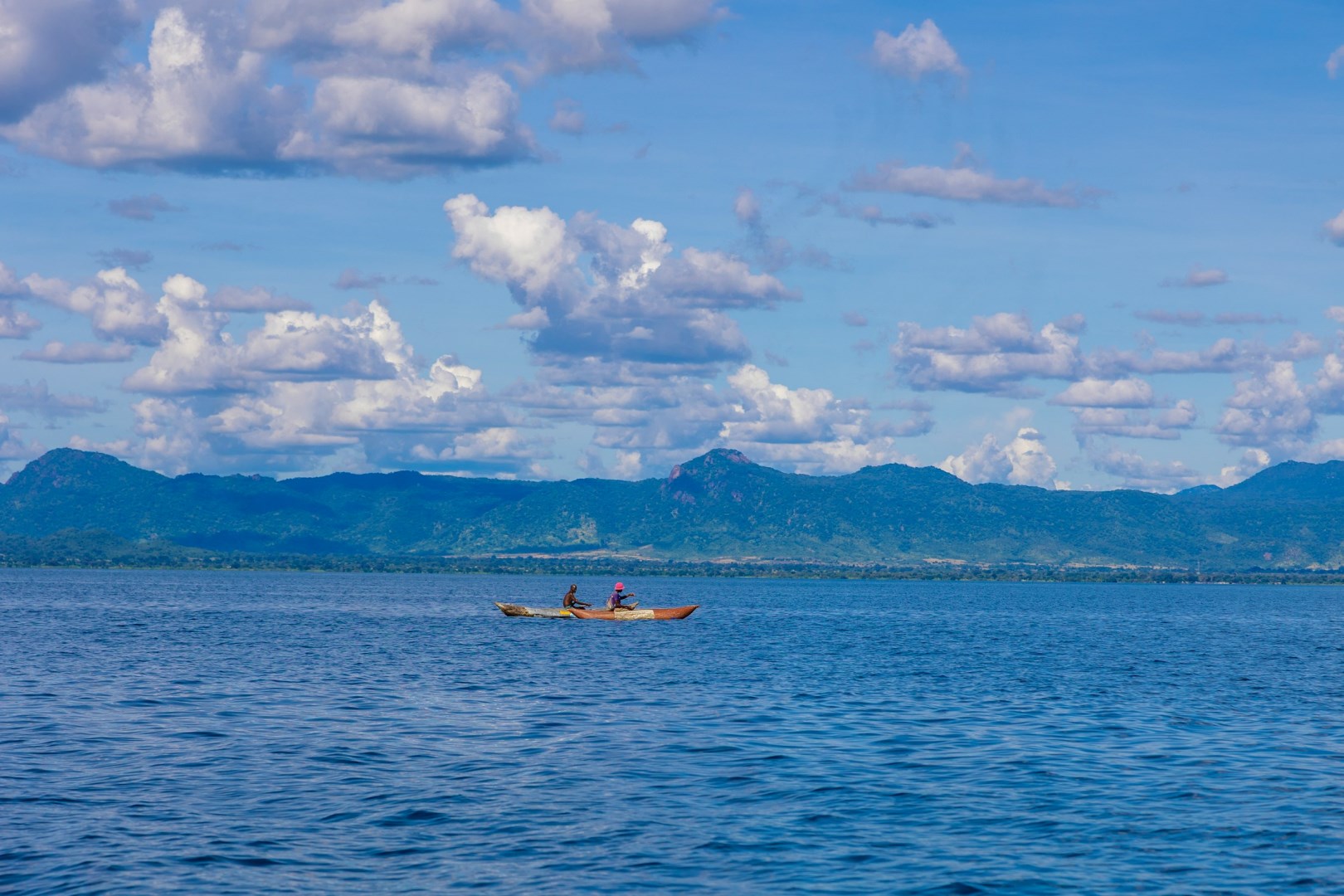
Ponta do Ouro is a coastal settlement in southern Mozambique, close to the South African border and the southern end of the Mozambique Channel. The town is known for its broad sandy beach, warm waters, coastal dunes, and strong connection to marine activities. It lies within the Ponta do Ouro Partial Marine Reserve, which protects reefs, seagrass beds, estuaries, mangroves, and surrounding waters.