Saudi Arabia
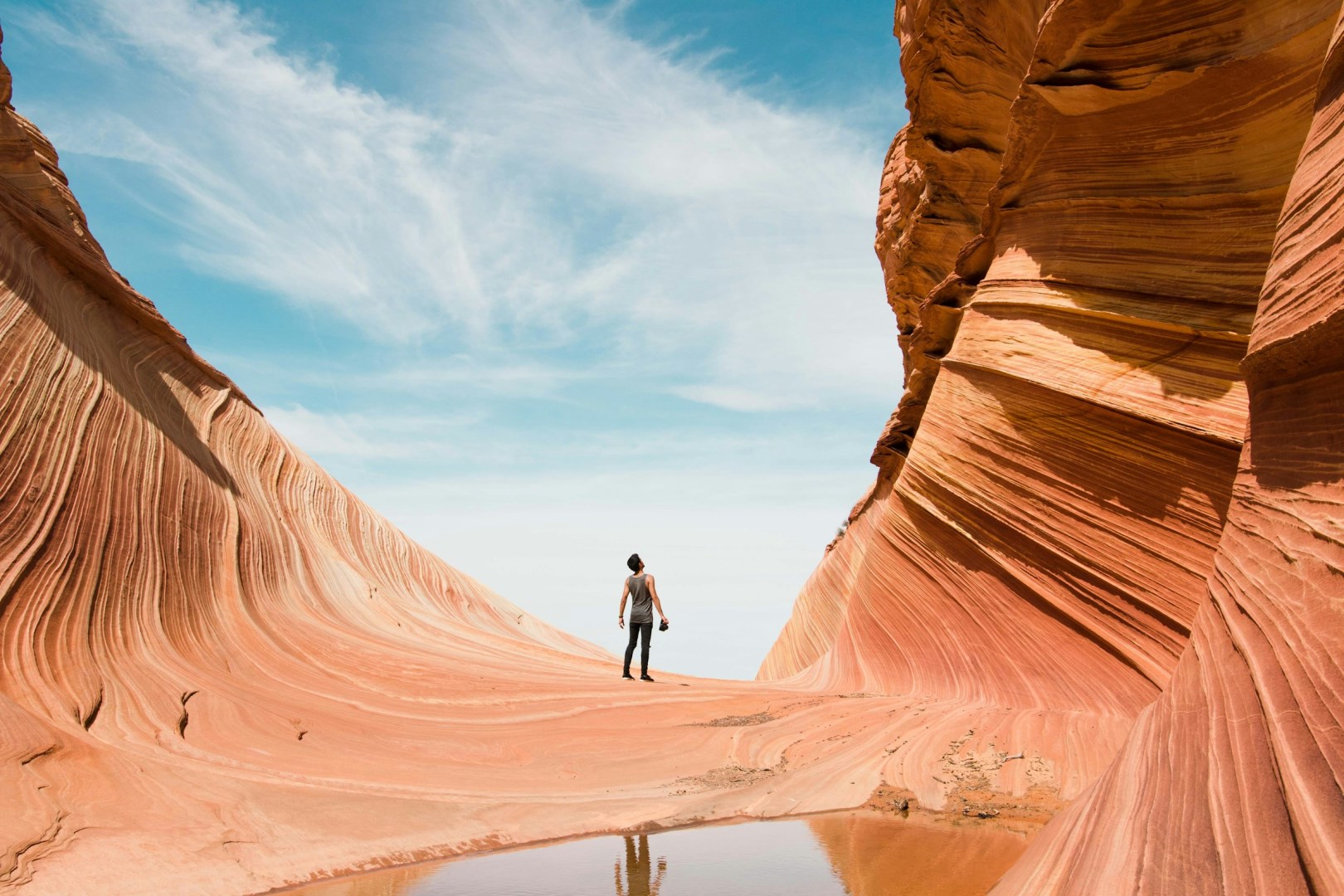
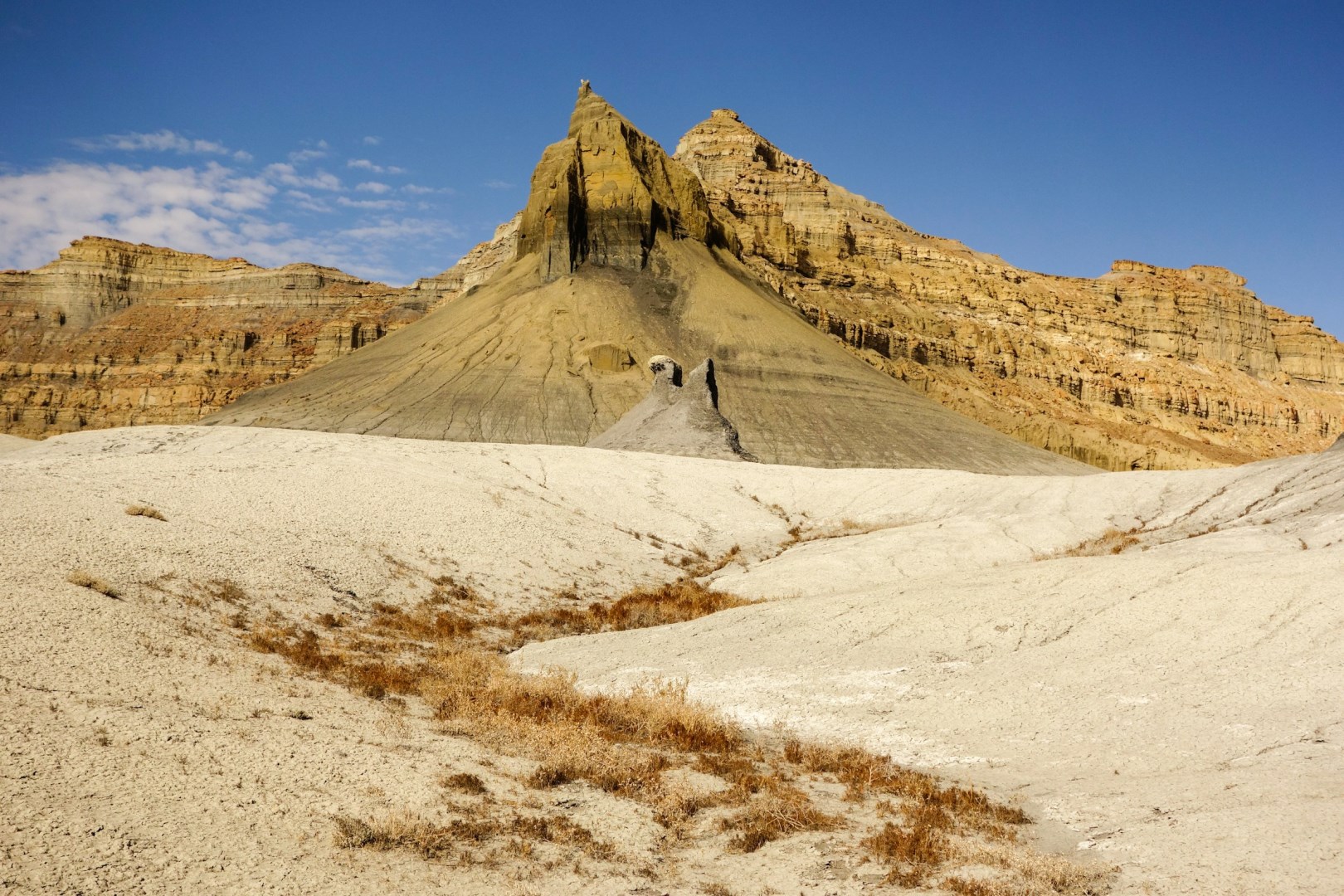
Saudi Arabia is revealing chapters long unseen by tourists. Al-Ula is home to Hegra, the first UNESCO World Heritage Site in the kingdom and hosts to ancient Nabatean tombs carved in sandstone cliffs. Nearby, the mirrored Maraya Concert Hall reflects the desert sky, its design both unexpected and elegant amid the sands. Visitors can wander through narrow canyons, step inside rock-hewn facades, and feel the weight of ancient civilizations still echoing across the dunes.
Douglas
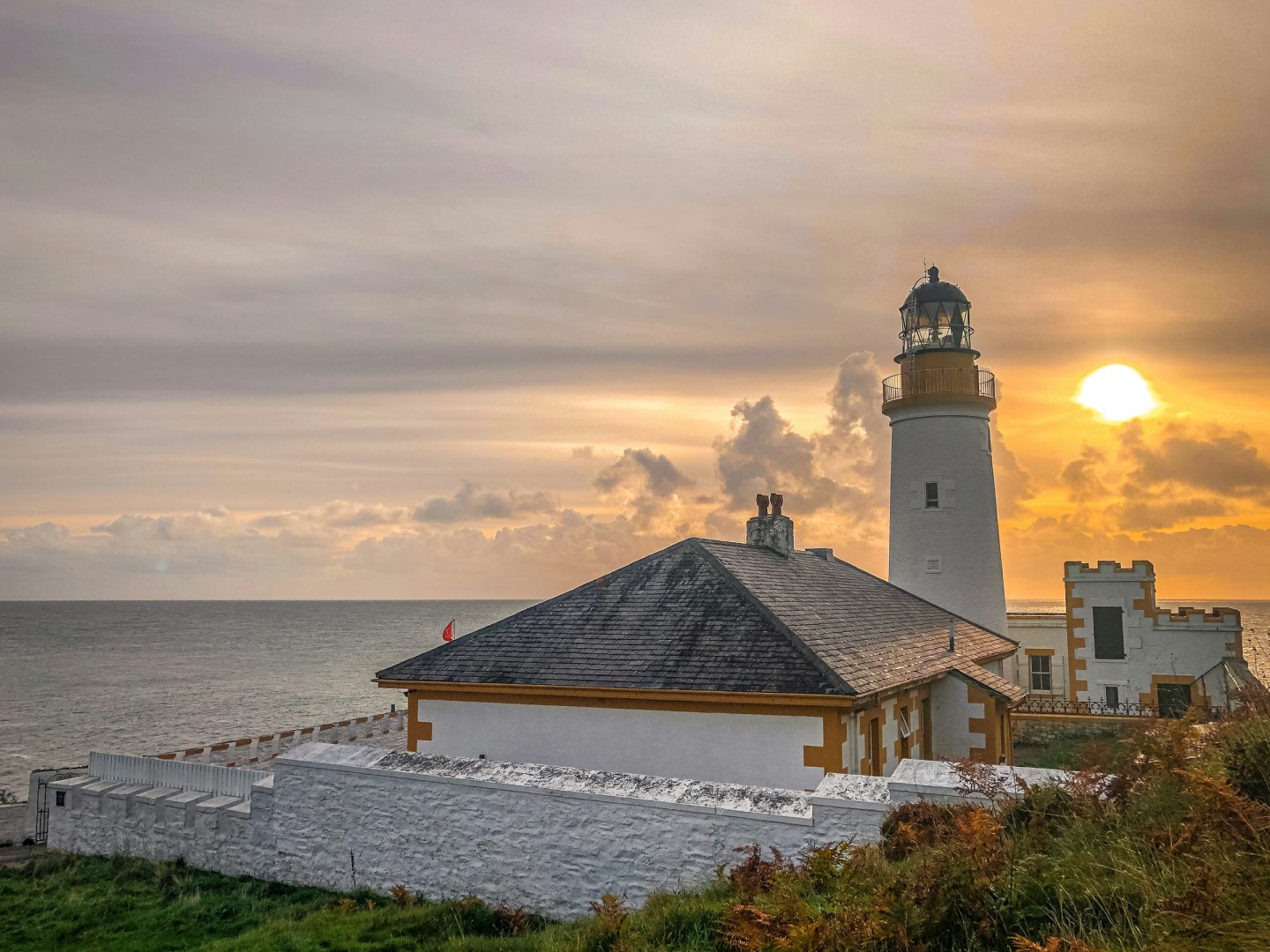
Douglas is the capital of the Isle of Man, occupying a broad bay on the island’s eastern coast and serving as its main commercial, cultural, and transport center. The town developed around a natural harbor and remains closely connected to the sea, with the Douglas Sea Terminal handling ferry services and other vessels.

Marquesas Islands
Farther from a continental landfall than any other group of islands on earth, the twelve Marquesas jut out of the open Pacific just south of the equator, shrouded in a constant cloud cover.
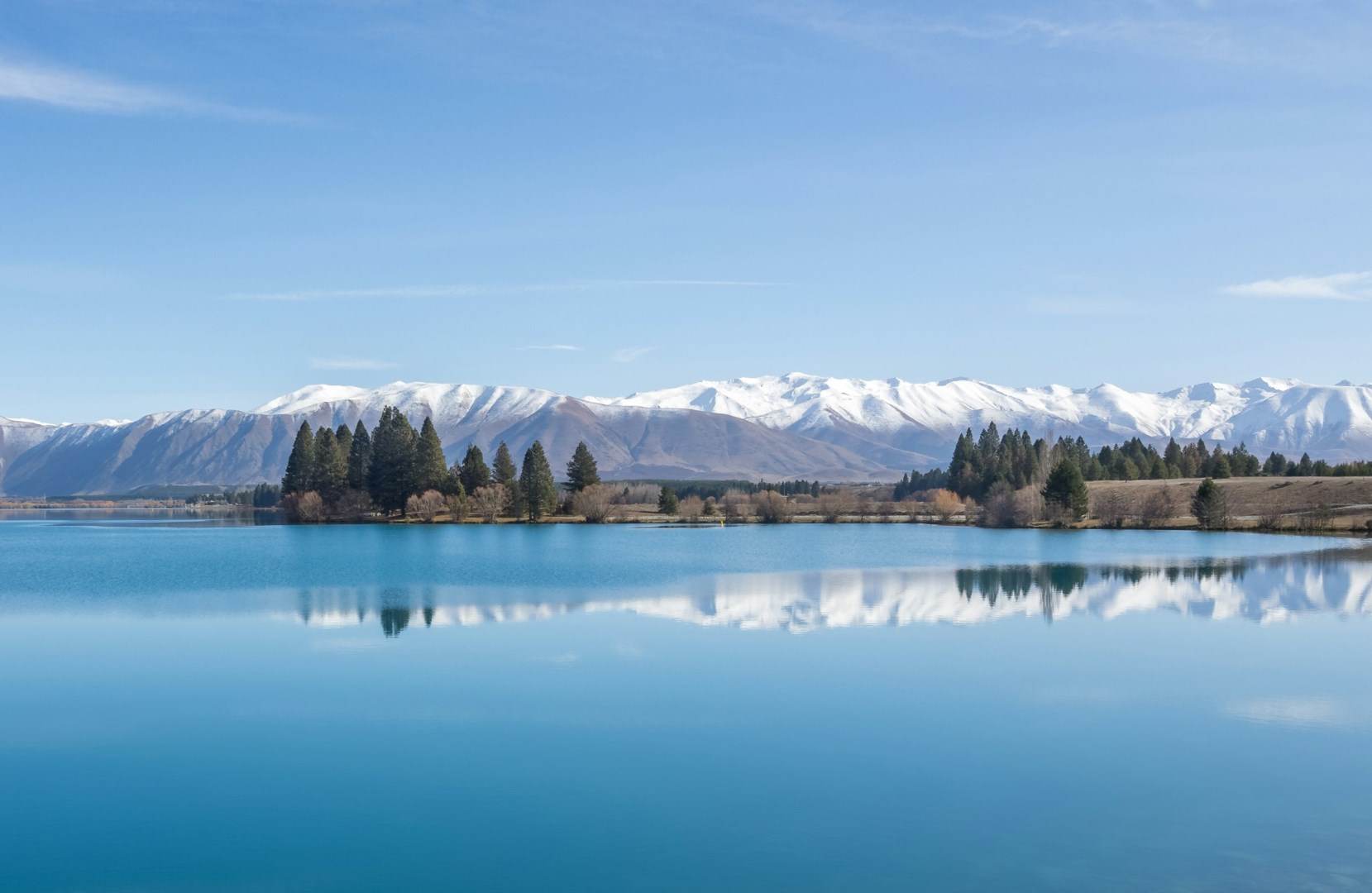
Twizel
Twizel is a 40 minute drive from Mt. Cook Village. Nearby is Mount Cook National Park and Lake Ruataniwha.

Soufriere
Soufriere sits on the southwest coast of St. Lucia, framed by steep hills and the twin Pitons that rise sharply from the sea. Once the island’s original capital, the town carries deep historical roots tied to colonial rivalries and the development of plantation culture.