

Grand Teton National Park
Grand Teton National Park, located in northwestern Wyoming, offers a breathtaking panorama of rugged mountain landscapes and pristine wilderness. Dominated by the imposing Teton Range, the park’s dramatic peaks rise sharply from the valley floor, creating one of the most striking mountain vistas in the United States. The Tetons are renowned for their stunning granite spires, including the iconic Grand Teton, which reaches 13,775 feet and is a favorite among climbers and photographers alike.
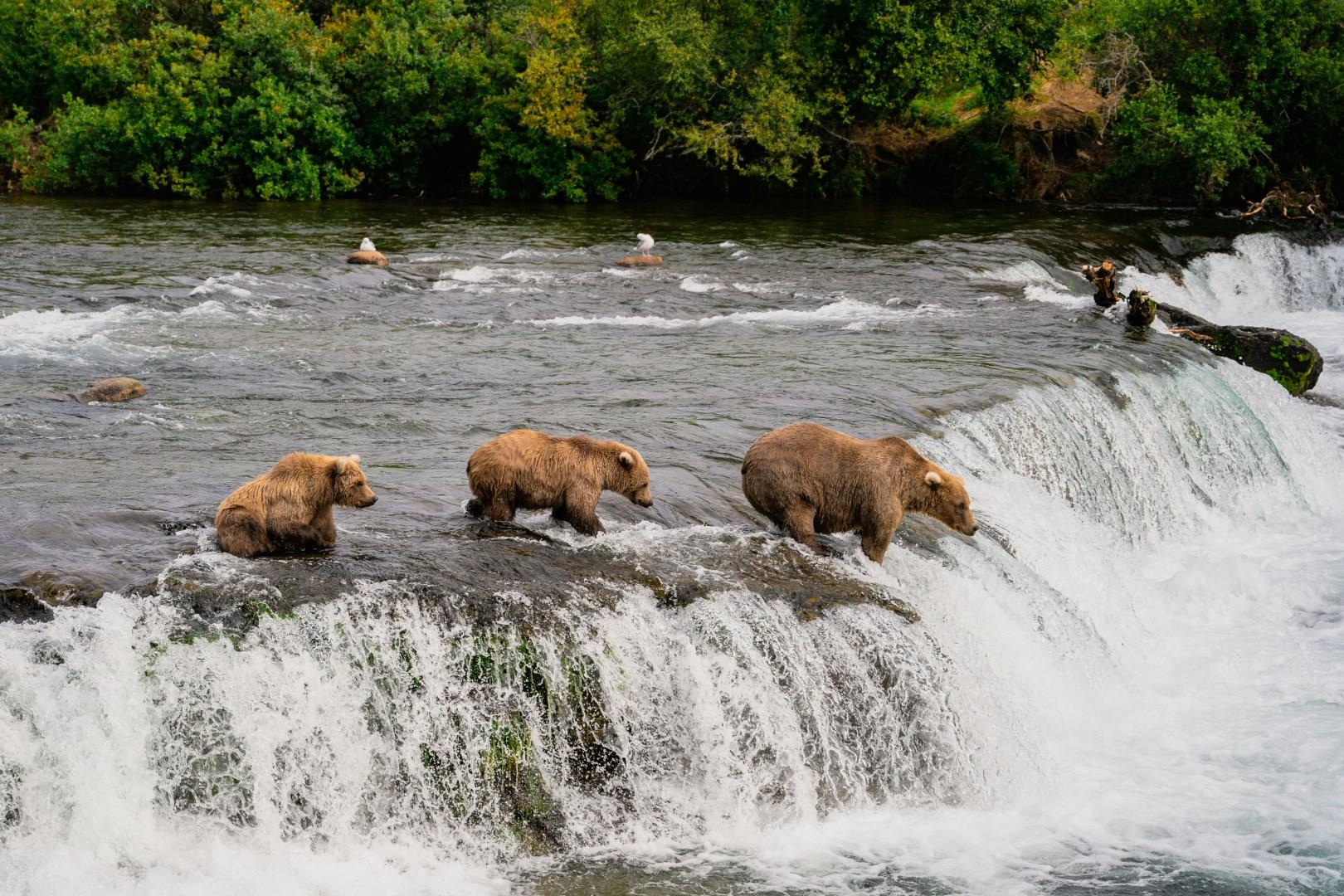
Katmai National Park
Katmai National Park and Preserve lies along Alaska’s remote Pacific coast, shaped by volcanism, glaciers, and deep time. The area gained prominence after the 1912 Novarupta eruption, one of the largest volcanic events of the 20th century, which transformed the landscape and led to the creation of the Valley of Ten Thousand Smokes.

A Coruna
Perched on the northern coast of Spain, A Coruña (or La Coruña) is a captivating city with a rich maritime heritage and scenic beauty. Dominated by its iconic lighthouse, the Torre de Hércules, which is the oldest functioning lighthouse in the world, A Coruña offers a unique glimpse into ancient engineering.
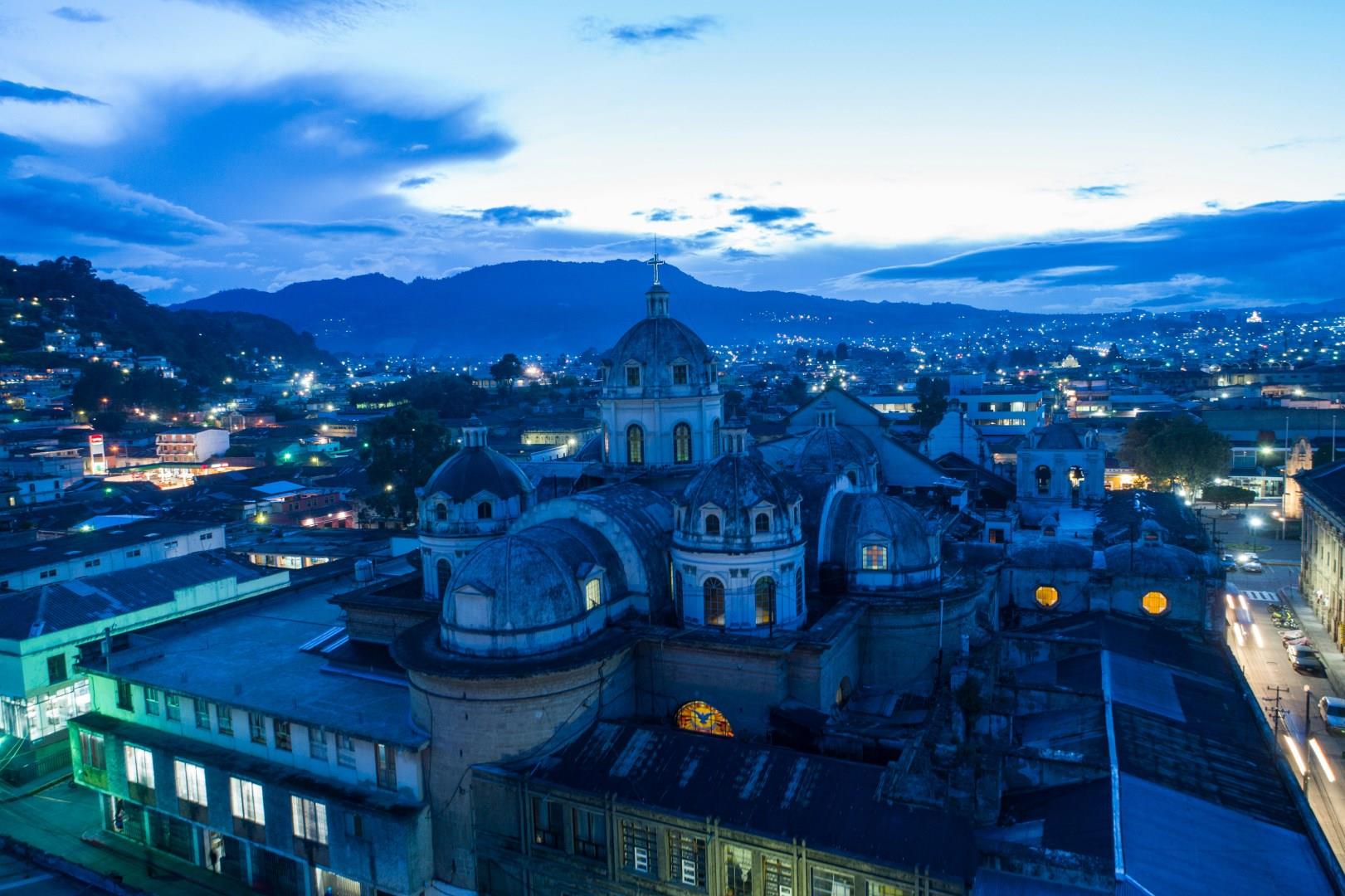
Quetzaltenango
Quetzaltenango, often called Xela by locals, is Guatemala’s second-largest city and a hub of indigenous culture, colonial history, and highland landscapes. Surrounded by volcanoes, including the towering Santa María, the city sits at over 7,600 feet above sea level, giving it a crisp mountain climate that contrasts with the country’s tropical lowlands.
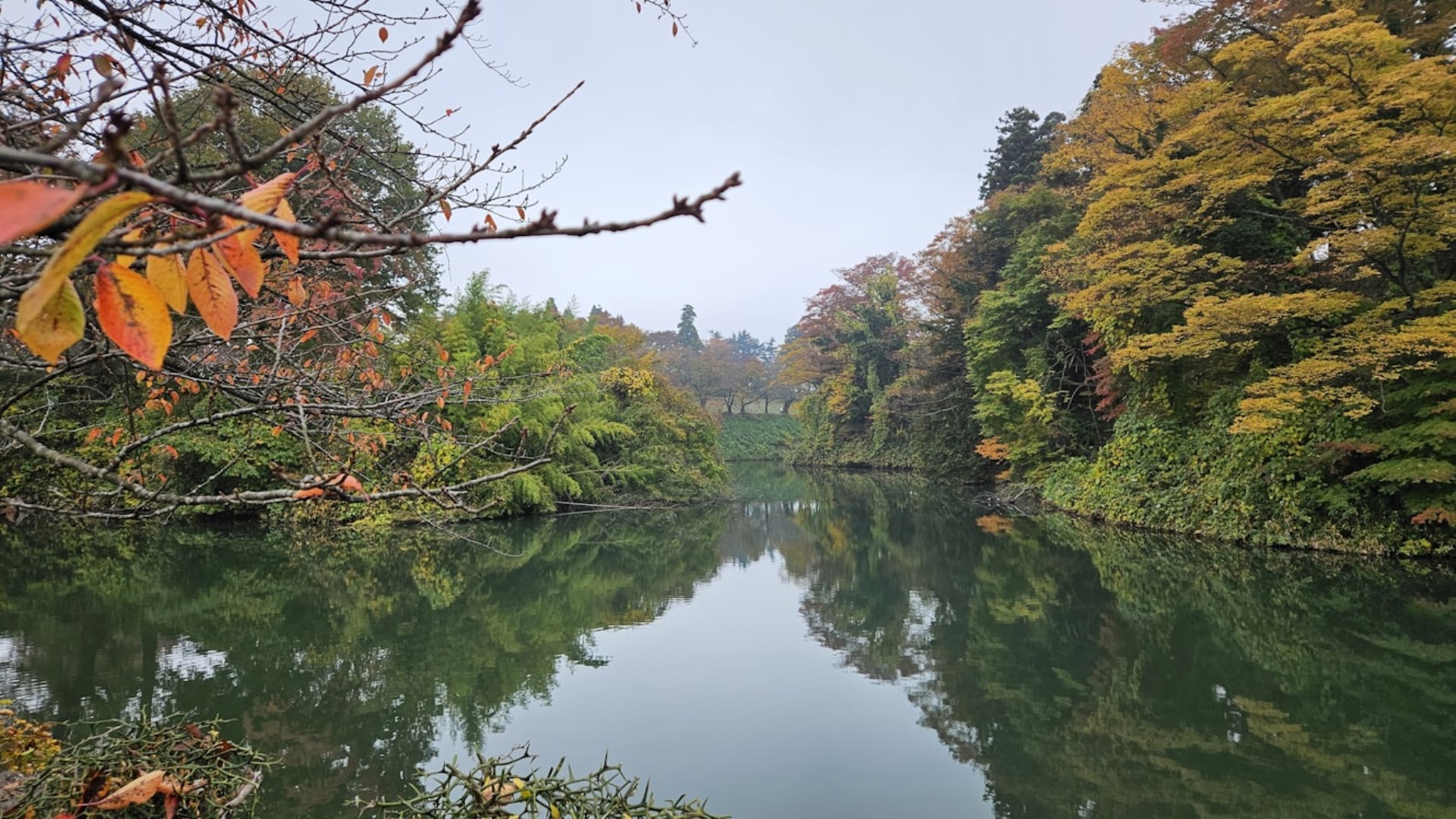
Aizuwakamatsu
Aizuwakamatsu in Fukushima Prefecture is a city where samurai history is tangible. Once a stronghold of the Aizu domain, it played a pivotal role in the late Edo period and the Boshin War.


