St. George
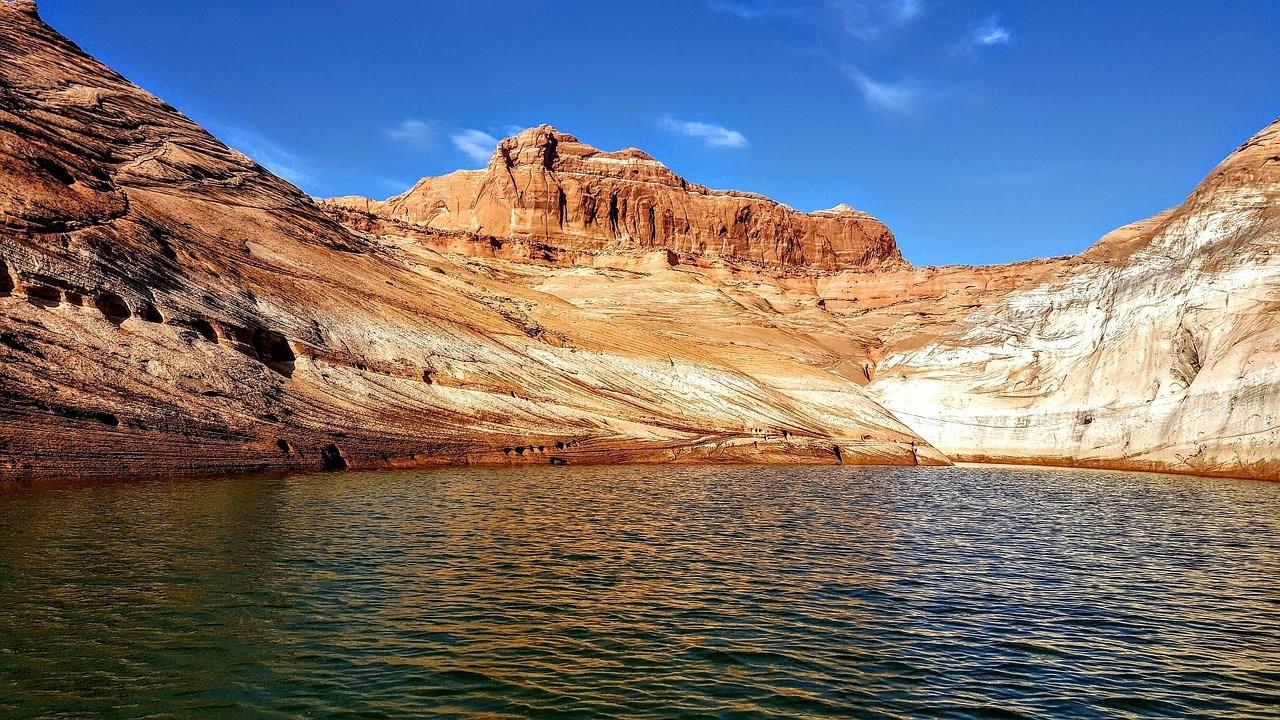
St. George, Utah, is a desert city in the state’s southwest corner, celebrated for its striking red rock landscapes, mild climate, and proximity to some of the American West’s most iconic natural wonders.
Cebu
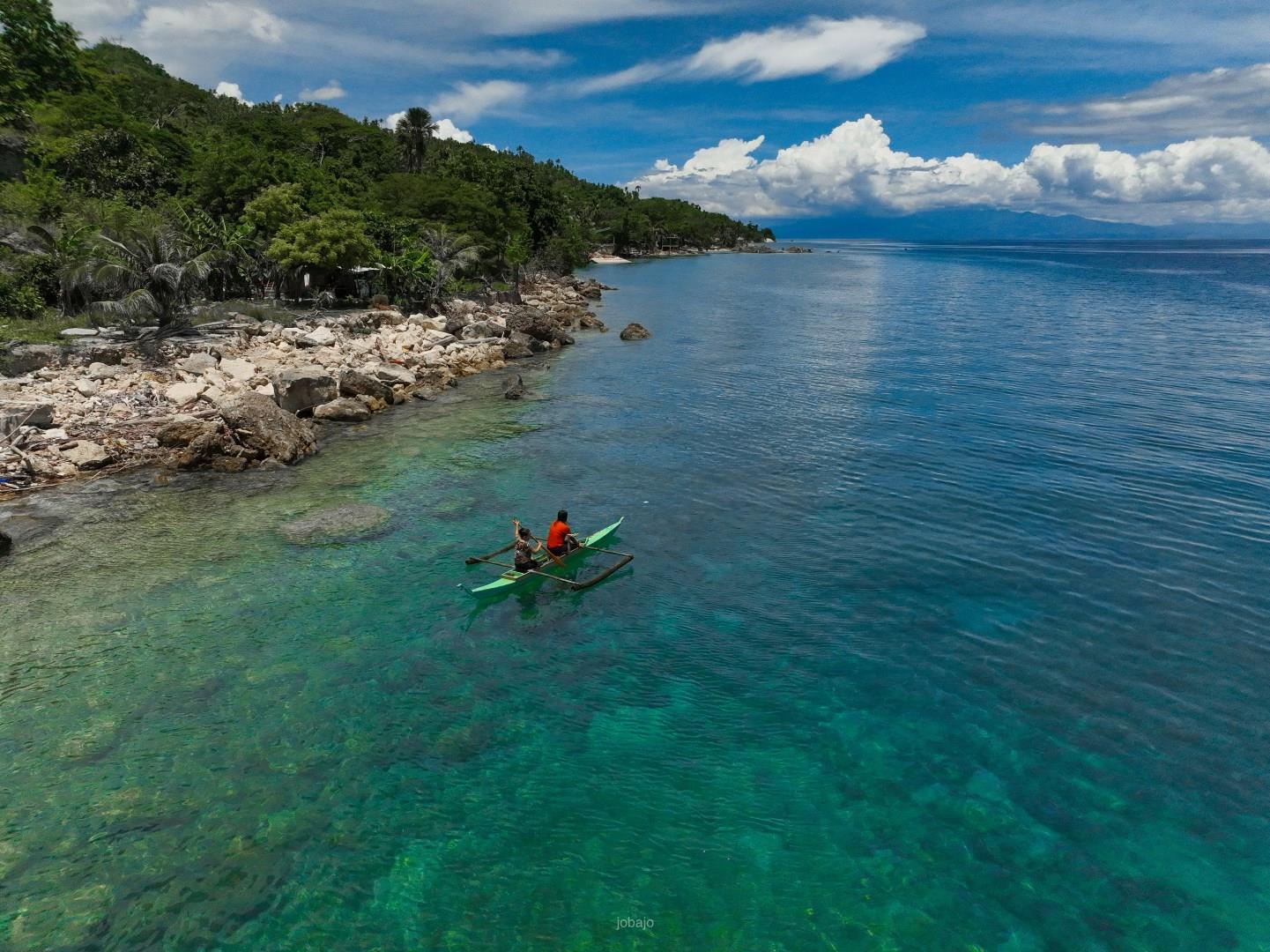
Cebu sits at the center of the central Philippines, shaped by seafaring trade and early colonial contact. It was here that Spanish rule first took hold in the 16th century, leaving a legacy visible in churches, street patterns, and long-standing ties to Catholic tradition.
Coral Coast
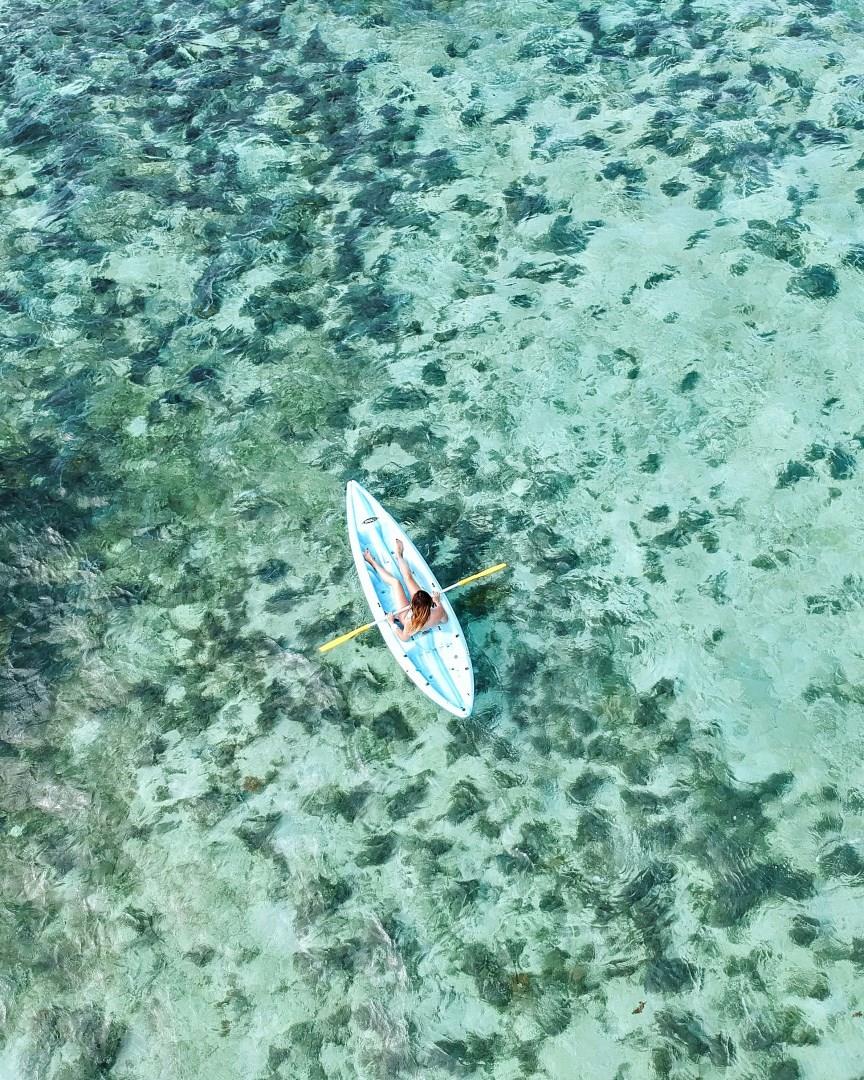
The Coral Coast stretches along the southern edge of Fiji’s main island of Viti Levu, beginning around 15 km south of Nadi and continuing toward Suva. This 80 km shoreline is dotted with beaches that widen at low tide, bays set against green hills, and a series of small townships that feel welcoming and down to earth. Sigatoka, often called the gateway to the Coral Coast, sits beside the winding Sigatoka River, where local markets brim with fresh tropical fruit and handmade crafts.
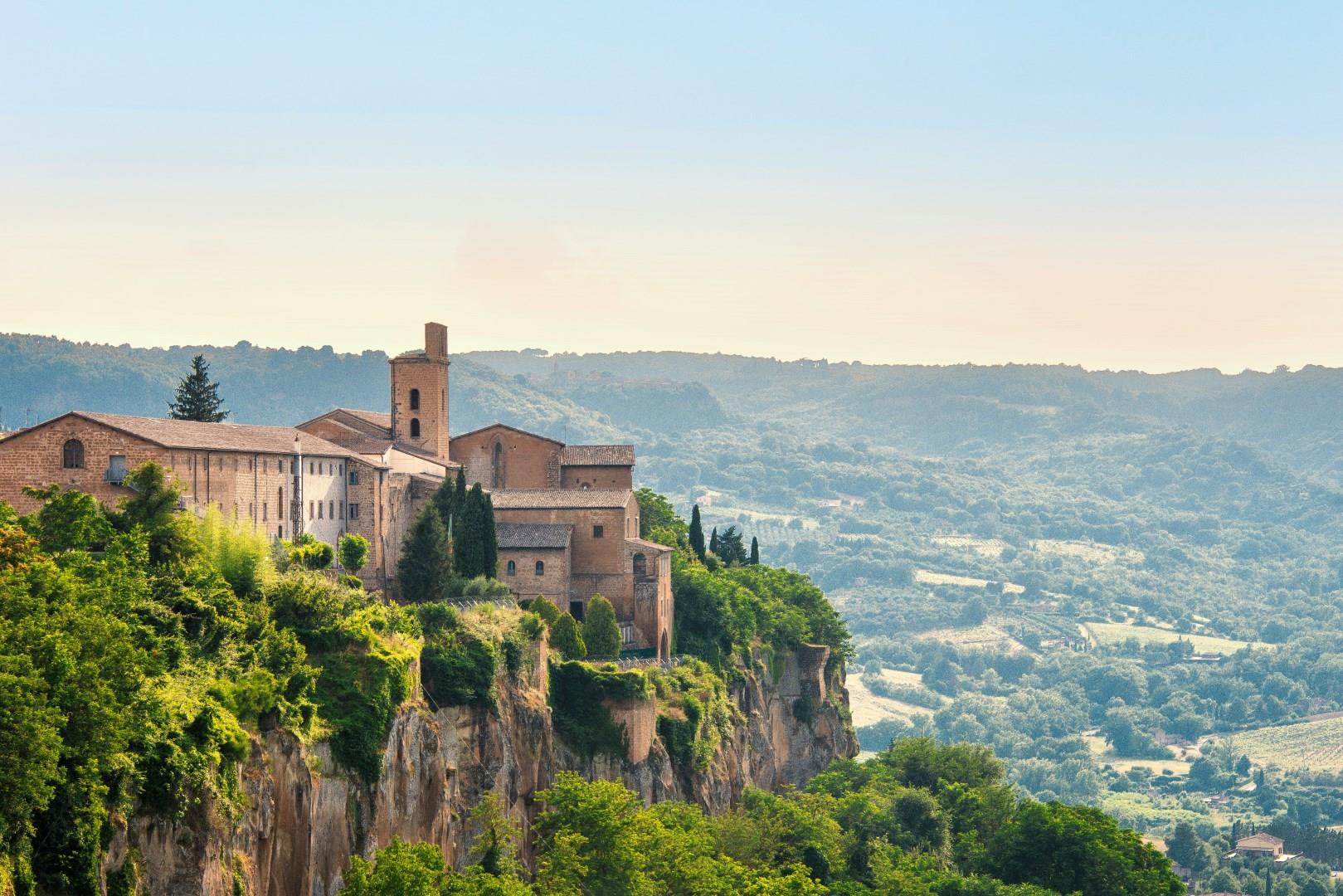
Orvieto
Orvieto, perched atop a volcanic tuff cliff in Umbria, Italy, is a town that effortlessly combines history, art, and striking landscapes. Its dramatic position overlooking the surrounding countryside immediately captures attention.

Havana
Havana, Cuba's vibrant capital, is a city where the past and present coalesce to create an unforgettable travel experience. Walking through Old Havana (La Habana Vieja), a UNESCO World Heritage site, feels like stepping back in time. The cobblestone streets are lined with pastel-colored colonial buildings, baroque churches, and iconic plazas, such as Plaza de la Catedral and Plaza Vieja, each with its own unique charm and history.