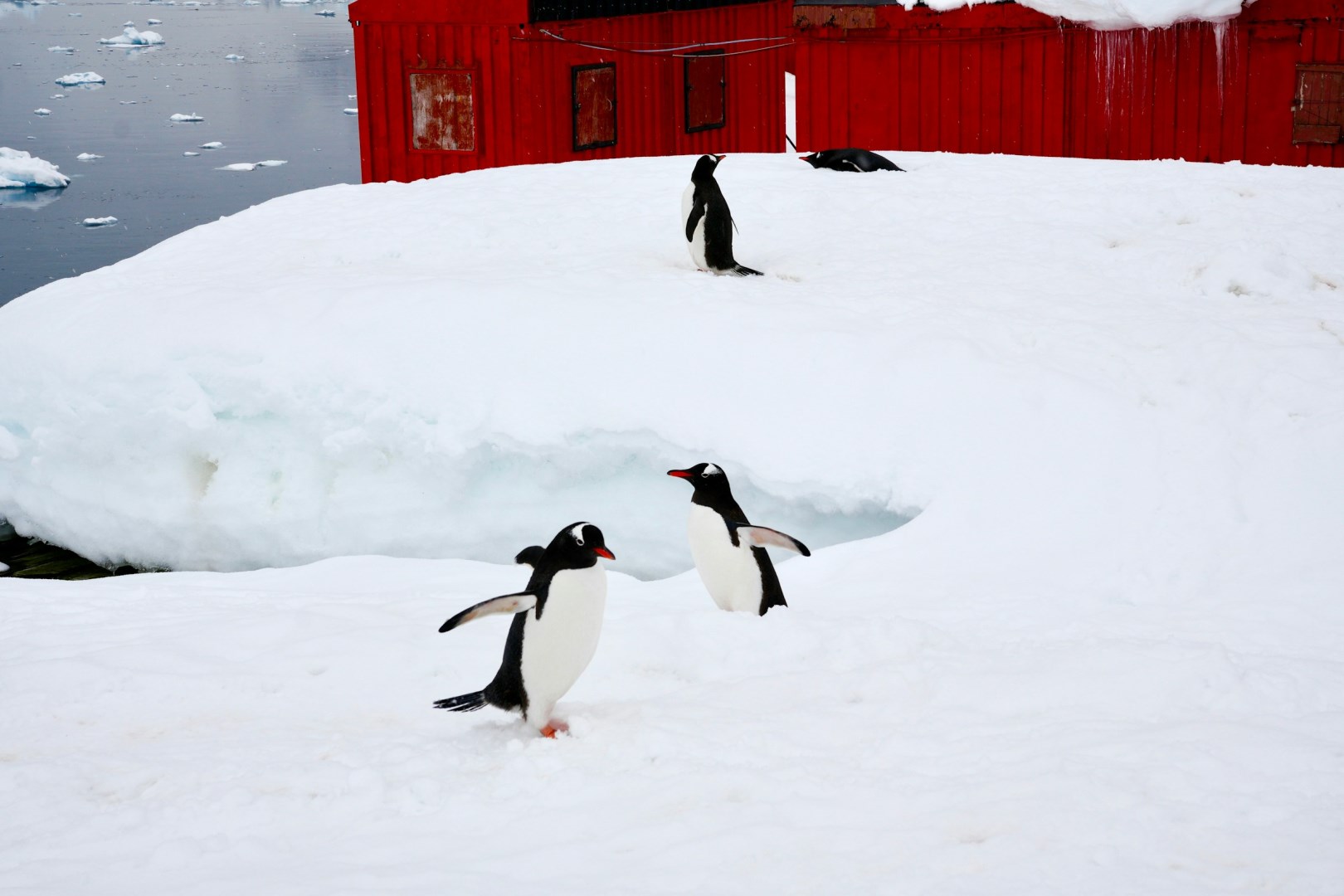
Alghero Sardinia
Alghero, located on the northwest coast of Sardinia, Italy, is a seaside city that blends history, culture, and natural beauty. Known as “Little Barcelona” due to its Catalan influence, Alghero’s old town is a maze of narrow cobblestone streets, colorful buildings, and medieval walls overlooking the Mediterranean Sea. Visitors can explore landmarks like the imposing Torre del Portal, a medieval tower that is a testament to the city’s rich heritage.
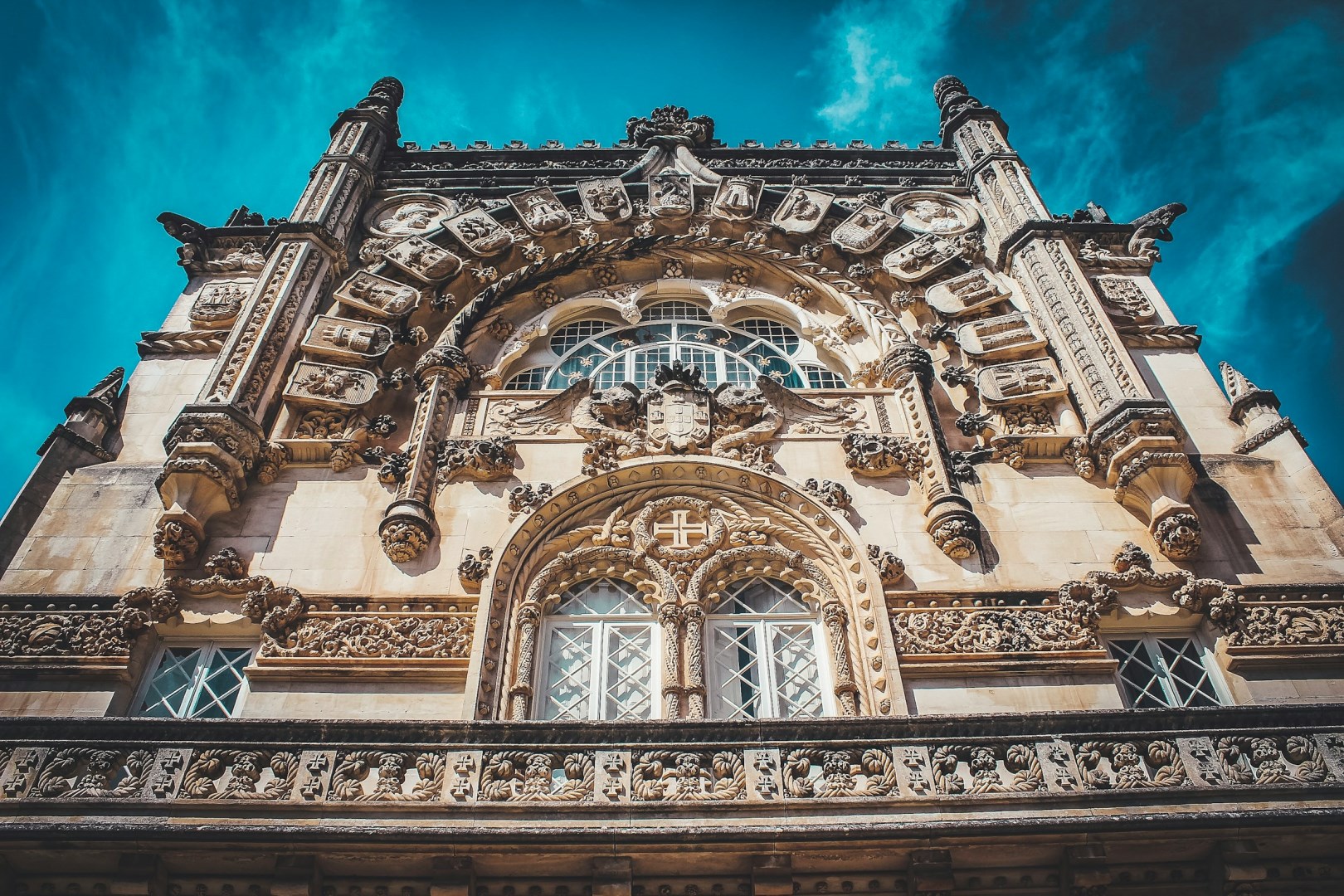
Portugal
Portugal offers a layered experience shaped by maritime history, deep-rooted traditions, and a coastline that stretches for nearly 1,800 kilometers. In Lisbon, the streets of Alfama wind uphill toward São Jorge Castle, where views of red-tiled rooftops and the Tagus River reveal how the city was rebuilt after the 1755 earthquake. Trams still clatter through narrow streets, and fado music, often performed in candlelit taverns, tells stories of longing and the sea.
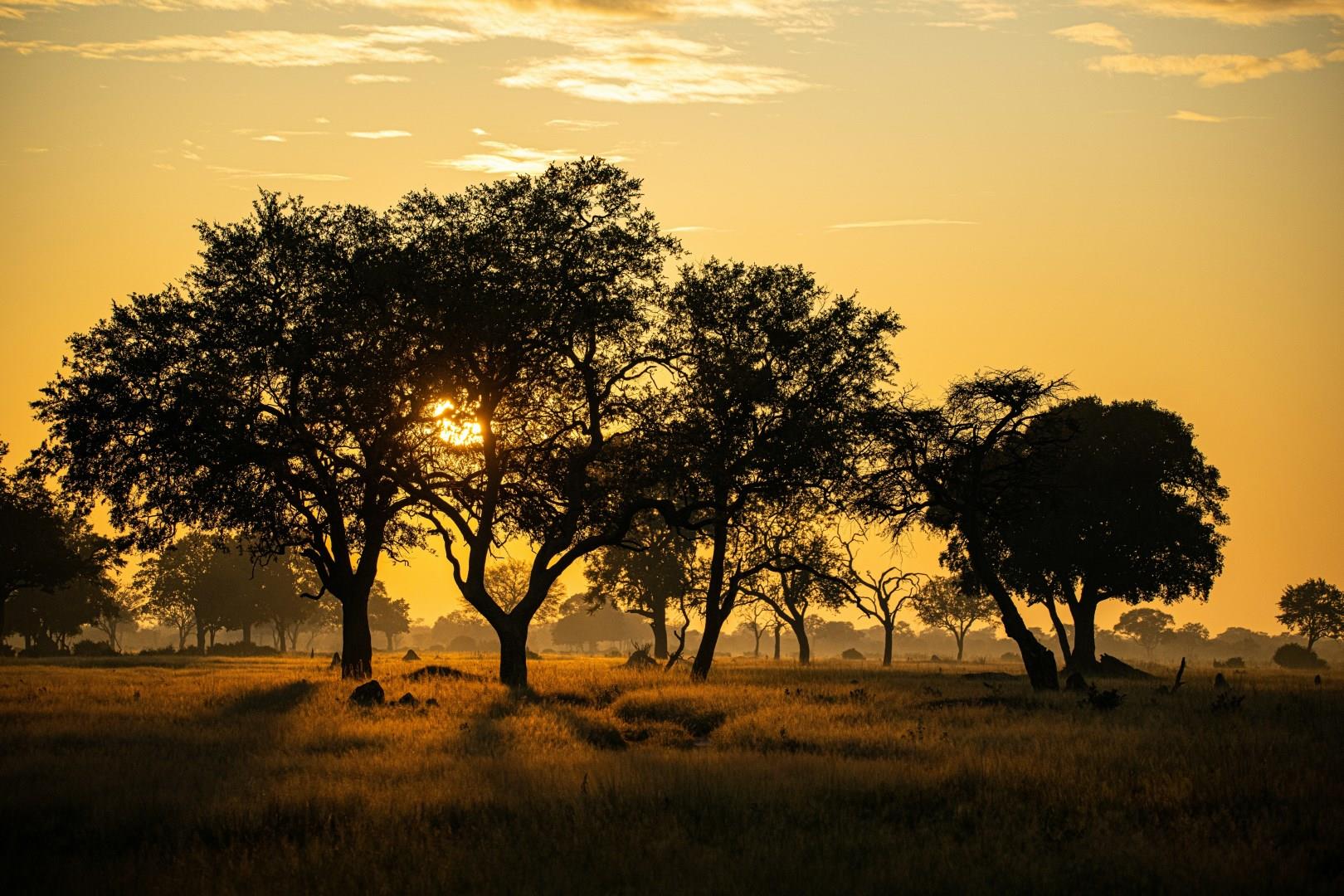
Hwange National Park
Hwange National Park, located in western Zimbabwe, is the country’s largest protected area and one of Africa’s premier wildlife reserves. Covering more than 14,600 square kilometers, it is renowned for its extraordinary diversity of animals and habitats.
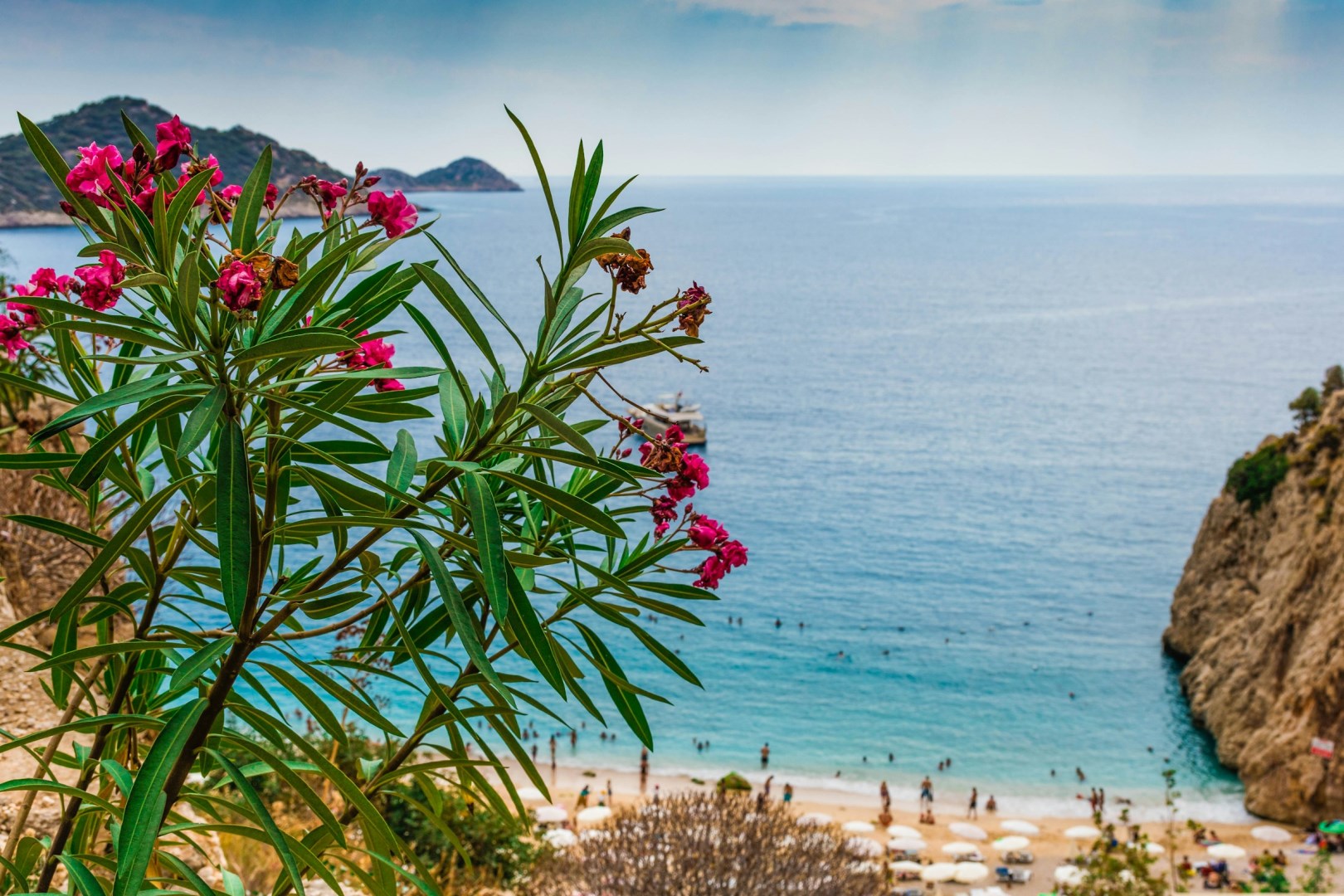
Kalkan
A lovely small hilltop town that overlooks a tiny bay. Narrow, winding streets lined with souvenir shops lead down to the charming marina.
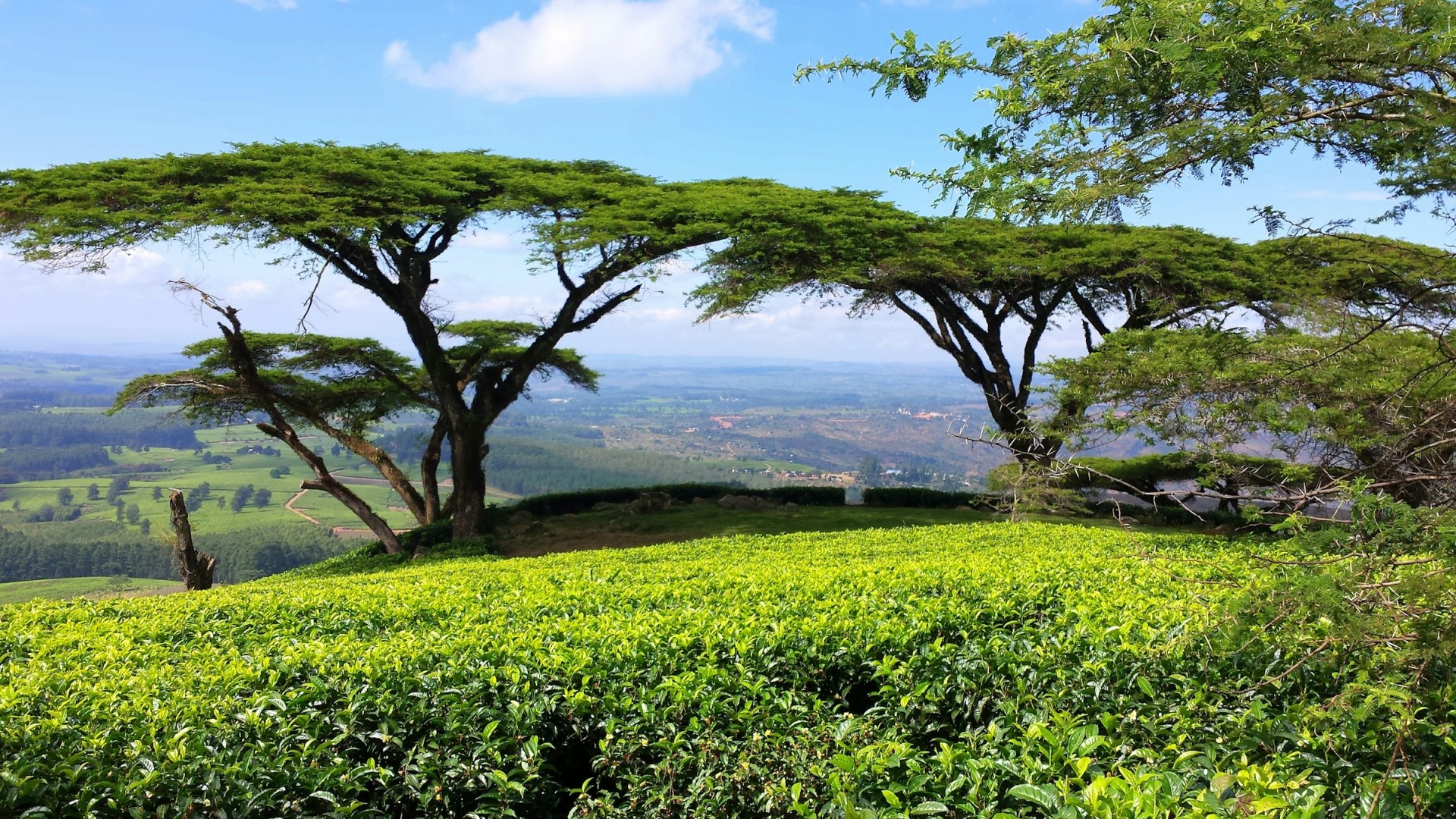
Malawi
Malawi, often called the “Warm Heart of Africa,” is a landlocked country in southeastern Africa known for its welcoming people and breathtaking natural scenery. Despite its small size, the country offers remarkable diversity, from high mountain plateaus and fertile valleys to sweeping savannas and vast lakeshores.