Java Sea
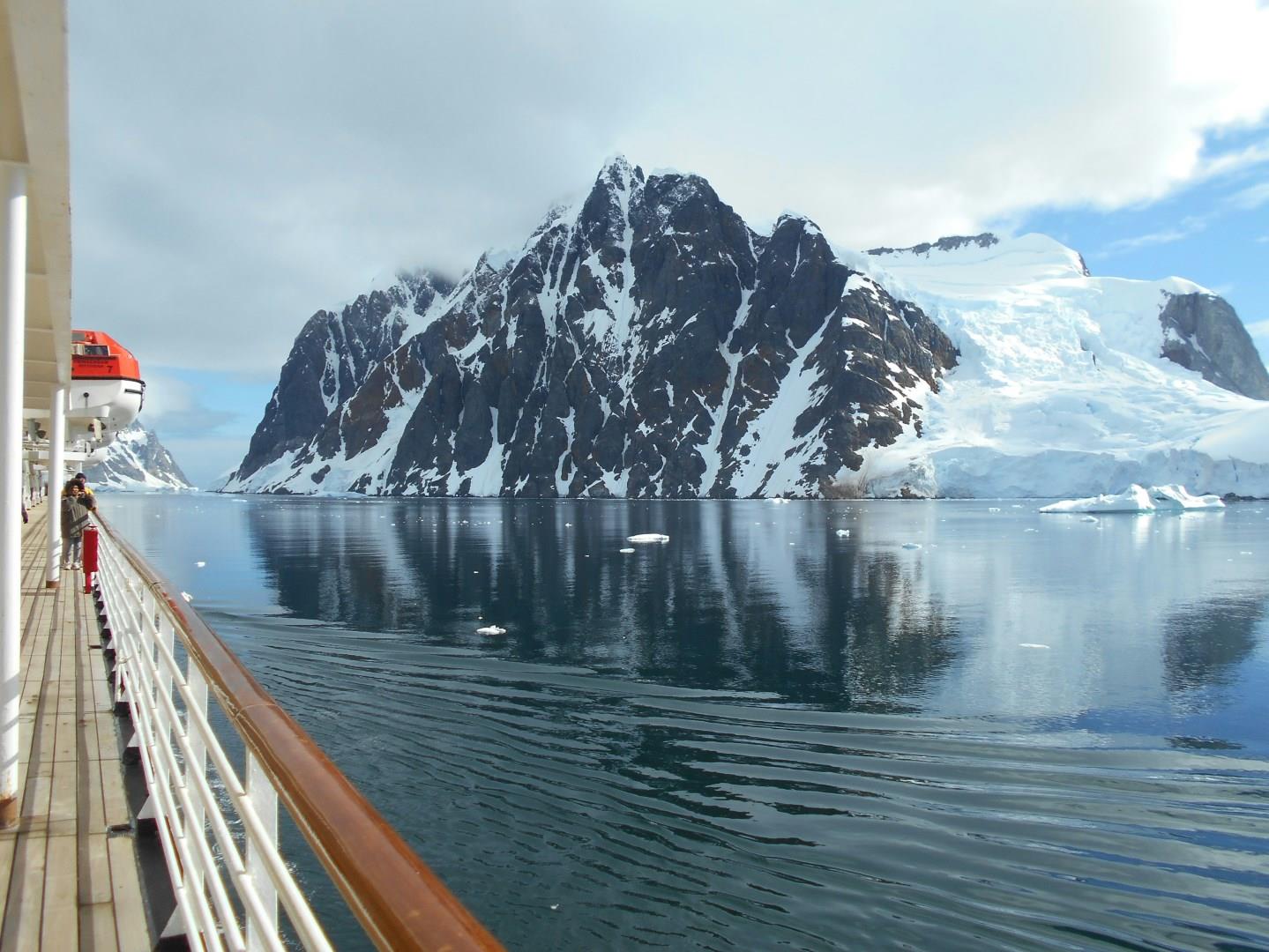
The Java Sea sits between the islands of Java, Sumatra, Borneo, and Sulawesi in Indonesia and is a destination rich in natural beauty, history, and vibrant cultures. This shallow sea is known for its stunning turquoise waters, pristine islands, and fascinating marine life.

Dominica
Dominica, known as the “Nature Island of the Caribbean,” is a haven for eco-tourists and adventure seekers. Nestled between the French islands of Guadeloupe and Martinique, this lush island boasts a remarkable landscape of volcanic mountains, dense rainforests, and stunning waterfalls. Dominica’s most iconic natural wonder is the Boiling Lake, the second-largest hot spring in the world.

Sapporo
Sapporo, (säp-pô´rô), capital of Hokkaido prefecture, SW Hokkaido, Japan. One of Japan's most rapidly growing urban centers, Sapporo is famous for its annual snow festival. It was the site of the 1972 winter Olympics.
Mysore
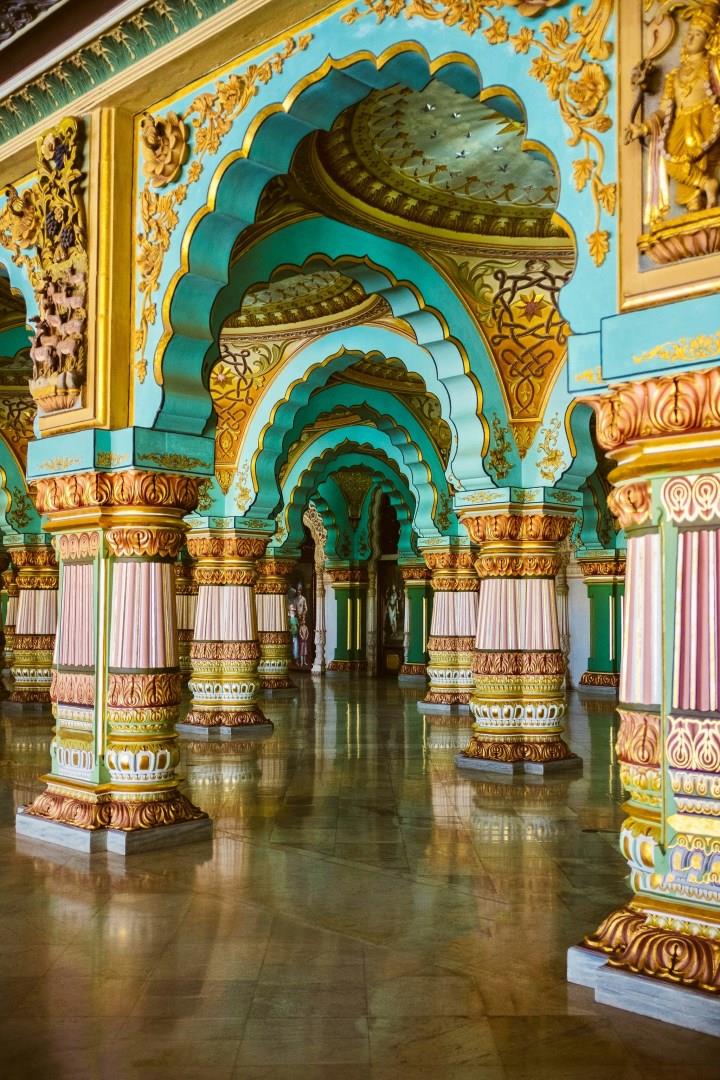
Mysore, often called the “Cultural Capital of Karnataka,” is a city where centuries-old royal heritage meets living tradition. Located at the foothills of the Chamundi Hills, it is best known for its palaces, wide boulevards, and colorful festivals. Once the seat of the Wadiyar dynasty, Mysore still carries an unmistakable royal influence that can be seen in its architecture, markets, and cultural celebrations.

New York
New York is more than a state, it’s a collection of vivid contrasts where small-town traditions meet global icons. Beyond the skyscrapers of Manhattan, visitors discover everything from glacier-carved lakes in the Finger Lakes region to quiet mountain villages in the Adirondacks. In upstate towns like Saratoga Springs and Hudson, restored main streets are lined with galleries, cafés, and antique shops, offering a slower pace steeped in local pride.