Colca Canyon
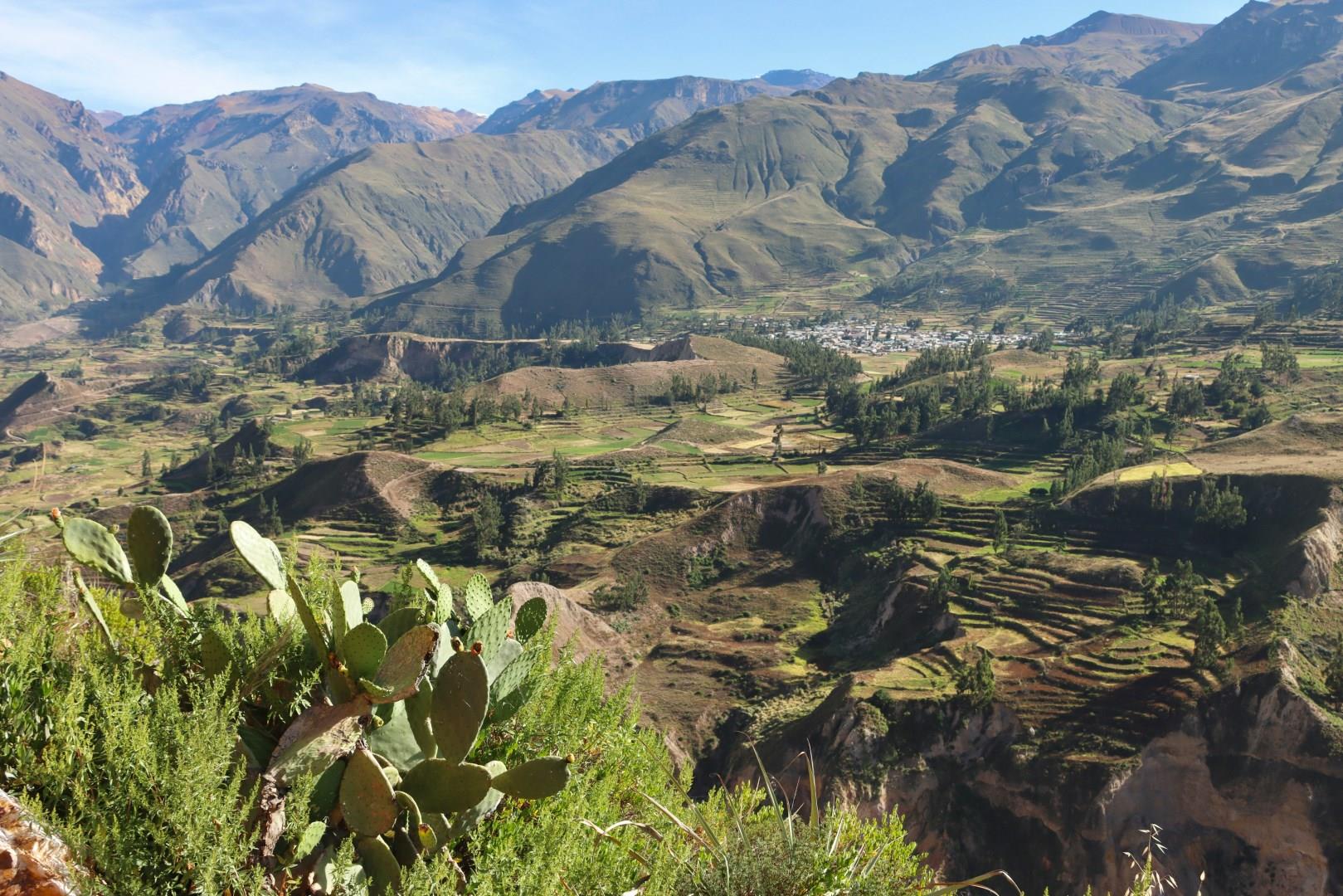
Colca Canyon, located in southern Peru’s Arequipa region, is one of the deepest canyons in the world, twice as deep as the Grand Canyon in some areas. What makes it stand out even more is how human settlements have coexisted with the landscape for centuries. Along its walls, pre-Inca agricultural terraces still hold crops like corn and quinoa. One of the main draws of the canyon is the opportunity to see Andean condors in flight.

Central Asia
South Central Asia offers travelers a journey through vivid contrasts, where centuries-old temples stand beside bustling modern cities, and tea-covered hills roll into dense tropical forests. In India, visitors can witness the grandeur of Mughal architecture at the Taj Mahal, then find serenity at the ghats of Varanasi, where rituals have continued for thousands of years.
South Shetland Islands
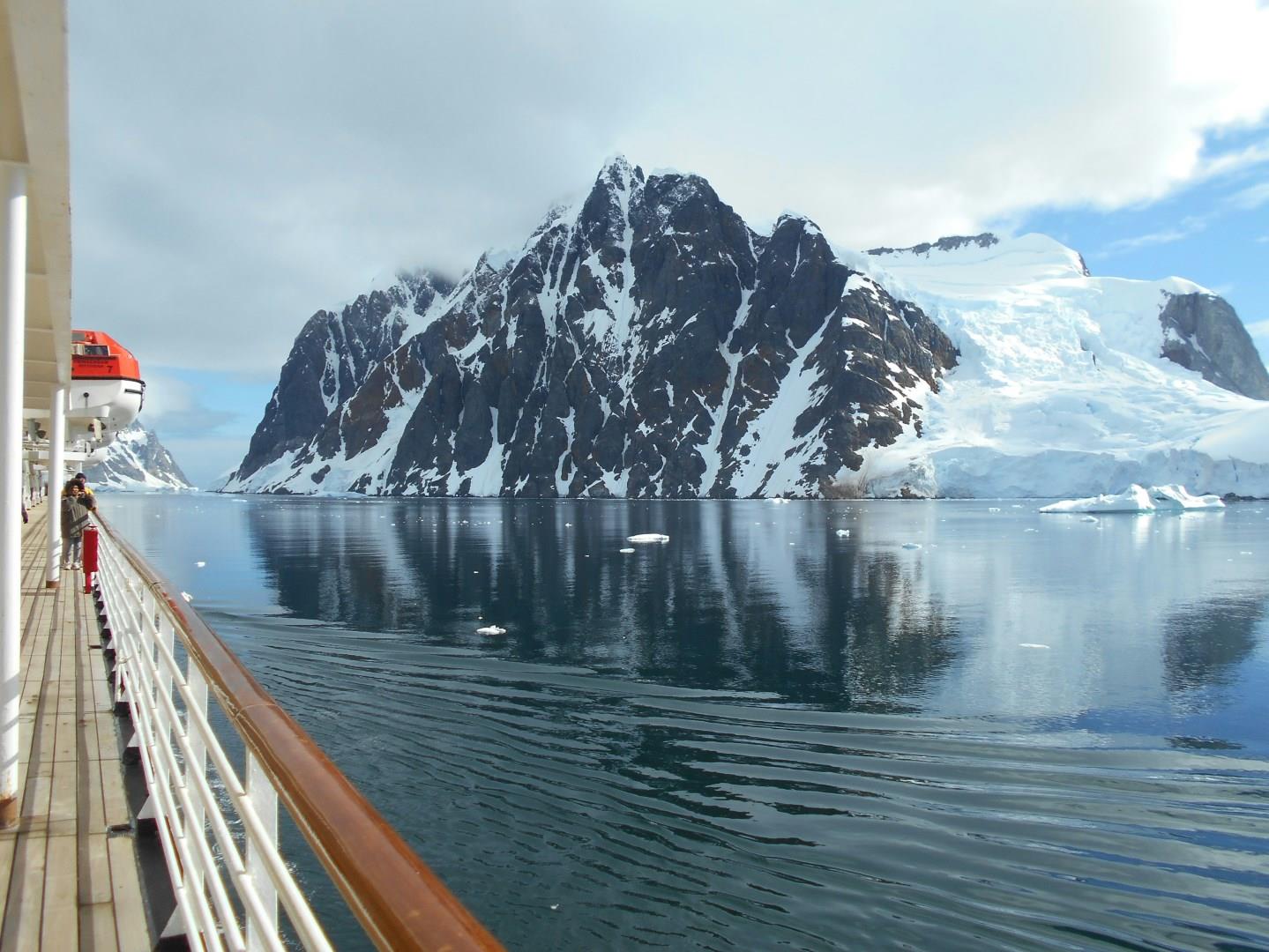
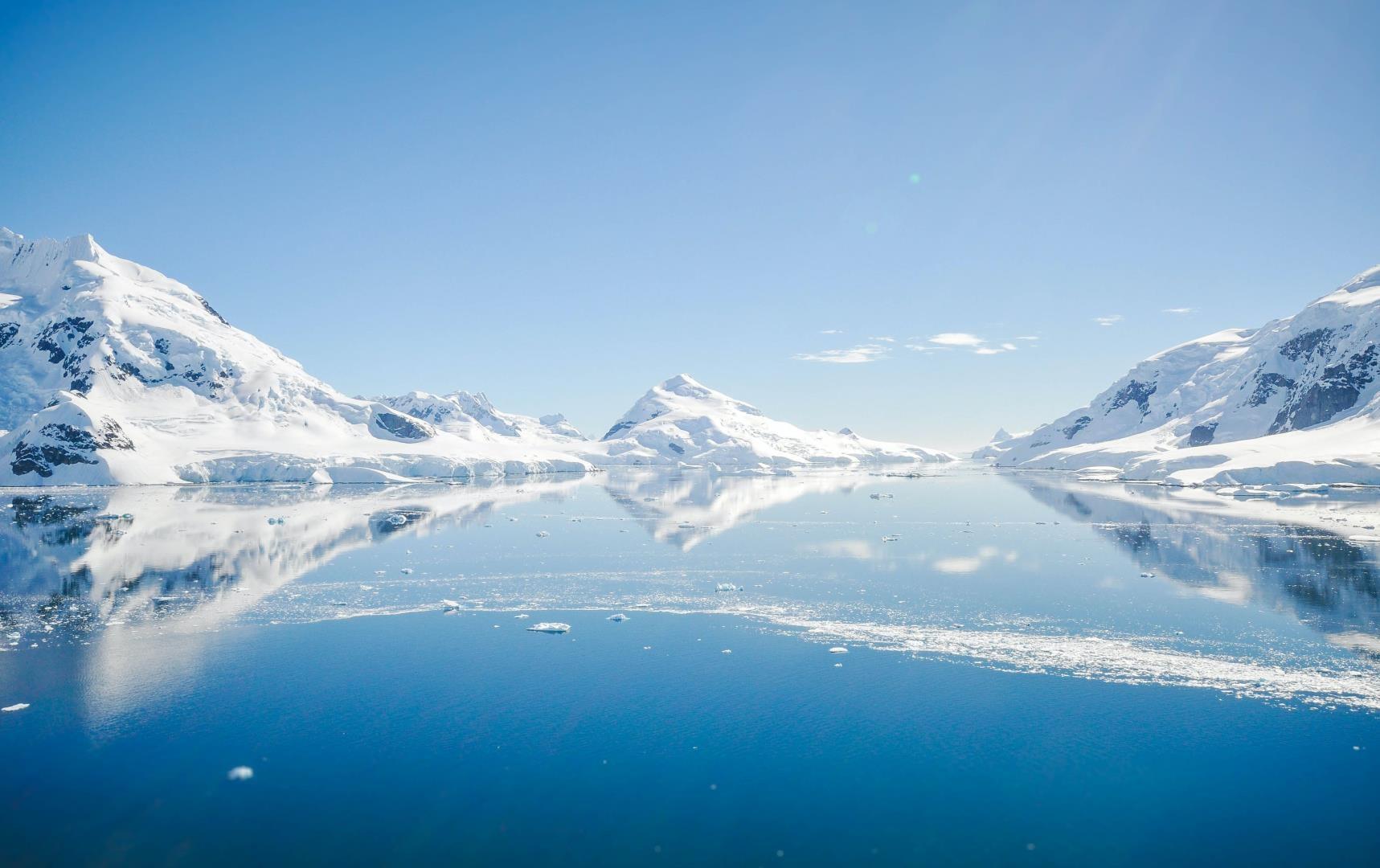
Mist, research stations, and penguins are just a few of the things that define the South Shetland Islands, an archipelago off the coast of Antarctica. These 11 Antarctic islands, most notably King George Island, have served as a base for researchers from Chile, Argentina, and a variety of other countries. The archipelago has also become a popular cruise destination for tourists to the Antarctic region.
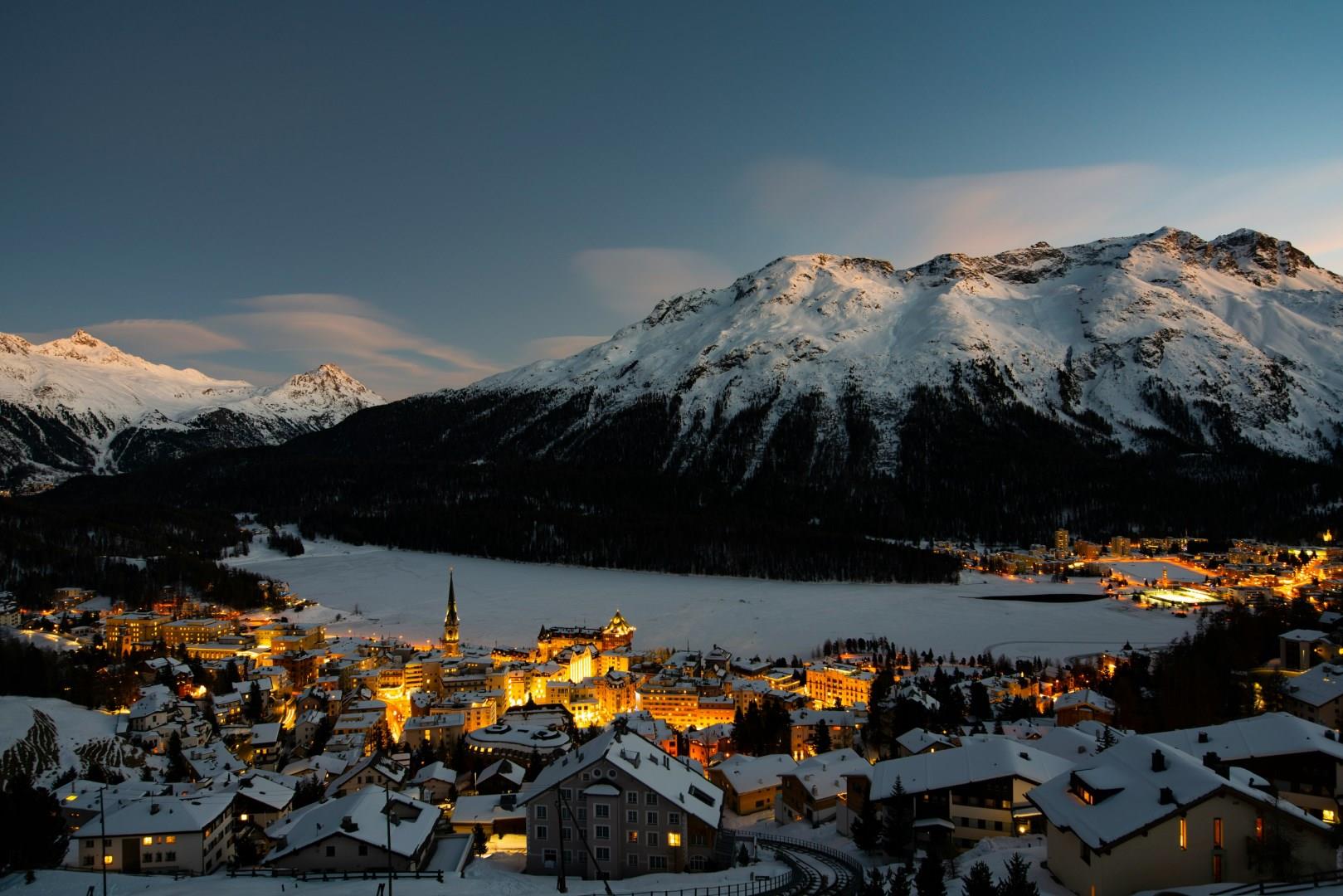
St. Moritz
St. Moritz, located in Switzerland’s Engadin Valley, has been attracting visitors for over 150 years, long before the term "alpine resort" became common. It was here in 1864 that winter tourism was born, when a hotelier made a wager with British guests that they would enjoy the snow just as much as the summer sun. They returned, and the rest is history. The town has since hosted the Winter Olympics twice (in 1928 and 1948) and remains a favorite for skiing, snowboarding, and ice sports.

Praslin Island
Praslin Island, the second-largest island in the Seychelles, is a tropical paradise renowned for its stunning natural beauty and serene atmosphere. With its lush landscapes and pristine beaches, Praslin offers an idyllic escape for those seeking relaxation and adventure.