Tel Aviv
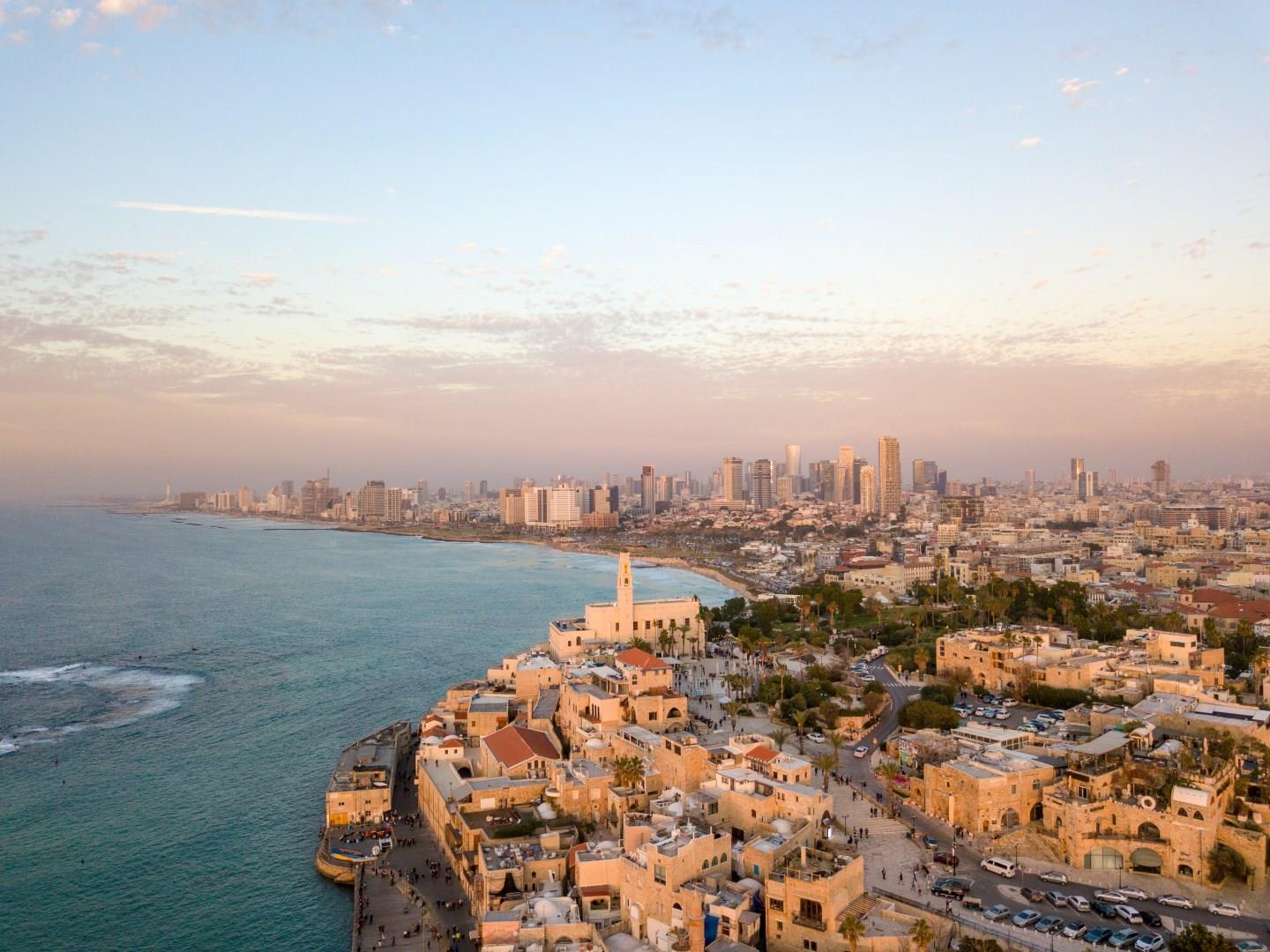
Tel Aviv began in 1909 as a new neighborhood beside the ancient port of Jaffa. The city is now home to the largest cluster of Bauhaus-style buildings in the world which earned UNESCO recognition for its early 20th-century urban planning. Visitors can explore those structures on guided architectural walks through streets like Rothschild or Dizengoff.
Eger
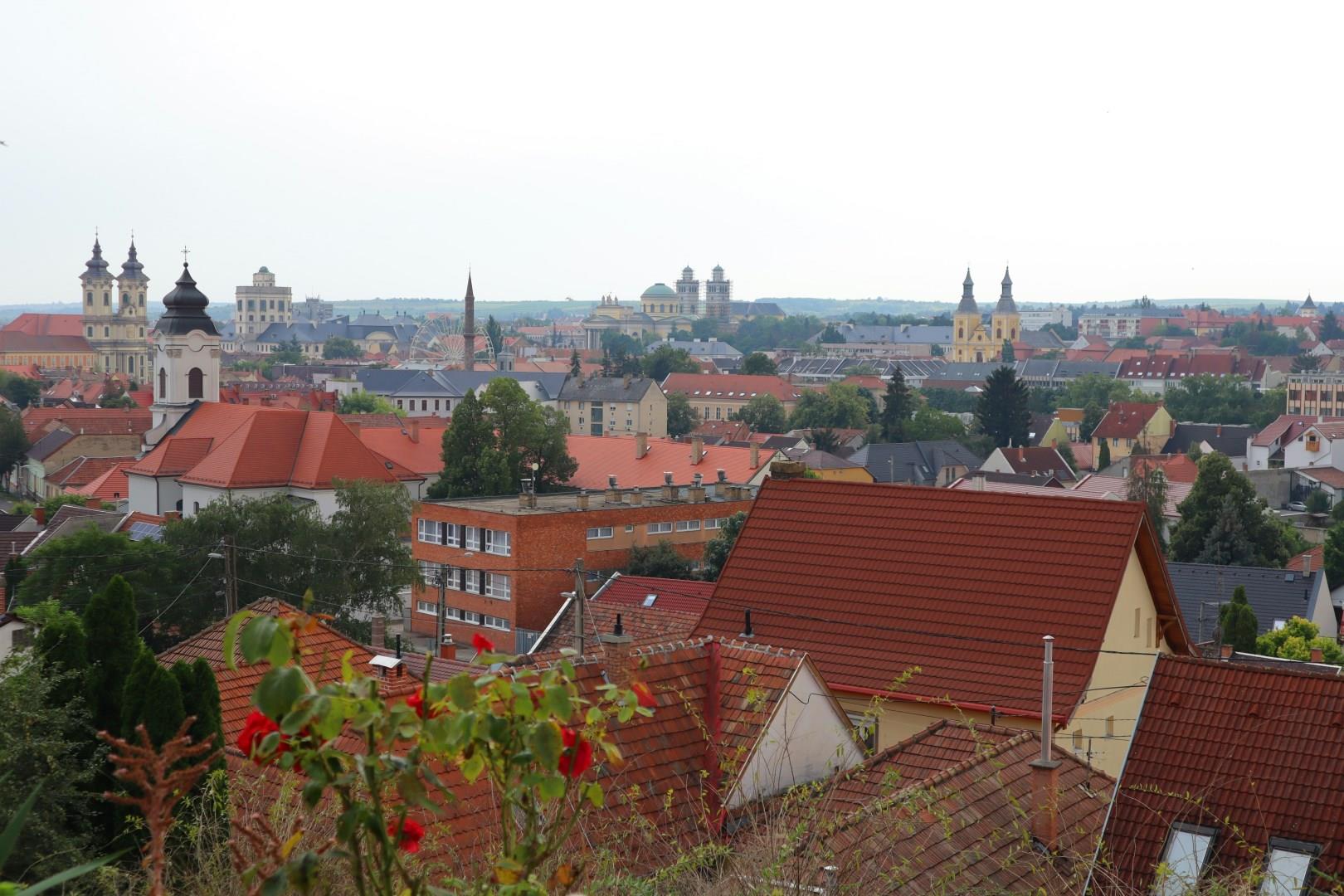
Eger sits in northern Hungary and is known for its well preserved Baroque center, historic castle and long tradition of wine and craft that draw visitors from across Europe. Just beyond the historic center, generations of winemakers have perfected local styles and offer tastings of local varieties. A casual afternoon here can feel like a gentle cellar crawl, with seasonal music or simple snacks adding to relaxed tastings under vine covered walkways.
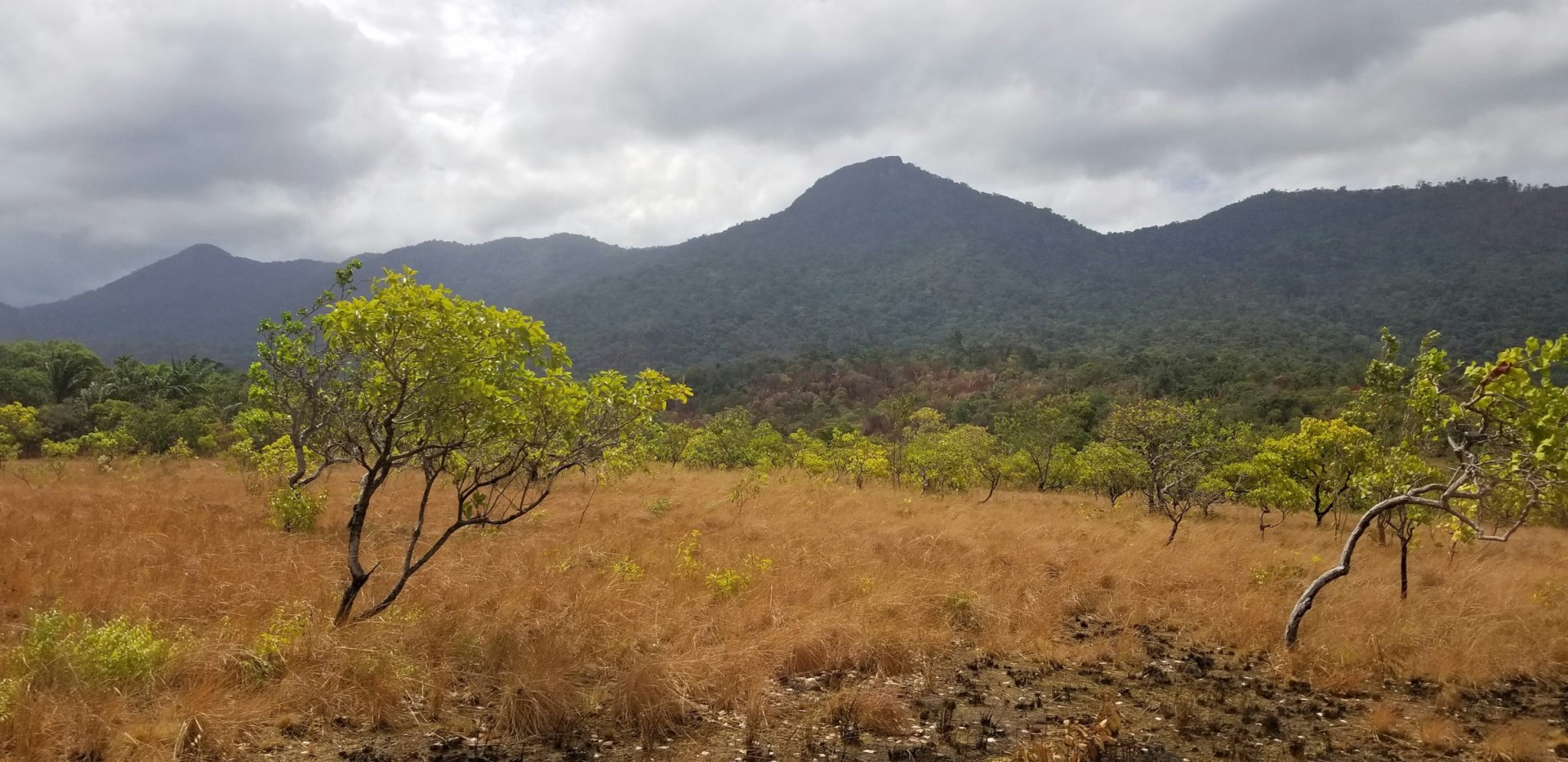
Guyana
Guyana, perched on South America’s northern coast, is often overlooked by mass tourism, but those who venture here quickly discover a country defined by its wild landscapes and strong cultural identity. As the only English-speaking country on the continent, it offers travelers a smoother entry into South America while maintaining a distinct Caribbean rhythm.
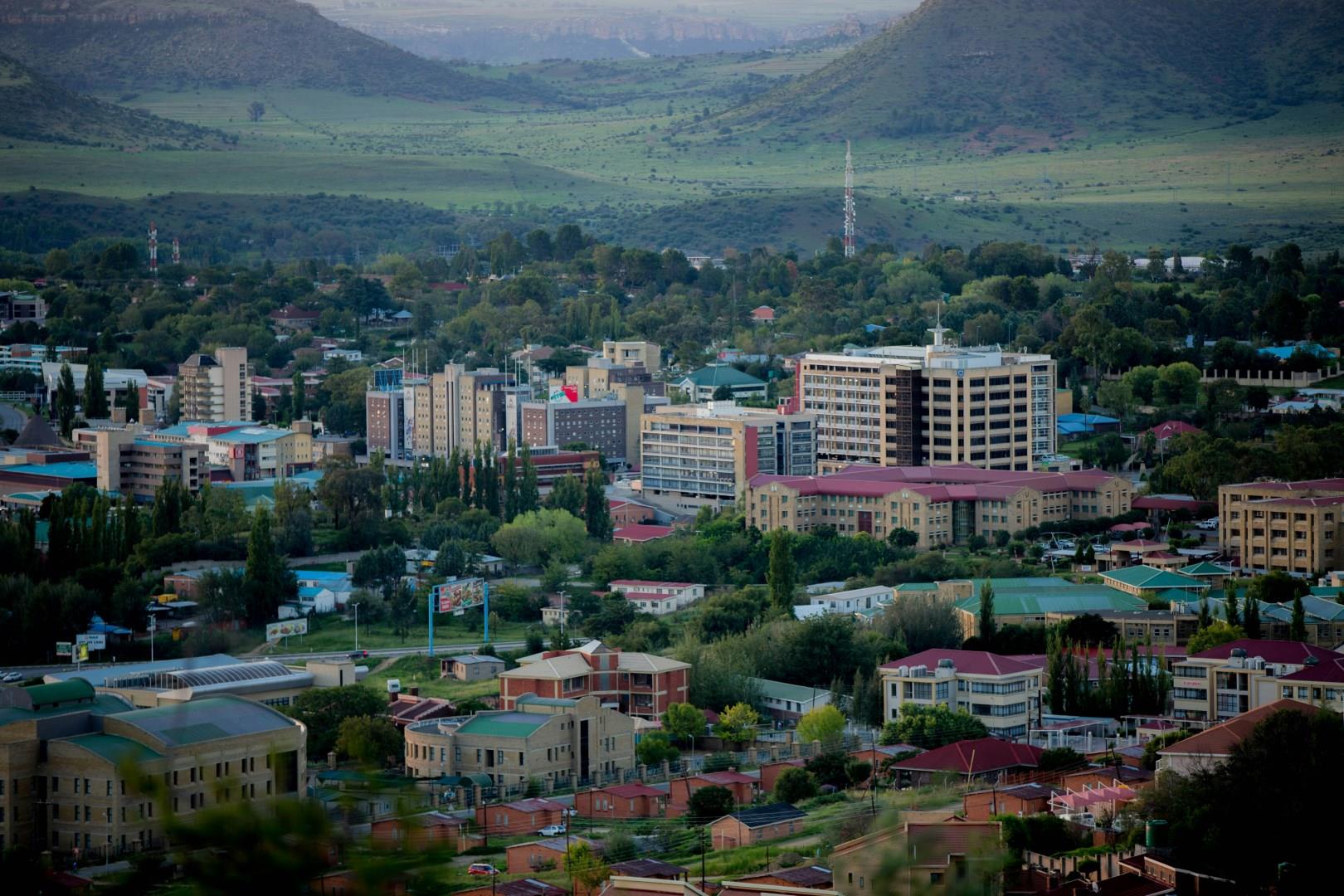
Maseru
Maseru, the capital of Lesotho, sits along the banks of the Caledon River near the border with South Africa. As the political and economic center of the country, it offers a mix of modern amenities, government offices, and bustling markets.
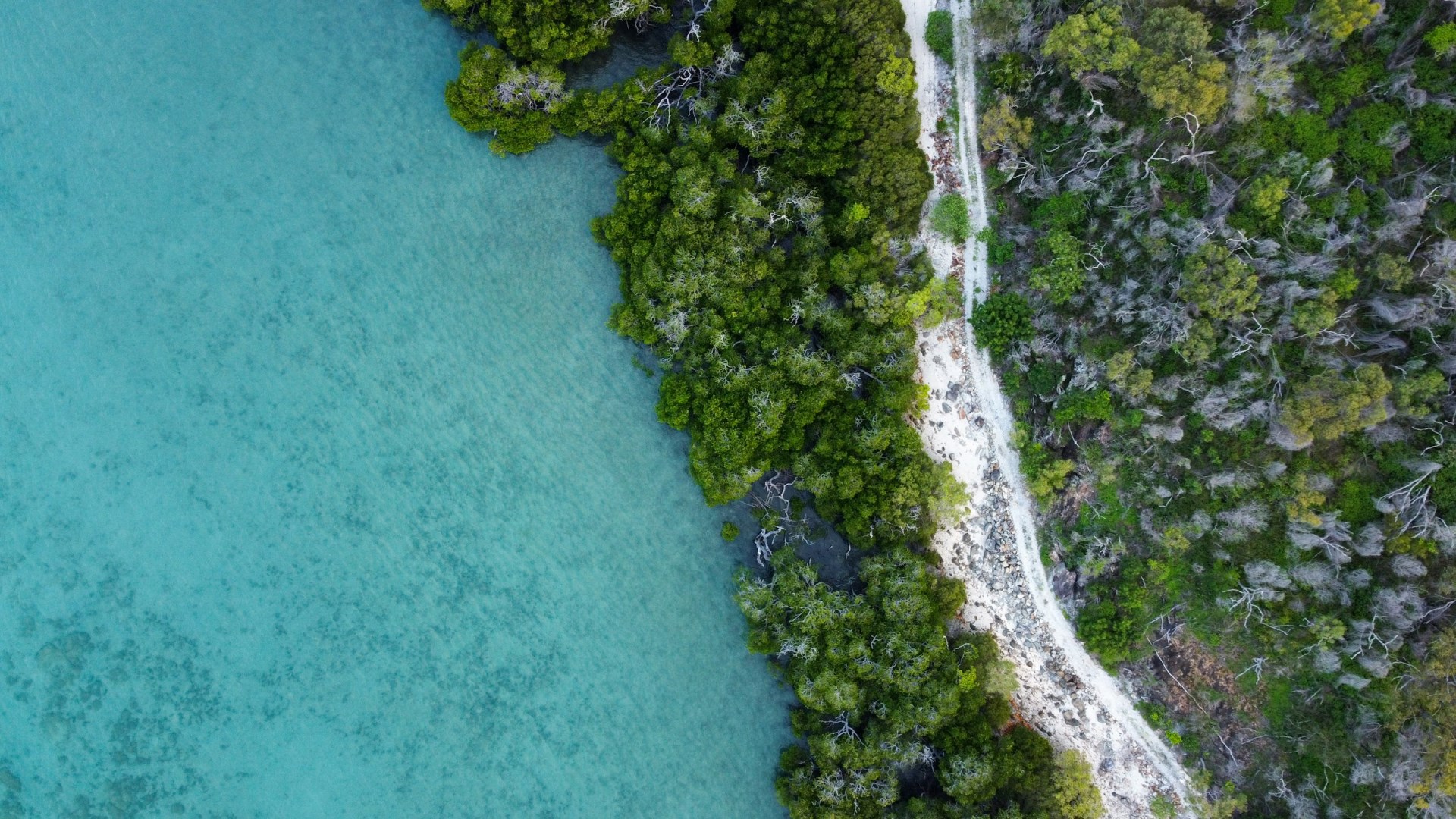
Orpheus Island
Orpheus Island is totally unspoilt and has its own National Park. Beautiful sunny beaches offer you total seclusion. You can also enjoy sailing, windsurfing, snorkeling and coral viewing. A choice of beach-front bures or studios, along with some of the fines food and wine selections in Australia, make Orpheus a great choice for your island stop over.