Tonto National Forest
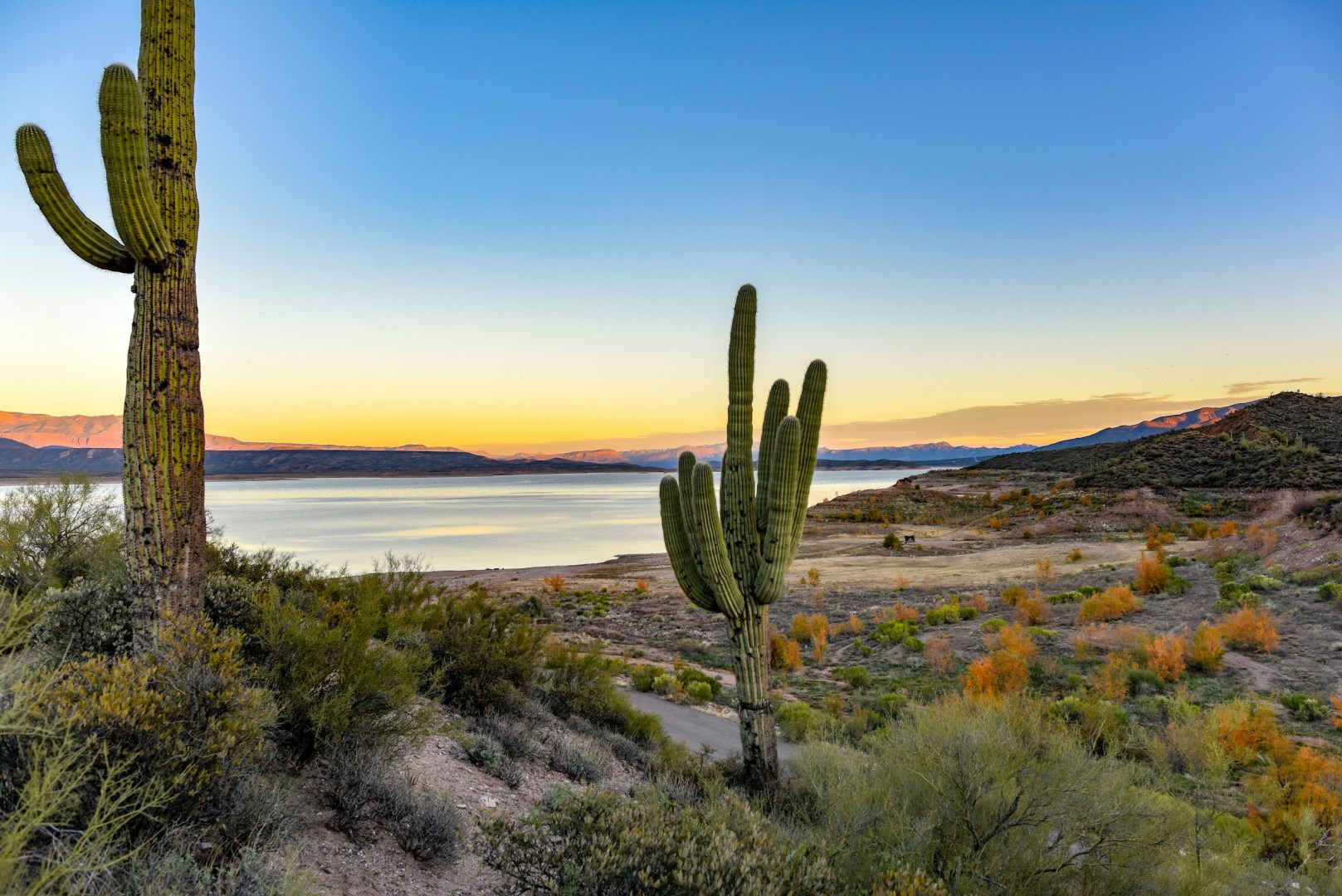
Tonto National Forest covers a large area of central Arizona, stretching across desert lowlands, rugged mountains, pine forests, and river corridors north and east of the Phoenix metropolitan area. Its varied elevation creates several distinct landscapes within one forest, from saguaro-filled Sonoran Desert to ponderosa pine country around the Mogollon Rim.

Regina
Regina, Saskatchewan’s capital, is a city with deep roots and wide-open skies. Originally established as a key stop on the Canadian Pacific Railway, Regina quickly grew into a political and cultural hub. Today, visitors can explore its past at the Royal Saskatchewan Museum, which features life-sized dinosaur exhibits and an extensive First Nations gallery.
San Nicolas
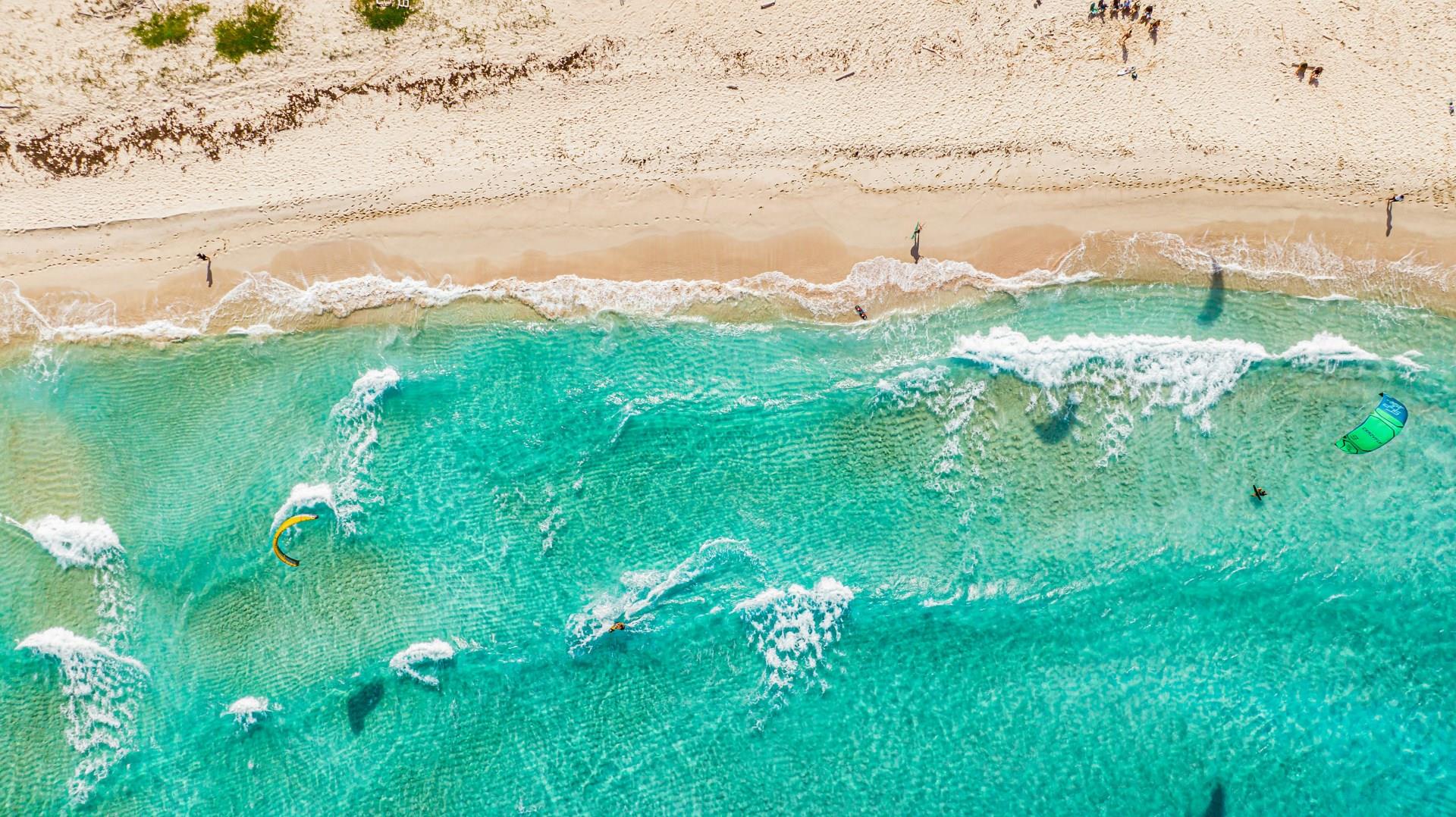
San Nicolas, known as Aruba’s “Sunrise City,” offers a completely different vibe from the island’s resort-heavy northwest coast. Located at the southeastern tip, this former oil refinery town has reinvented itself as the cultural heart of Aruba, filled with vibrant street art, local galleries, and a strong sense of community.
Zeeland
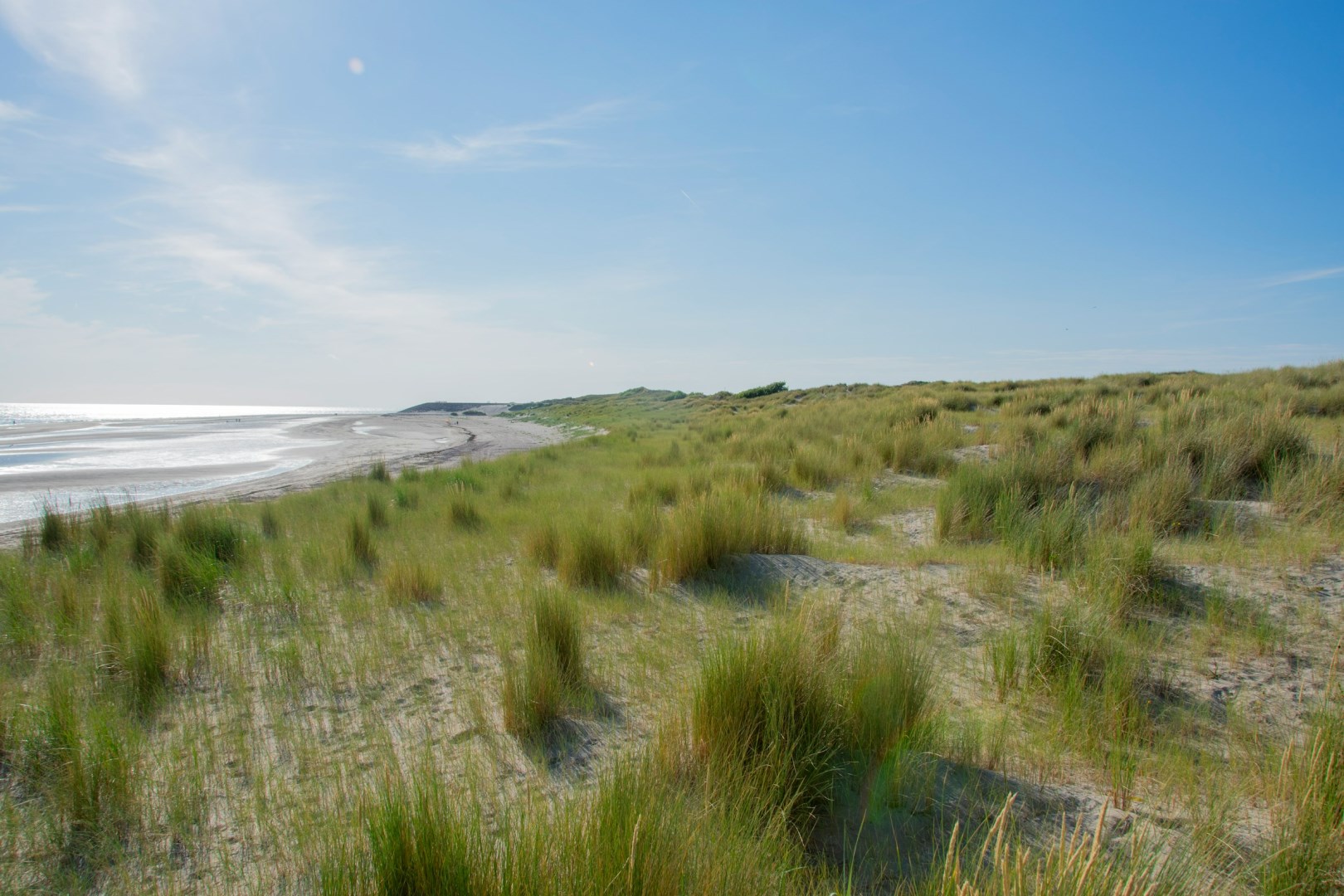
Zeeland is a southwestern province of the Netherlands shaped by its position between the North Sea and the Scheldt estuary. Much of the region consists of islands, peninsulas, polders, dikes, dunes, and tidal waterways, with towns such as Middelburg, Zierikzee, Veere, and Goes providing historic centers within the wider landscape. Zeeland has about 650 kilometers of coastline, and its relationship with water influences settlement, agriculture, transport, and daily life.

Lake Titicaca
Lake Titicaca, perched at over 3,800 meters above sea level, is the highest navigable lake in the world and a place where ancient stories still echo across the water. Shared by Bolivia and Peru, this lake has long been considered sacred by the Andean peoples. According to Inca legend, it was from Titicaca’s deep blue waters that the first humans were created. Today, the lake remains a center of cultural tradition, spiritual significance, and daily life for many who live along its shores.