Rønne
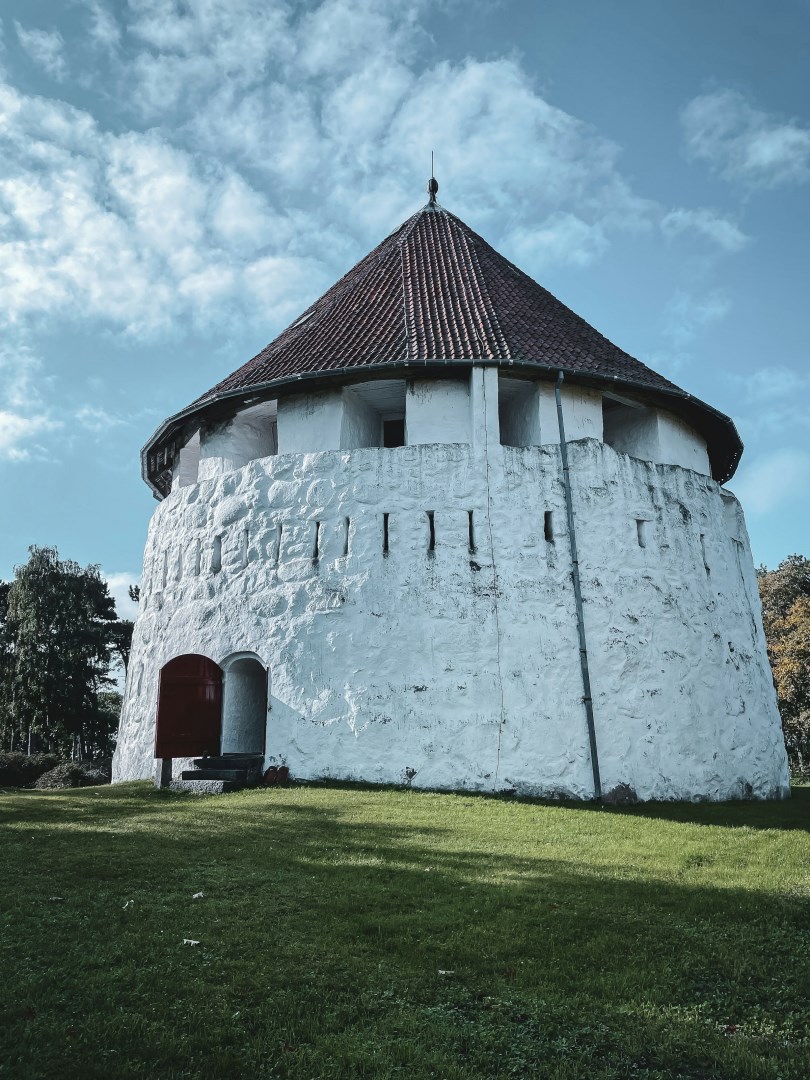
Rønne is the largest town on the Danish island of Bornholm, located on the island’s western coast along the Baltic Sea. Its historic center combines narrow streets, low timber-framed houses, and small squares with a working harbor that remains important to local transport and fishing. The town is also a practical starting point for exploring Bornholm, with roads and cycle routes connecting it to the island’s forests, cliffs, beaches, and villages.

Prince Edward Island
Located in the Gulf of St. Lawrence in southeastern Canada, Prince Edward Island has been nicknamed "The Garden of the Gulf." It was founded in 1534 by French Explorer Jacques Cartier and is primarily a fishing center and summer tourist destination.
Santa Maria
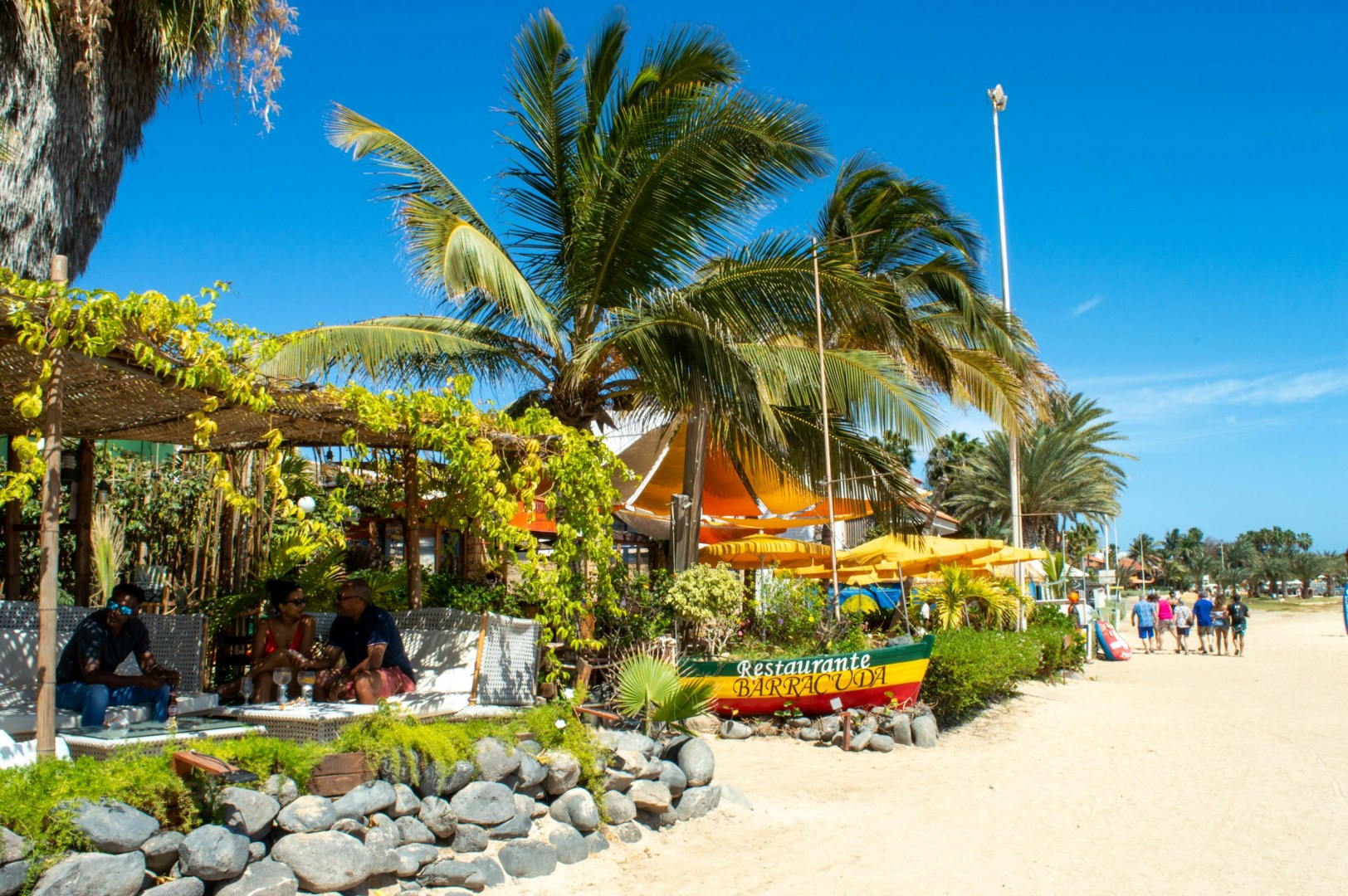
Santa Maria is the main coastal town on Sal, one of Cabo Verde’s eastern islands, and is closely connected with the island’s fishing and salt-producing heritage. The town developed beside a long sandy beach on the southern coast, with low buildings, narrow streets, small shops, restaurants, and a busy waterfront forming its center.
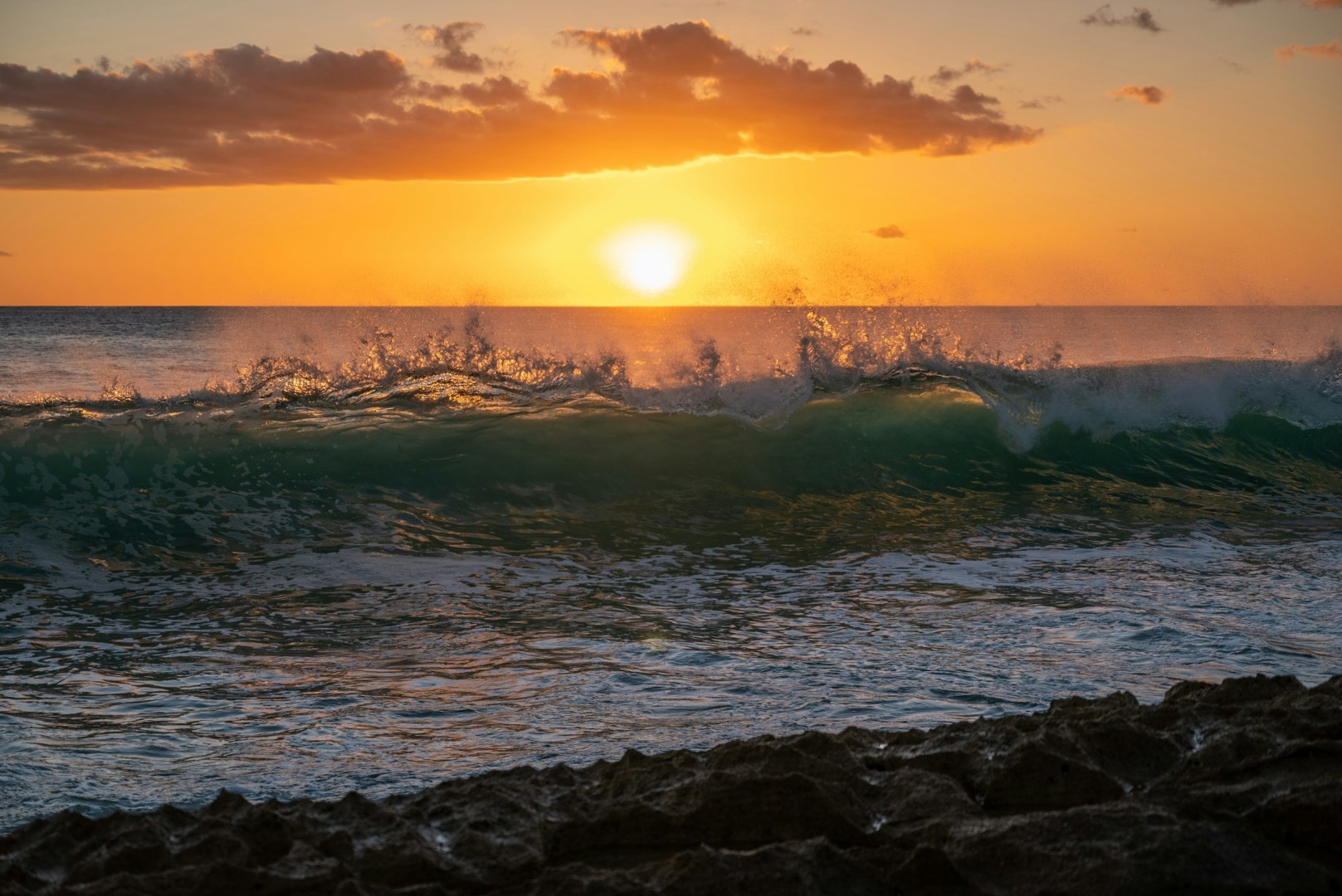
Kapolei, Hawaii
Kapolei, located on the western coast of Oahu, Hawaii, is a rapidly growing city often referred to as Oahu’s “Second City.” Designed as a planned community, Kapolei blends residential, commercial, and recreational areas, offering a more relaxed and family-friendly alternative to Honolulu. Its modern infrastructure, proximity to beaches, and cultural amenities make it an attractive destination for both residents and visitors.
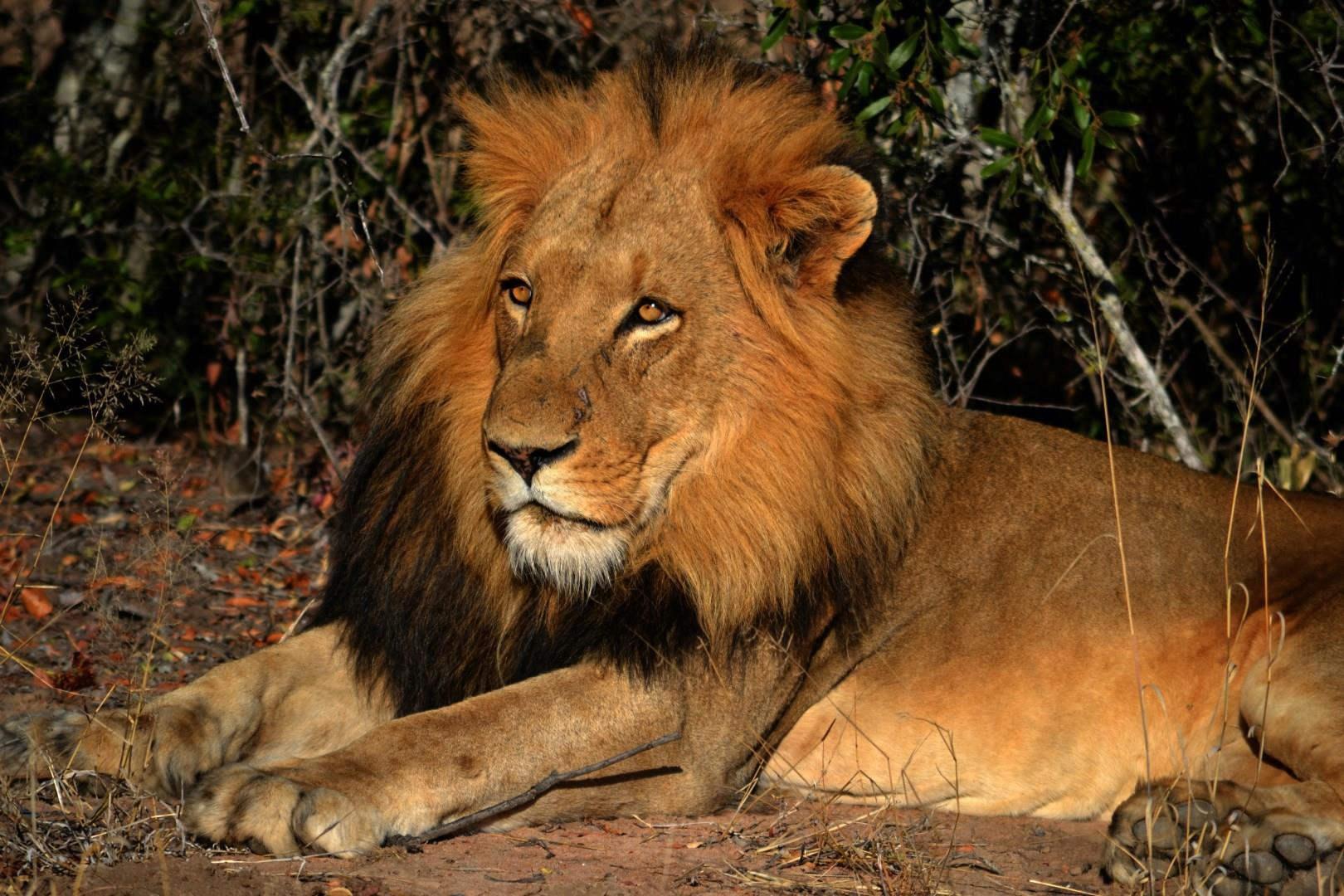
Kapama Private Game Reserve
Kapama Private Game Reserve is a vast wildlife sanctuary located in South Africa’s Limpopo province, bordering the greater Kruger region. Spanning more than 13,000 hectares, the reserve plays an important role in conservation while offering visitors an immersive experience in one of Africa’s most celebrated ecosystems.