From the Caribbean Sea on one side to the Pacific Ocean on the other, Central America is home to lush rainforests, volcanic peaks, and vibrant coastal towns.
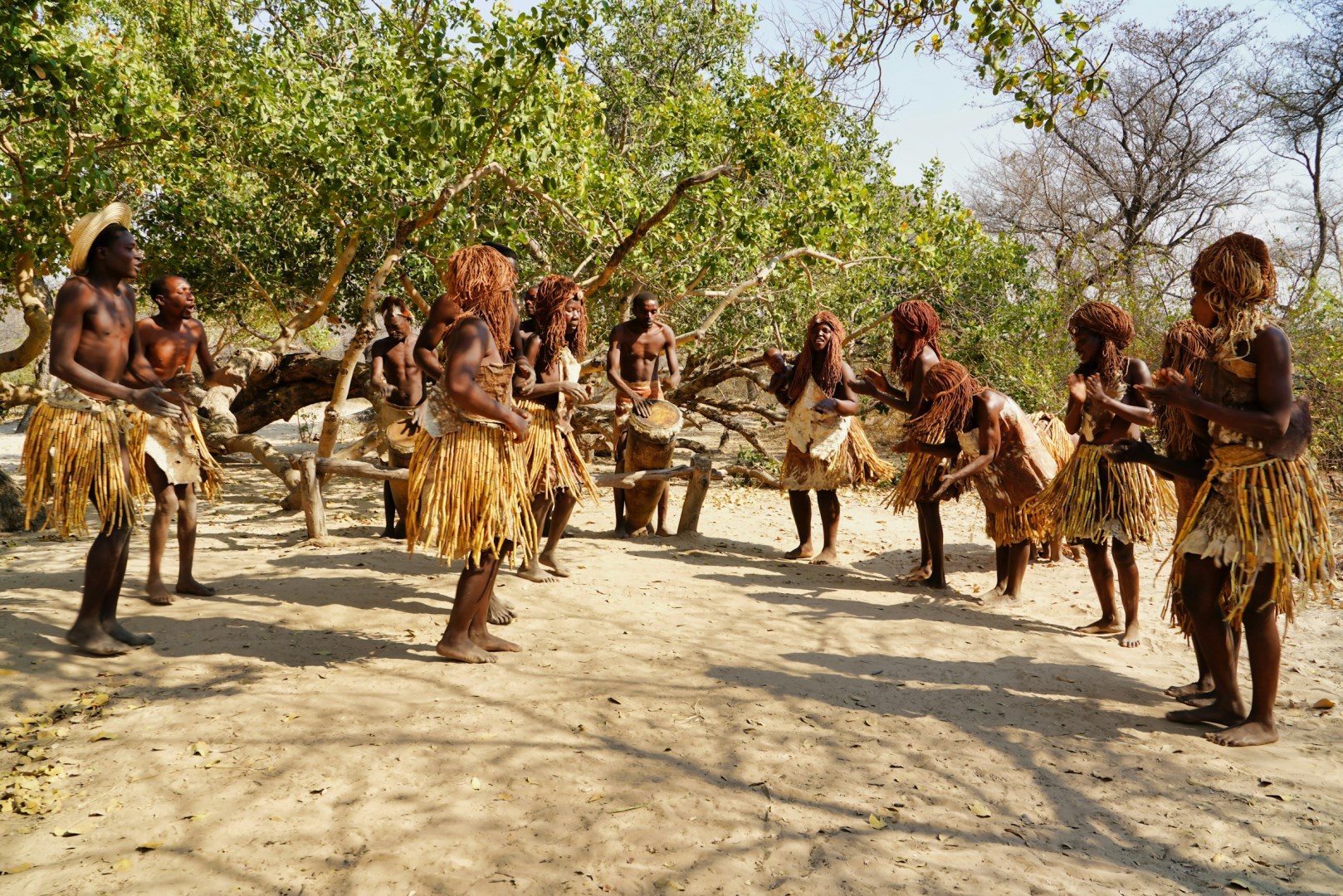
Rundu is the capital of Namibia’s Kavango East Region and a major town on the southern bank of the Kavango River, opposite Angola. Unlike much of Namibia’s dry interior, the area around Rundu is shaped by a permanent river, wooded floodplains, and fertile land used for small-scale agriculture.

The Netherlands offers travelers a landscape where innovation and tradition intersect. In cities like Amsterdam, visitors can explore centuries-old canal networks and Golden Age architecture while also encountering contemporary art installations and sustainable urban design. The Rijksmuseum houses masterpieces by Rembrandt and Vermeer, while a short walk away, the Van Gogh Museum brings visitors closer to one of history’s most studied painters.
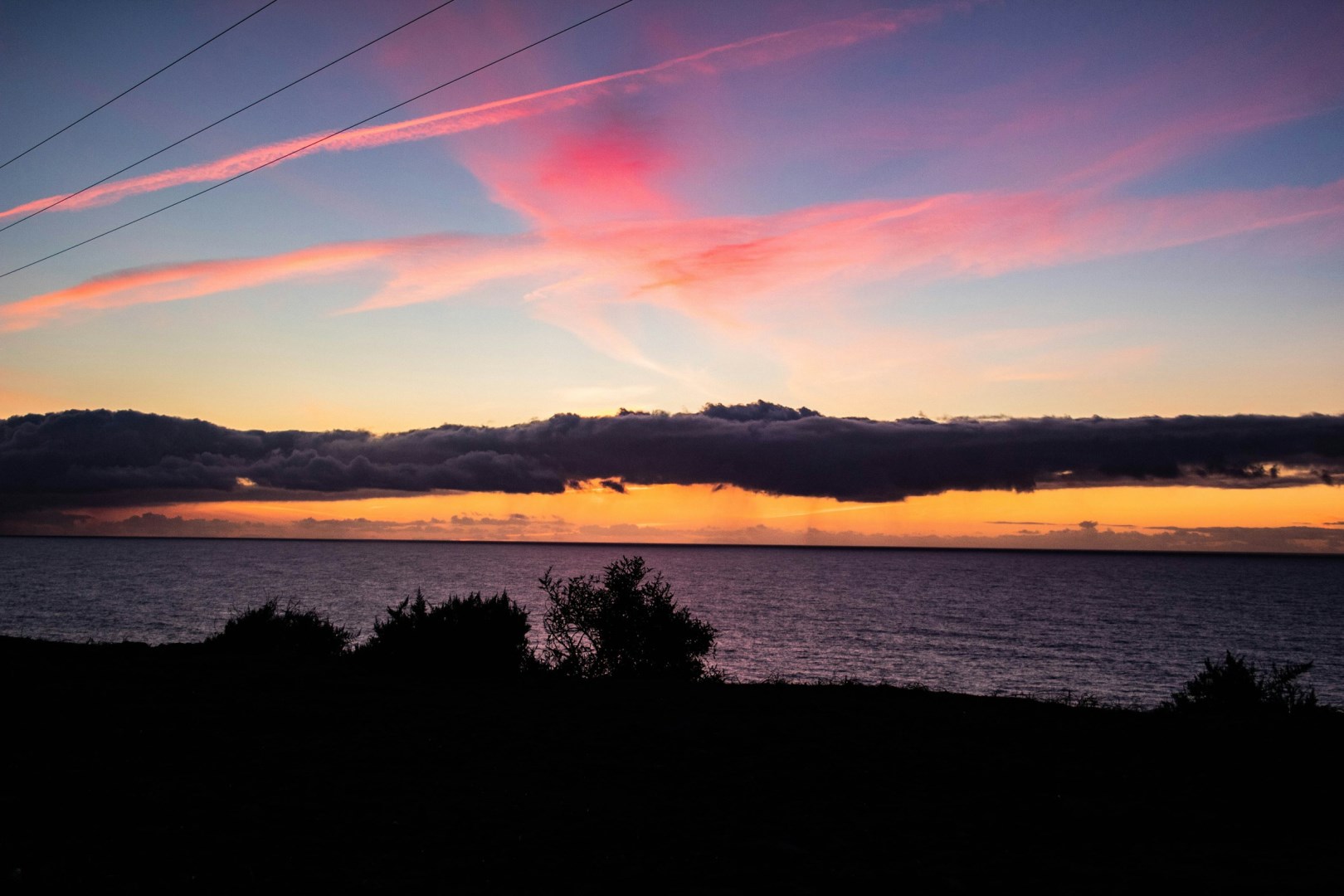
Safi is an Atlantic coastal city known for its pottery, historic fortifications, and strong connection to the sea. Located between Casablanca and Essaouira, it has long been an important port and fishing center. The city is especially recognized for its ceramics, with workshops and shops concentrated around the Potters’ Hill. Its position beside the Atlantic also gives Safi a strong maritime identity, seen in its fishing activity, working harbor, and surf beaches.
Vilnius, the charming capital of Lithuania, is a city where historical grandeur meets vibrant modernity. The heart of Vilnius is its UNESCO-listed Old Town, one of the largest and most well-preserved medieval city centers in Europe. Wander through its cobblestone streets and admire the stunning Baroque architecture.
Photo Credit: Photo by Carter Obasohan on Unsplash
Photo Credit: Photo by Mircea Muntean on Unsplash
Photo Credit: Photo by martin bennie on Unsplash
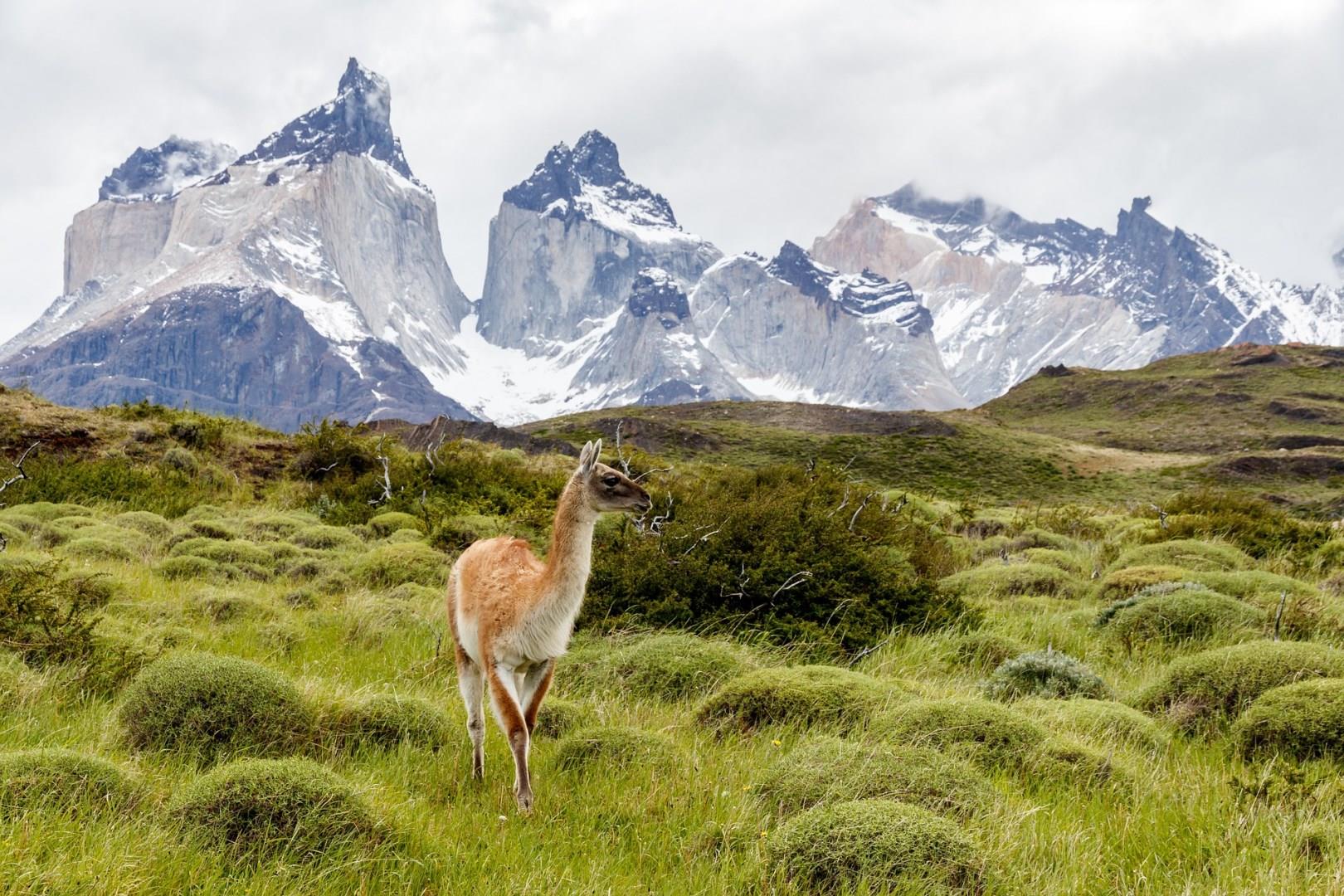
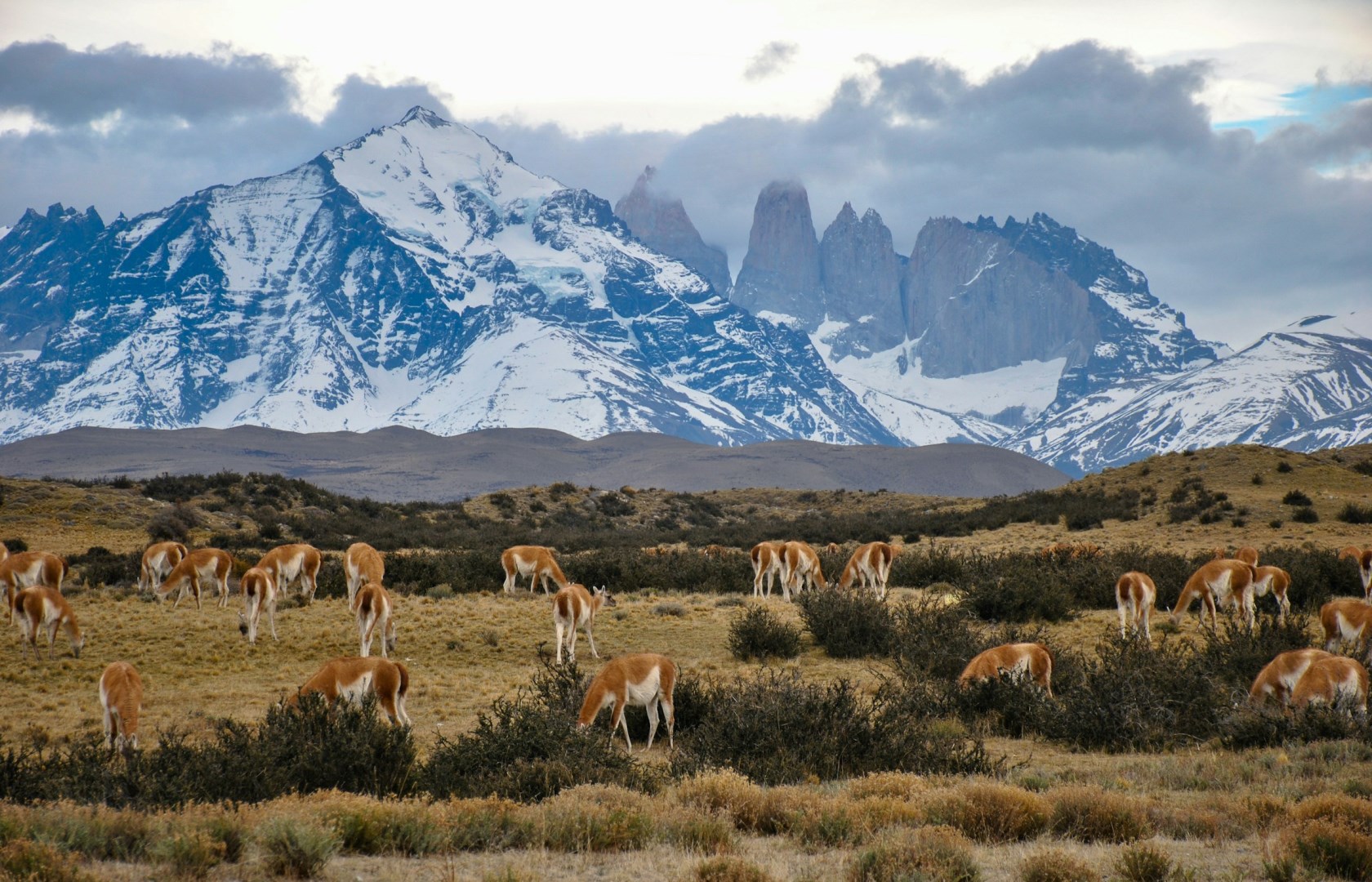
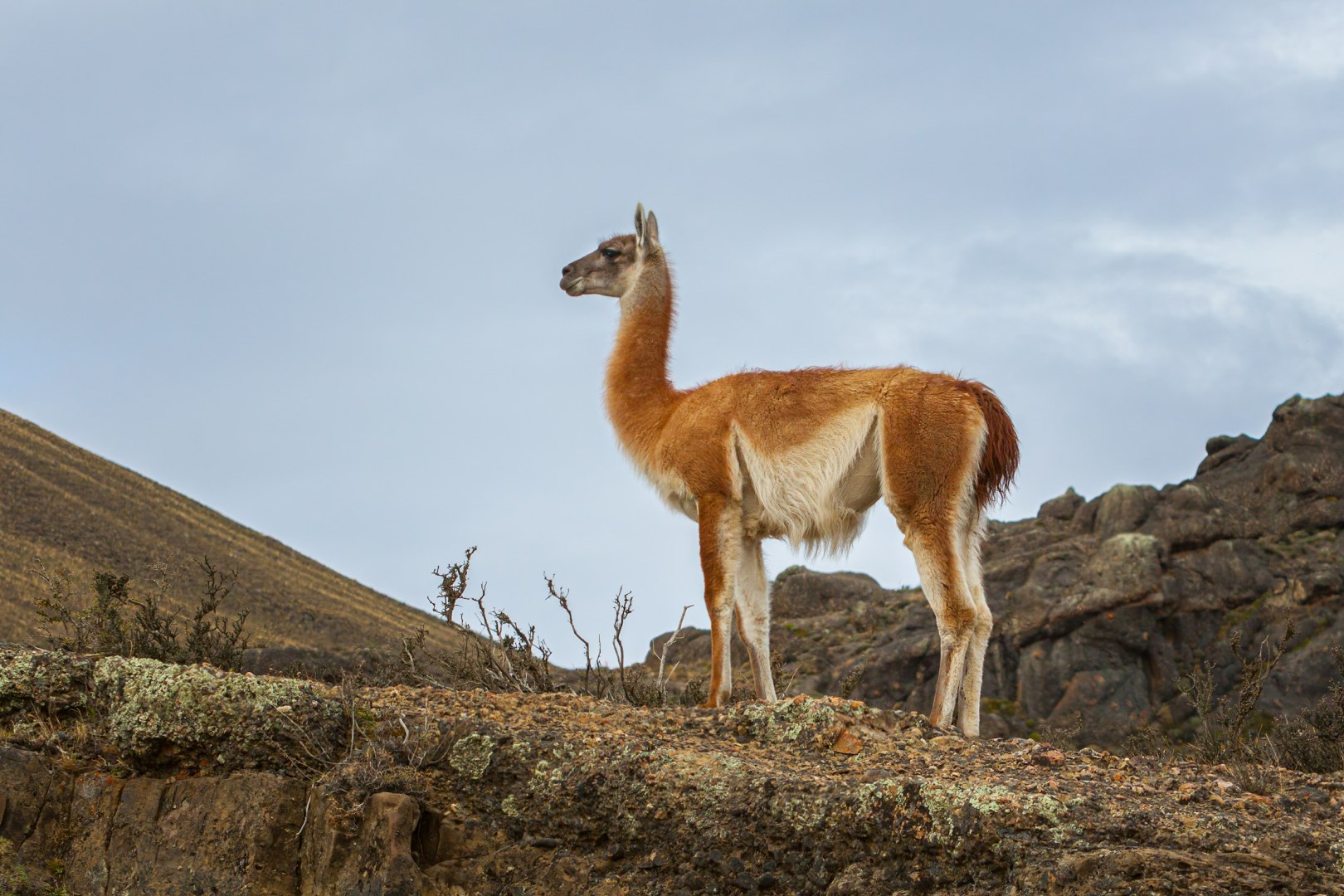
Guanacos
Photo Credit: Photo by Alex Wolowiecki on Unsplash
Photo Credit: Photo by Torres del Paine Arcoíris on Unsplash
Photo Credit: Photo by Baptiste Azais on Unsplash
Guanaco
Photo Credit: Photo by Chris Stenger on Unsplash
Photo Credit: Photo by Carter Obasohan on Unsplash
Photo Credit: Photo by Akshay Nanavati on Unsplash
Photo Credit: Photo by Milan Malfait on Unsplash
Photo Credit: Photo by Simone Dinoia on Unsplash
Photo Credit: Photo by Karla Robinson on Unsplash
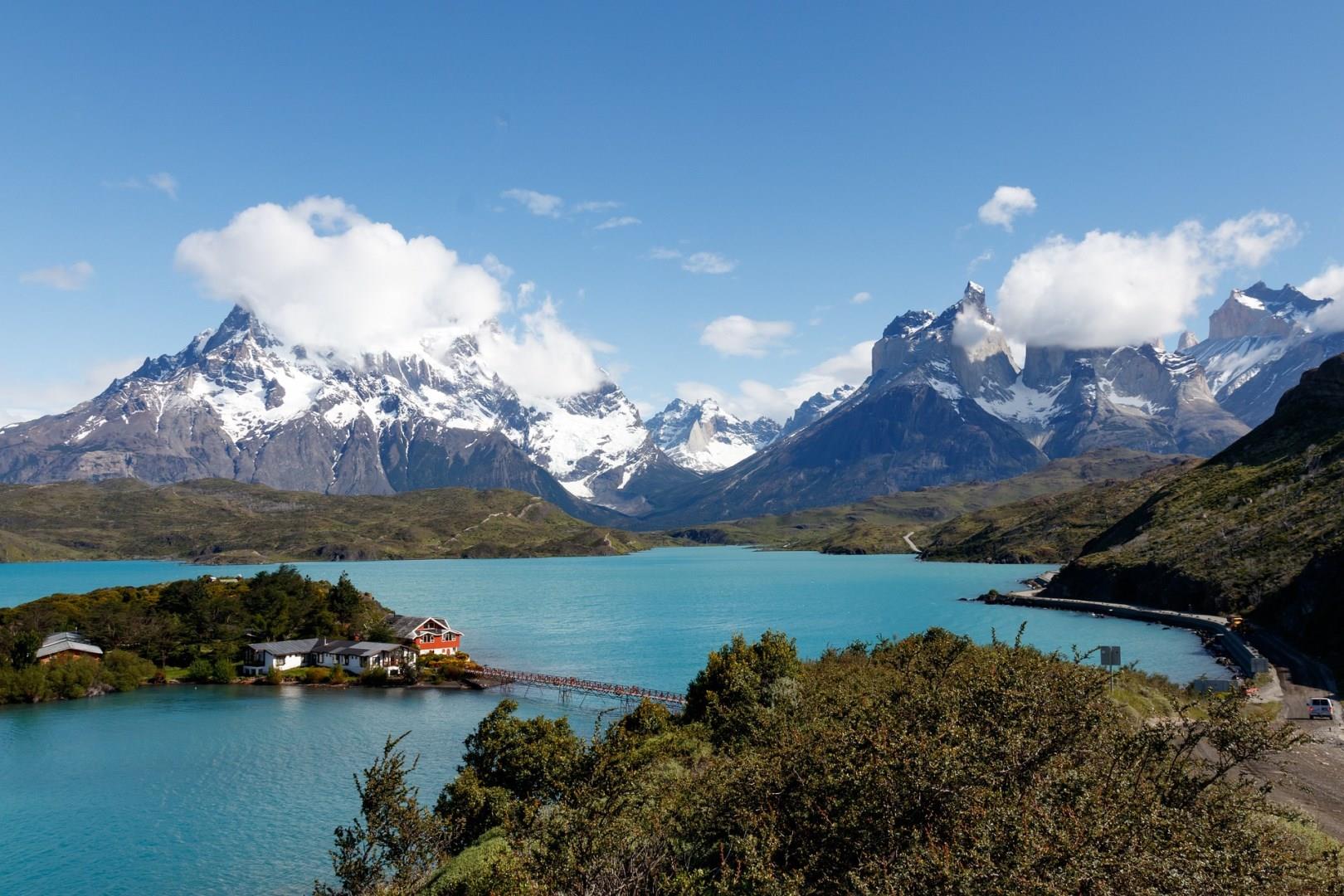
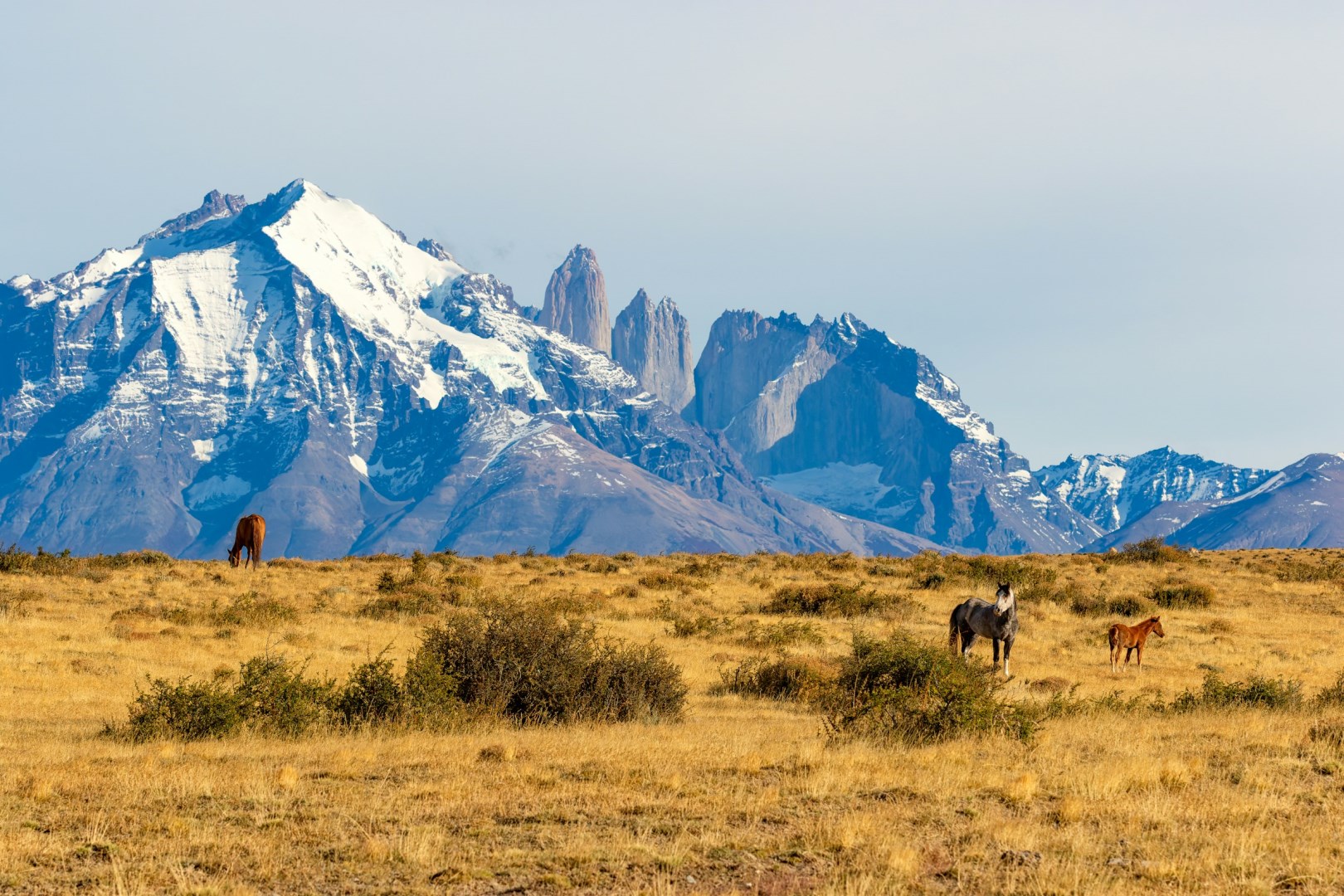
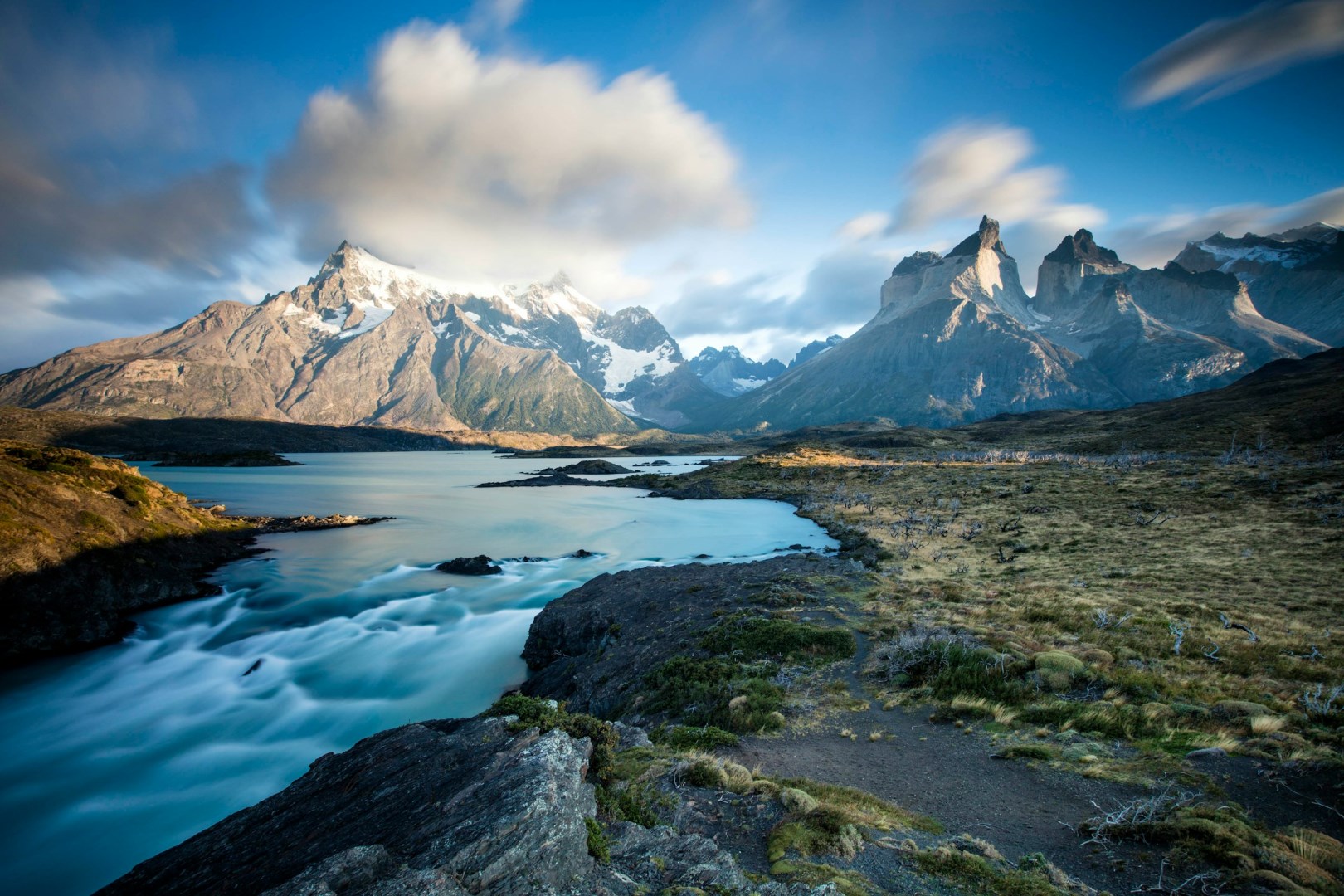
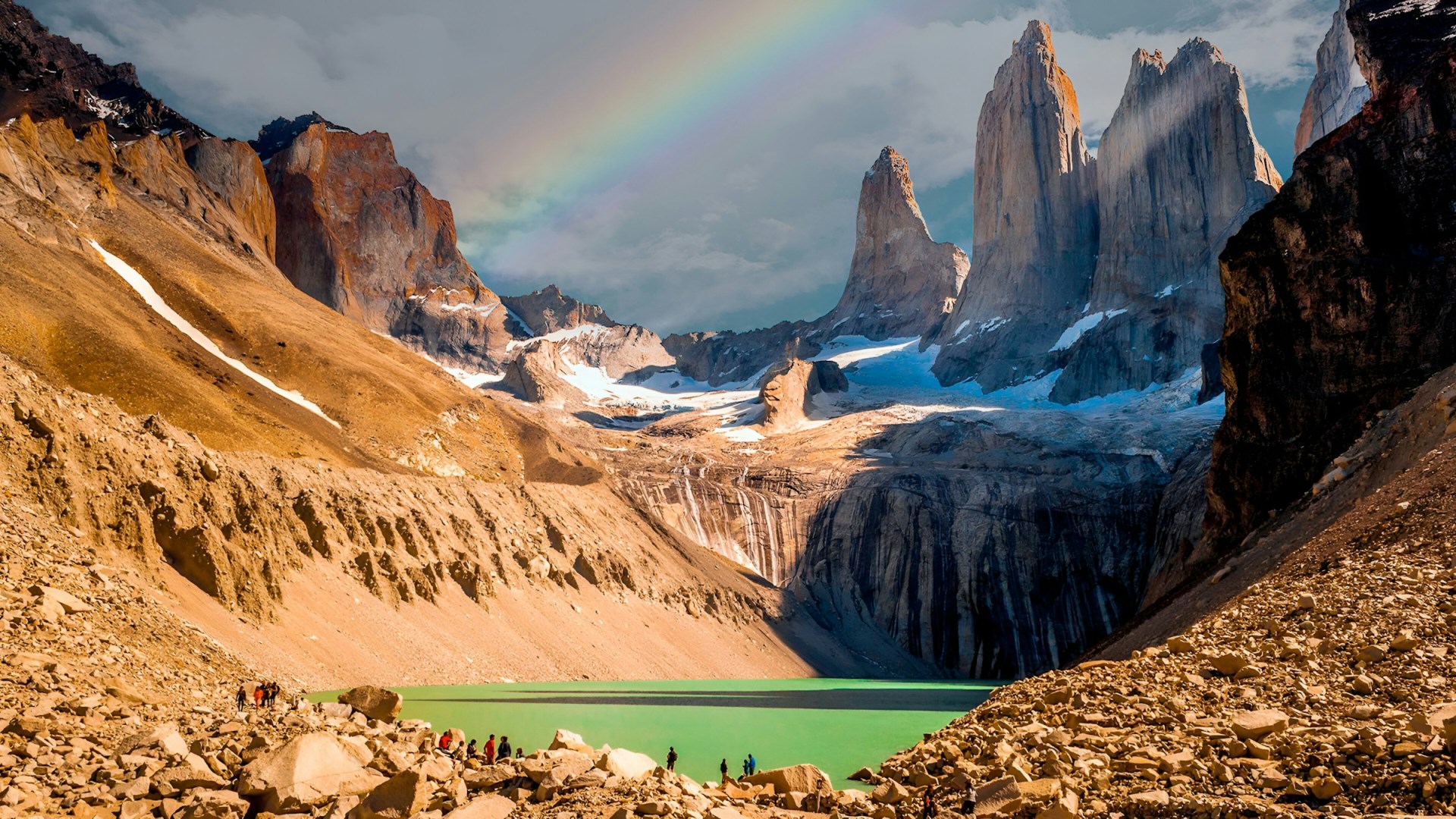
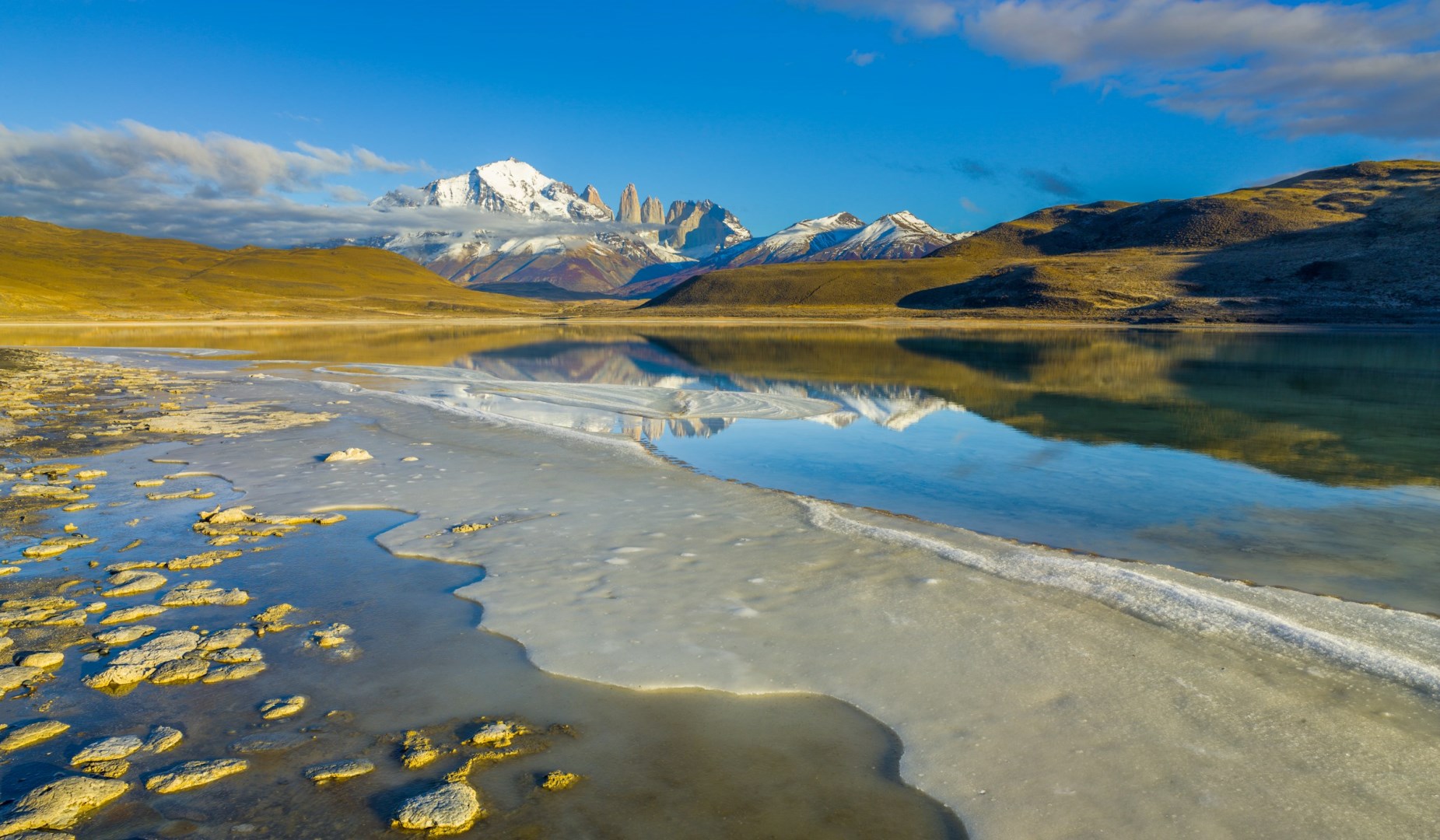
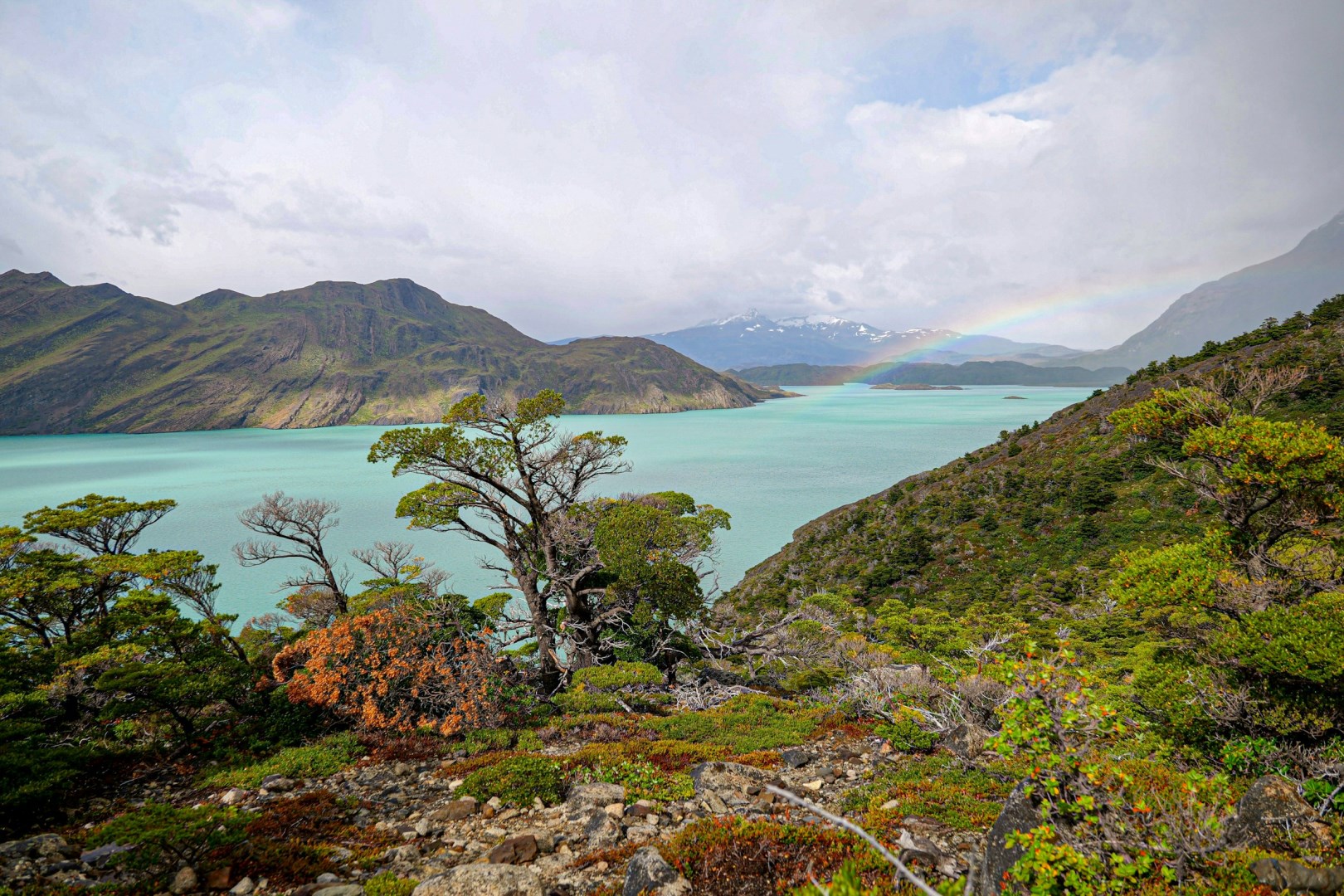
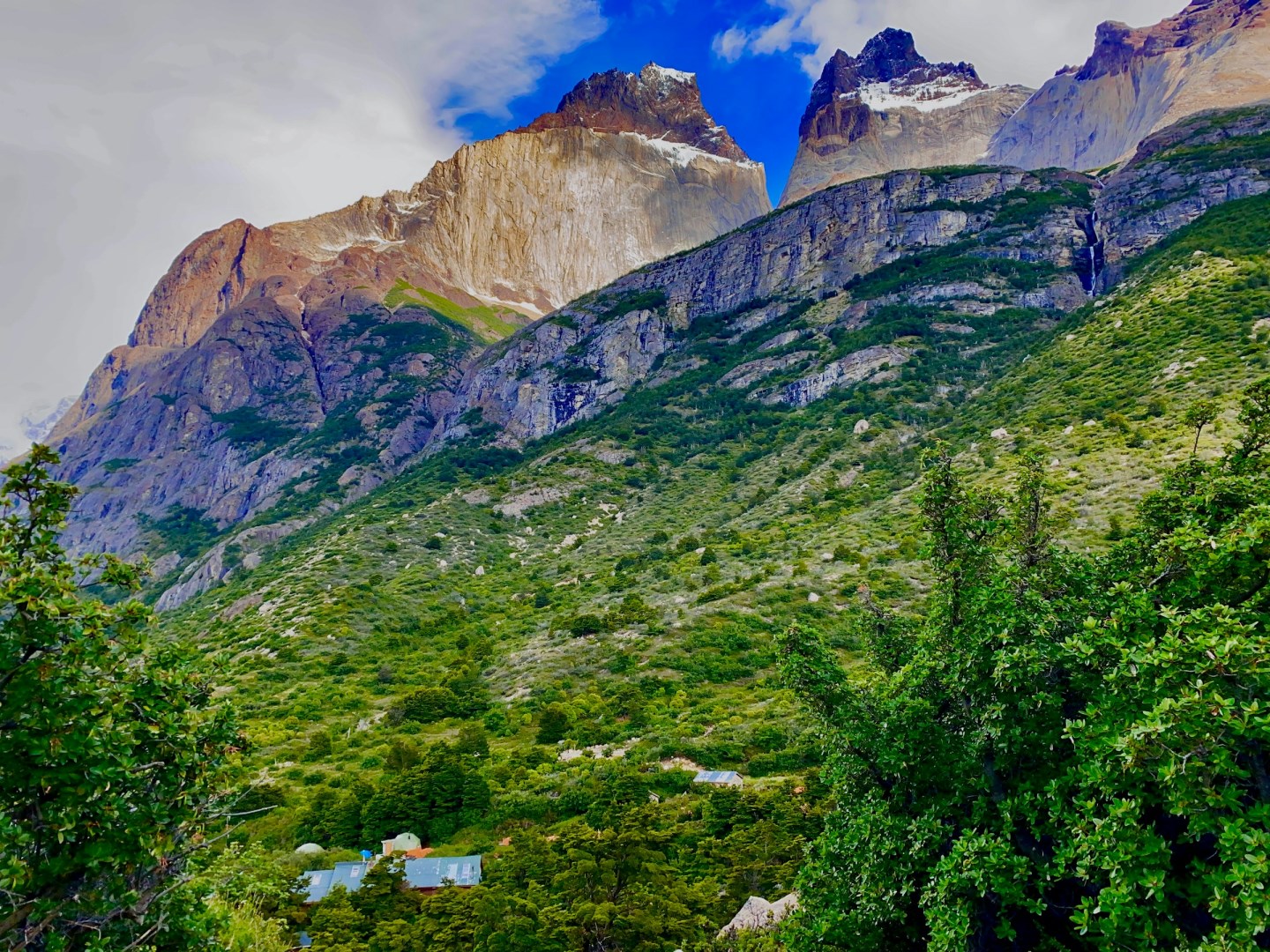
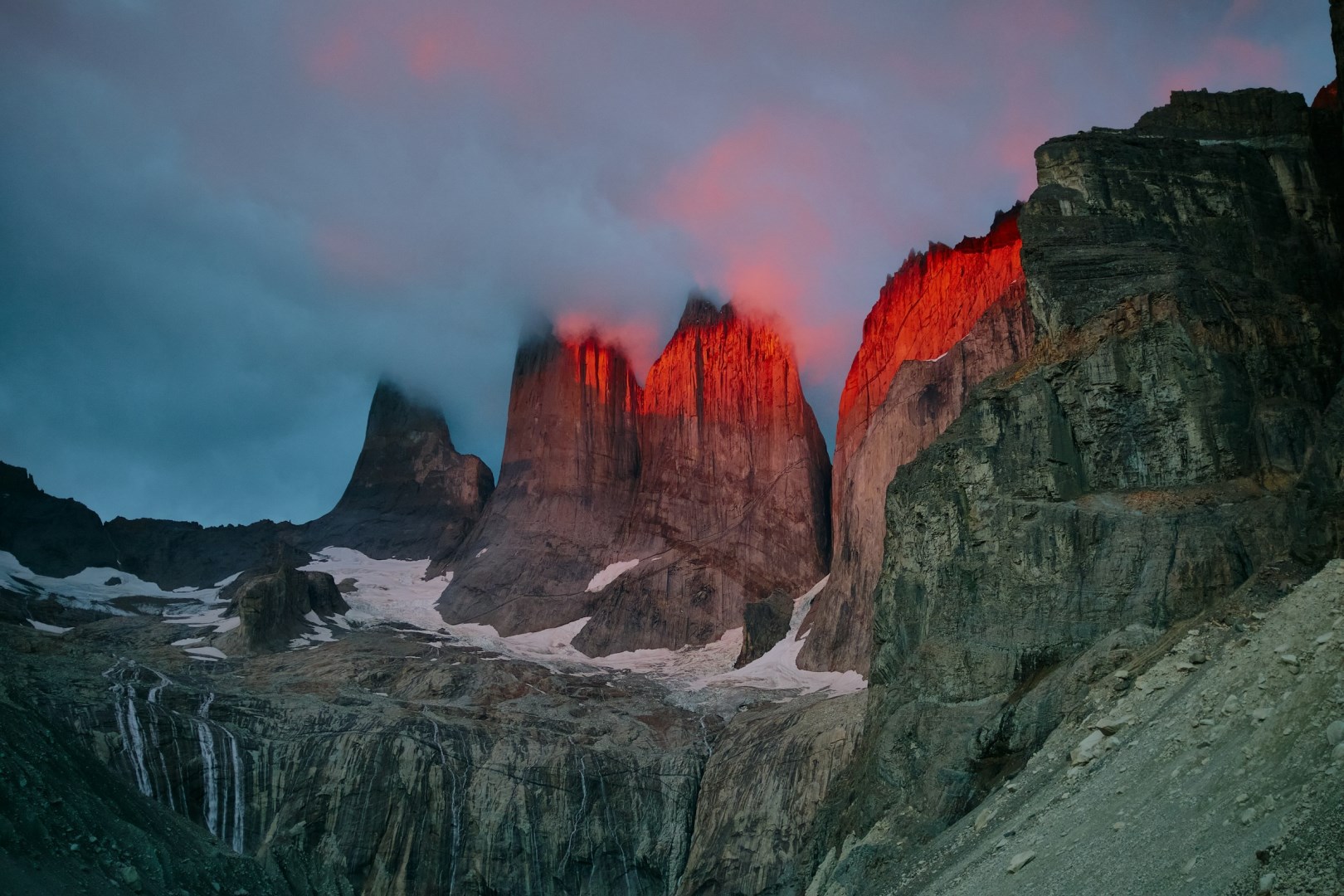
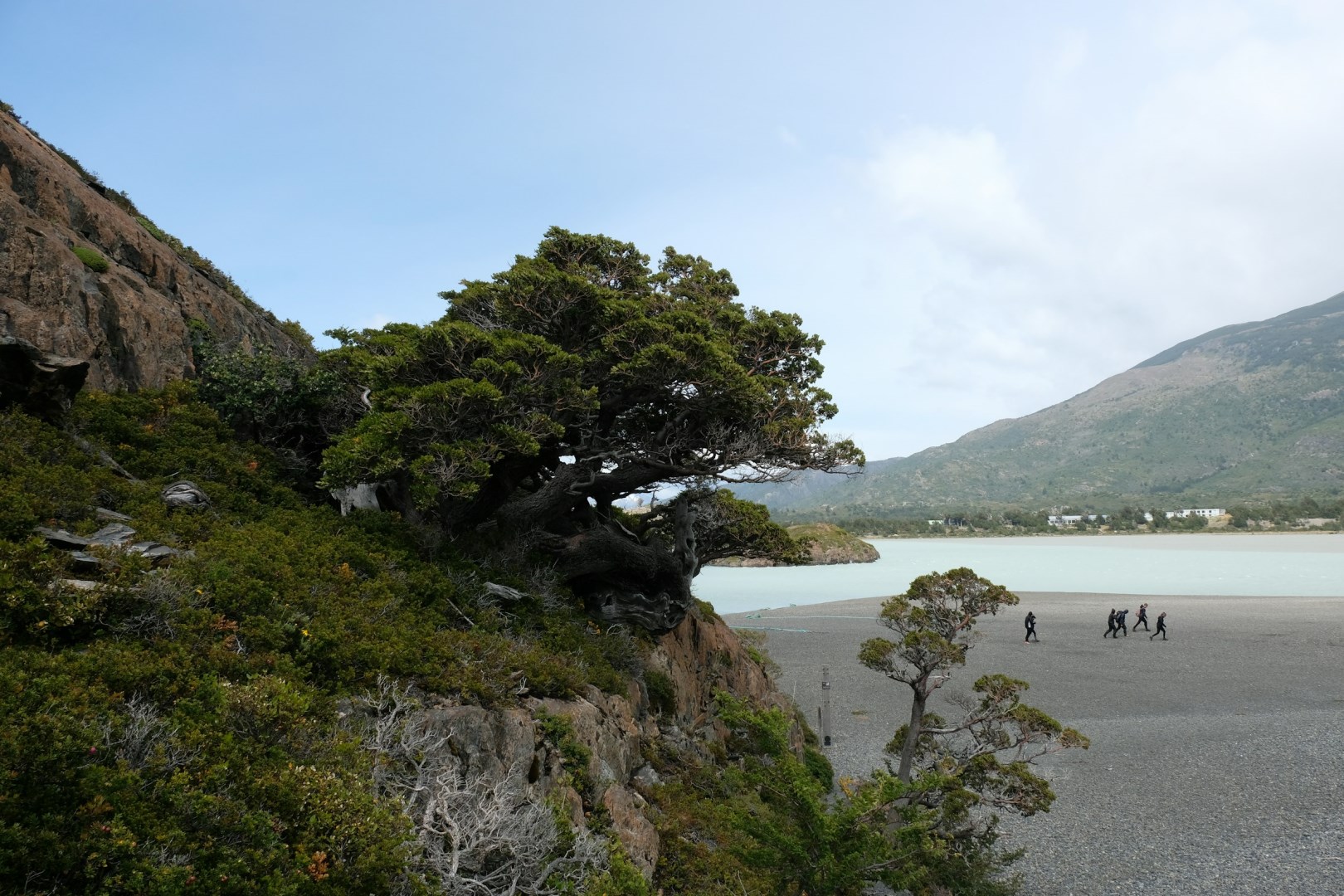
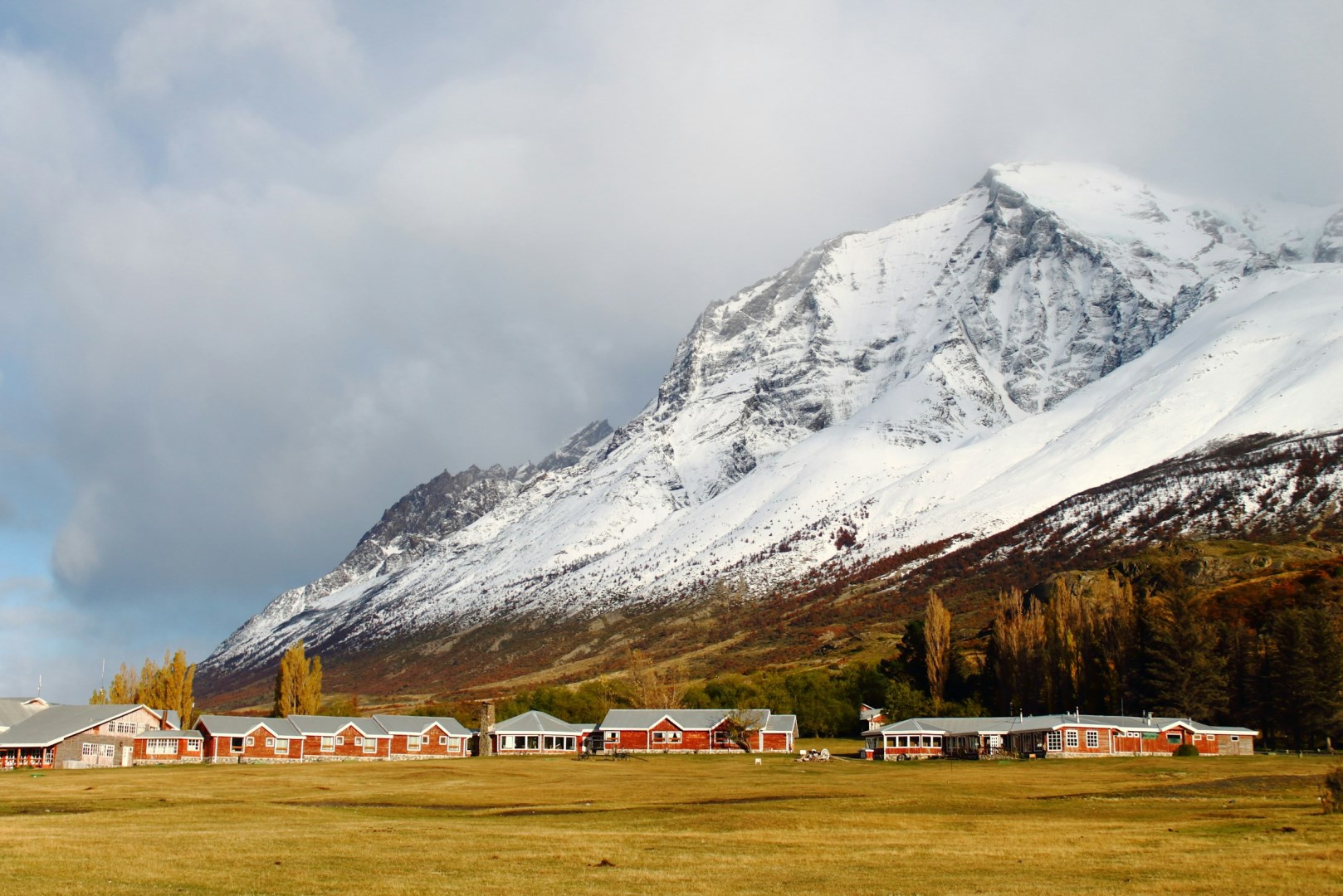
This is a wild and beautiful area unlike anywhere else in the world. Torres del Paine lies between the central spine of the Andes, nearly buried under a massive ice cap and the steppes of Southern Patagonia. The mountains that comprise Paine Massif are not high for the Andes, but they are precipitous. What makes individual mountains so dramatic is that from most places in the park entire peaks can be seen-from base to summit-and they appear to leap into the clouds from the floor of the valley. With its 450,000 acres, Torres del Paine truly is a world-class park because of its completeness, having every feature one could hope for in a temperate zone park. It has, like all truly great parks, that indefinable element in its character to which visitors respond.
Other Popular Destinations in Argentina
Buenos Aires
Buenos Aires, the vibrant political and cultural capital of Argentina, has become an enticing destination for many travelers and a must-see destination in South America. Founded in the sixteenth century by Spanish explorers, Buenos Aires has since developed its own unique flair.
Ushuaia
Are you ready to go to the End of the World? Stunning views of snow-capped mountain peaks await you in Ushuaia, located on the southernmost tip of South America. This small coastal town sits between the Martial Mountains and the Beagle Channel and is a popular embarkation point for Antarctic cruises. Visit some of Ushuaia's popular attractions, including Les Éclaireurs Lighthouse, Tierra del Fuego National Park, Lapataia Bay, and the Museo del Fin del Mundo.