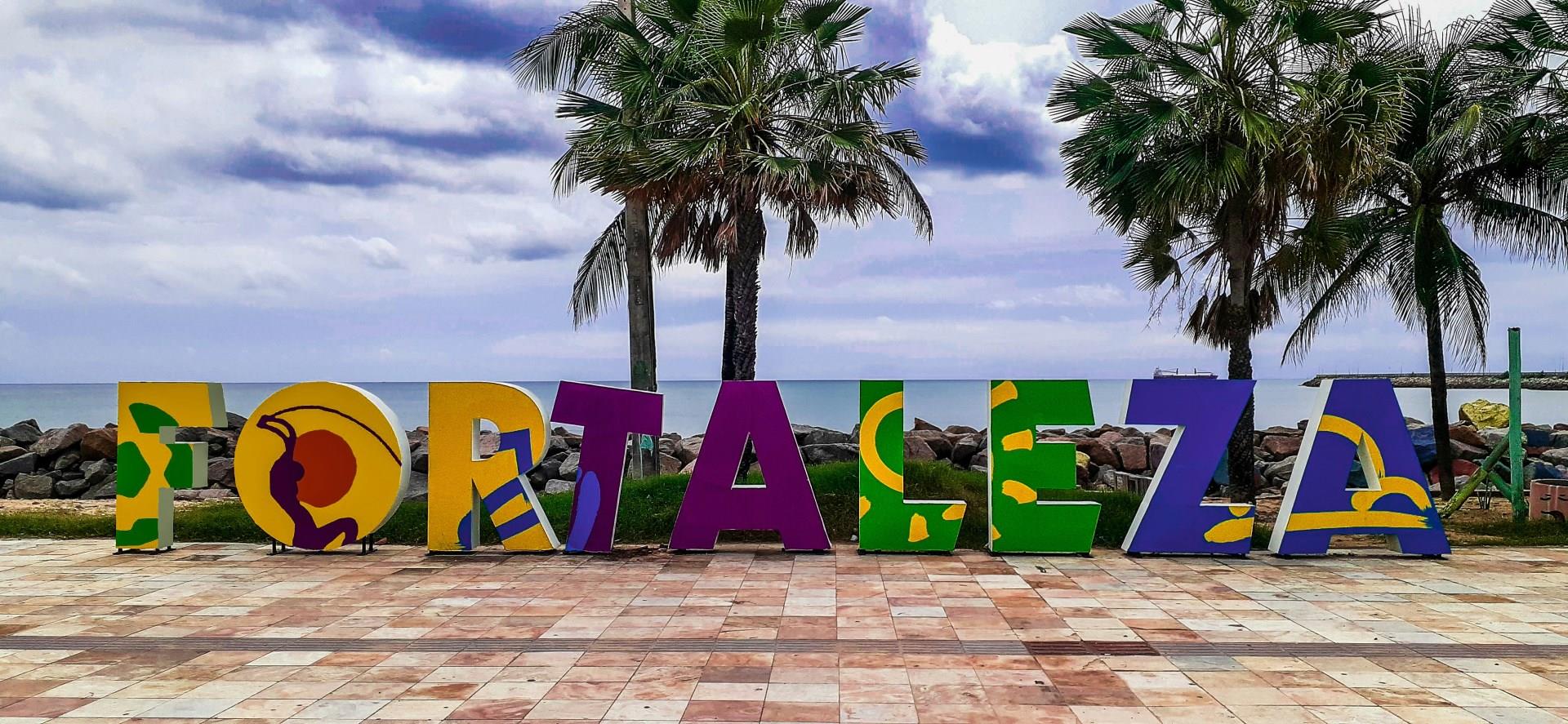
Fortaleza, on Brazil’s northeastern Atlantic coast, greets visitors with wide sandy beaches that stretch for miles along warm, blue water. Beyond the city’s shoreline, dramatic dunes and inviting waters make Fortaleza an ideal base for exploring nearby beach towns like Cumbuco and Canoa Quebrada, each with its own rhythms and landscapes.
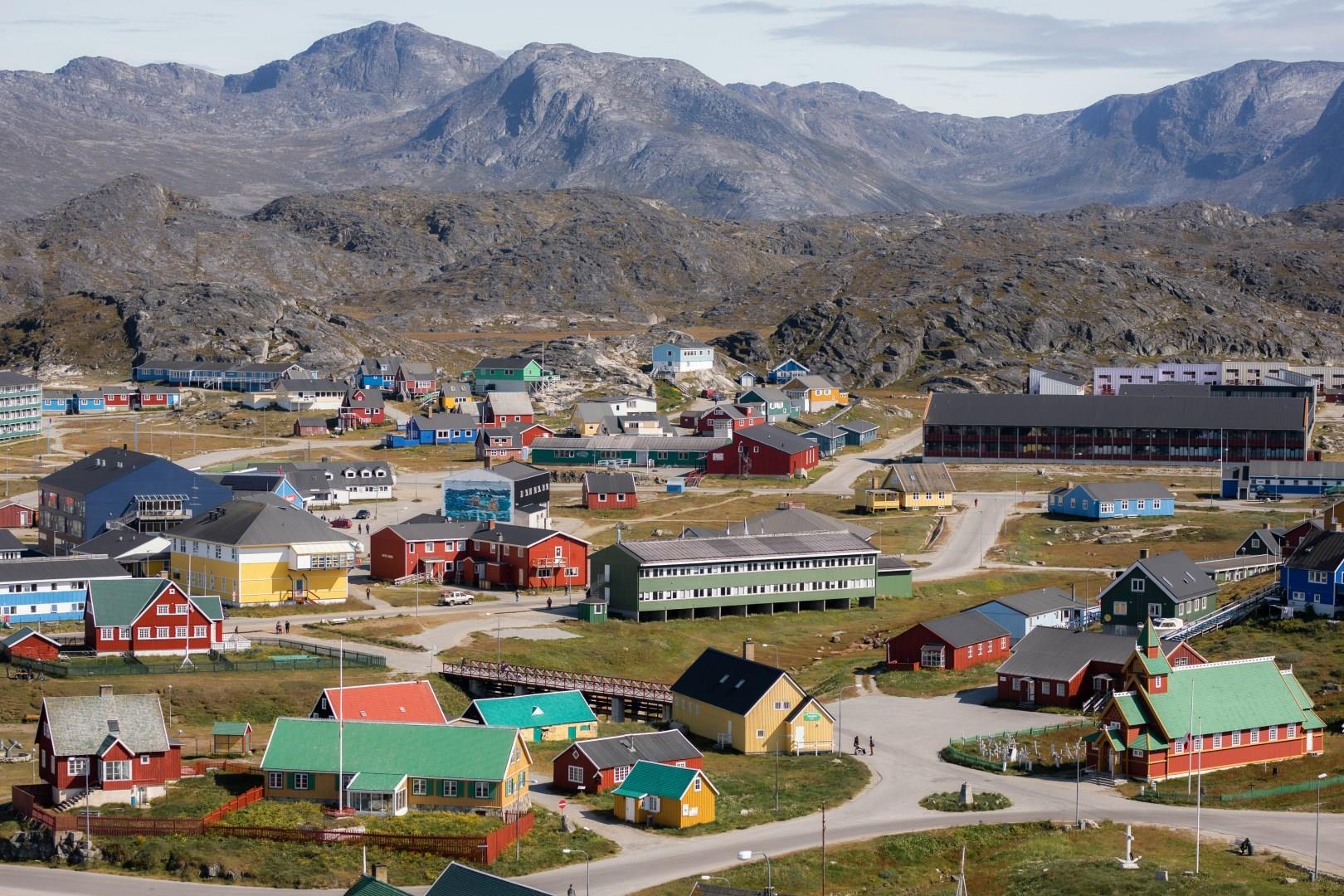
Paamiut lies on Greenland’s southwest coast, where the Labrador Sea meets a rocky, fjord-cut shoreline. Established in the 18th century as a Danish trading post and mission, the town developed around fishing and sealing, activities that continue to shape daily life.
Located off the coast of Ecuador, Floreana Island is one of the Galápagos Islands and a popular stop for gazing at a variety of wildlife, including Galápagos tortoises and flamingoes. Post Office Bay is home to the island chain's first post office site, originally established by visiting whalers in the 18th century. Though one of the smallest islands in the Galápagos, Floreana is well worth the trip!
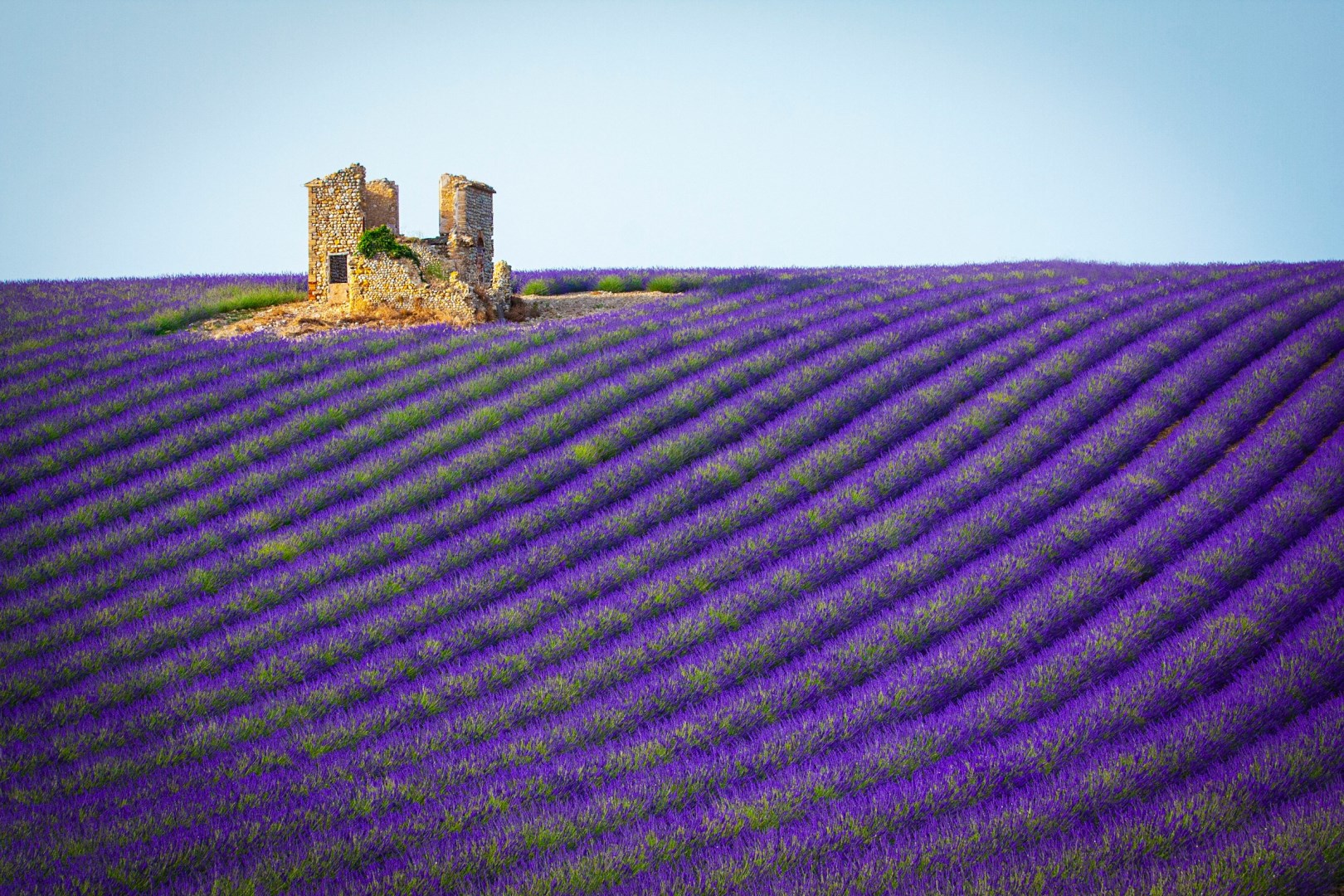
Nestled in the heart of Provence, Aix-en-Provence is a city that enchants with its blend of historical charm and vibrant modernity. Founded by the Romans in 123 BC, Aix-en-Provence, often simply called Aix, is renowned for its stunning architecture and rich cultural heritage.
Graz, Austria's second-largest city, is a hidden gem that offers a perfect blend of history, culture, and modernity. Its well-preserved medieval old town, a UNESCO World Heritage Site, invites visitors to stroll through cobblestone streets lined with Renaissance courtyards and Baroque façades. At the heart of the city is the Schlossberg, a forested hill crowned by the iconic clock tower, Uhrturm.
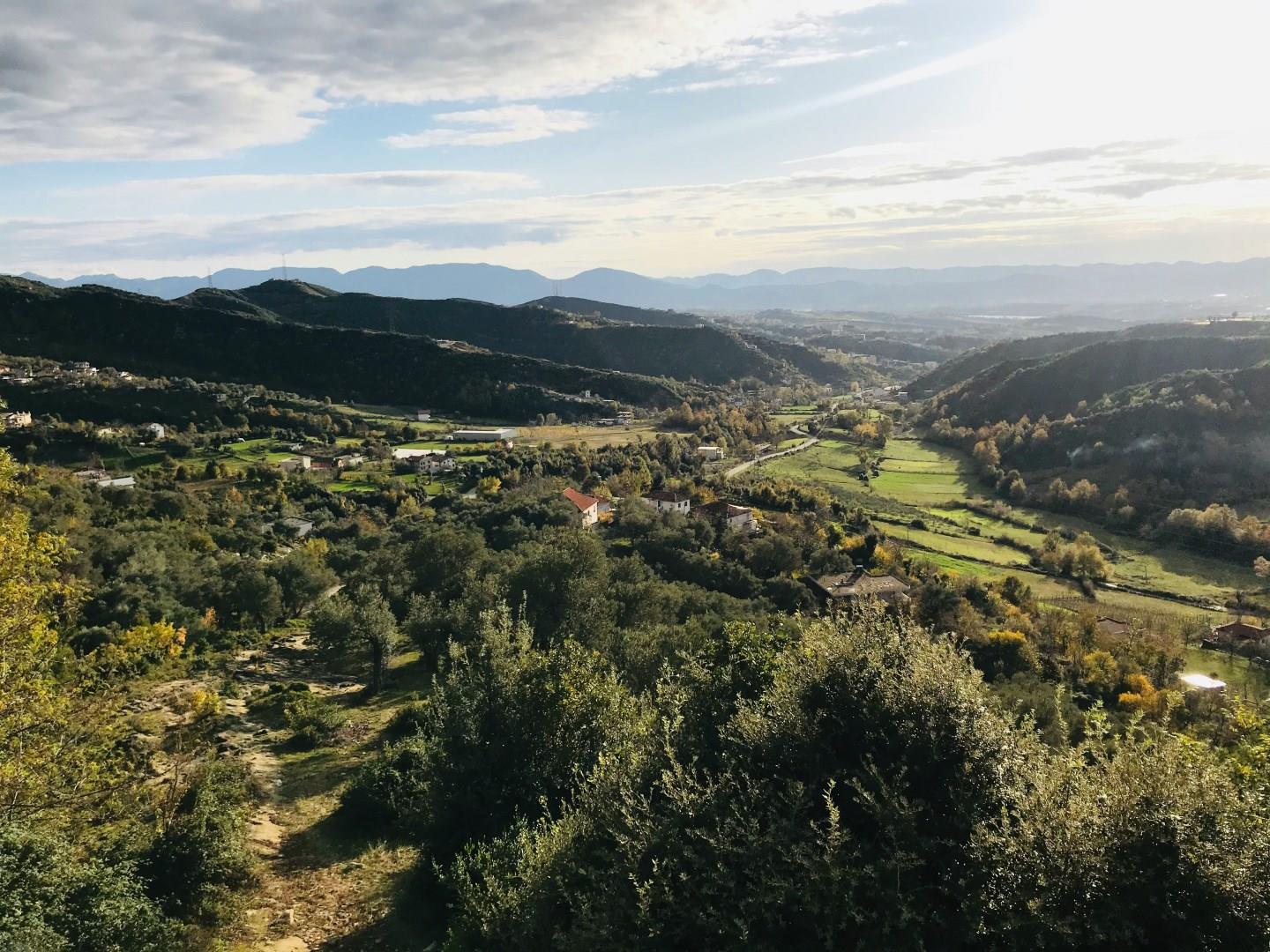
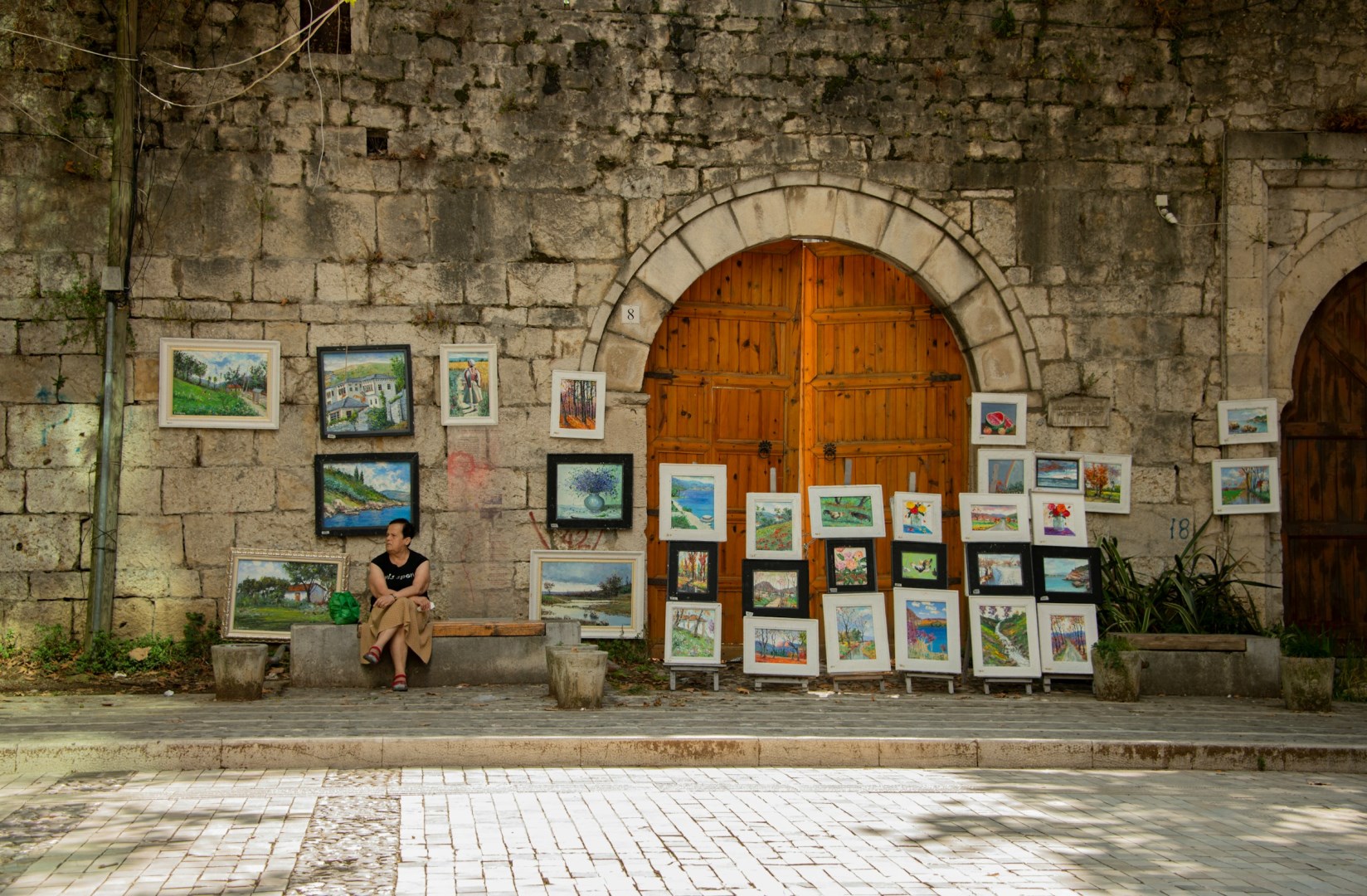
Photo Credit: Photo by Adventure Albania on Unsplash
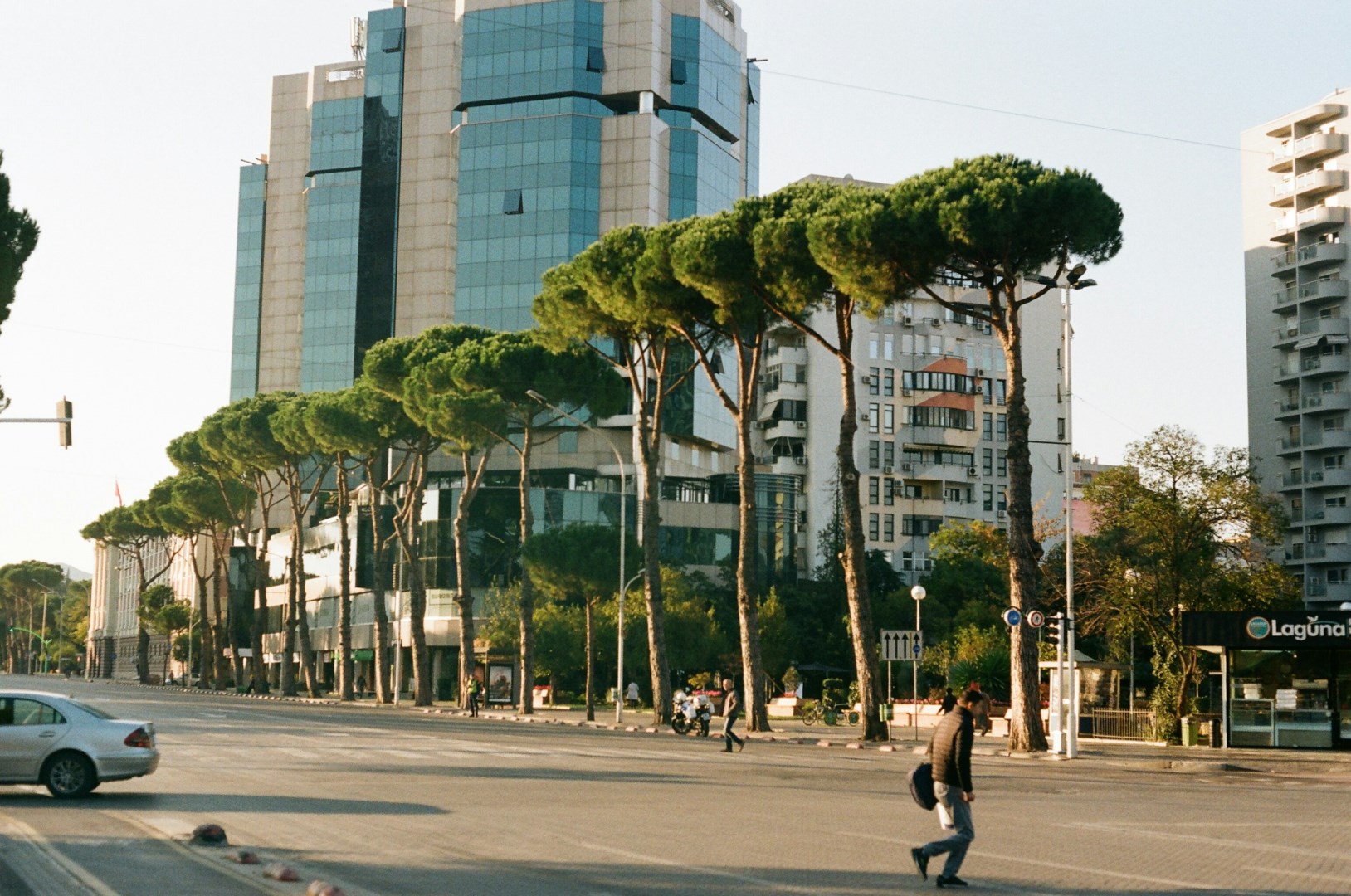
Photo Credit: Photo by Linda Gerbec on Unsplash
Photo Credit: Photo by Michael Silkesjöö on Unsplash
Photo Credit: Photo by Daniel Silva on Unsplash
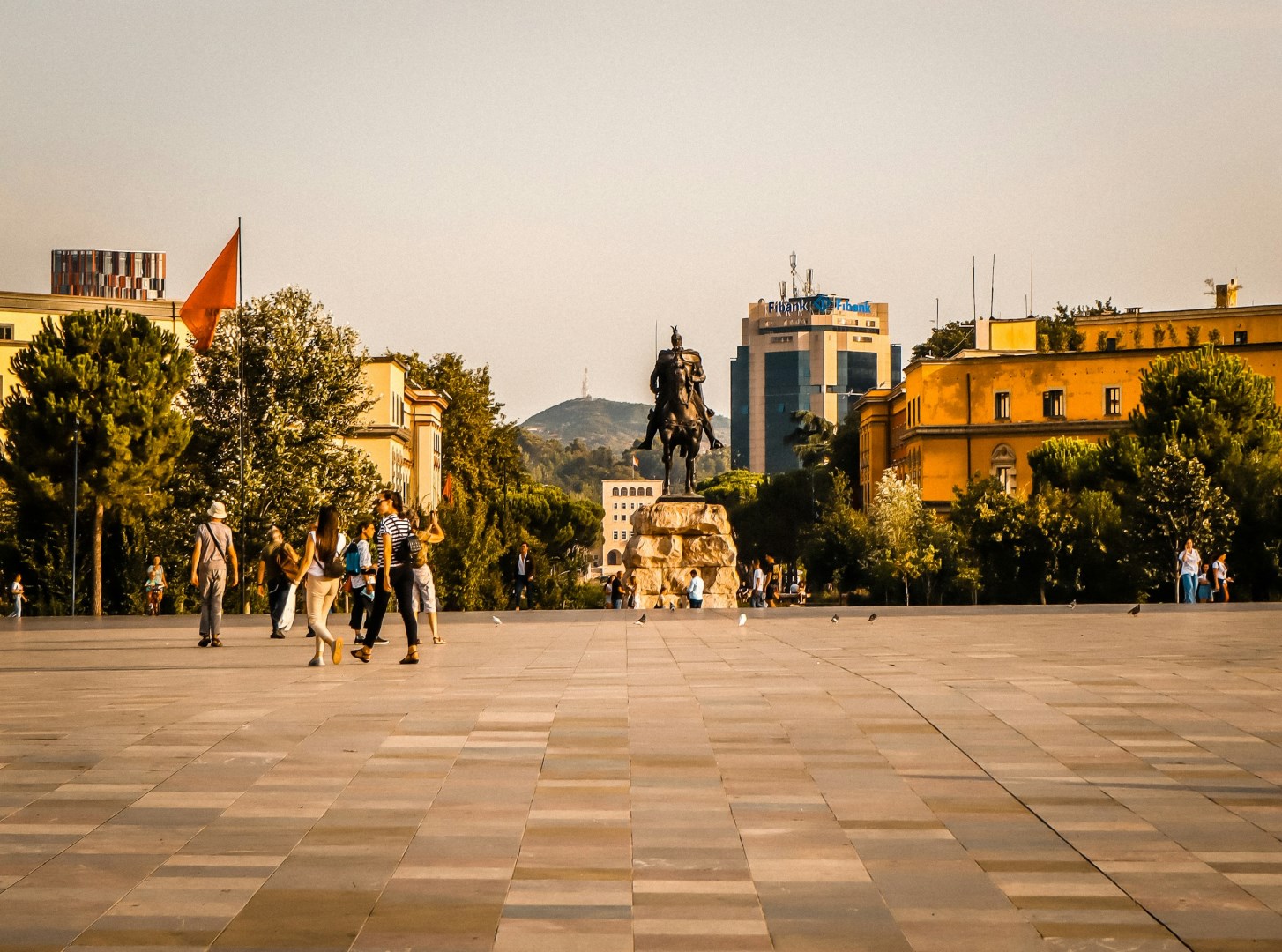
Tirana, the lively capital of Albania, is a city that blends historical charm with modern vibrancy. At the heart of its transformation is Skanderbeg Square, a bustling hub named after the national hero Gjergj Kastrioti Skanderbeg. The square is surrounded by architectural gems like the National History Museum, whose mosaic facade depicts Albania's rich past, and the Et'hem Bey Mosque, a beautifully preserved Ottoman-era structure. For a deeper dive into local culture, visit the nearby Grand Park of Tirana, a green oasis perfect for a leisurely stroll or a boat ride on its artificial lake.
Tirana's colorful, eclectic architecture is a testament to its dynamic history and contemporary spirit. The cityscape features a striking blend of communist-era buildings and modern constructions, including the innovative Pyramid of Tirana, originally built as a museum dedicated to the former dictator Enver Hoxha and now reimagined as a cultural space. Vibrant murals and street art adorn many buildings, reflecting the city’s artistic pulse and youthful energy. The ongoing urban renewal projects are reshaping Tirana into a hub of creativity and modernity.
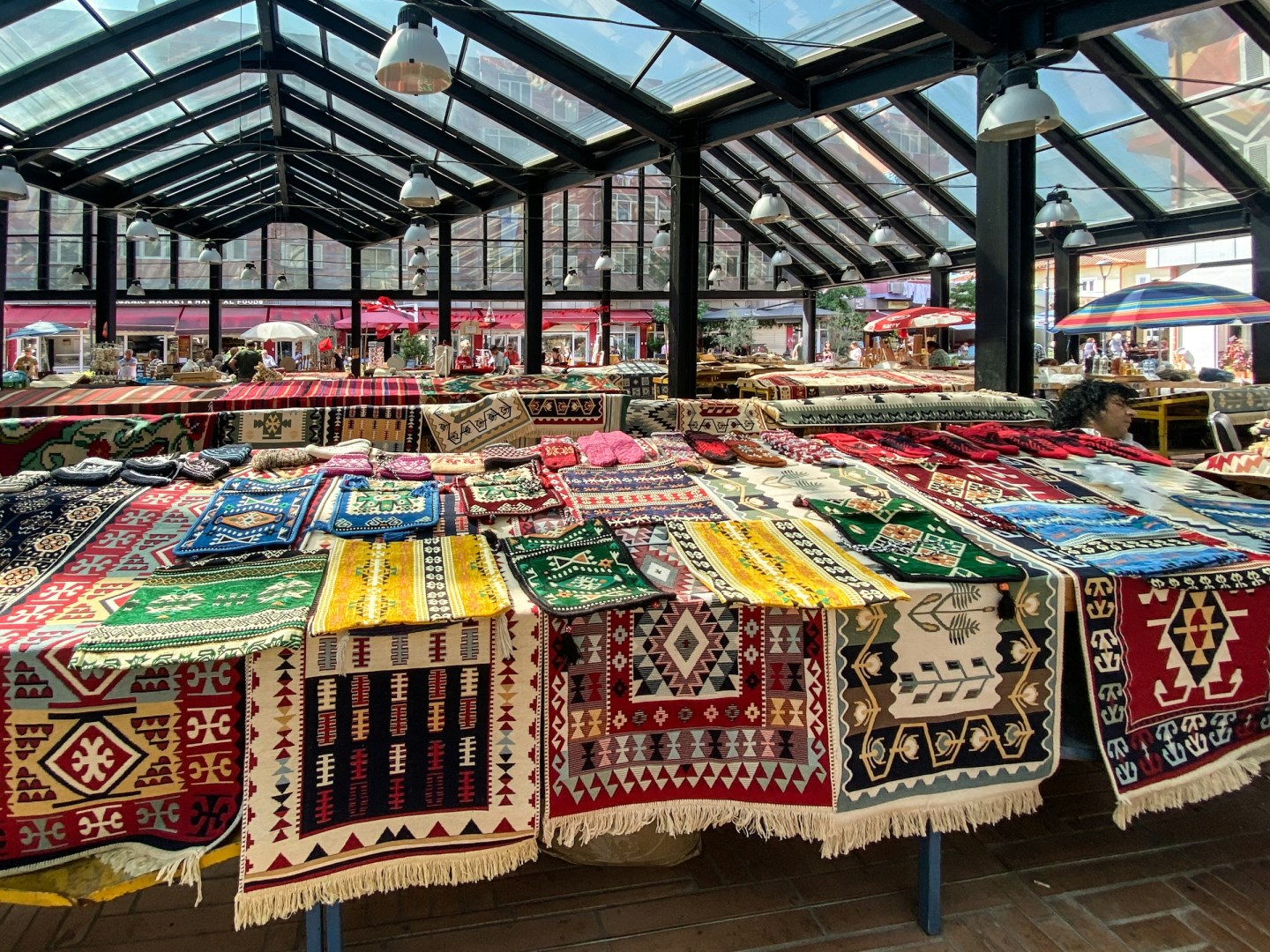
For those interested in culinary adventures, Tirana offers a feast of traditional Albanian cuisine. Enjoy local dishes such as byrek (savory pastries filled with cheese or meat), or sample fresh seafood from the Mediterranean. The Blloku neighborhood, once an exclusive area for the communist elite, is now a trendy district filled with cafes, restaurants, and bars that provide a lively nightlife scene. Stroll through the colorful streets and experience the city’s warm hospitality and rich flavors.
Fun fact: Tirana’s transformation into a colorful city was inspired by the vision of former mayor Edi Rama, who was also an artist. His efforts to brighten up the city with vibrant colors and innovative urban design have significantly contributed to Tirana's unique and welcoming atmosphere.