Chiang Rai, in northern Thailand near the borders with Laos and Myanmar, is a city where history, art, and tranquil landscapes converge. Founded in the 13th century as the first capital of the Lanna Kingdom, it retains a strong sense of heritage while also serving as a hub for contemporary Thai creativity.
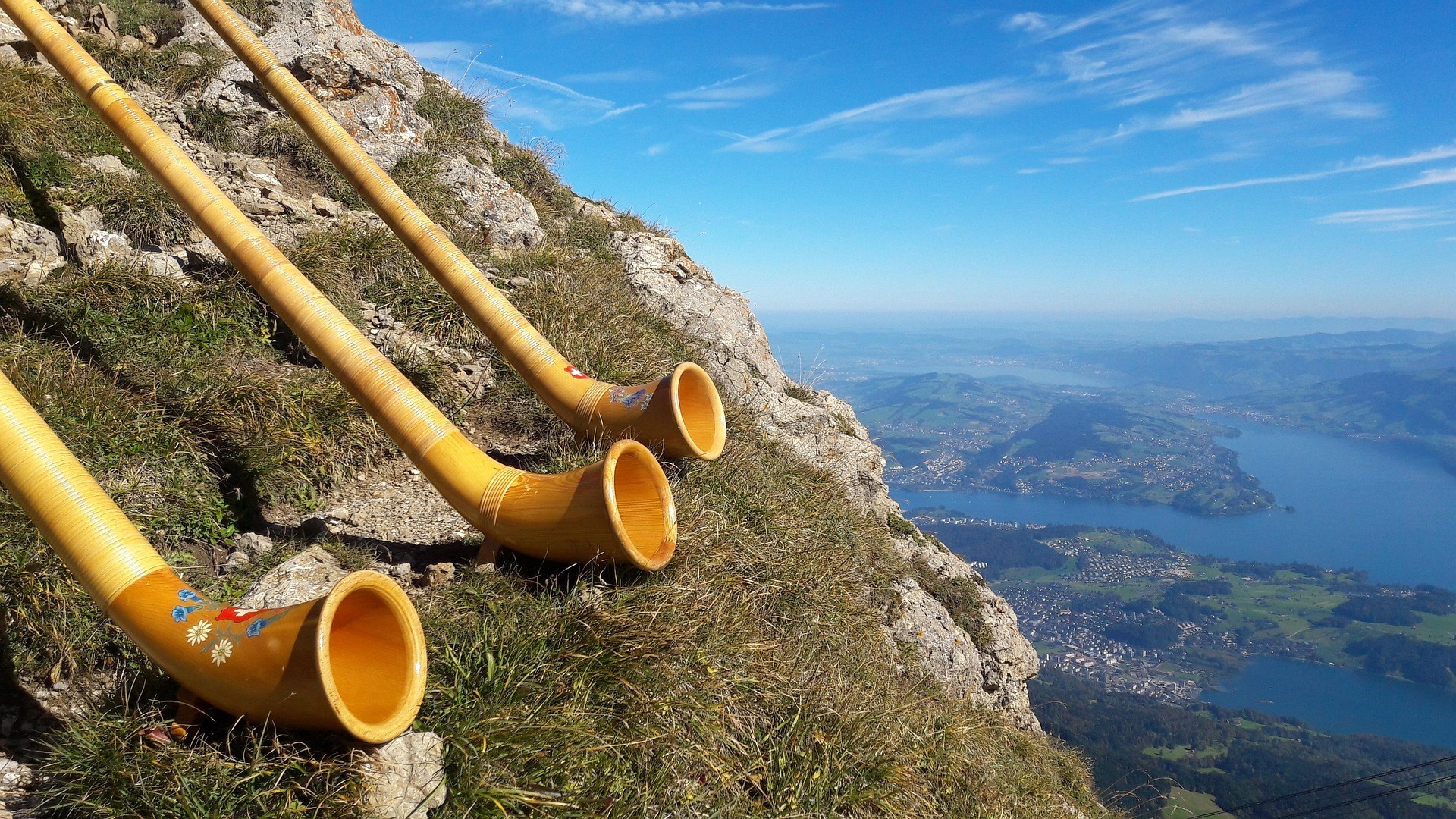
Switzerland's daily life appears to be full of contradictions: the old and the new, natural beauty and industrial production, neutrality and international frankness. These sharp contrasts go hand in hand, and this unity is the real reason that this small country in the heart of Europe has developed into such an important communication and trading partner in the world today. It is Switzerland's contrasts - its diversity which attracts both the businessman and the tourist alike.
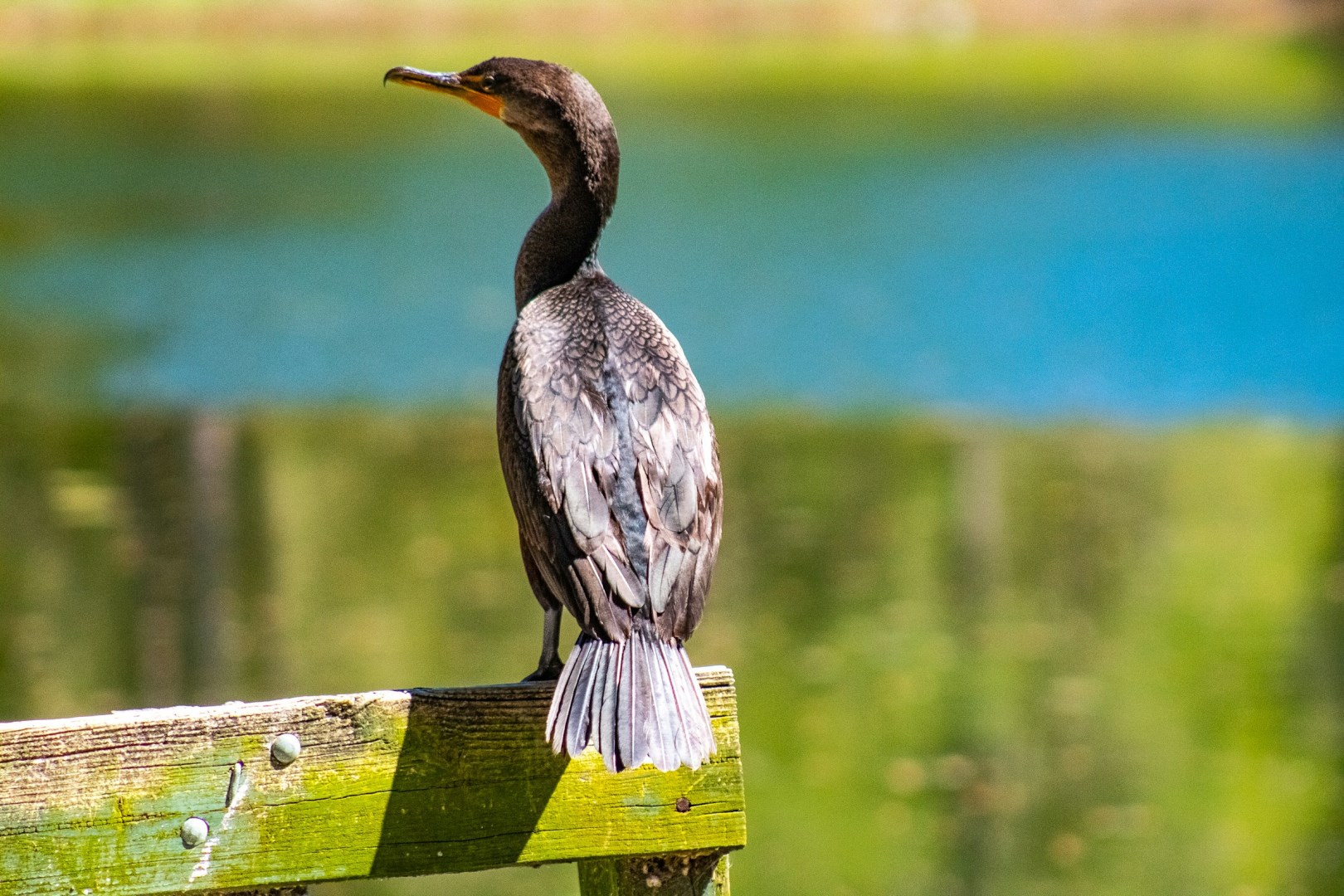
South Carolina draws travelers in with its layers of history, distinctive regional flavors, and landscapes that range from quiet marshes to mountain trails. In Charleston, cobblestone streets wind past antebellum homes and hidden courtyards. Beaufort, tucked along the Intracoastal Waterway, charms visitors with moss-draped oaks, shrimp boats, and preserved architecture that has earned it comparisons to a living movie set and was indeed, where several films, including *Forrest Gump*, were filmed.
The capital city of the Dominican Republic is rich in history and beauty, boasting 16th-century Spanish architecture and the oldest cathedral in the Americas. The narrow streets of the old colonial city are a testament to the complex mixture of forces that contributed to the construction of the first European city in the Western Hemisphere.
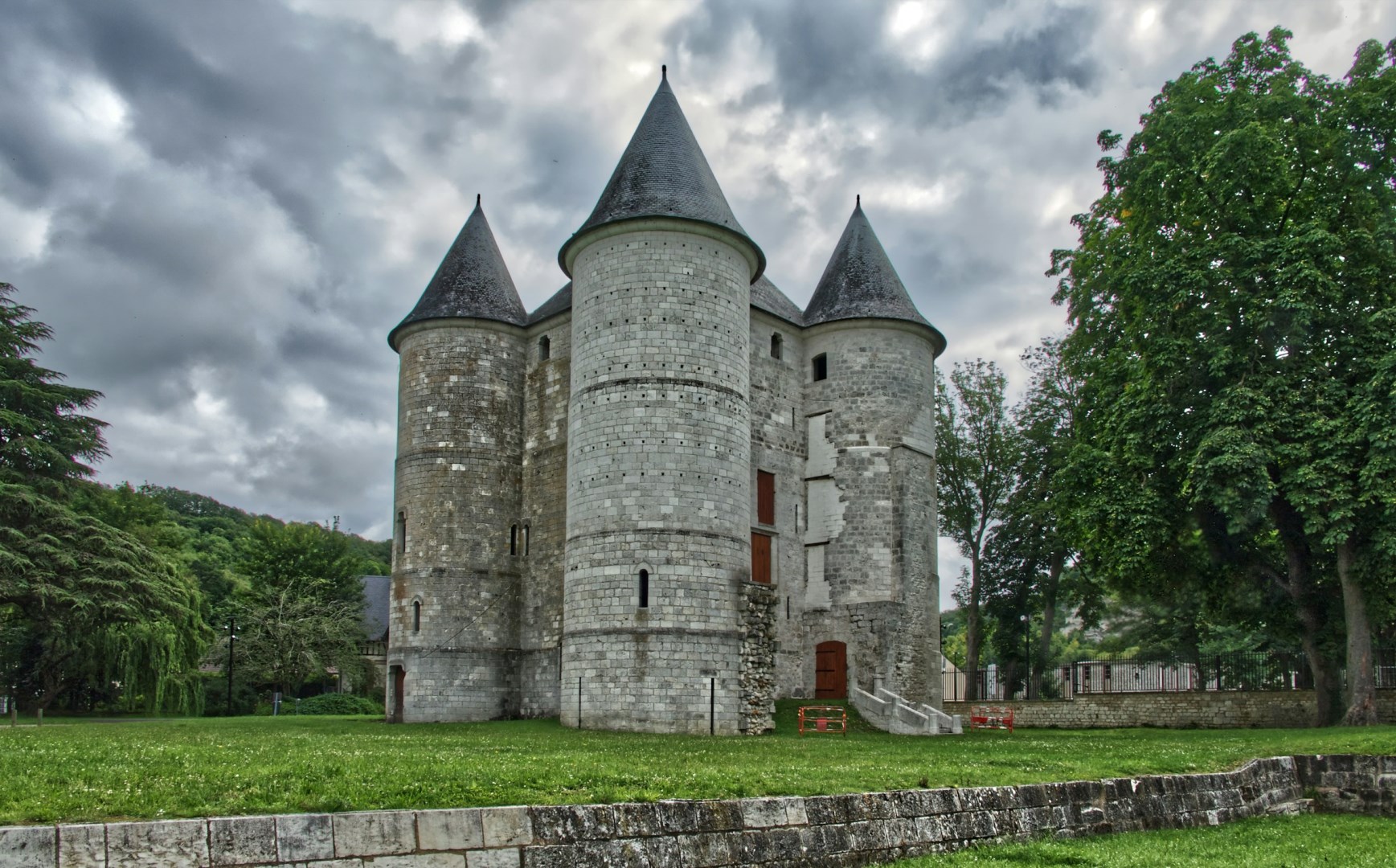
Vernon, located in the picturesque Normandy region along the banks of the Seine River, is a charming town that offers a delightful mix of history, culture, and natural beauty.
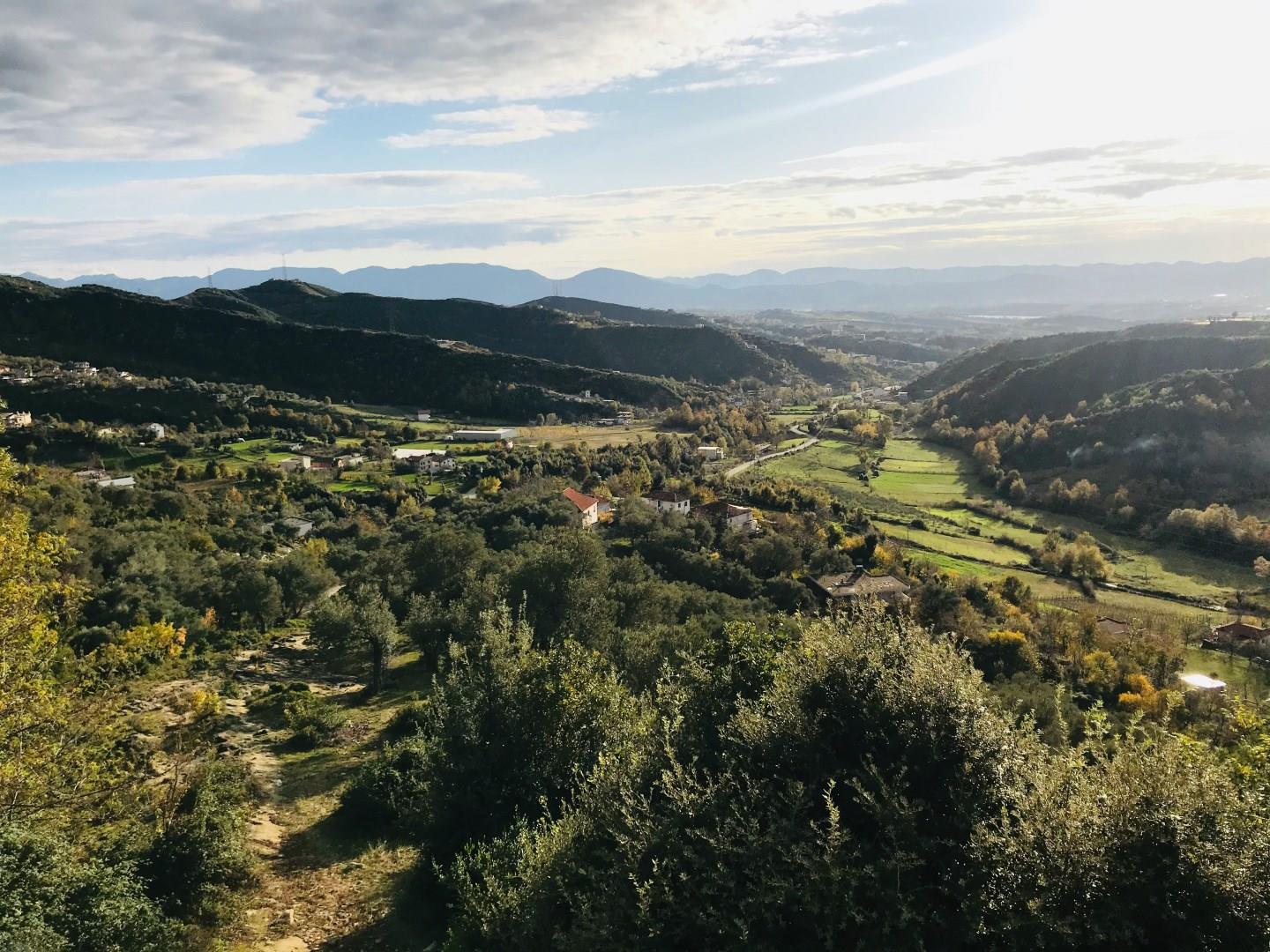
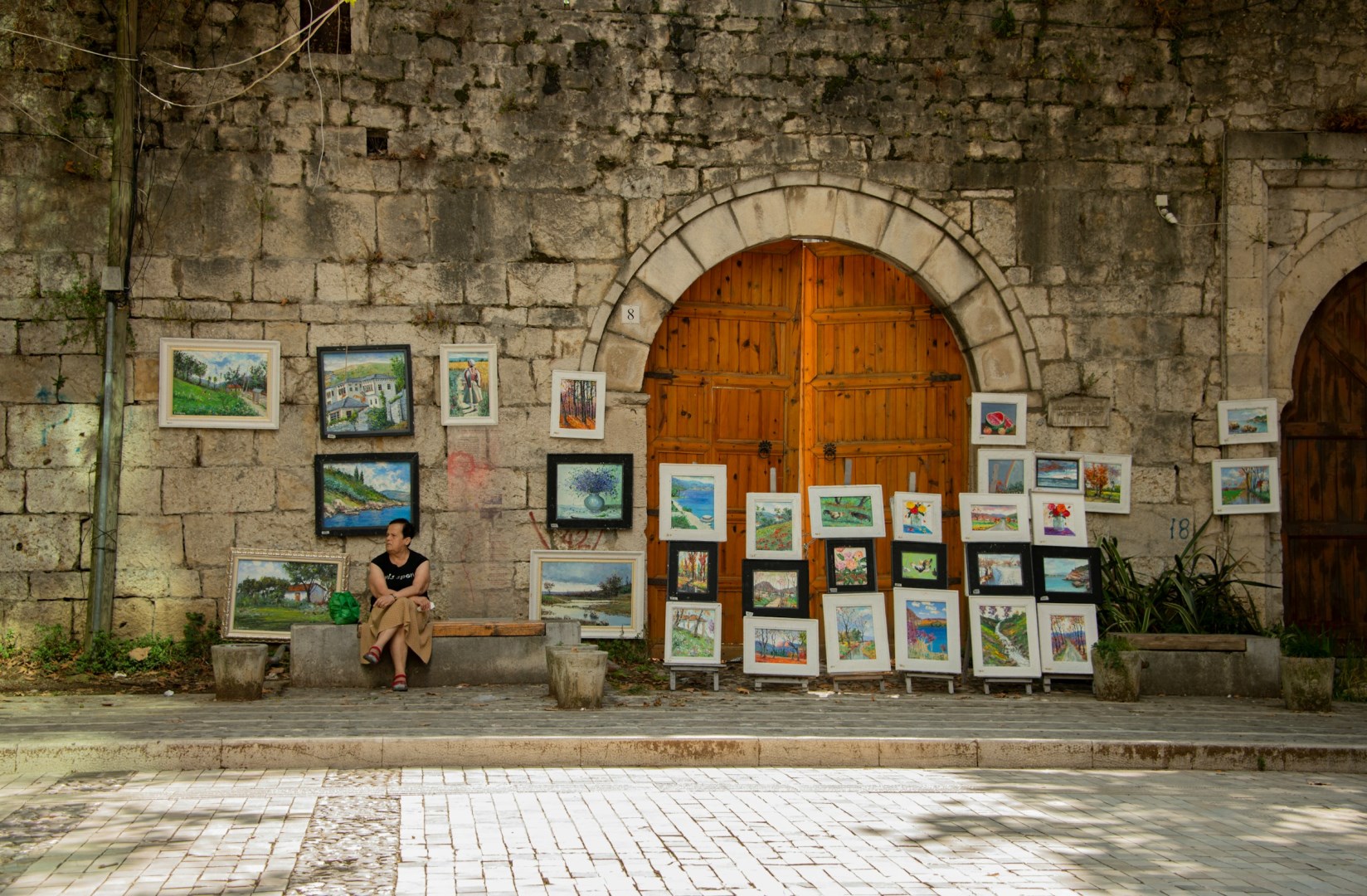
Photo Credit: Photo by Adventure Albania on Unsplash
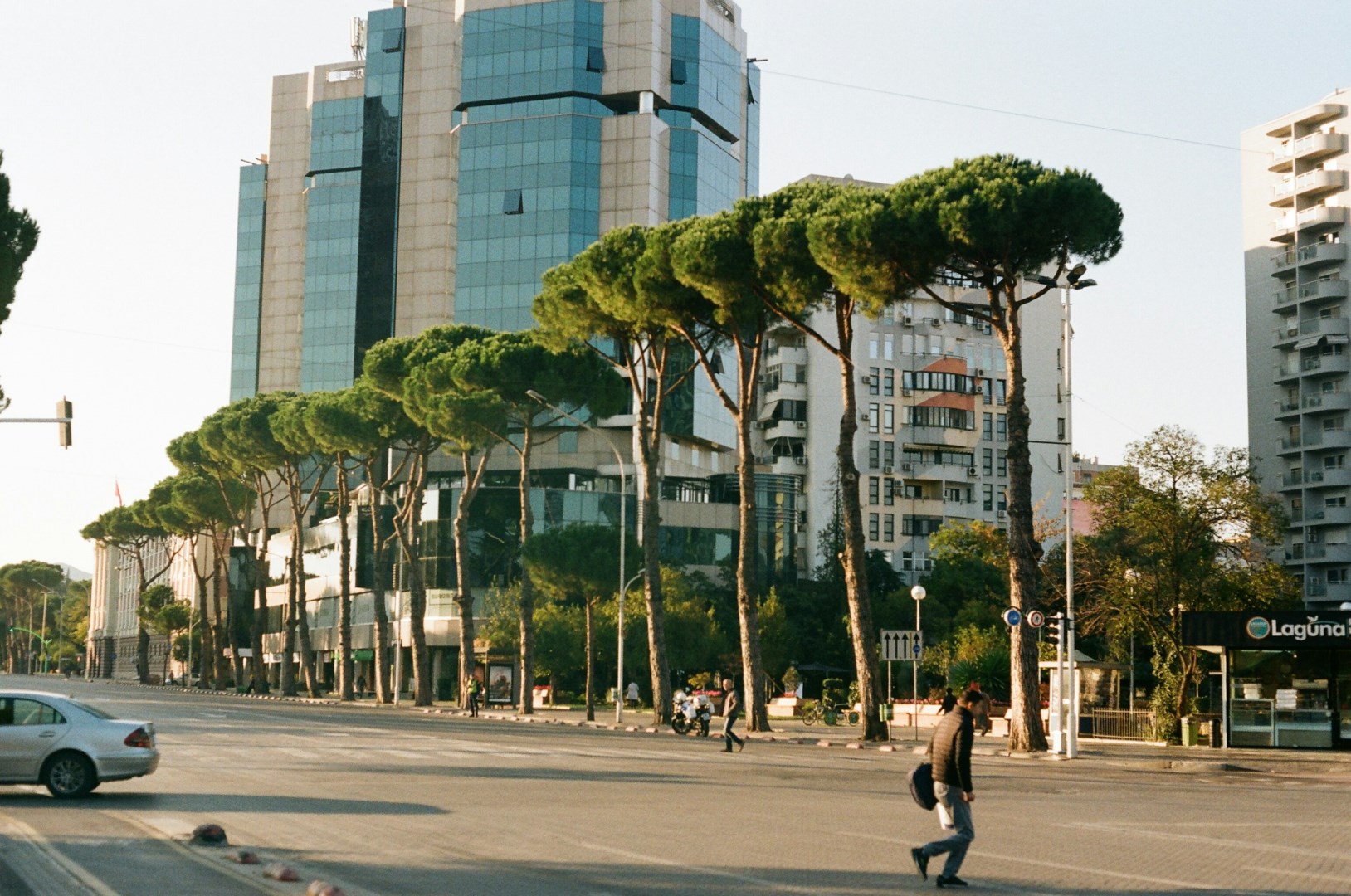
Photo Credit: Photo by Linda Gerbec on Unsplash
Photo Credit: Photo by Michael Silkesjöö on Unsplash
Photo Credit: Photo by Daniel Silva on Unsplash
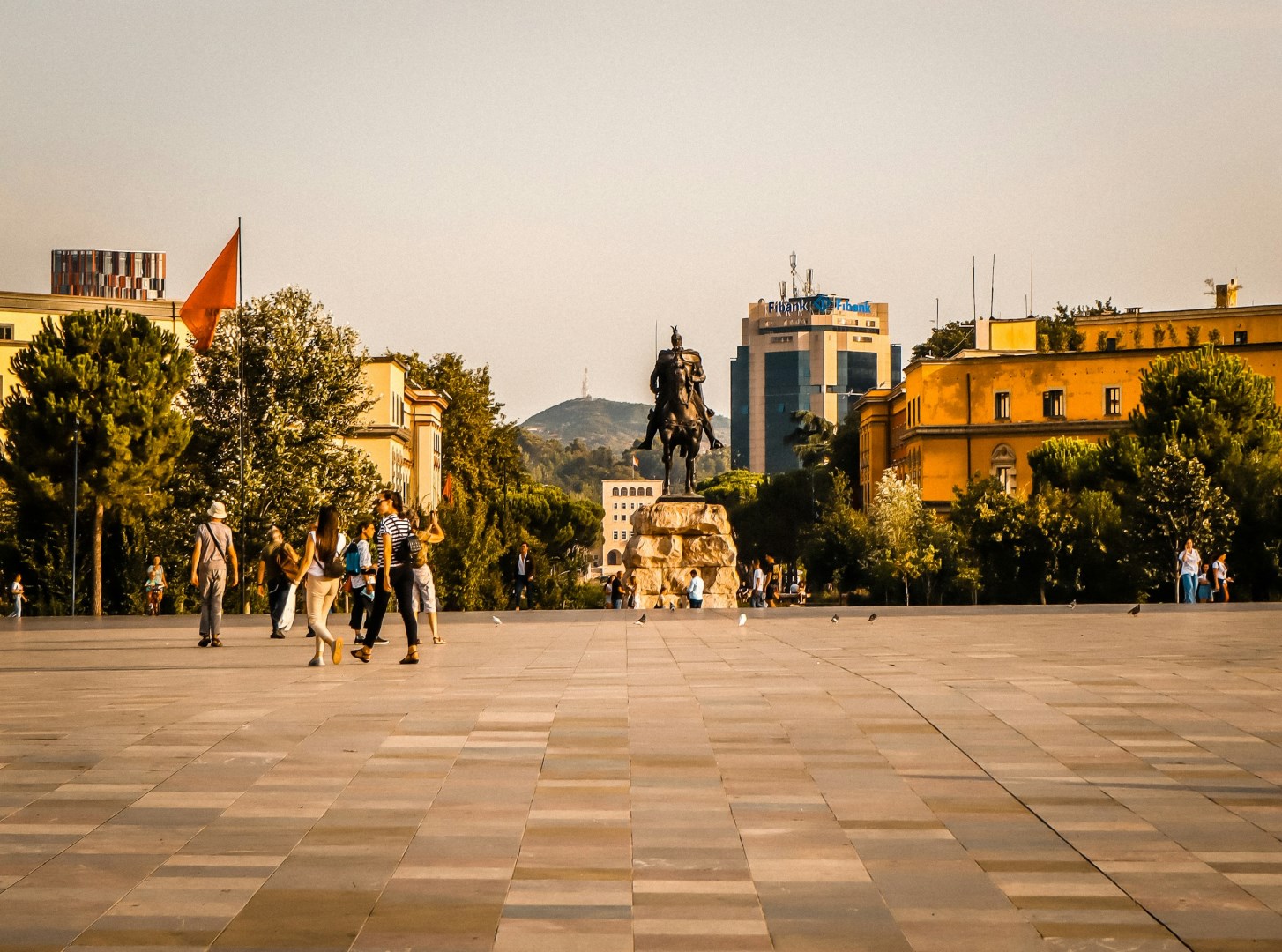
Tirana, the lively capital of Albania, is a city that blends historical charm with modern vibrancy. At the heart of its transformation is Skanderbeg Square, a bustling hub named after the national hero Gjergj Kastrioti Skanderbeg. The square is surrounded by architectural gems like the National History Museum, whose mosaic facade depicts Albania's rich past, and the Et'hem Bey Mosque, a beautifully preserved Ottoman-era structure. For a deeper dive into local culture, visit the nearby Grand Park of Tirana, a green oasis perfect for a leisurely stroll or a boat ride on its artificial lake.
Tirana's colorful, eclectic architecture is a testament to its dynamic history and contemporary spirit. The cityscape features a striking blend of communist-era buildings and modern constructions, including the innovative Pyramid of Tirana, originally built as a museum dedicated to the former dictator Enver Hoxha and now reimagined as a cultural space. Vibrant murals and street art adorn many buildings, reflecting the city’s artistic pulse and youthful energy. The ongoing urban renewal projects are reshaping Tirana into a hub of creativity and modernity.
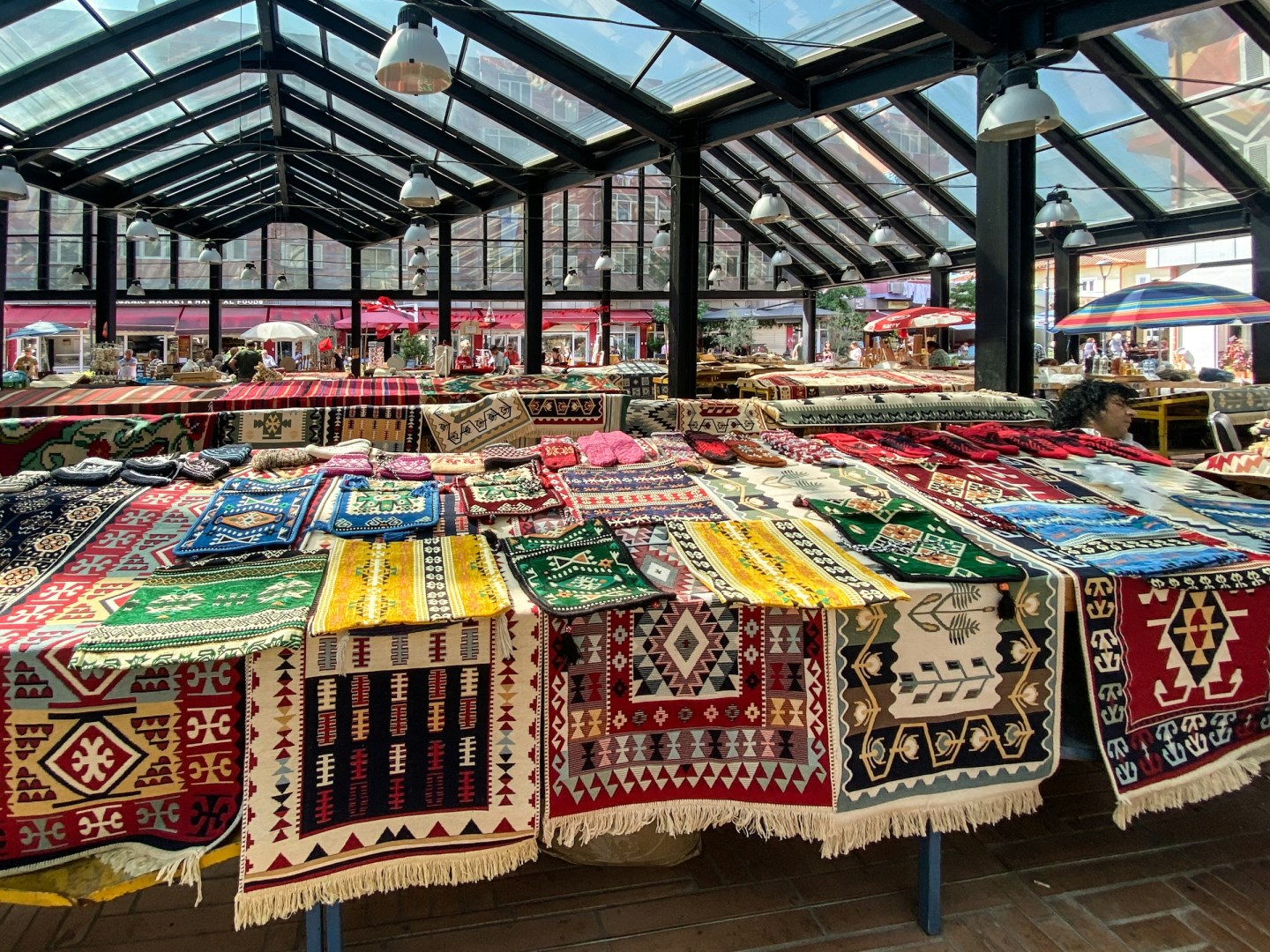
For those interested in culinary adventures, Tirana offers a feast of traditional Albanian cuisine. Enjoy local dishes such as byrek (savory pastries filled with cheese or meat), or sample fresh seafood from the Mediterranean. The Blloku neighborhood, once an exclusive area for the communist elite, is now a trendy district filled with cafes, restaurants, and bars that provide a lively nightlife scene. Stroll through the colorful streets and experience the city’s warm hospitality and rich flavors.
Fun fact: Tirana’s transformation into a colorful city was inspired by the vision of former mayor Edi Rama, who was also an artist. His efforts to brighten up the city with vibrant colors and innovative urban design have significantly contributed to Tirana's unique and welcoming atmosphere.