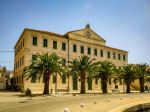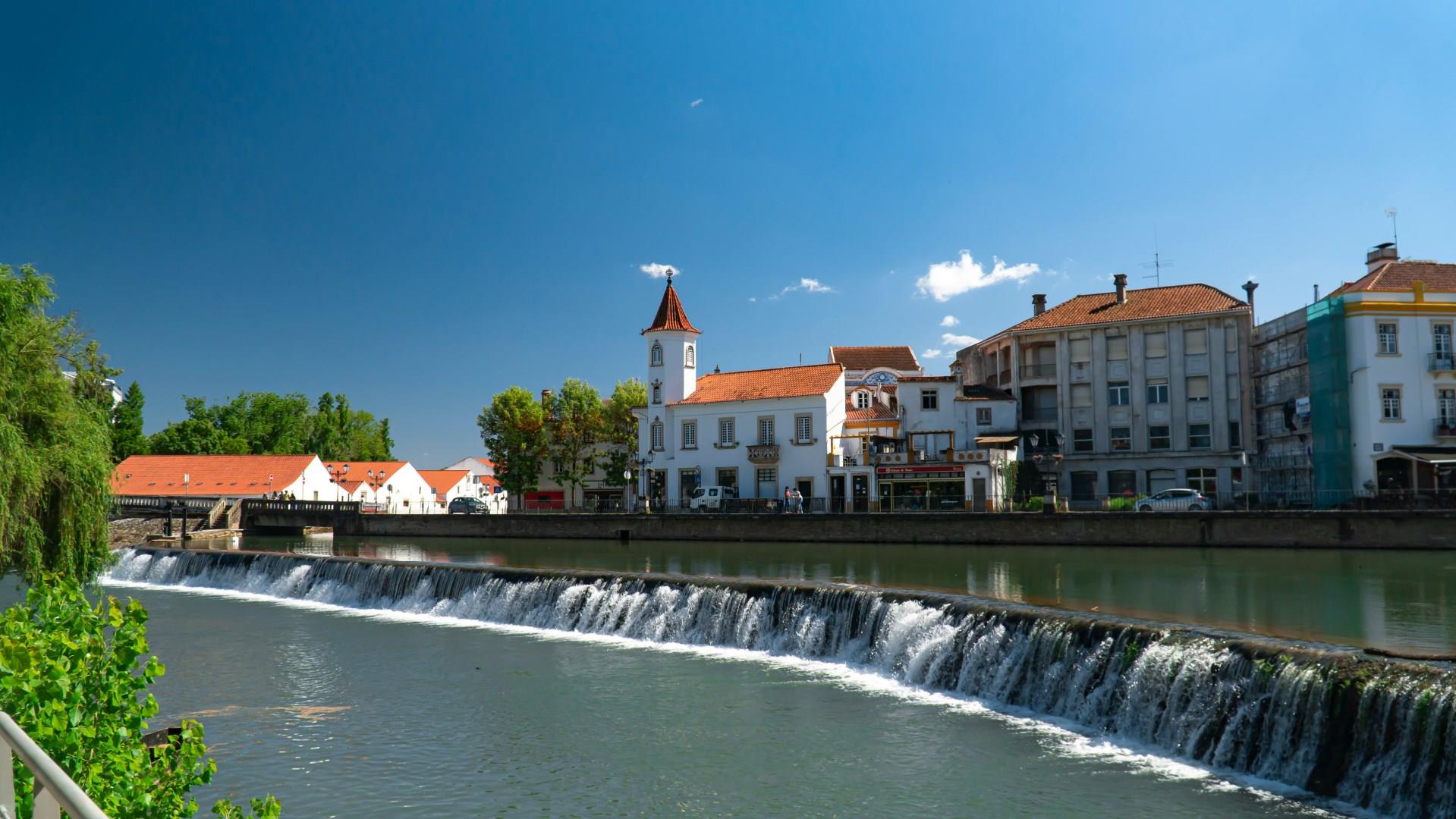
Tomar sits on the Nabão River in central Portugal as a place where medieval history and everyday life meet in welcoming streets and grand monuments. Just outside the convent walls lies the Pegões Aqueduct, an impressive feat of engineering more than 6 kilometers long that once carried water from distant springs to the hilltop site. Some sections of its arches rise more than 30 meters above the valley floor, making it a striking backdrop for photos.
The ancient region of Cappadocia lies in Central Anatolia, between the cities of Nevsehir, Kayseri and Nigde. Here, the traveler finds one of the most fantastic landscapes in the world. Wind and weather have eroded the soft volcanic rock with hundreds of strangely shaped pillars, cones and "fairy chimneys", often very tall, and in every shade from pink through yellow to russet browns.
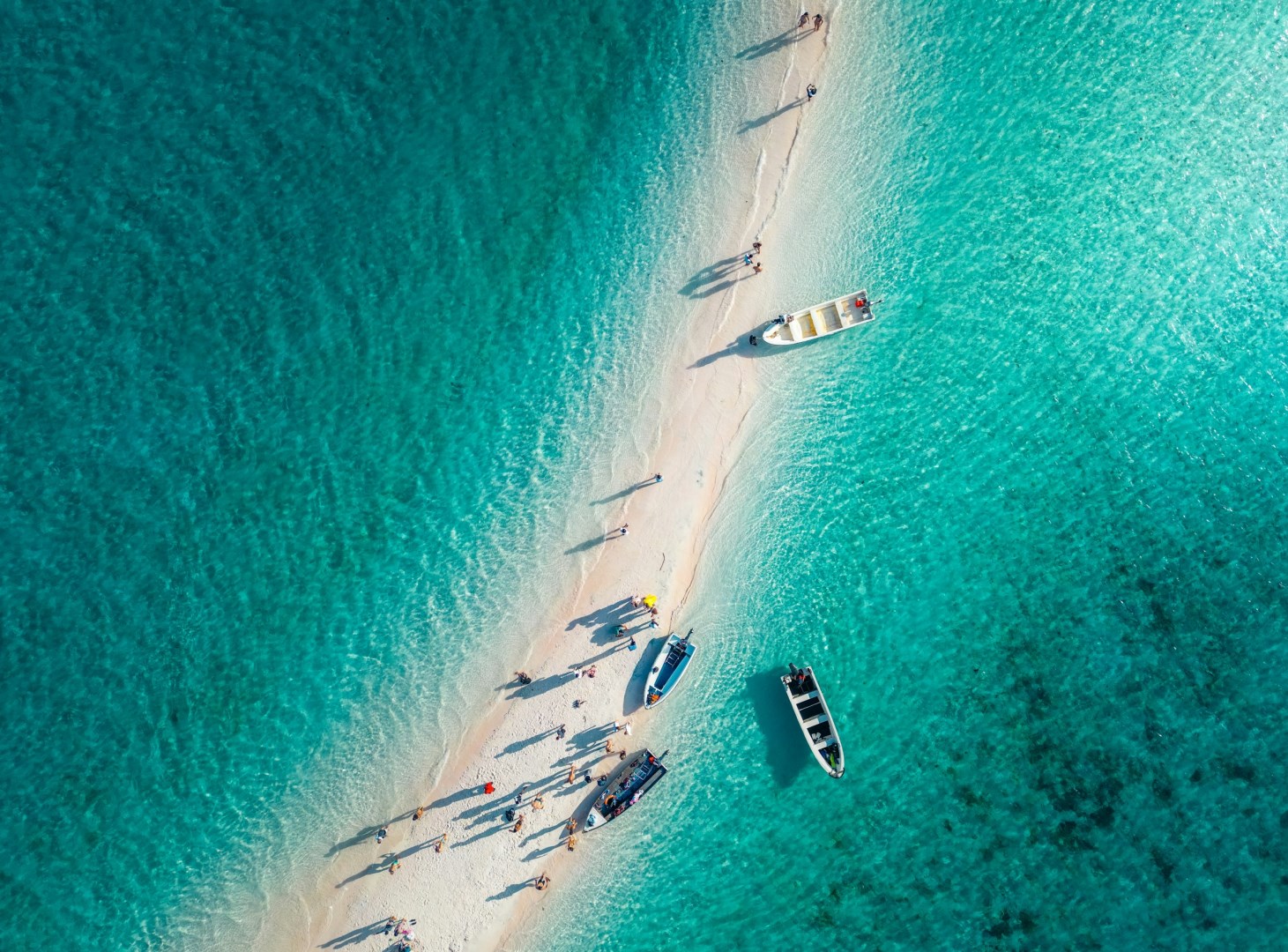
Komodo Island is famous for its Komodo dragons, the largest lizards in the world. These remarkable creatures, which can grow up to 10 feet long, roam freely on the island, offering visitors a rare chance to watch them in their natural environment.
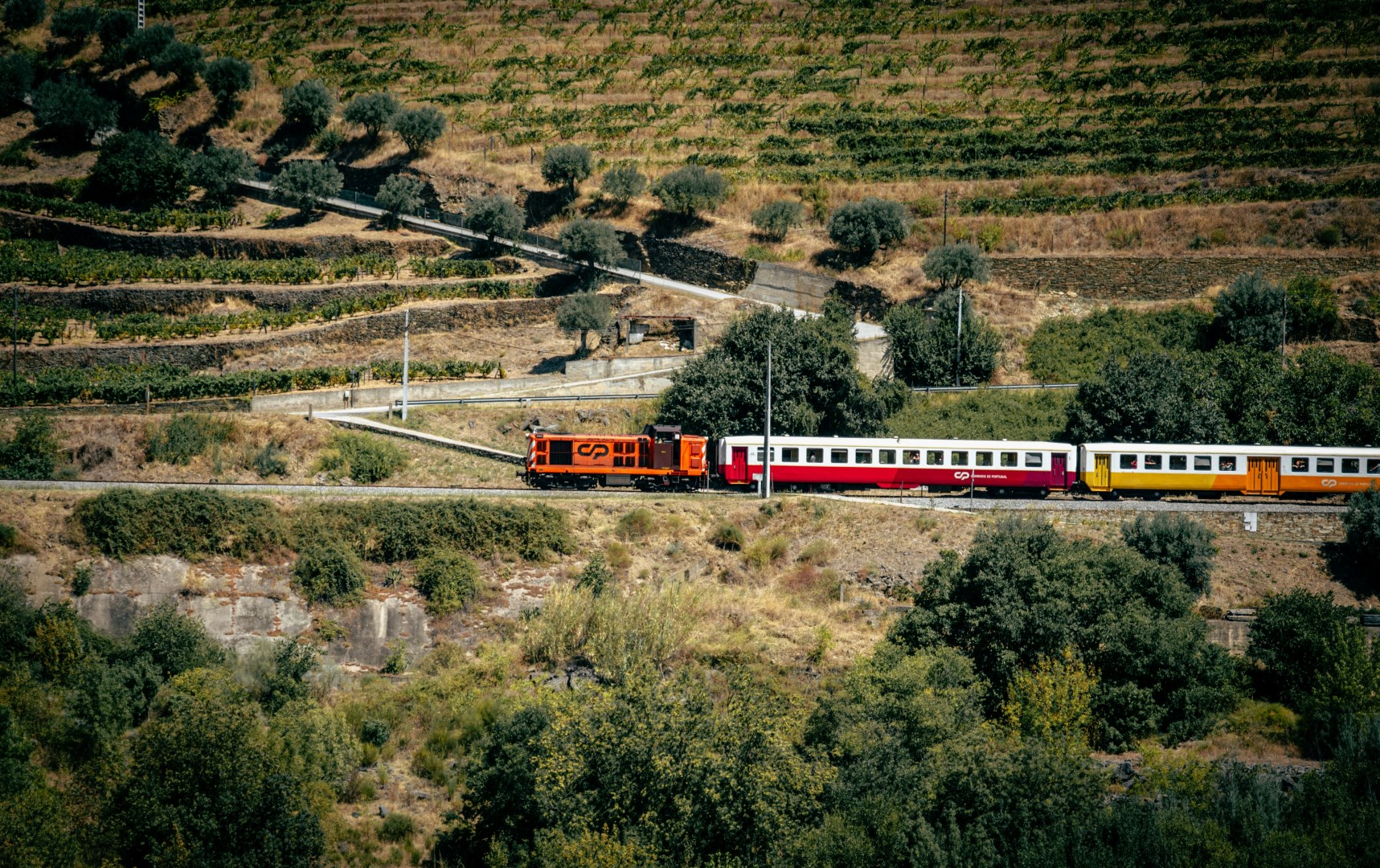
Peso da Régua, often called the gateway to Portugal's Douro Valley, sits along the banks of the Douro River and is surrounded by steep, terraced vineyards. The town has long been central to the production of the world-famous Port wine, and visitors can explore the rolling hills covered with neatly arranged grapevines that climb dramatically from the river’s edge. The town itself offers a quiet riverside charm, with narrow streets, historic buildings, and scenic viewpoints.
Exhilarating Rio de Janeiro, the vibrant South American destination and cultural capital, abounds with iconic landmarks, beaches, and attractions. Christ the Redeemer, the hundred-foot mosaic statue atop Corcovado Mountain, overlooks the glittering coastline and is instantly recognizable, having become an enduring symbol of the city itself. Its arms stretching wide, the prominent figure beckons you to explore this inviting locale.
Photo Credit: Photo by rebecca stremitzer on Unsplash
Photo Credit: Photo by Joanna on Unsplash
Photo Credit: Photo by Fabiana Rizzi on Unsplash
Photo Credit: Photo by Patrycja Mancewicz on Unsplash
Photo Credit: Photo by Meg von Haartman on Unsplash
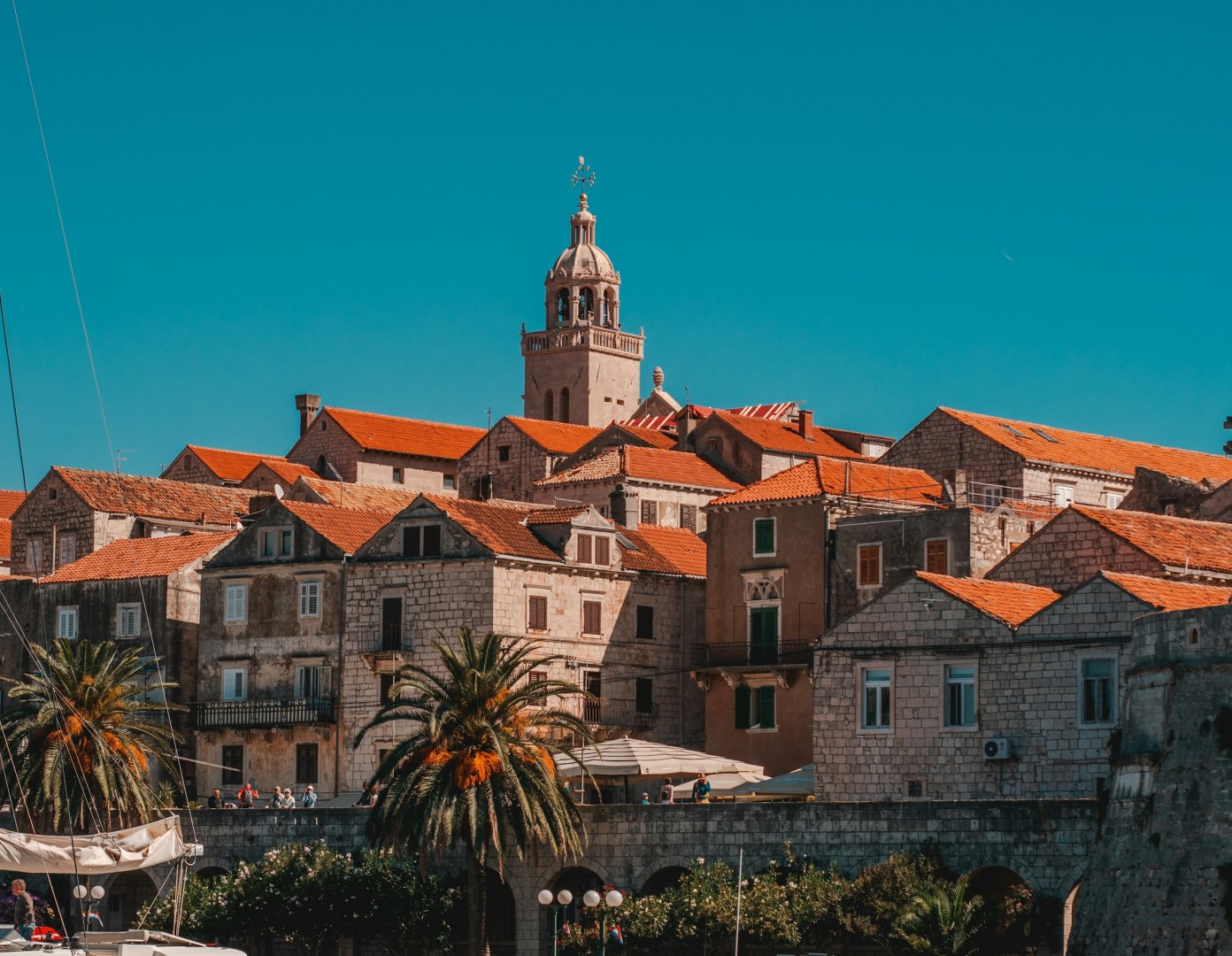
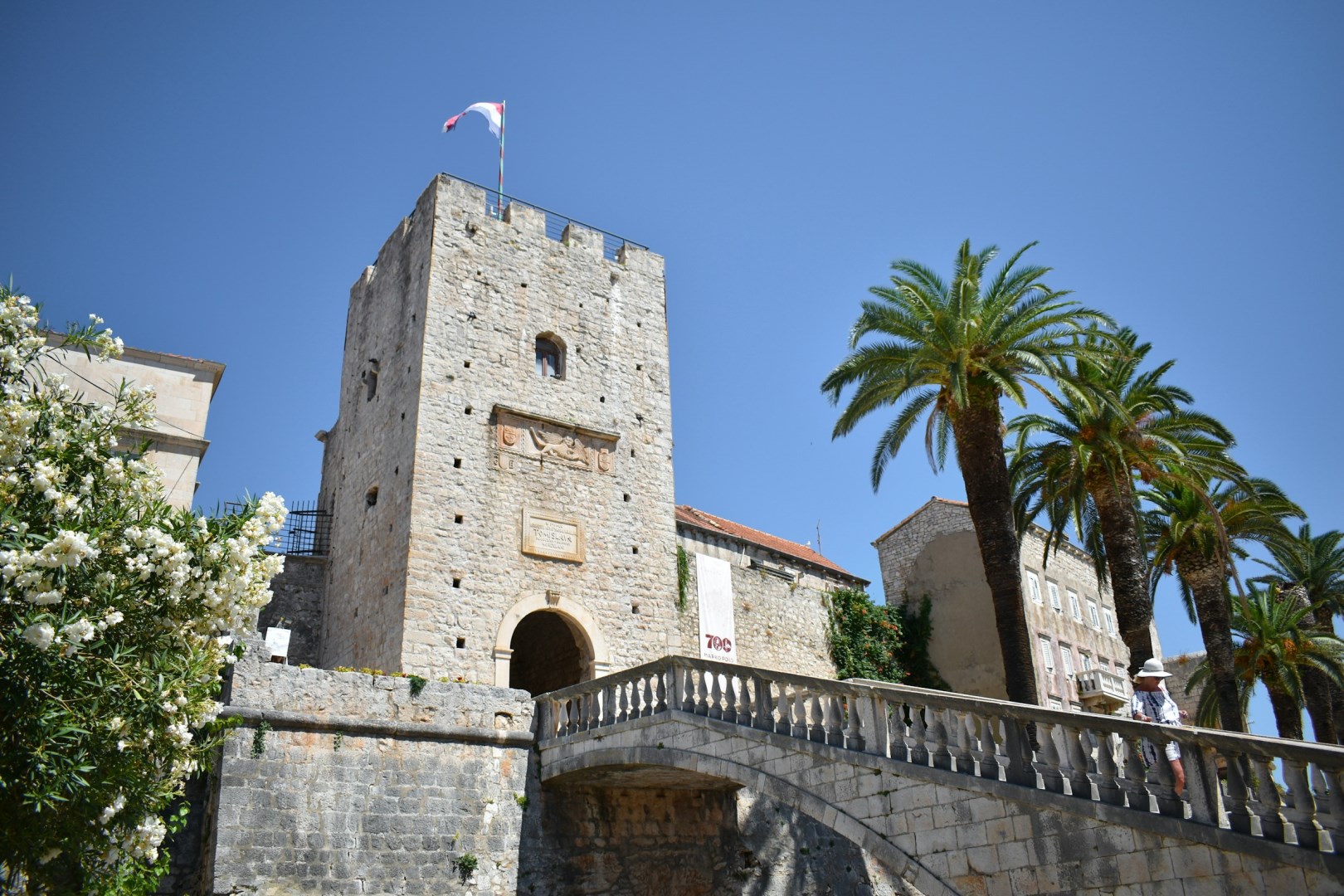
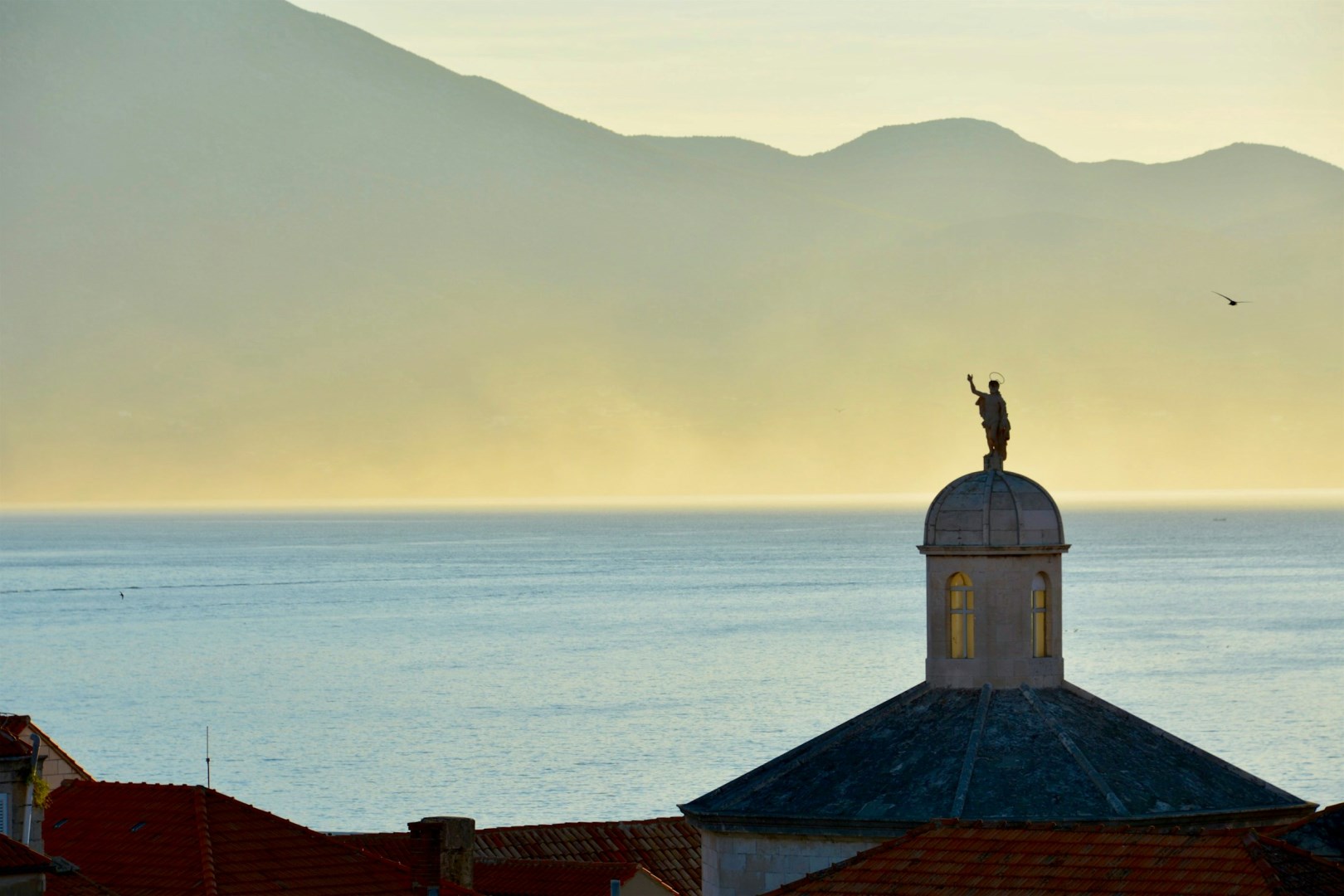
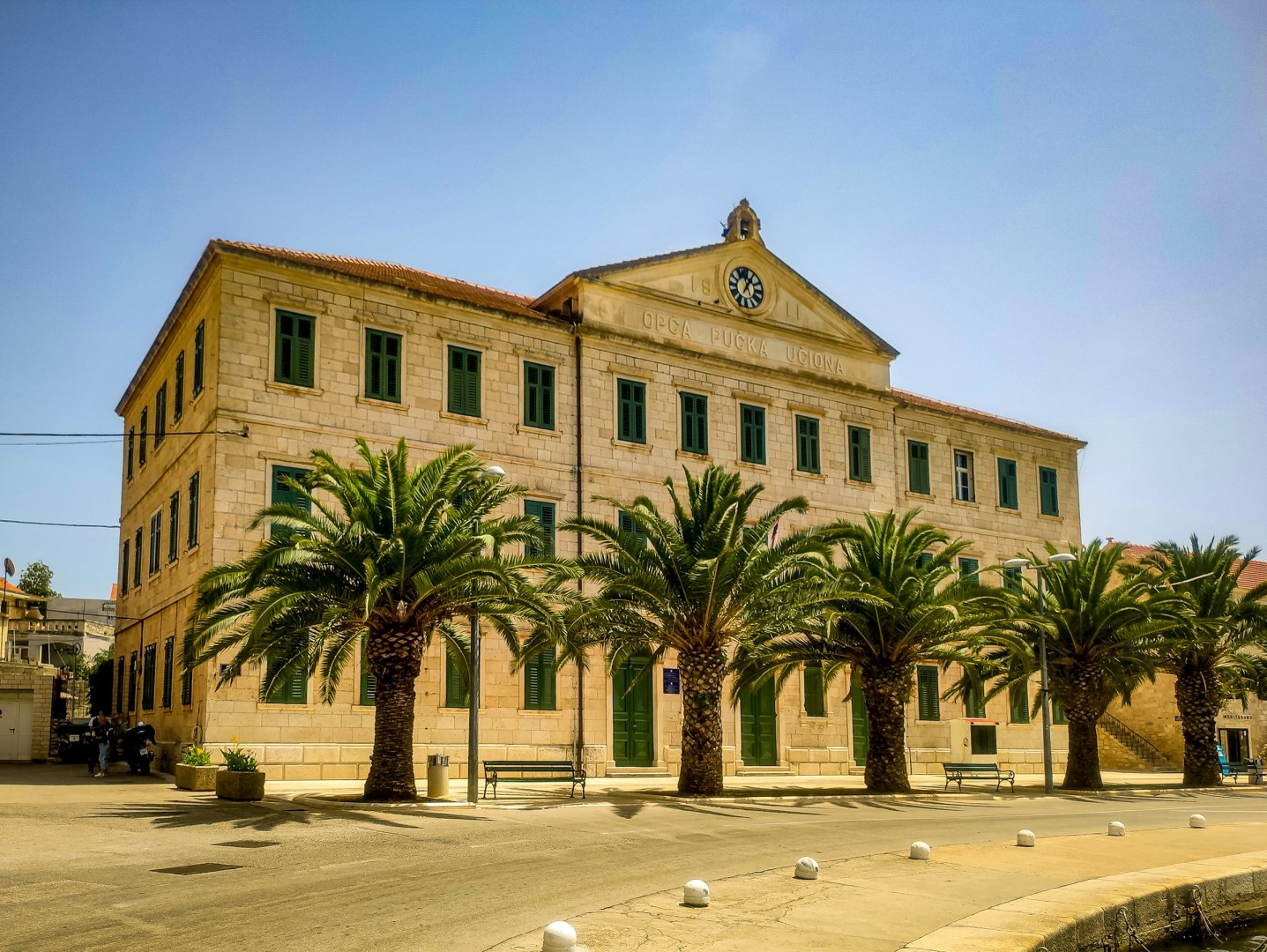
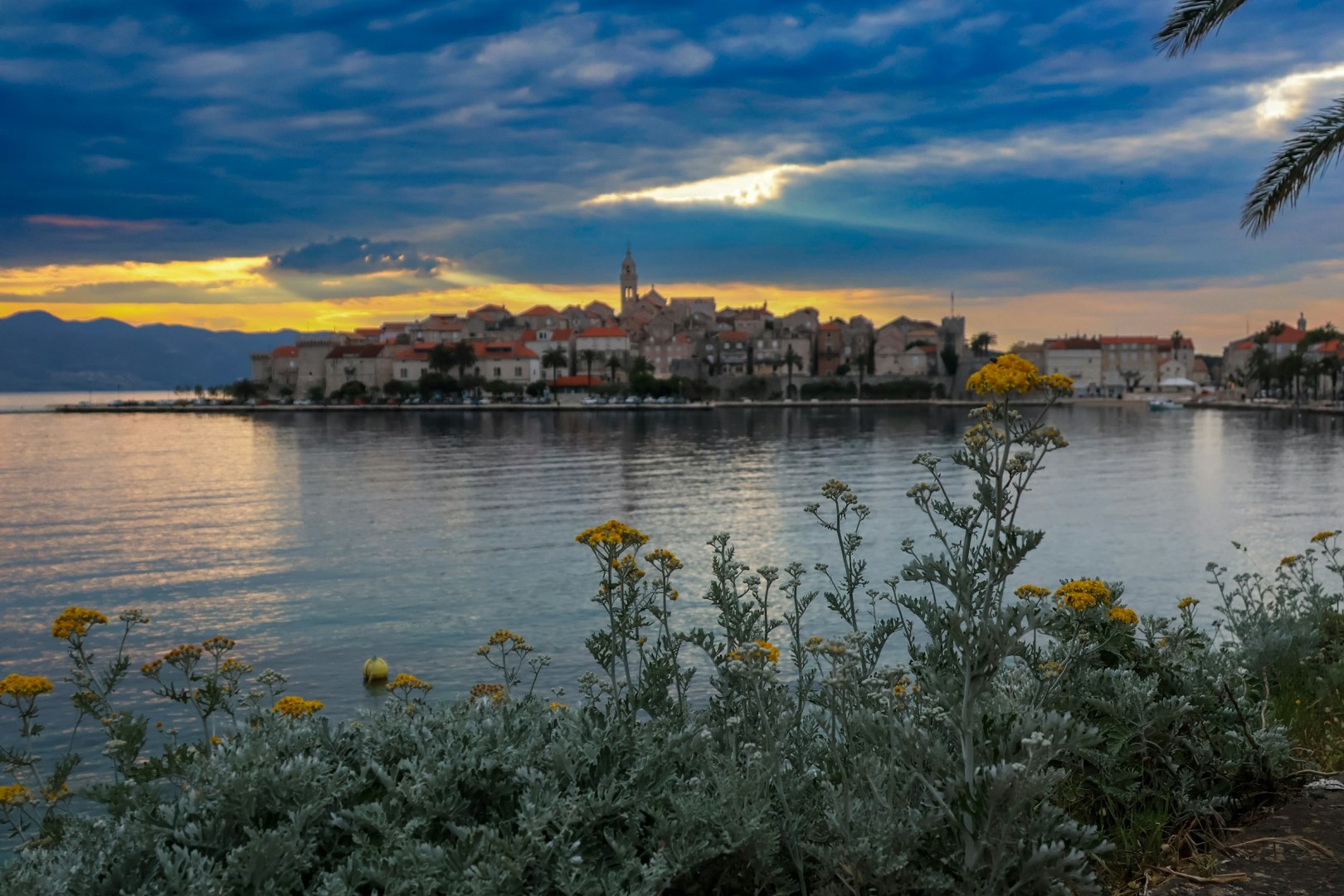
Korčula, a jewel in Croatia's Adriatic Sea, invites visitors to immerse themselves in its rich history and stunning natural beauty. Often referred to as "Little Dubrovnik," the city boasts well-preserved medieval architecture, narrow cobblestone streets, and a fortified old town encircled by ancient walls. This picturesque city is renowned for its blend of Venetian and local architectural styles, epitomized by landmarks like St. Mark's Cathedral and the impressive City Walls.
The birthplace of Marco Polo, Korčula offers a compelling glimpse into the life of this famous explorer. The Marco Polo Museum in the heart of the old town explores his travels and legacy, providing a fascinating insight into how this small island city influenced one of history's greatest adventurers (source). Walking through Korčula’s historic center feels like stepping back in time, with its charming squares, Gothic and Renaissance buildings, and quaint shops selling local crafts and wines.
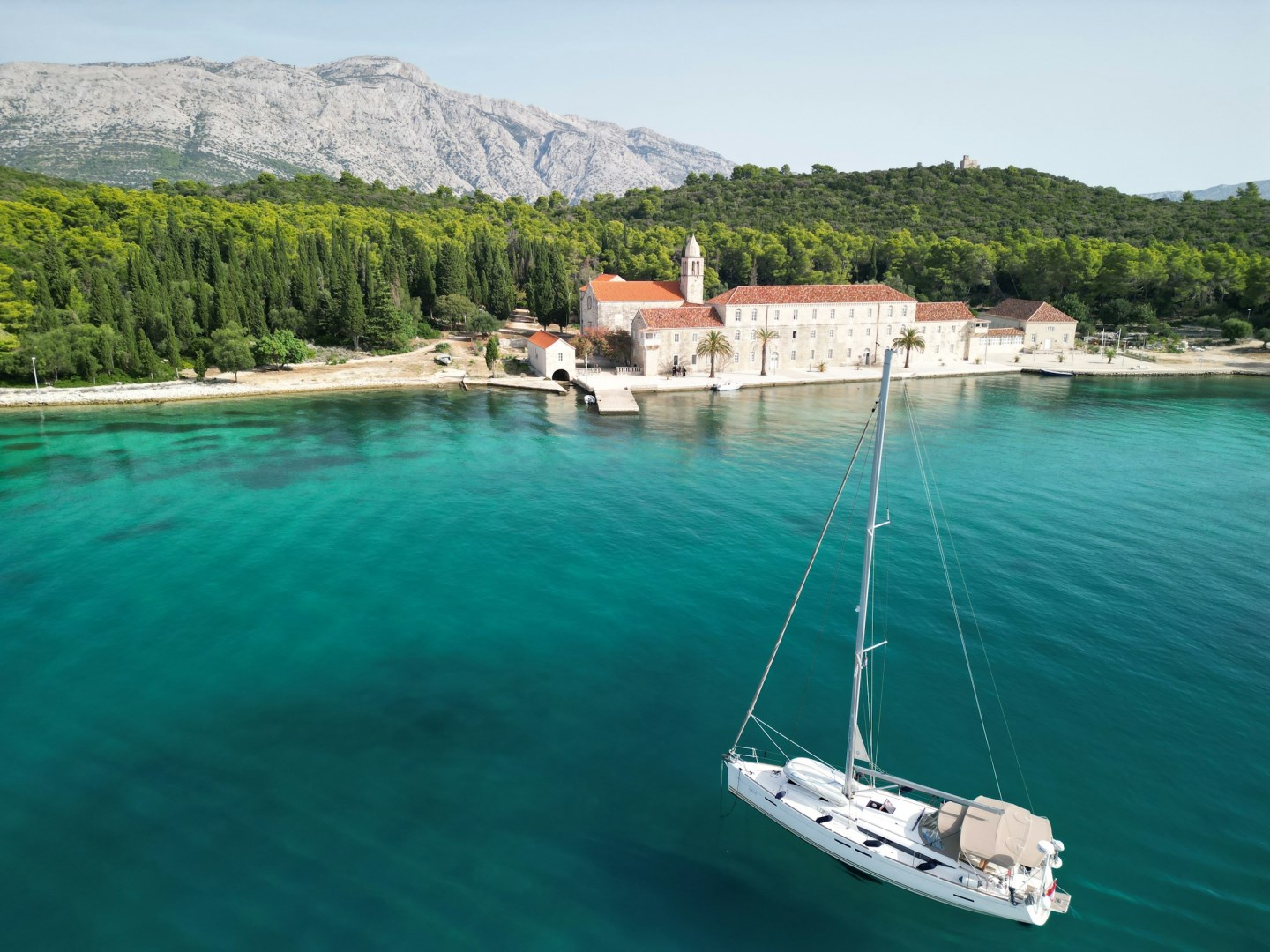
Korčula is also celebrated for its vibrant cultural scene and traditional events. The island hosts various festivals throughout the year, including the Moreska Sword Dance, a centuries-old performance reflecting local folklore and martial traditions. In addition to its historical and cultural allure, Korčula’s crystal-clear waters and scenic beaches make it an ideal destination for relaxation and outdoor activities, such as swimming, sailing, and hiking.
Whether you’re intrigued by its historical connections, enchanted by its medieval charm, or eager to explore its beautiful coastlines, Korčula offers a memorable experience that captures the essence of Croatia’s cultural and natural splendor.
Other Popular Destinations in Croatia
Dubrovnik
Dubrovnik, often hailed as the "Pearl of the Adriatic," is a city where history and stunning natural beauty converge. Enclosed within its ancient city walls, which are a UNESCO World Heritage Site, you’ll find a captivating blend of medieval architecture and vibrant culture. The city's Old Town is a maze of cobblestone streets, lined with baroque churches, Renaissance buildings, and charming squares.
Split
Split, Croatia, is a city where ancient history and modern vibrancy blend seamlessly, creating an alluring destination for travelers. At the heart of Split is the UNESCO World Heritage Site of Diocletian's Palace, a remarkably well-preserved Roman complex built by Emperor Diocletian in the 4th century AD. This sprawling palace complex, with its labyrinthine streets, ancient walls, and grand Peristyle courtyard, is not just a historical site but a bustling part of the city’s daily life.