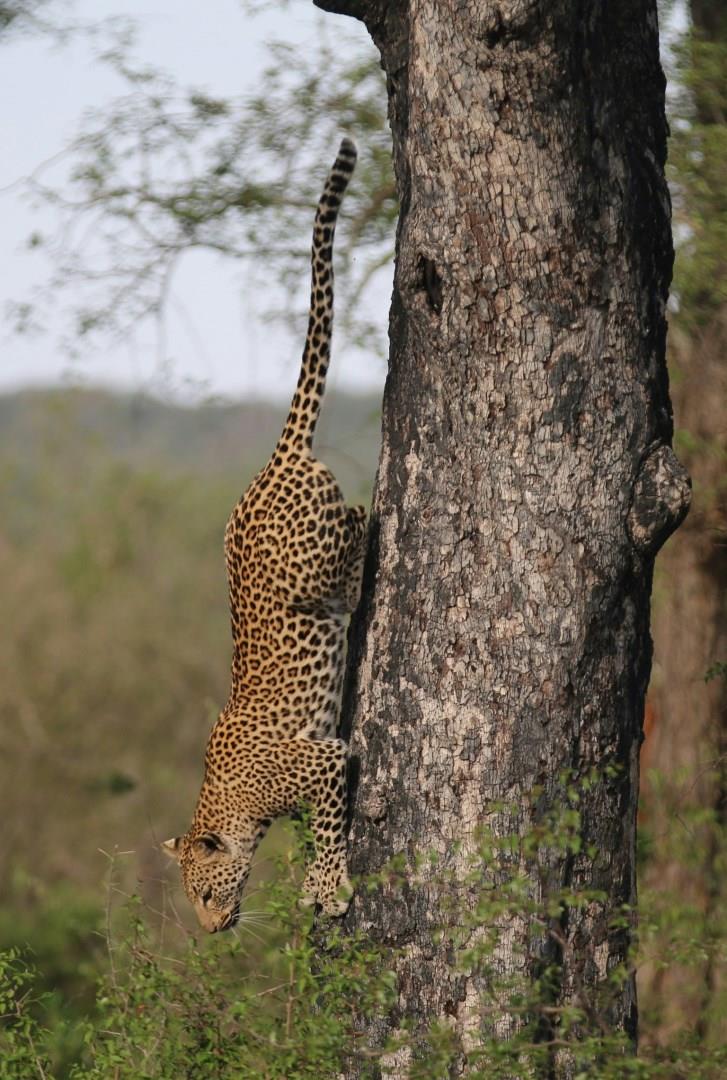
Sabi Sand Nature Reserve
Sabi Sands Nature Reserve, located in South Africa’s Mpumalanga province, is one of the country’s most renowned private game reserves. Sharing an unfenced boundary with the Kruger National Park, it offers visitors a chance to see Africa’s iconic wildlife in an environment that feels both wild and exclusive. The reserve is particularly famous for its sightings of the Big Five (lion, leopard, elephant, buffalo, and rhino) often spotted during guided game drives at dawn and dusk.
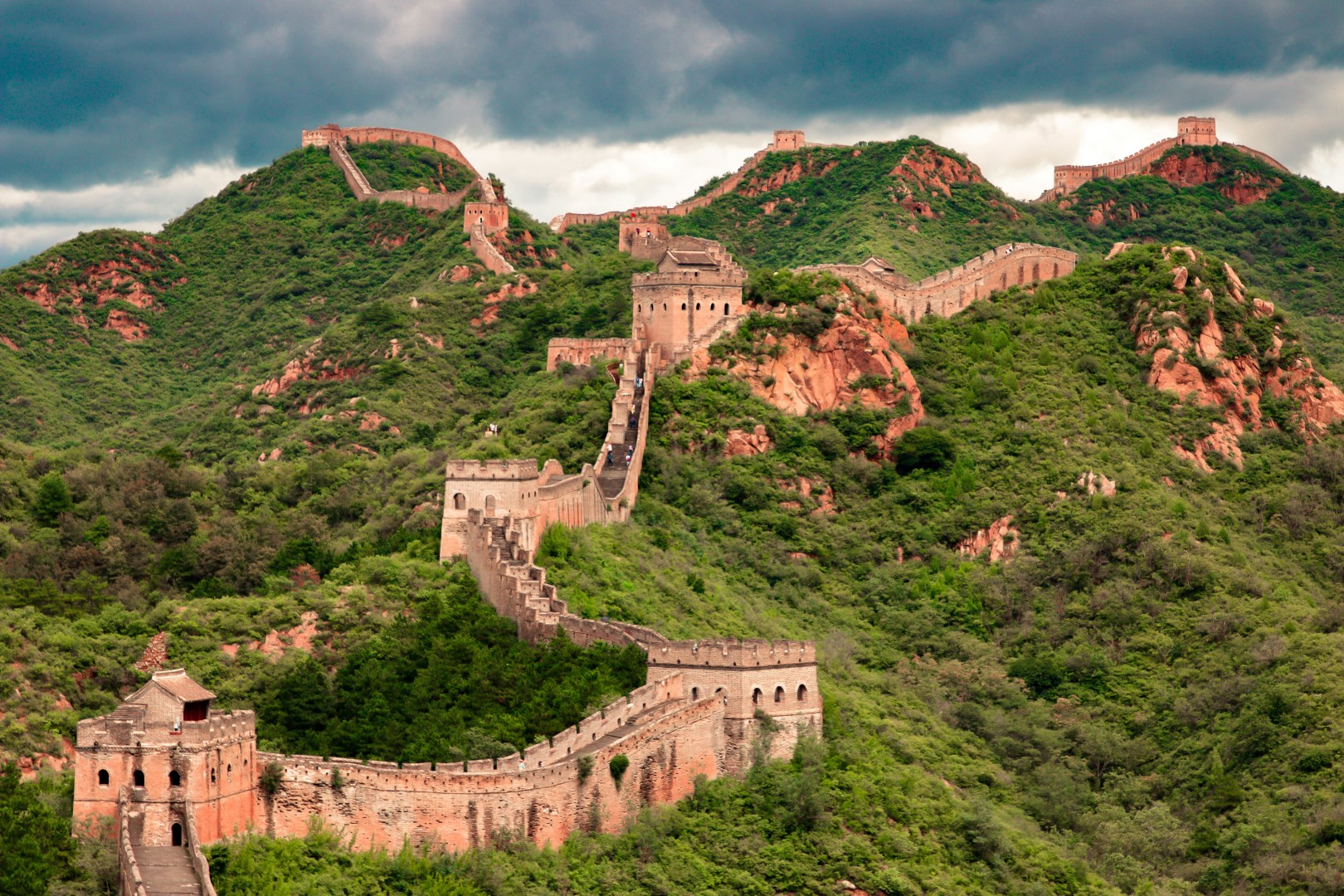
Great Wall
The Great Wall of China stretches across mountains, deserts, and grasslands, forming one of the most striking man-made landmarks in the world. Rather than a single continuous wall, it is a network of sections built with stone, brick, and packed earth, each shaped by the landscape it crosses. In areas near Beijing, such as Mutianyu, the wall winds along forested ridges, offering sweeping views that change with the seasons.
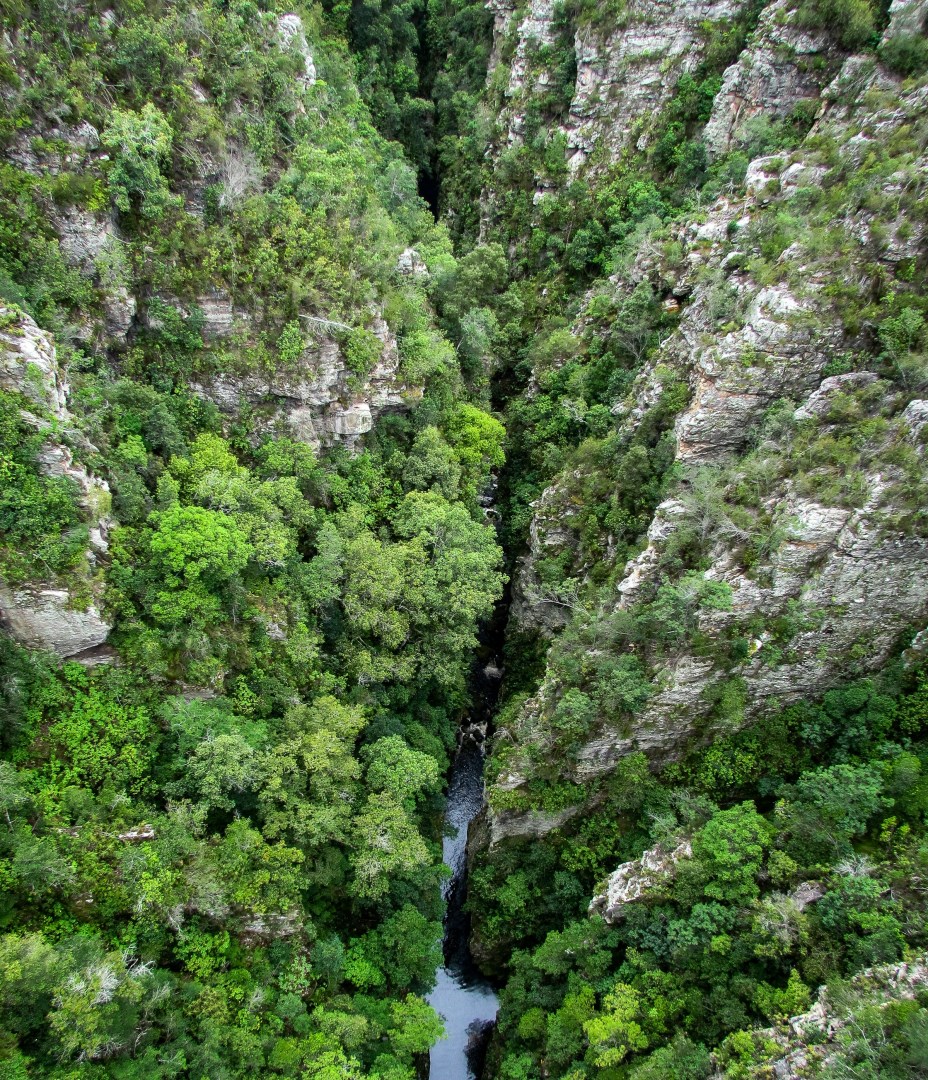
Knysna
A natural paradise of lush indigenous forests, tranquil lakes and golden beaches adorns South Africa's unspoilt southern coast. Nestling on the banks of a shimmering lagoon in the heart of this "Garden Route" is the picturesque town of Knysna. Beaches, lakes, mountains and rivers provide endless opportunity for leisure and outdoor adventure. Within the town, craft shops, flea-markets and cosy cafe’s beckon with small-town charm and hospitality.
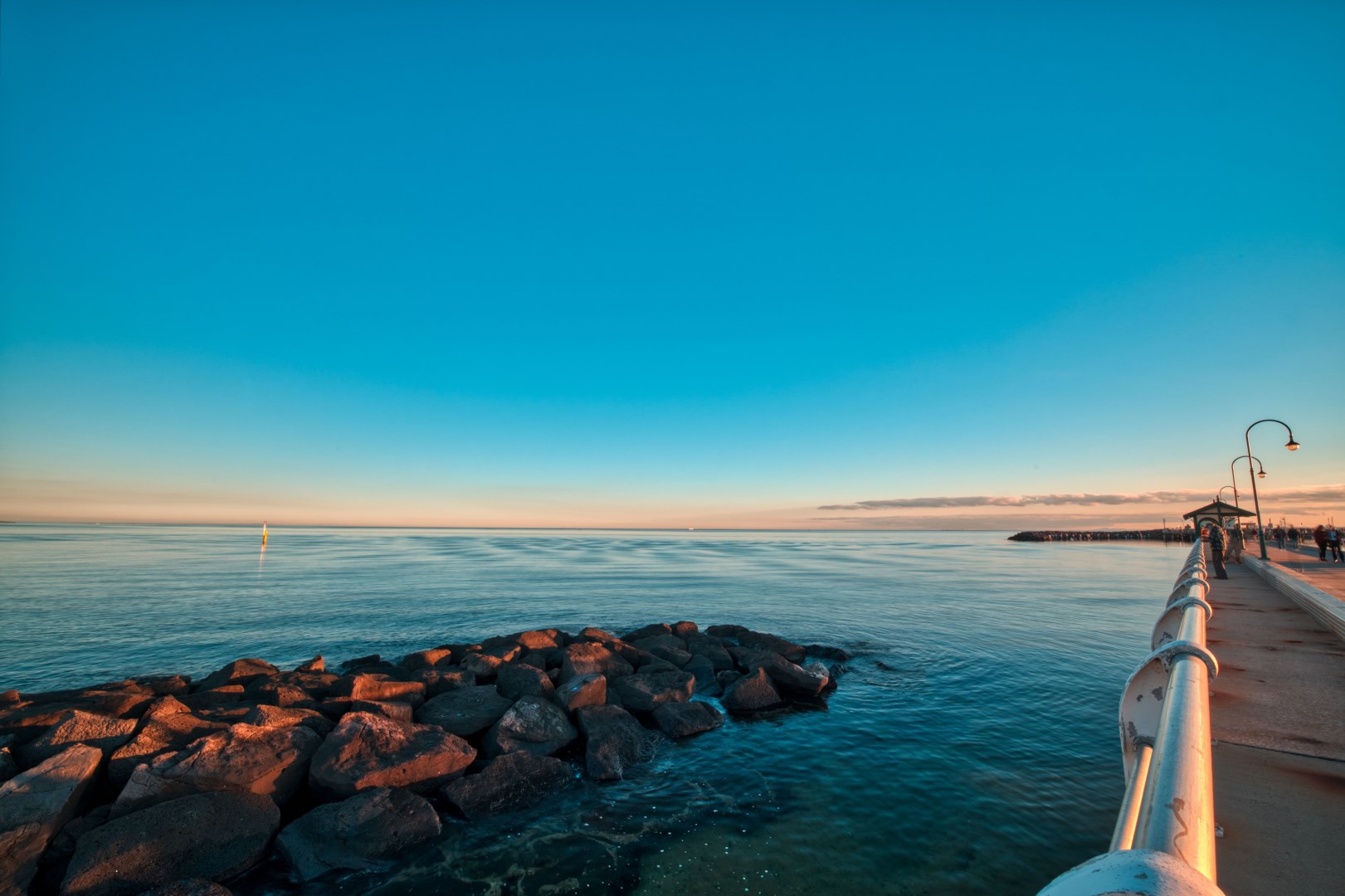
St. Kilda
Set along the shoreline of St Kilda, Victoria, Australia, this seaside suburb offers a relaxed coastal setting just minutes from central Melbourne, Victoria, Australia. Its wide promenade, lined with palm trees, draws both locals and visitors who come to walk, cycle, or simply watch the bay. The historic St Kilda Pier stretches into the water, offering open views of Port Phillip Bay and a steady breeze that carries the scent of salt and sea.

Val Gardena
Val Gardena, nestled in the heart of the Italian Dolomites, is a paradise for outdoor enthusiasts and a hidden gem for travelers seeking alpine beauty. This stunning valley is part of the UNESCO World Heritage-listed Dolomites, renowned for its dramatic mountain landscapes, lush meadows, and charming villages. Whether you're visiting in the summer for hiking and mountain biking or in the winter for world-class skiing, Val Gardena offers year-round adventure paired with breathtaking scenery.