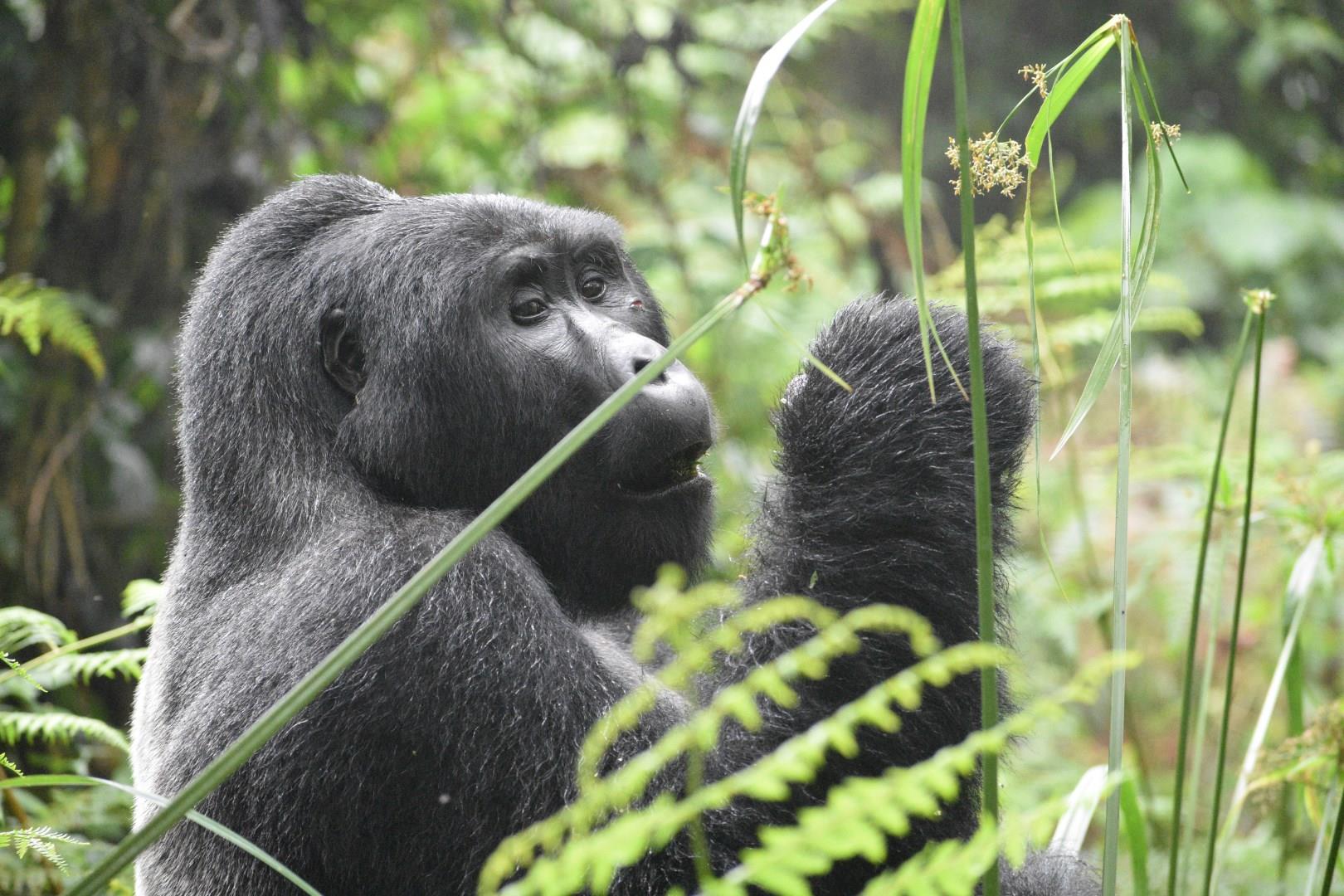
Volcanoes National Park
Volcanoes National Park, in northwestern Rwanda, is a place where dramatic volcanic landscapes meet extraordinary wildlife encounters. Stretching across the Virunga Mountains, the park is dominated by five towering volcanoes whose slopes are cloaked in rainforest and bamboo.
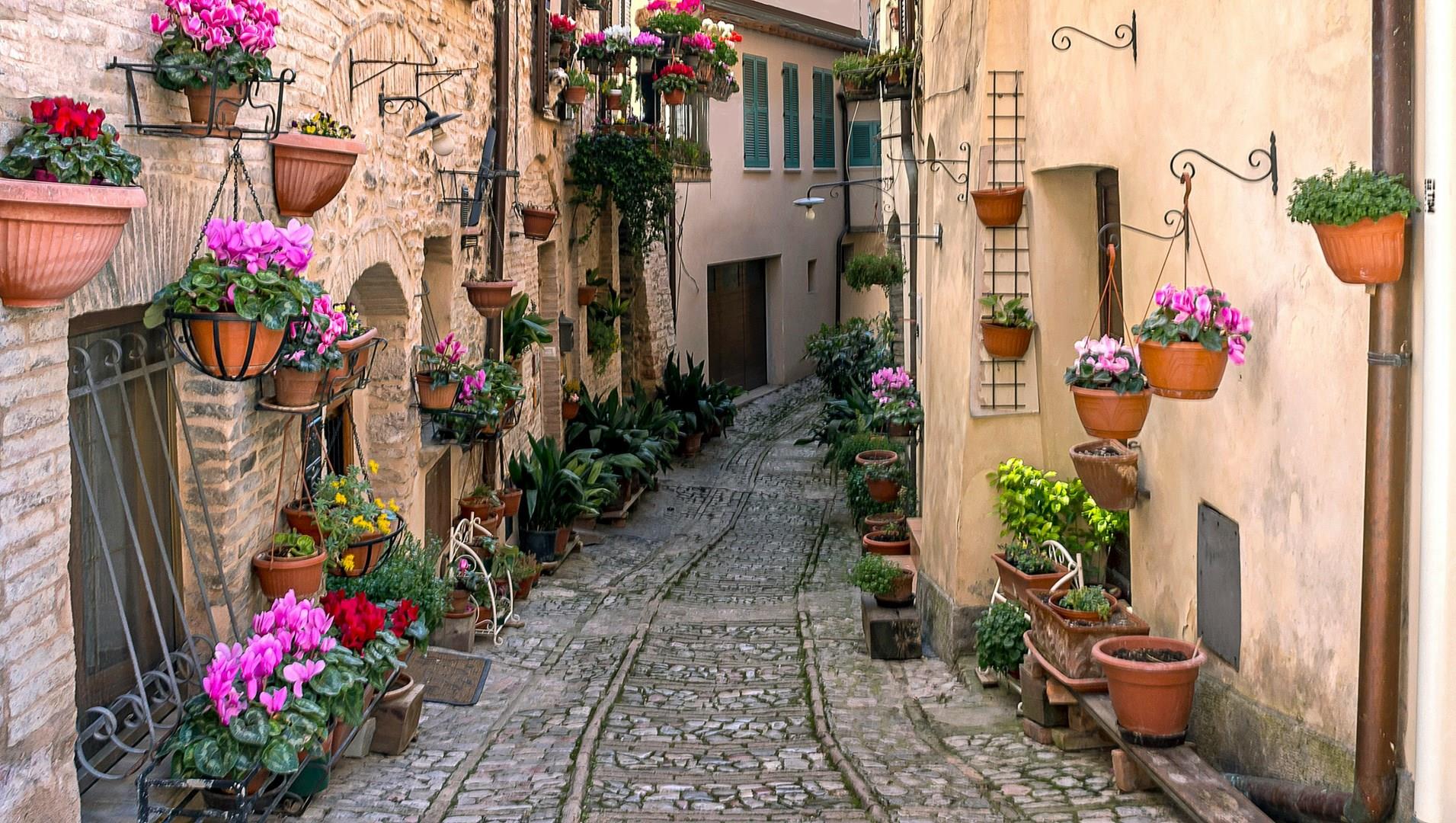
Spello
Spello sits high on the slopes of Mount Subasio in the heart of Umbria, where visitors step into a place shaped by centuries of history. Each year, Spello’s streets become a living canvas during the Infiorate di Spello, a long-standing celebration tied to Corpus Christi. Residents work through the night before the feast to lay flower petals along the town’s main thoroughfares, creating patterns and images that stretch for over a mile.
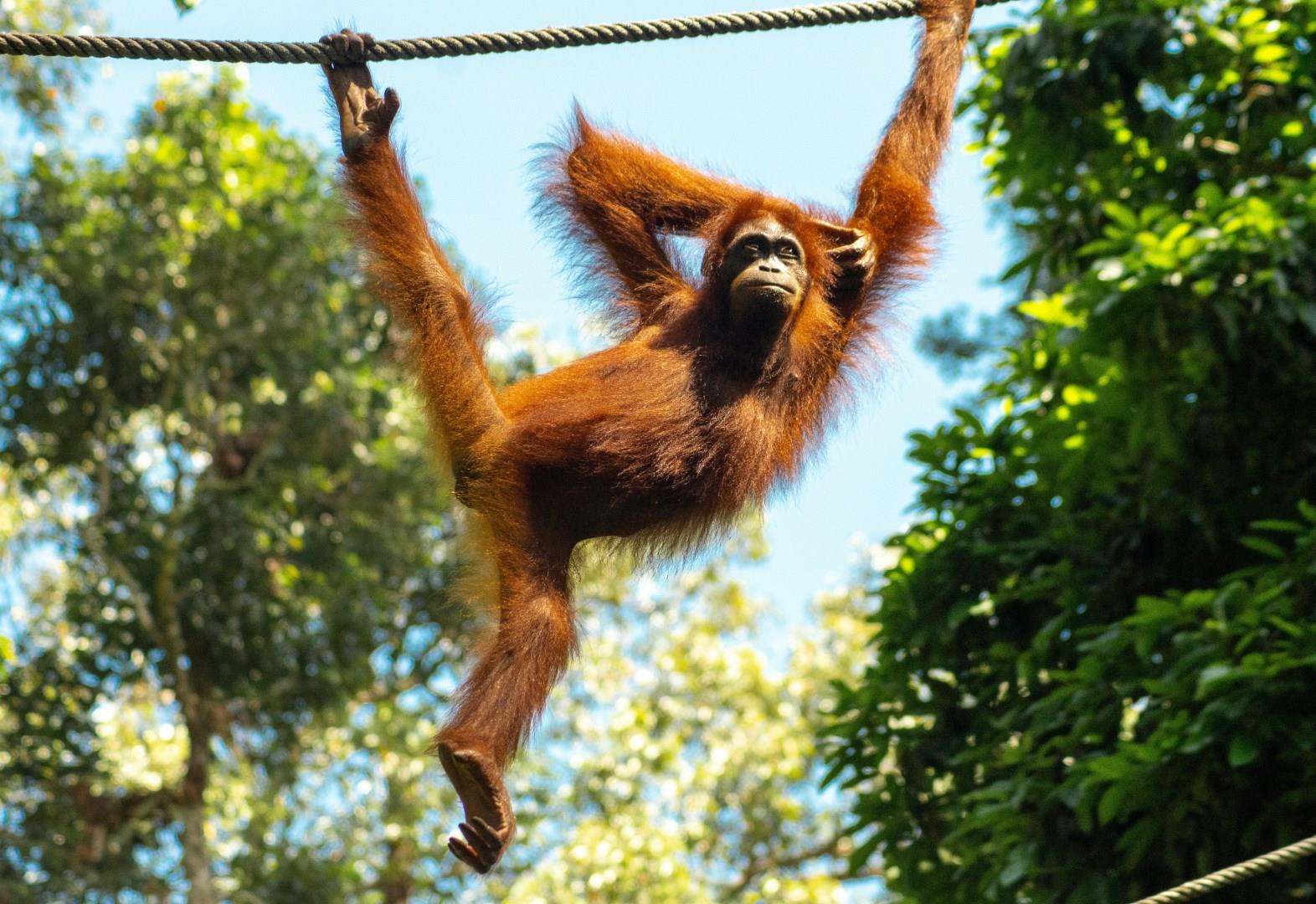
Sandakan Sabah
Sandakan, on the northeast coast of Sabah in Malaysian Borneo, is a city where history, wildlife, and culture come together. Once a major trading port known as “Little Hong Kong” for its bustling connections to the wider world, Sandakan has retained its multicultural character, with influences from Chinese, Malay, and Indigenous communities visible in its temples, markets, and cuisine.
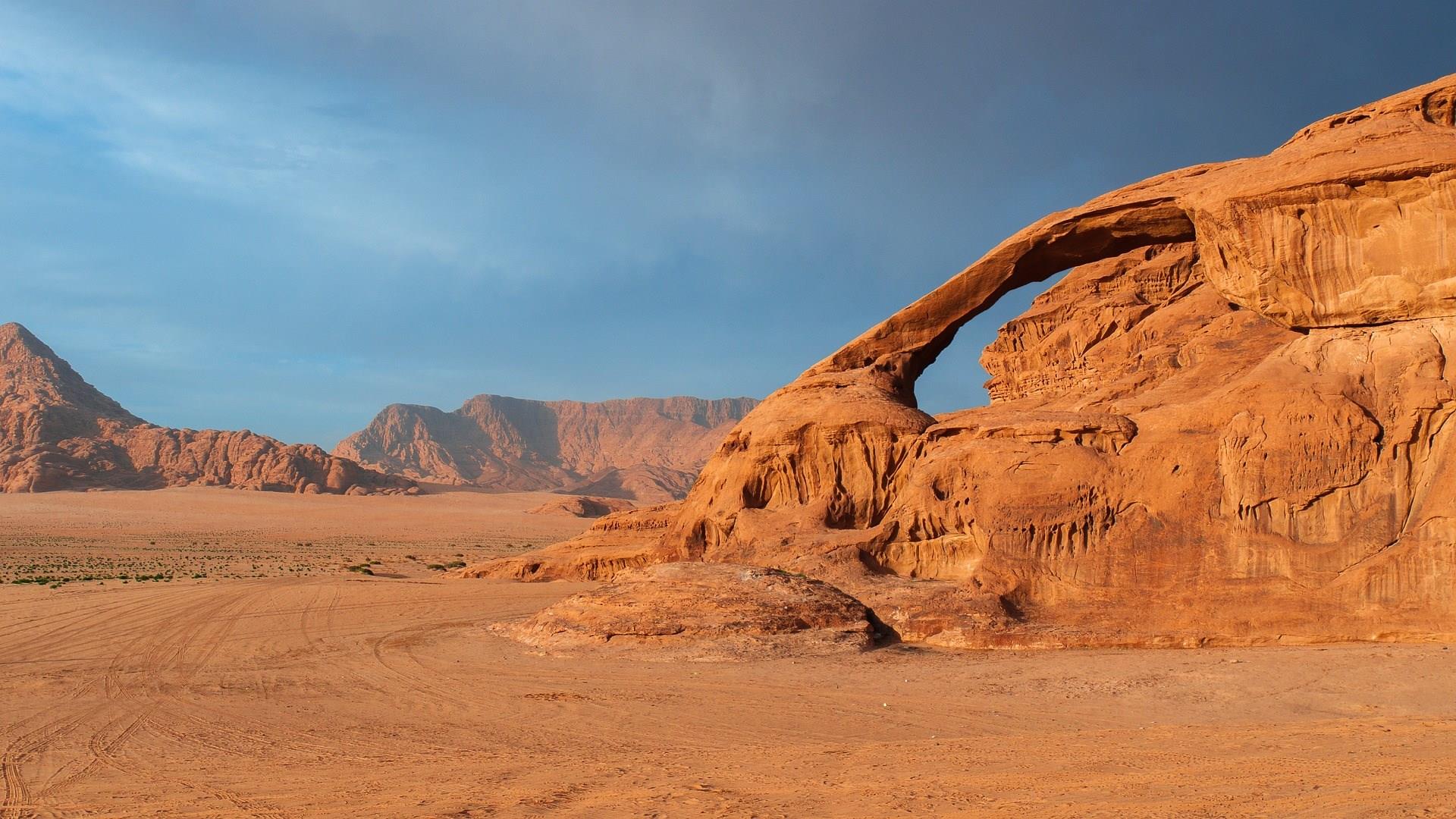
Wadi Rum
Wadi Rum, often called the “Valley of the Moon,” is a desert landscape in southern Jordan renowned for its dramatic sandstone mountains, sweeping red sand dunes, and ancient history carved into the rock. Its vast, otherworldly scenery has made it both a UNESCO World Heritage Site and a backdrop for films set on distant planets.
Bakersfield
Bakersfield, located in the southern part of California’s Central Valley, is a city known for its agricultural significance, oil industry heritage, and vibrant cultural scene. Positioned at the junction of the Sierra Nevada and the San Joaquin Valley, Bakersfield offers a mix of urban amenities and easy access to California’s diverse landscapes.