João Pessoa
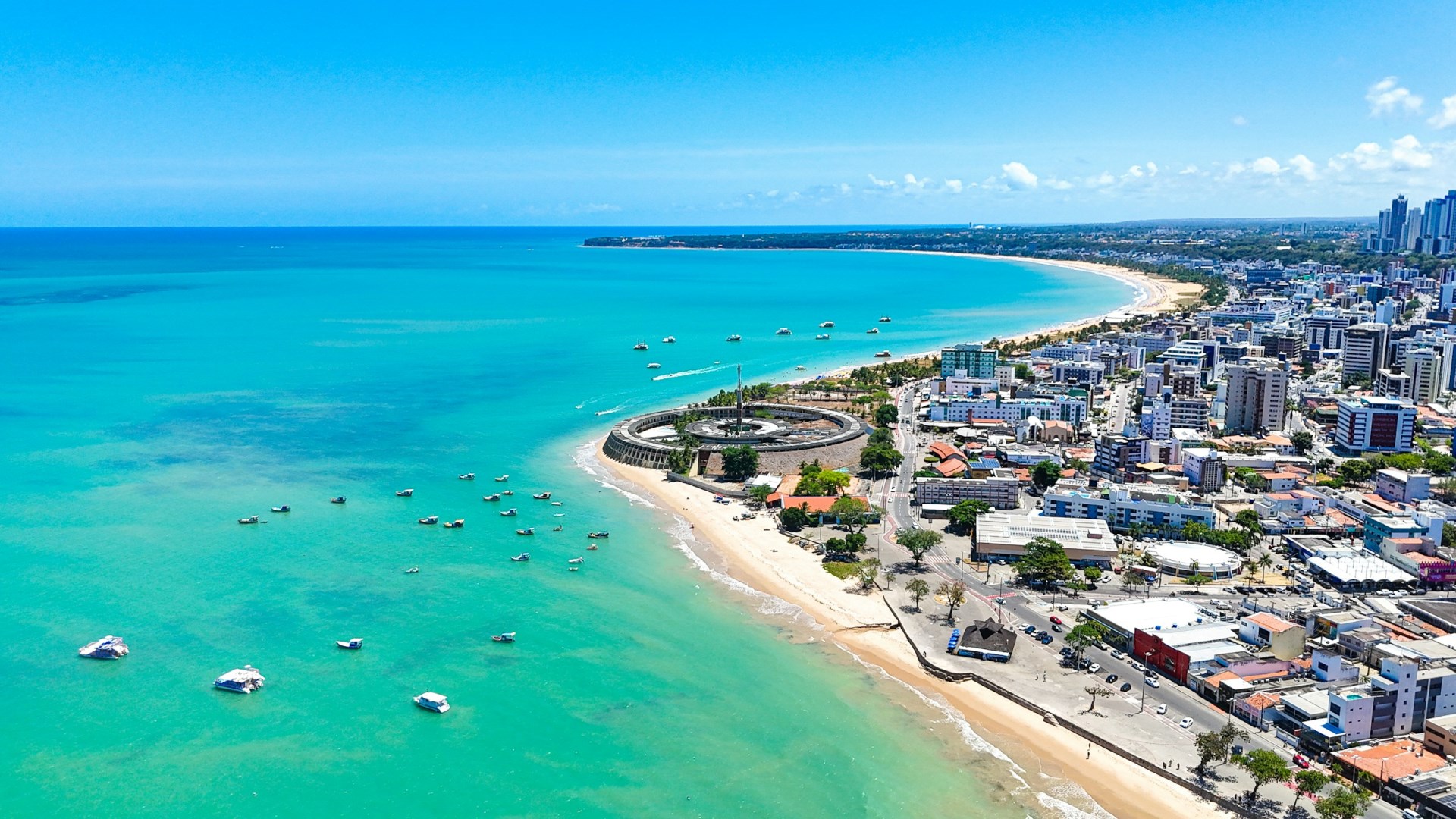
João Pessoa is the capital of Paraíba on Brazil’s northeastern coast, with an urban landscape that extends from the historic center to a long Atlantic waterfront. Its beaches include Tambaú, Manaíra, Cabo Branco, and Bessa, while the Sanhauá River borders the older part of the city. João Pessoa is also known for its abundant public greenery, including parks, tree-lined areas, and the Jardim Botânico Benjamim Maranhão.

Rouen
Set on the River Seine, Rouen is Normandy's capital and a breathtaking city steeped in history, art, and romance. Marvel at the exquisite Gothic architecture of the Palais de Justice, l'Église Saint-Maclou, l'Abbatiale Saint-Ouen, and the Cathédrale Notre-Dame de Rouen.

Athens
Ancient history comes alive in Athens, the capital of Greece. Gaze in wonder at the Acropolis and its iconic crown, the Parthenon. Take a deeper dive into the past and visit both the Acropolis Museum and the National Archaeological Museum, which house fascinating artifacts from this ancient city.
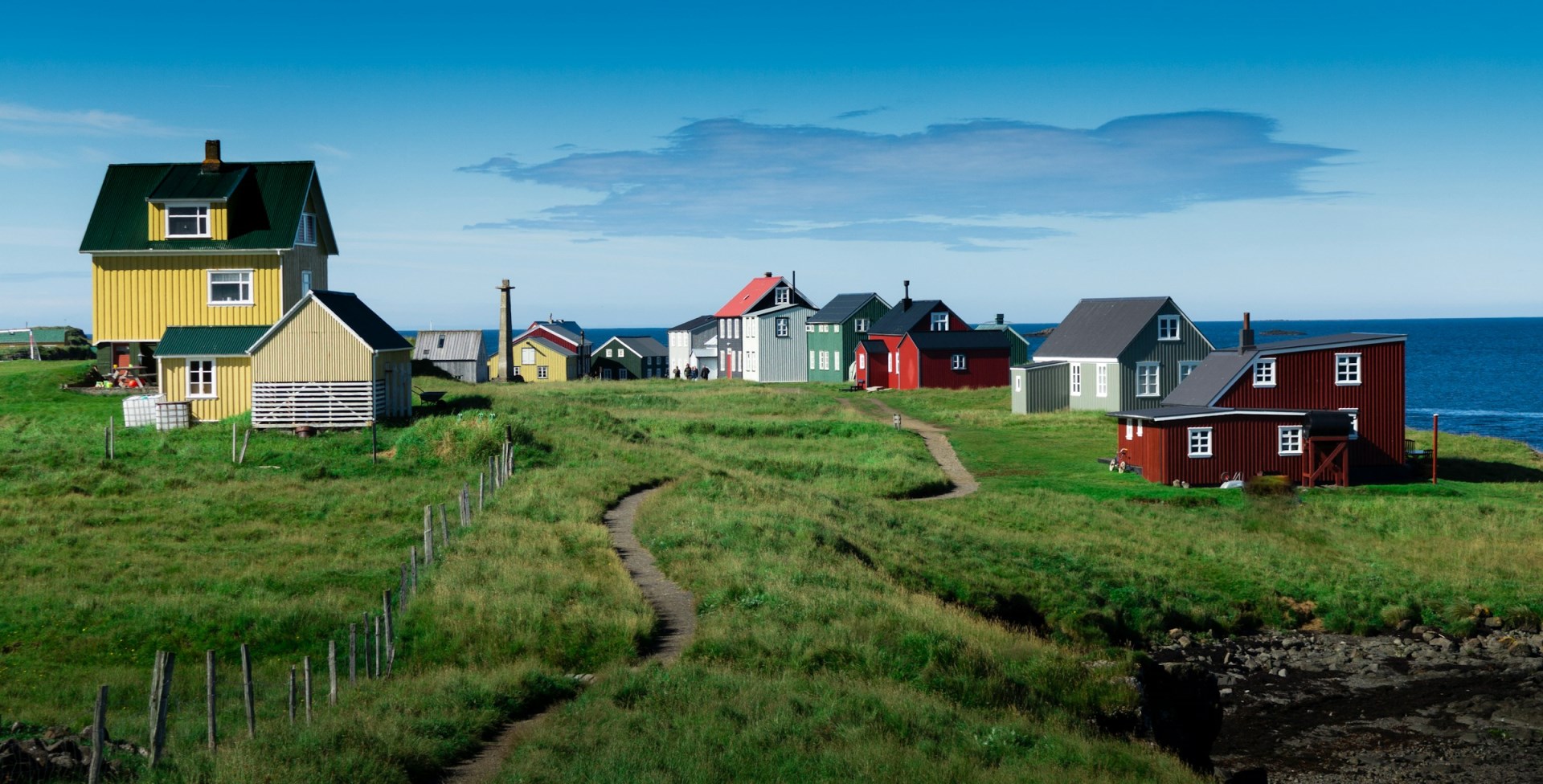
Flatey
Flatey is a small island in Breiðafjörður in western Iceland, known for its compact settlement, historic buildings, and quiet coastal landscape. The island is almost entirely flat, with low fields and rocky shores extending between the surrounding skerries. Its main settlement consists of a cluster of colorful wooden houses, many of which have been preserved as part of the island’s heritage.

Nawiliwilli, Kauai
This is your passage into the sacred "Garden Isle," where the sweet smell of the mokihana berry permeates the air and the lush green landscapes intoxicate your senses. Visit Waimea Canyon and witness the union of water, sunshine, clouds and canyon walls as they create the most colorful rainbows imaginable.