
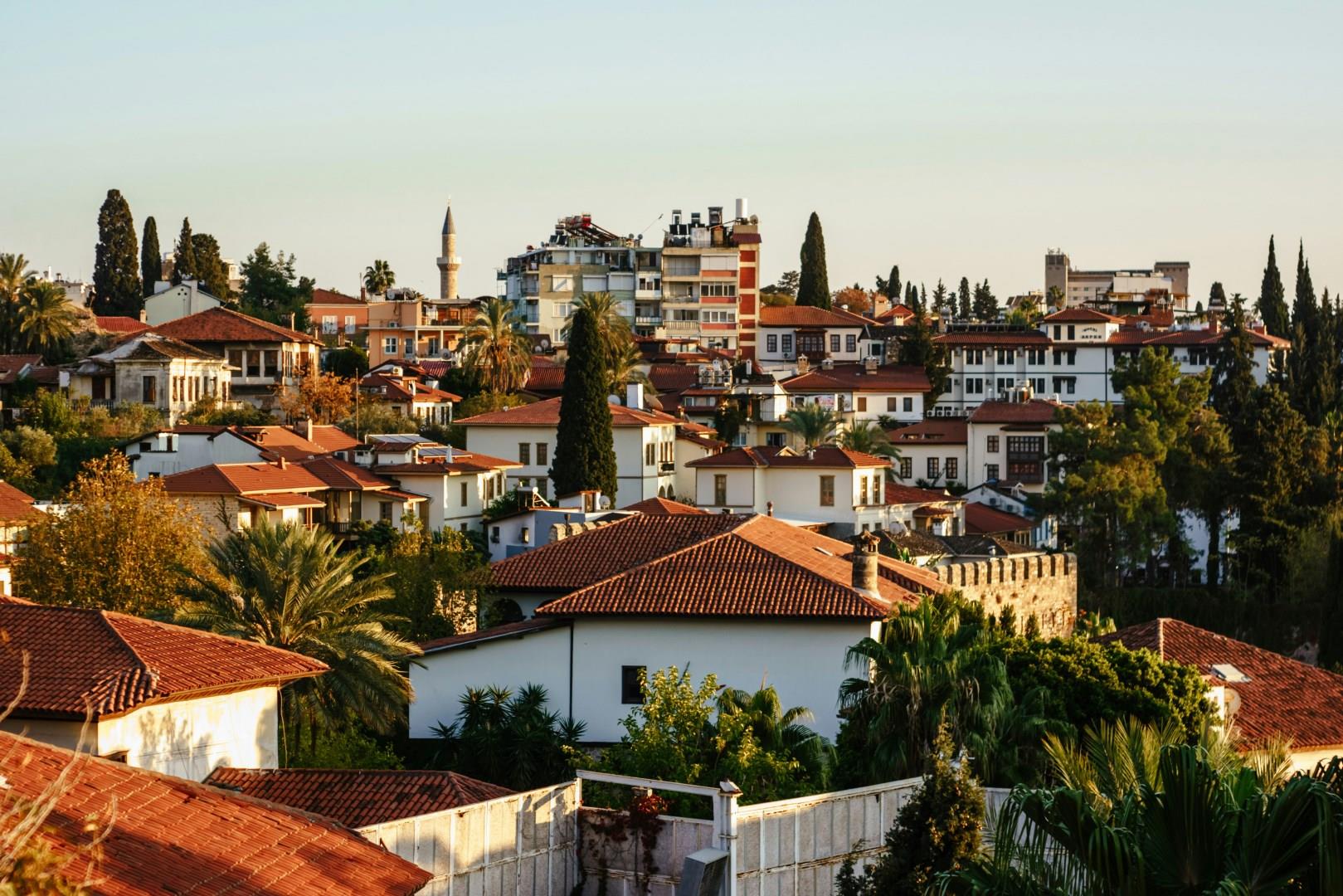
Selcuk
Selcuk, a small town in western Turkey’s İzmir Province, is one of the country’s richest destinations for history lovers. It sits at the foot of the ancient city of Ephesus, once one of the great cities of the classical world and home to the Temple of Artemis, one of the Seven Wonders of the Ancient World.

Okavango Delta
The Okavango Delta, located in Botswana, is one of Africa’s most extraordinary natural wonders. This vast inland delta, renowned for its rich biodiversity and stunning landscapes, offers a unique opportunity to experience a pristine wilderness. As the Okavango River meanders into the Kalahari Desert, it creates a sprawling floodplain that transforms into a lush oasis during the annual flood.

Las Vegas
Las Vegas, Nevada, is an electrifying city where glitz and glamour meet entertainment and excitement. Known as "The Entertainment Capital of the World," Las Vegas offers an unparalleled array of attractions, from its iconic casinos and luxurious hotels to its world-class dining and live shows. The city's entertainment scene is second to none, featuring legendary headliners, cutting-edge performances, and an array of themed attractions.

Quintana Roo
Quintana Roo, nestled on the Caribbean coast of Mexico’s Yucatán Peninsula, is a paradise that seamlessly blends ancient history with modern luxury. The state is perhaps best known for its glittering beaches and turquoise waters, epitomized by destinations like Cancún and Playa del Carmen.

Wrangell
Nestled at the confluence of the Stikine and Wrangell Rivers, Wrangell, Alaska, offers a unique blend of history, culture, and natural beauty. This charming city, with its rich Tlingit heritage and historic sites, is an ideal destination for those seeking an authentic Alaskan experience.


