
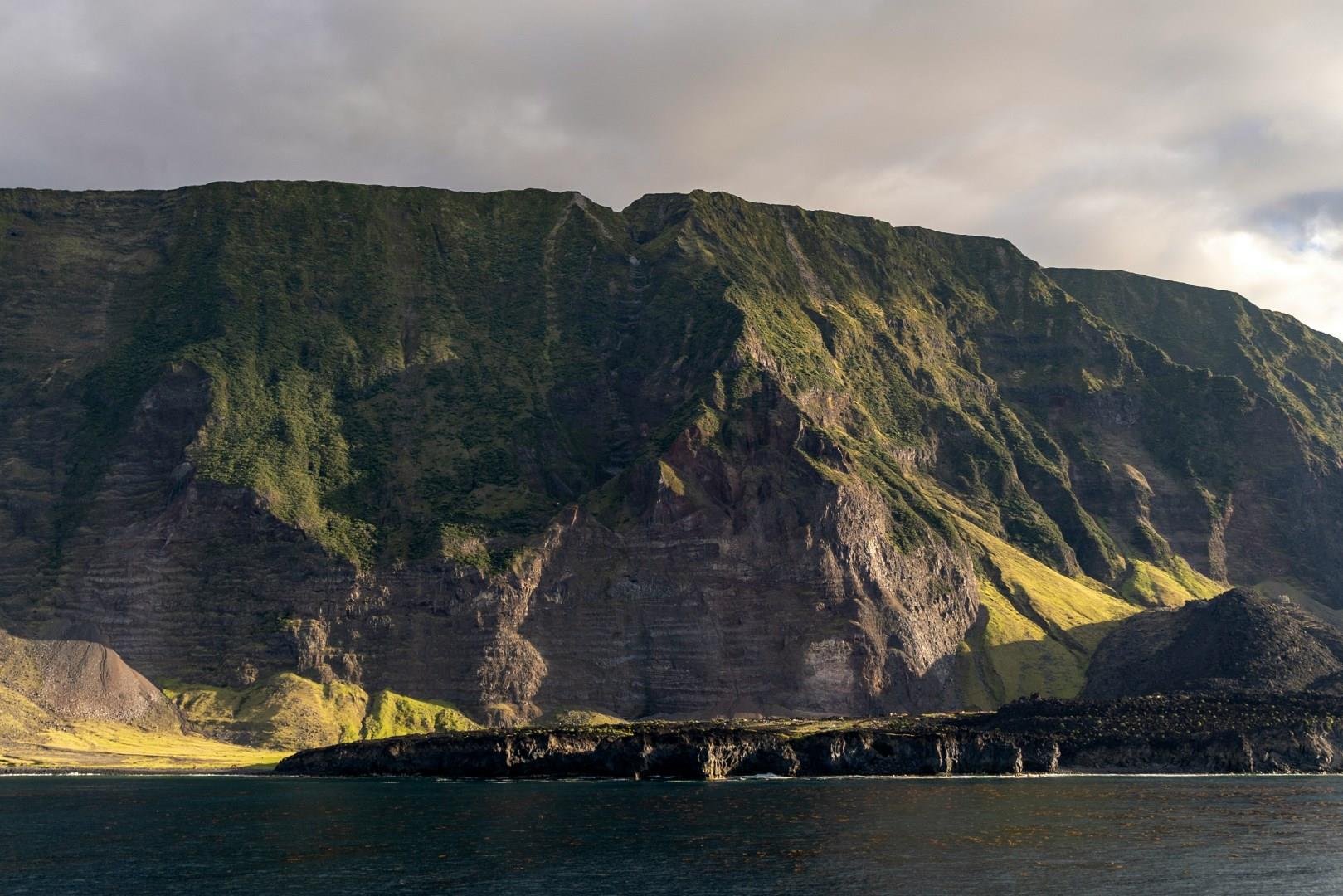
St. Helena
St. Helena is a remote island in the South Atlantic Ocean, known for its dramatic cliffs, volcanic landscapes, and rich history. It is most famous as the place where Napoleon Bonaparte spent his final years in exile, and visitors can explore Longwood House and other historic sites that tell the story of this period.

Eryri National Park (Snowdonia)
Snowdonia, a majestic national park in North Wales, offers a stunning tapestry of natural beauty and adventure. At its heart is Mount Snowdon, the highest peak in Wales, reaching 1,085 meters (3,560 feet). The mountain is accessible via several well-marked trails, with the Snowdon Mountain Railway providing a scenic ride to the summit. From the top, panoramic views stretch over rugged landscapes and, on clear days, to the distant peaks of Ireland.

Burgundy
Burgundy, or Bourgogne in French, is a region in eastern France famed for its rolling vineyards, historic towns, and deep cultural heritage.

Gaborone
Gaborone, the vibrant capital of Botswana, offers a unique blend of modernity and tradition, making it an increasingly popular destination for travelers seeking an African city adventure. Founded in 1966, this city is relatively young but holds immense significance as the political and economic heart of Botswana.

Bay of Kotor
Enclosed by mountains, the Bay of Kotor is dotted with historic towns, medieval fortifications, and centuries-old churches, making it a must-visit location for travelers looking to explore a unique coastal landscape.


