

Tirana
Tirana, the lively capital of Albania, is a city that blends historical charm with modern vibrancy. At the heart of its transformation is Skanderbeg Square, a bustling hub named after the national hero Gjergj Kastrioti Skanderbeg.

Honduras
Honduras, located in the heart of Central America, is a destination that offers both hidden treasures and well-known wonders. The country’s history is deeply tied to the ancient Maya civilization, with the ruins of Copán, a UNESCO World Heritage Site, standing as one of the most impressive archaeological sites in the region.

Kuopio
Kuopio, Finland, offers a perfect blend of natural beauty and cultural richness, making it an alluring destination for visitors. Nestled in the heart of the Finnish Lakeland, Kuopio is surrounded by the serene waters of Lake Kallavesi, offering stunning panoramic views from the famous Puijo Tower. This 75-meter observation tower provides a sweeping vista of the lake and the rolling hills.
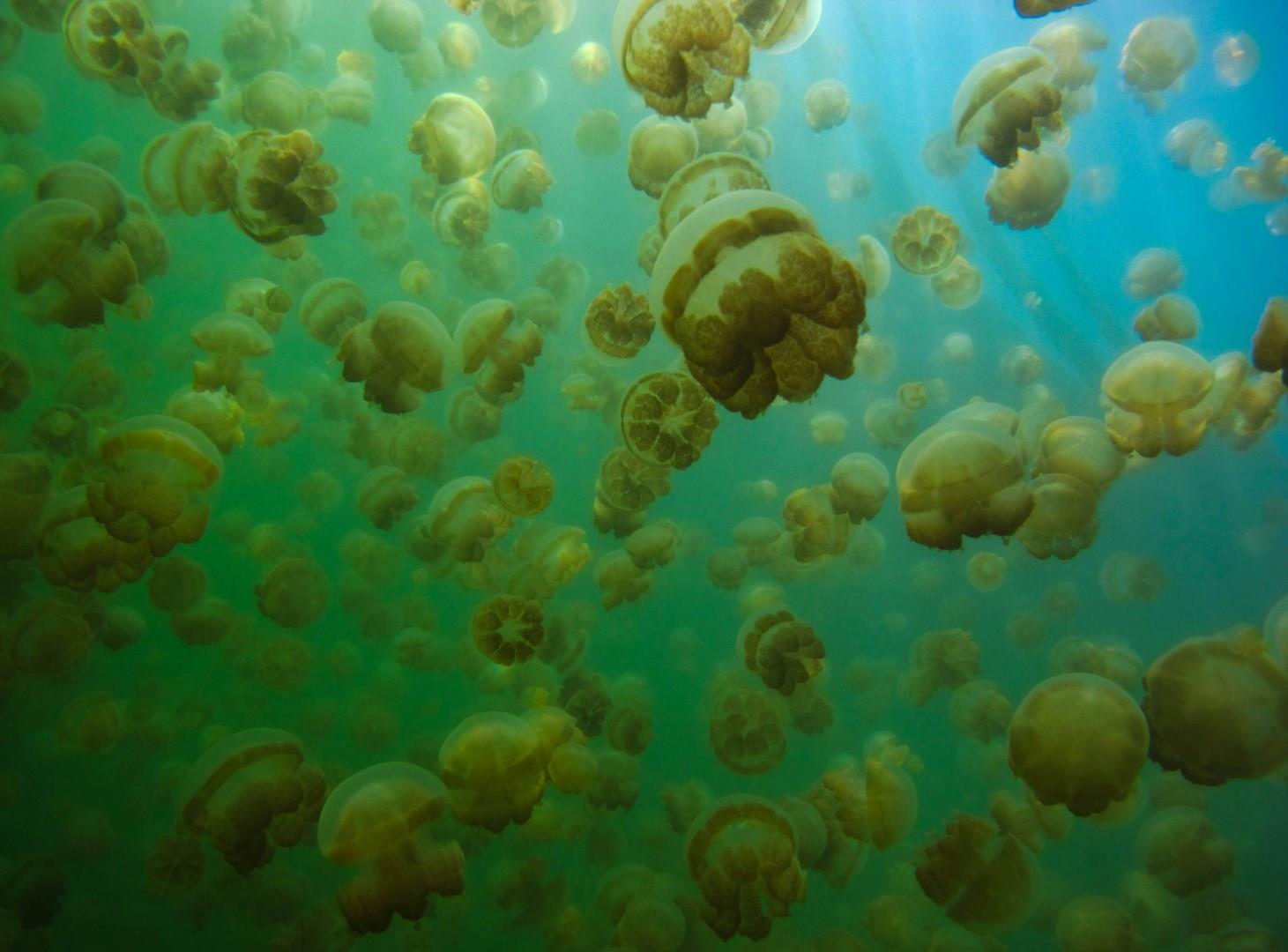
Jellyfish Lake
Jellyfish Lake is a shadowed oasis hidden among the mushroom-like Rock Islands of Palau. This forest‑fringed saltwater lake invites visitors to float with millions of gentle, stingless jellyfish that glow like drifting amber clouds under emerald light. The lake formed about 12,000 years ago, when rising seas flooded an ancient reef basin that was gradually cut off from the ocean. Over centuries, its jellyfish evolved in isolation, shedding their stings and multiplying without predators in sight.

Naples
Situated between magnificent Mount Vesuvius and the glittering Tyrrhenian Sea, Naples is the perfect destination for history and archaeology aficionados and lovers of savory Italian eats. Marvel at the ruins of Pompeii and Herculaneum, explore the San Gennaro Catacombs, and end your day with authentic Neapolitan pizza.


