Red Lodge
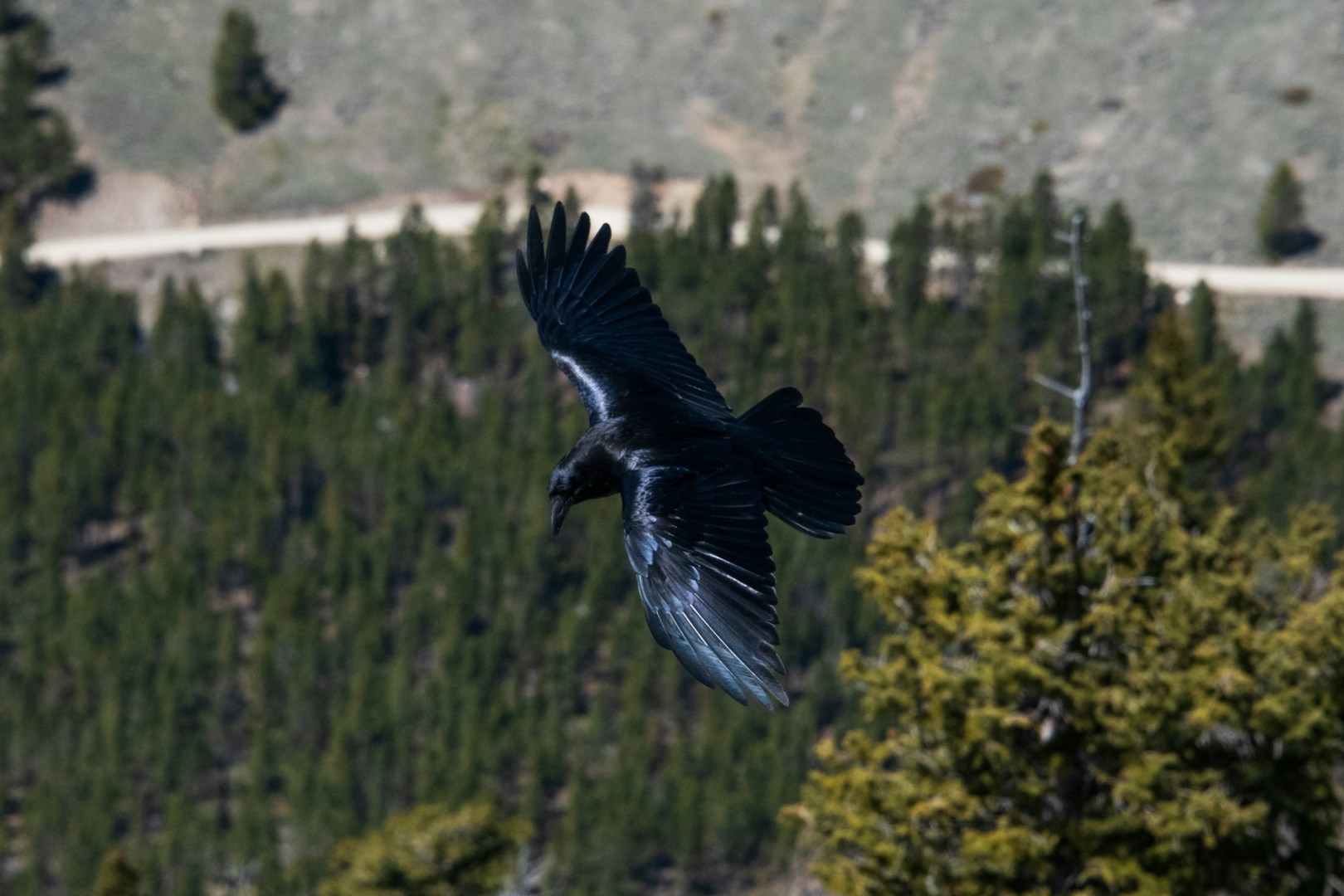
Red Lodge is situated 60 miles southwest of Billings, MT, at an altitude of 5,555 ft. Red Lodge and its citizens welcome you with warm Montana hospitality. During the mining boom of the late 1800's, miners from Scandinavia, Scotland and Ireland arrived to seek their fortunes and a better life. The town still has a strong European heritage. Today Red Lodge maintains its frontier tradition without sacrificing current trends
Omaha
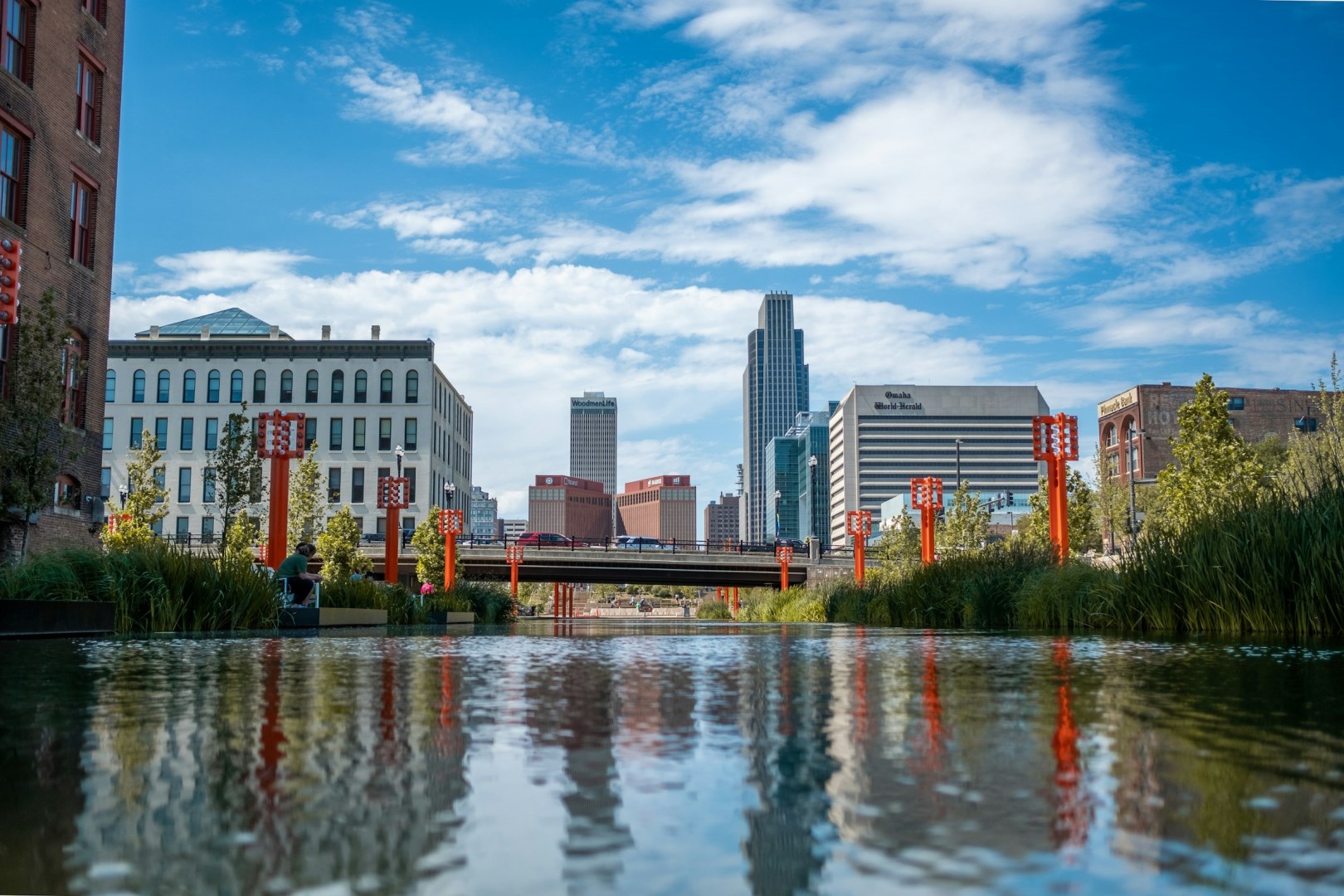
Omaha, city in eastern Nebraska. The seat of Douglas County, it is a port of entry on the Missouri River, opposite Council Bluffs, Iowa. The largest city in Nebraska, Omaha is a commercial, manufacturing, and transportation center situated in a productive livestock-raising and grain-farming region.
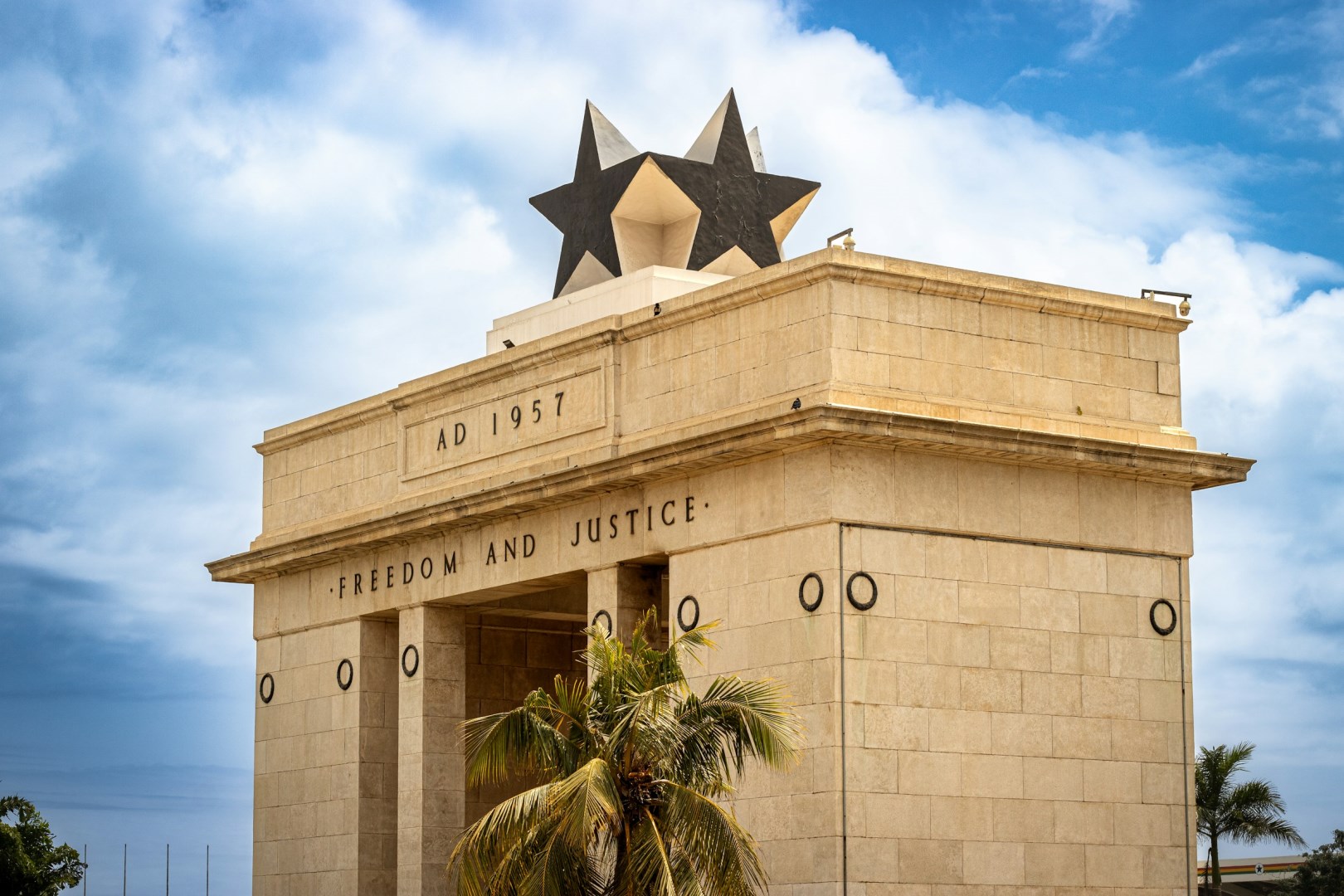
Accra
Accra, Ghana’s vibrant capital, blends coastal charm with an energetic urban atmosphere. Situated along the Atlantic Ocean, the city is a hub for arts, culture, and history, offering travelers a lively introduction to the country.
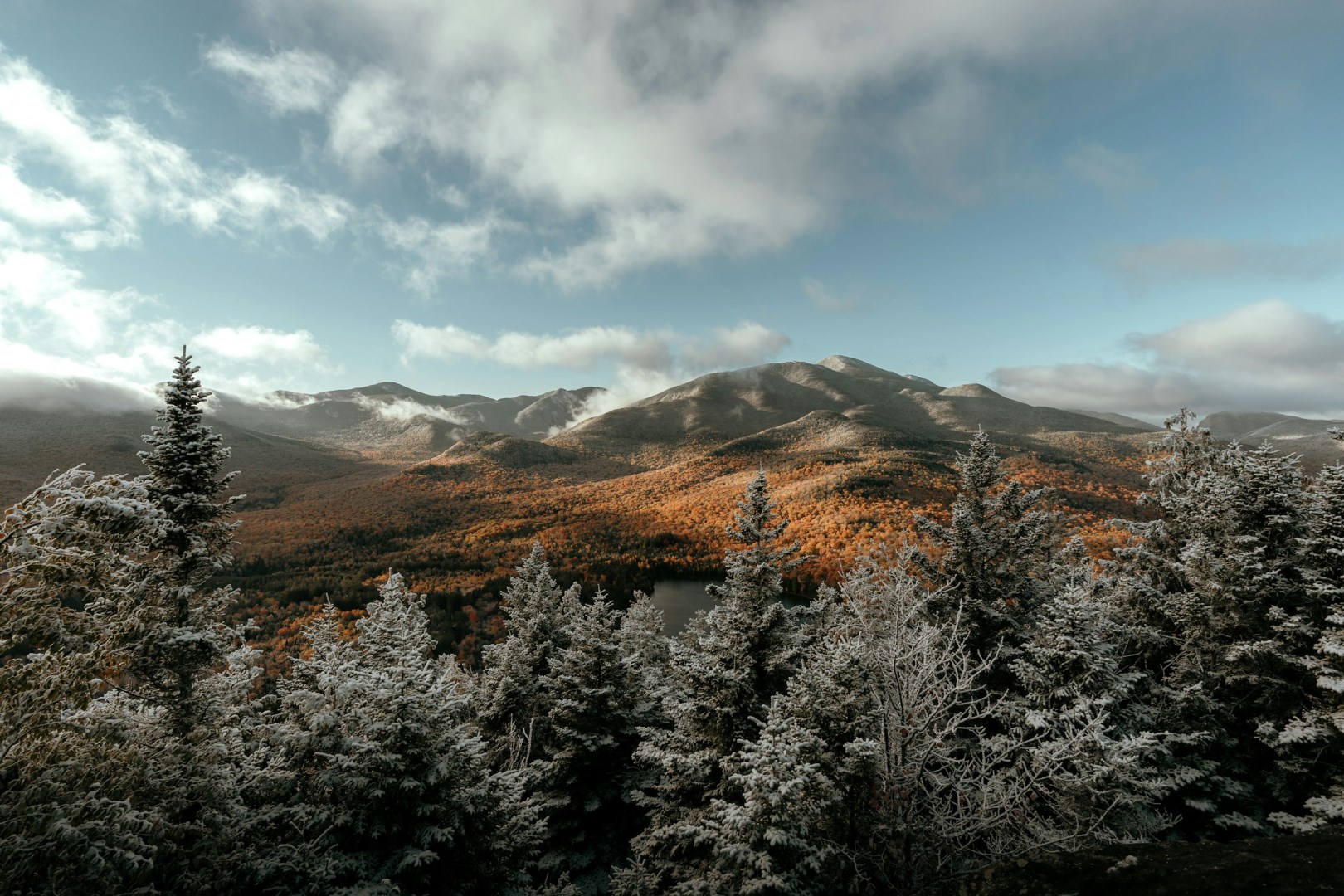
Adirondack Mountains
The Adirondack Mountains occupy a vast region of northern New York, surrounded by forests, lakes, rivers, and small communities. The mountains form part of the much larger Adirondack Park, which covers about six million acres and includes both public and private land. The landscape ranges from broad lake valleys to rugged high peaks, with Mount Marcy rising as New York’s highest summit. Towns such as Lake Placid, Saranac Lake, Keene, and Lake George provide gateways into the mountains, while the
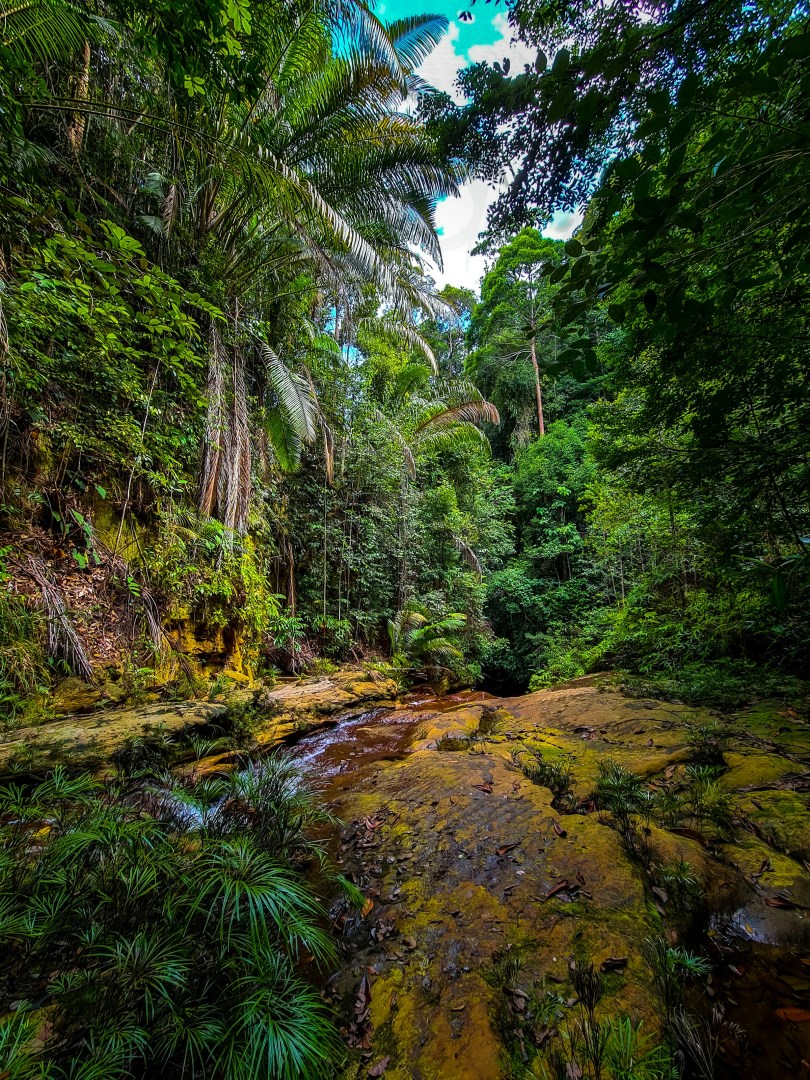
Miri
Sarawak is home to the world's oldest rainforest. Situated on the coast, Miri, is an ideal starting point on your adventure. Between its network of National Parks, wildlife sanctuaries, ethnic diversity and cultural heritage, Sarawak is the perfect destination for anyone interested in nature, adventure and culture.