João Pessoa
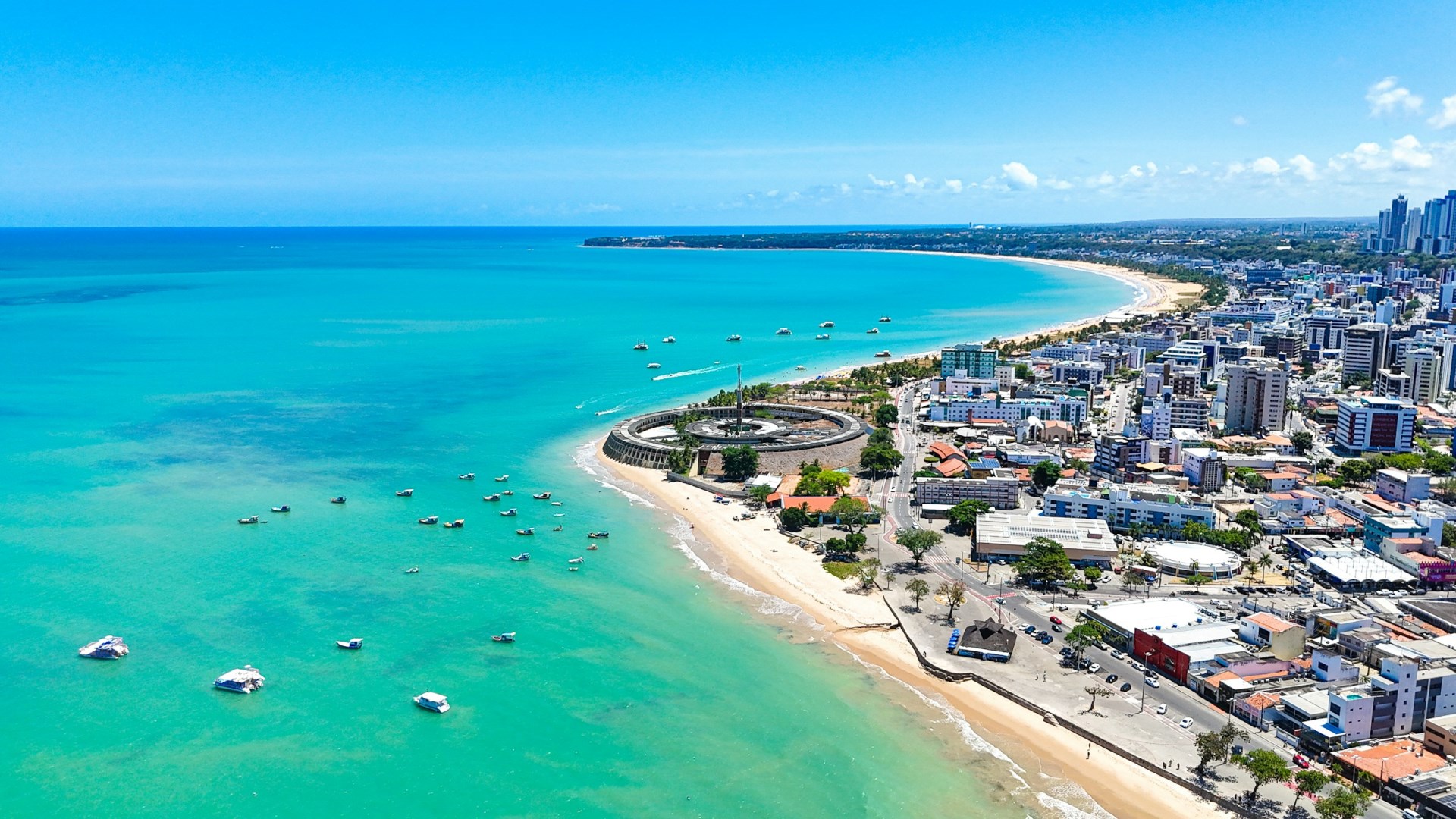
João Pessoa is the capital of Paraíba on Brazil’s northeastern coast, with an urban landscape that extends from the historic center to a long Atlantic waterfront. Its beaches include Tambaú, Manaíra, Cabo Branco, and Bessa, while the Sanhauá River borders the older part of the city. João Pessoa is also known for its abundant public greenery, including parks, tree-lined areas, and the Jardim Botânico Benjamim Maranhão.
Tainan
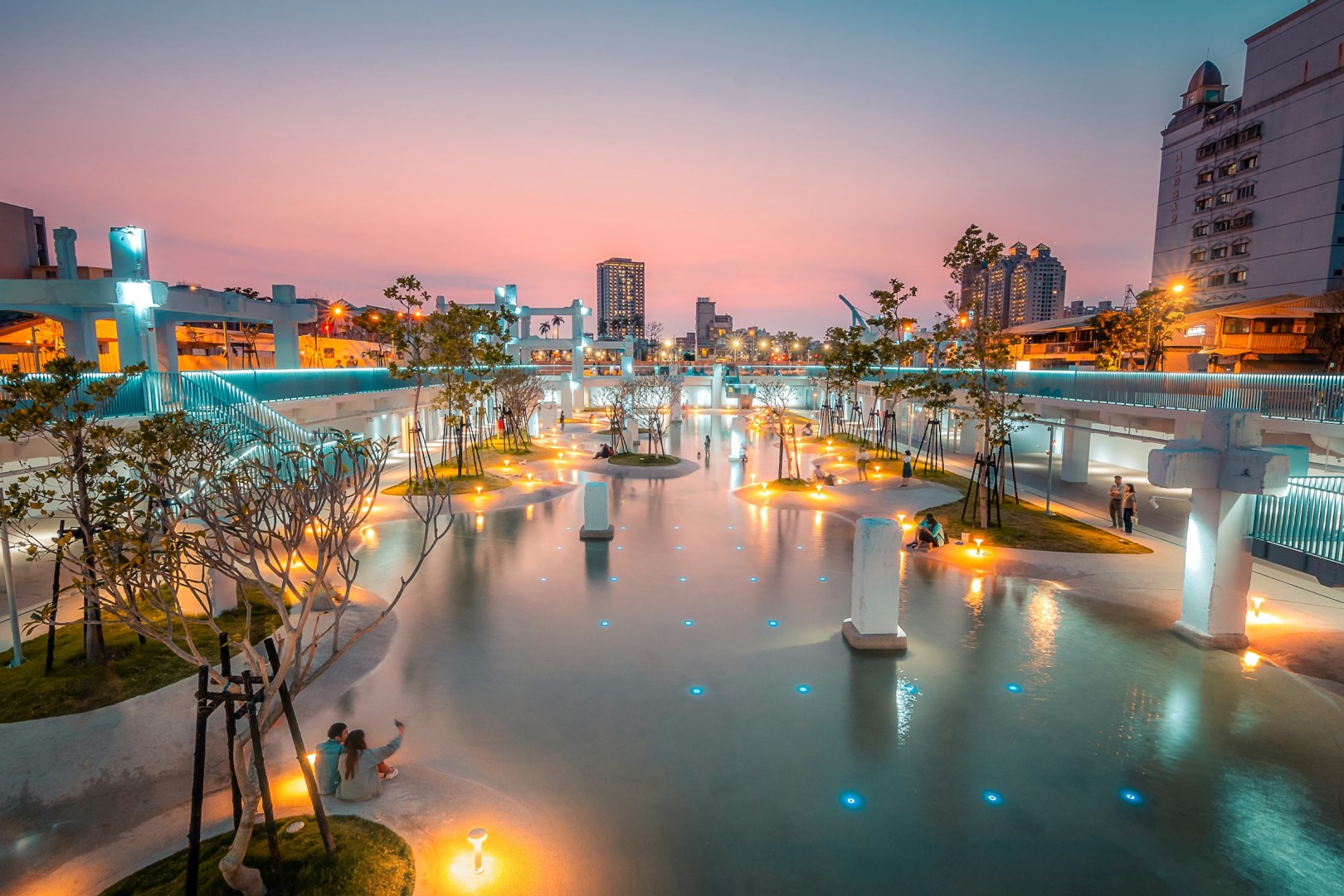
Tainan is a historic city in southwestern Taiwan known for its temples, traditional neighborhoods, food culture, and surviving architectural landmarks. As one of Taiwan's oldest urban centers, it contains a dense collection of religious buildings, historic residences, markets, and former administrative sites. The city is generally low-lying, with coastal plains extending westward toward the Taiwan Strait.

Gold Harbour
Gold Harbour is a small bay on the southeastern coast of South Georgia, where a narrow beach sits beneath steep mountains and hanging glaciers. The site is known for its rich concentration of wildlife and its dramatic setting, with the snow-covered Salvesen Range forming a backdrop behind the shoreline. The name reflects the golden appearance of the cliffs and mountains when illuminated by low sunlight.
Boynton Beach
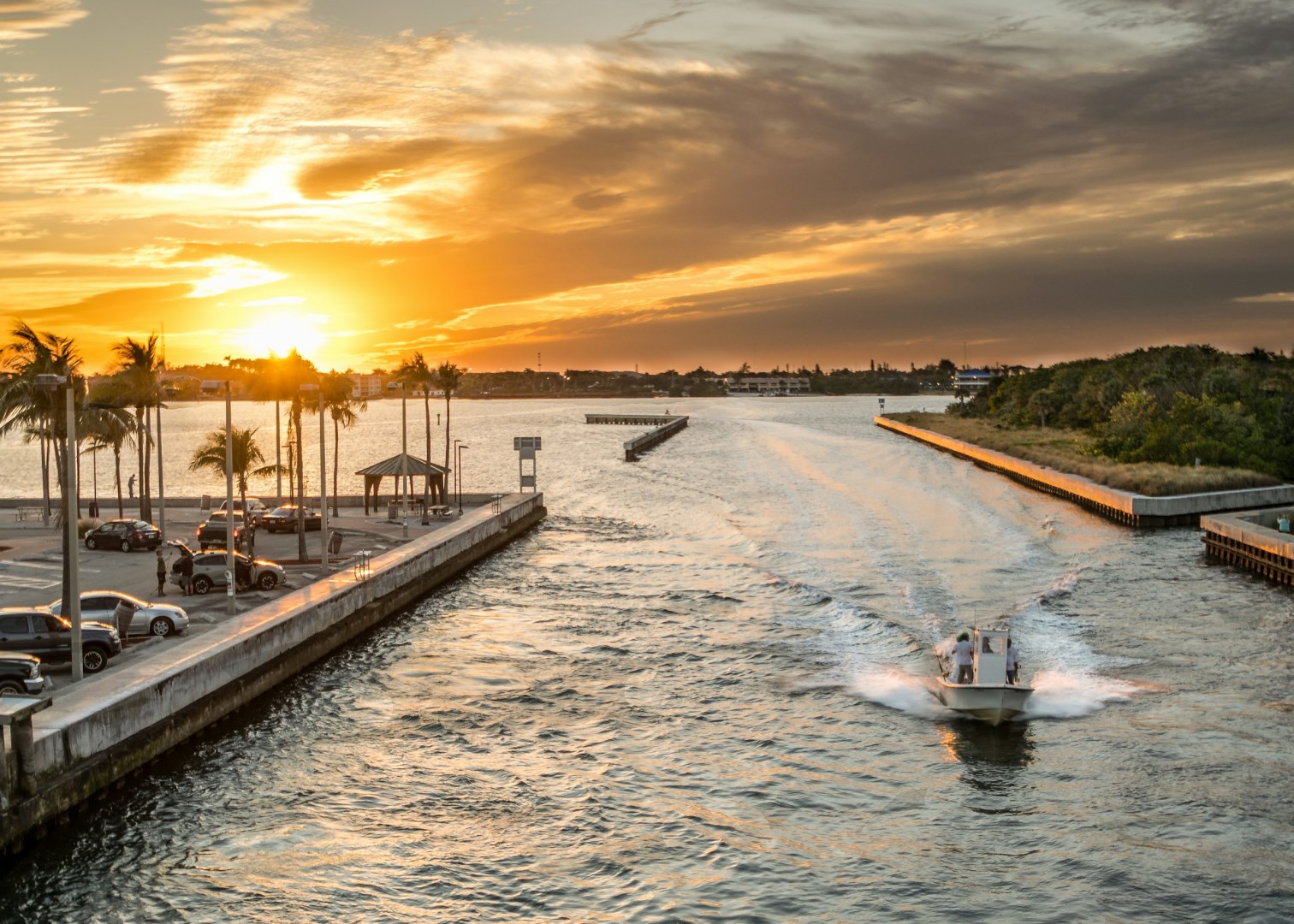
Boynton Beach is a coastal city in southeastern Florida, located in Palm Beach County between West Palm Beach and Delray Beach. The community stretches from the Atlantic Ocean inland along the Intracoastal Waterway, with residential neighborhoods, commercial districts, parks, and waterfront areas spread across a largely flat coastal landscape. Its municipal beach provides direct access to the Atlantic, while the Boynton Harbor Marina supports boating and other activities on the water.

Melk
Nestled along the south bank of the Danube, this historical Austrian city bursts with charm. A favorite stop on European river cruises, the city's most famous attraction is Melk Abbey, which dates back to the 11th century. The original Benedictine structure was lost to fires and foreign invasion, then rebuilt during the 18th century in lavish Baroque style, including a library and inner church covered in magnificent frescoes and gilded fixtures.