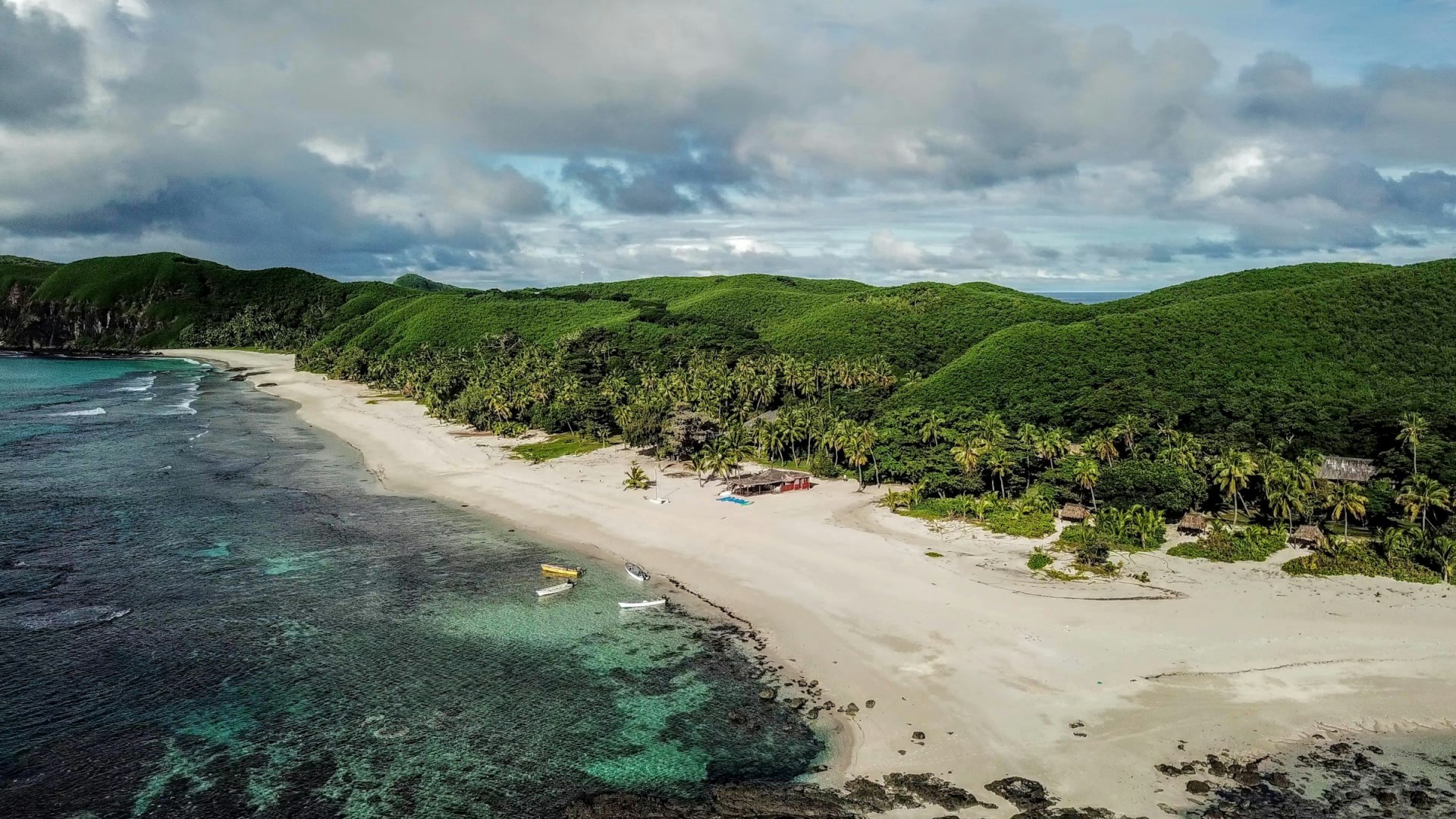
Yasawa Island
A long chain of volcanic islands form a broken ribbon of unspoiled white sand beaches through the azure waters of the Yasawa Islands.
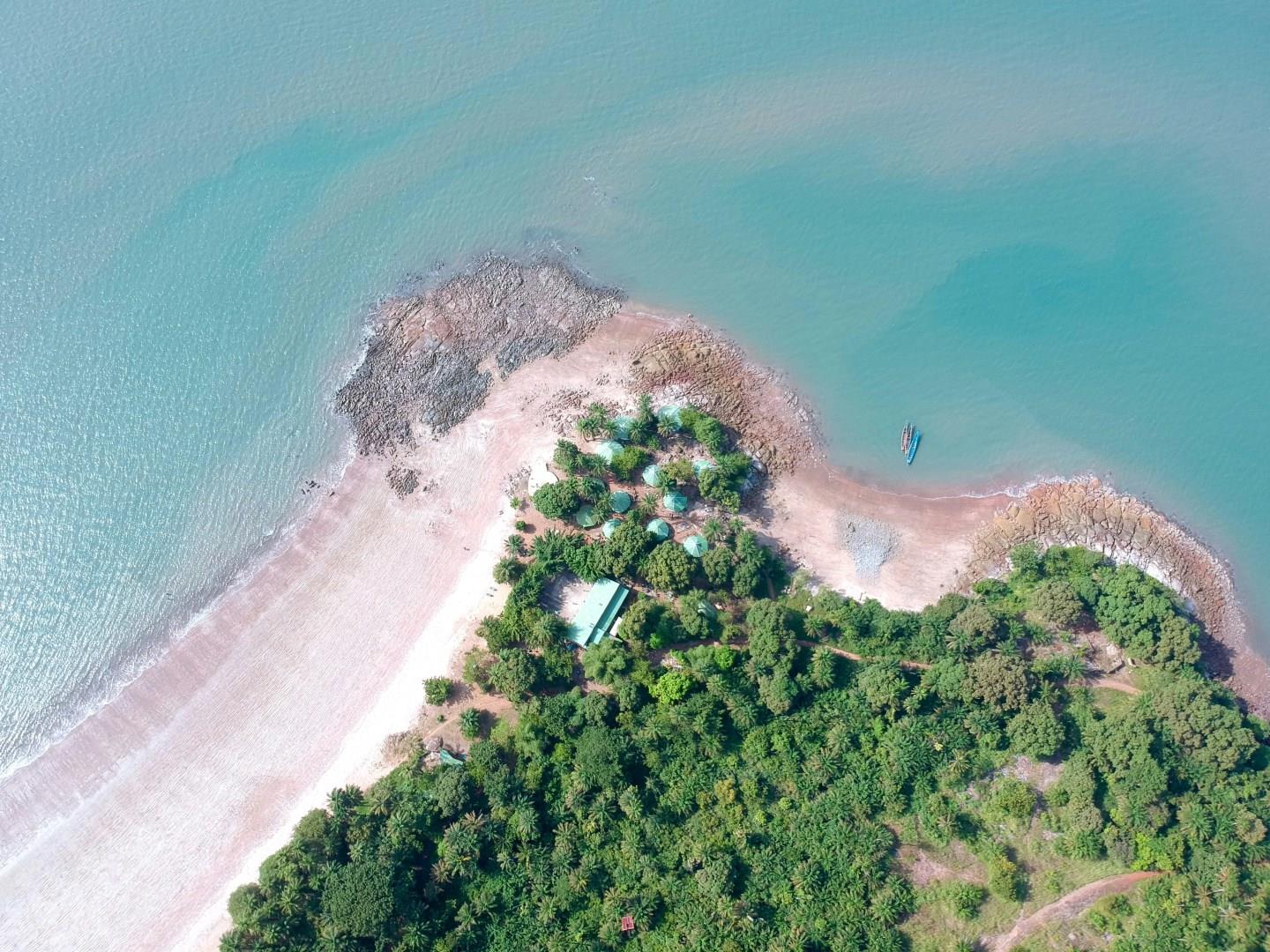
Kaloum
Kaloum, the bustling central district of Conakry, serves as the political, commercial, and cultural heart of Guinea’s capital.
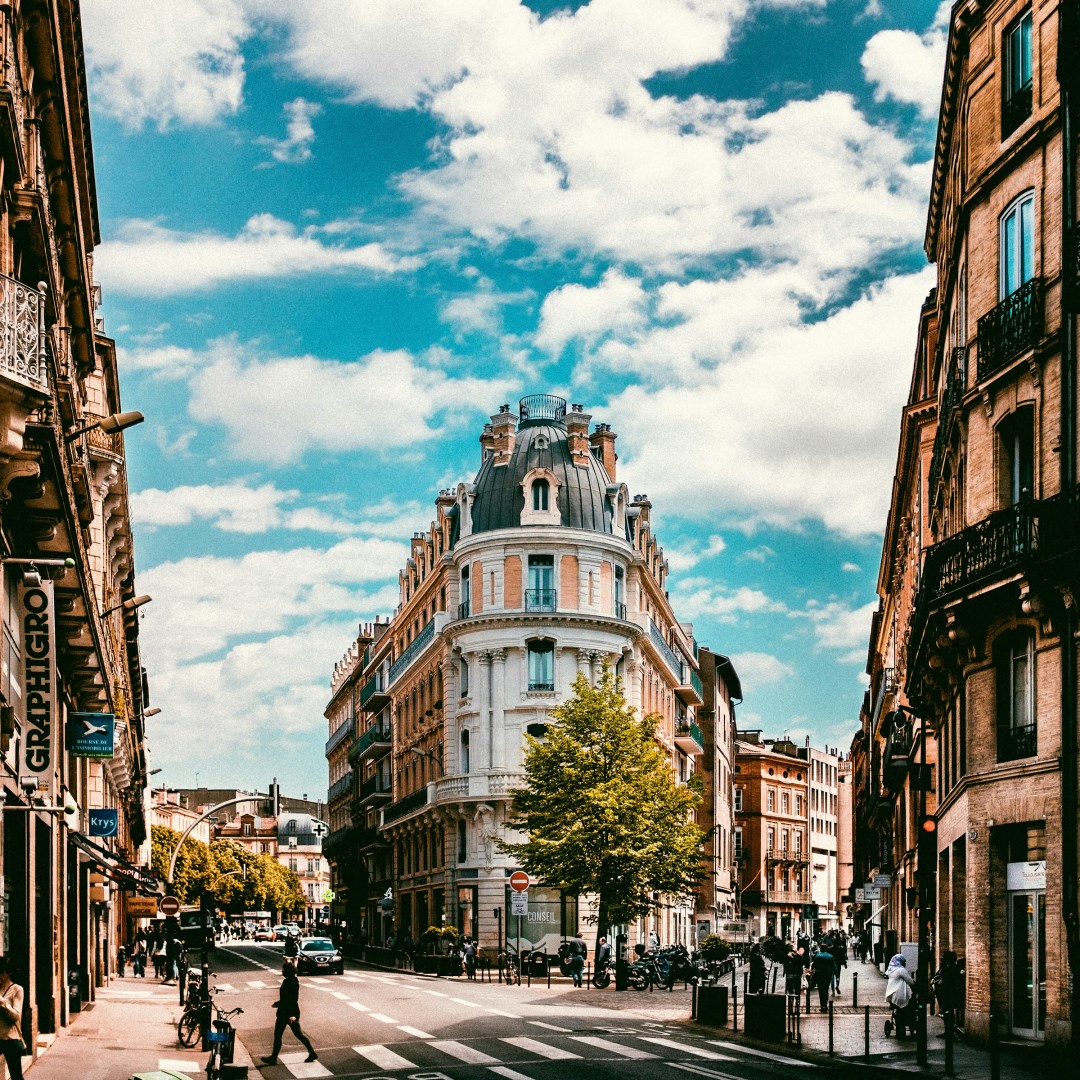
Toulouse
A religious center since the 4th century, it has numerous churches and religious sites. It is the fourth largest city in France, located in southern France near the border with Andorra.
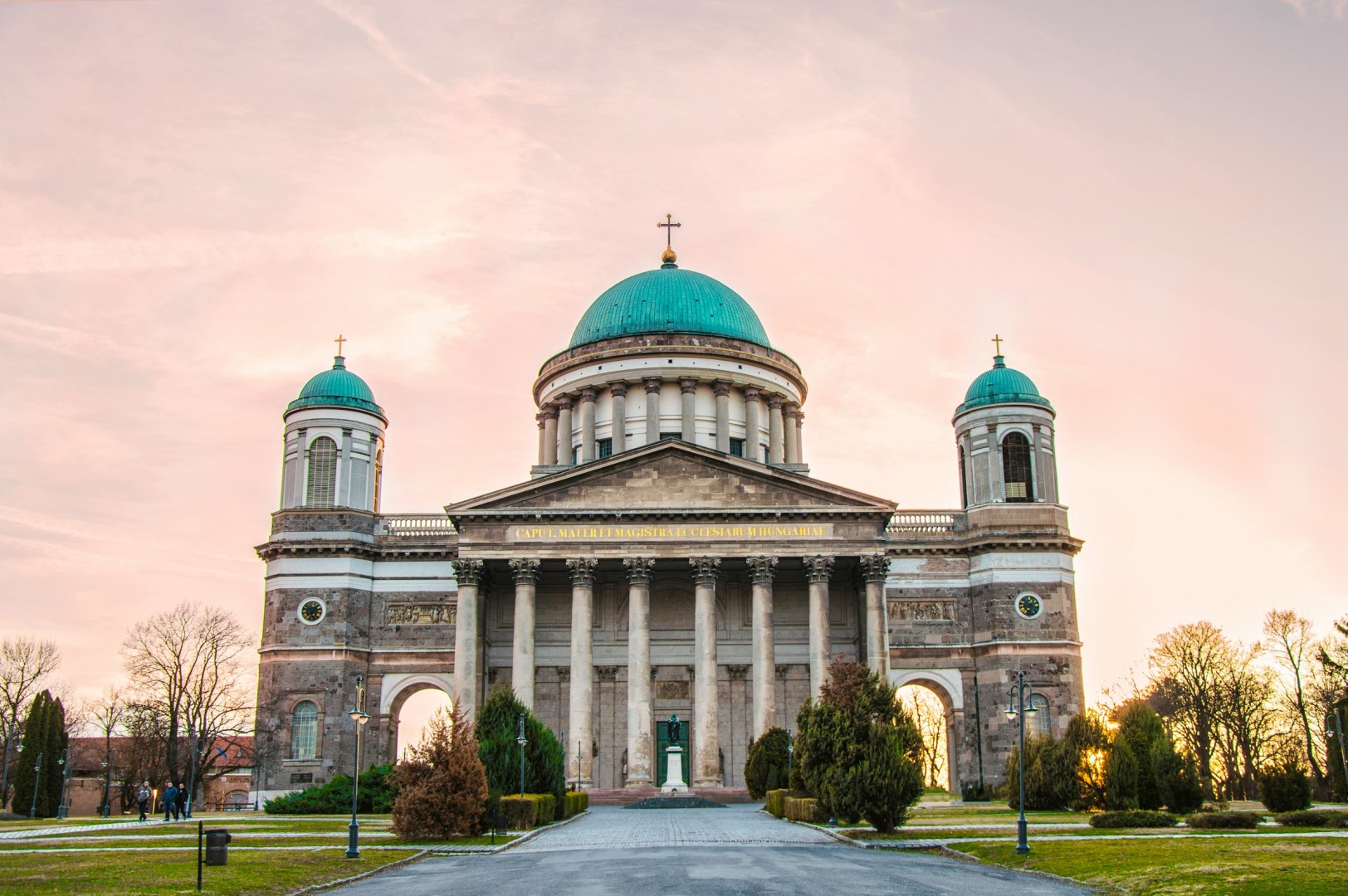
Esztergom
Esztergom is one of Hungary’s oldest and most historically significant towns, located along the Danube River just an hour north of Budapest. It was the country’s royal capital during the Middle Ages and the birthplace of its first king, Saint Stephen. Today, visitors are drawn to the Esztergom Basilica, the largest church in Hungary. Its dome rises over 70 meters high and offers panoramic views of the river, the surrounding hills, and neighboring Slovakia across the Mária Valéria Bridge.
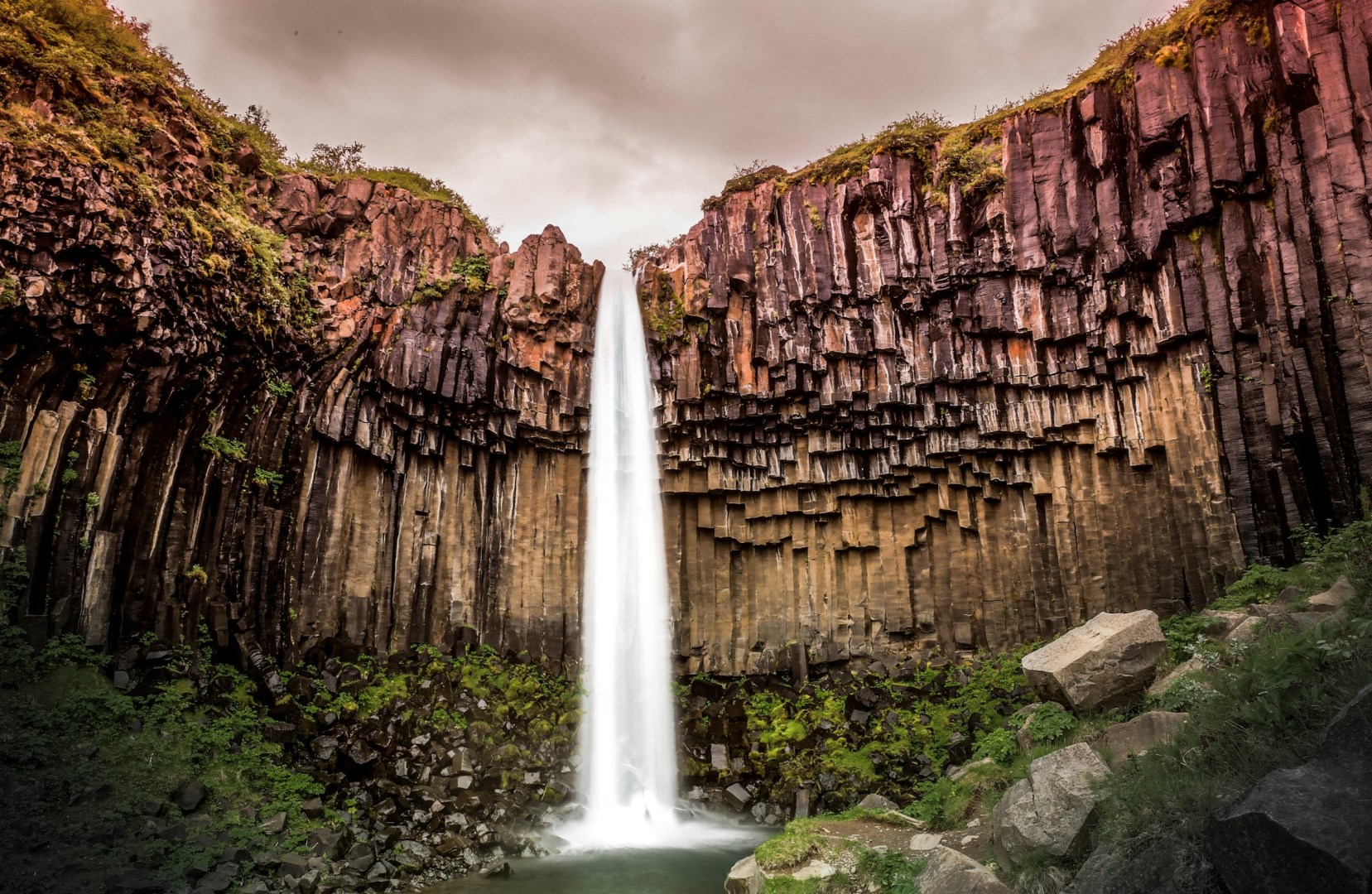
Vatnajökull National Park
Vatnajökull National Park is one of Iceland’s largest protected areas, extending across a vast landscape of glaciers, volcanoes, lava fields, mountains, rivers, and glacial plains. At its center lies Vatnajökull, Iceland’s largest ice cap, whose outlet glaciers spread into surrounding valleys and lowlands. The park stretches across southeast and central Iceland and includes several distinct regions, from Skaftafell and Jökulsárlón to the volcanic landscapes of Askja and Kverkfjöll.