Ocean Cay
Formally called Ocean Cay MSC Marine Reserve, Ocean Cay is a private island only accessible to MSC Cruises guests. Activities include beachside lounging, snorkeling, paddle boarding, lighthouse climbing, dining, shopping and more.

Liverpool
Northwest England seaport city and the birthplace of the Beatles. Tourism is centered around the city's docks, and no visit is complete without The Beatles Story tour. Live music can be found from day to night at the Cavern Club.
Ambon
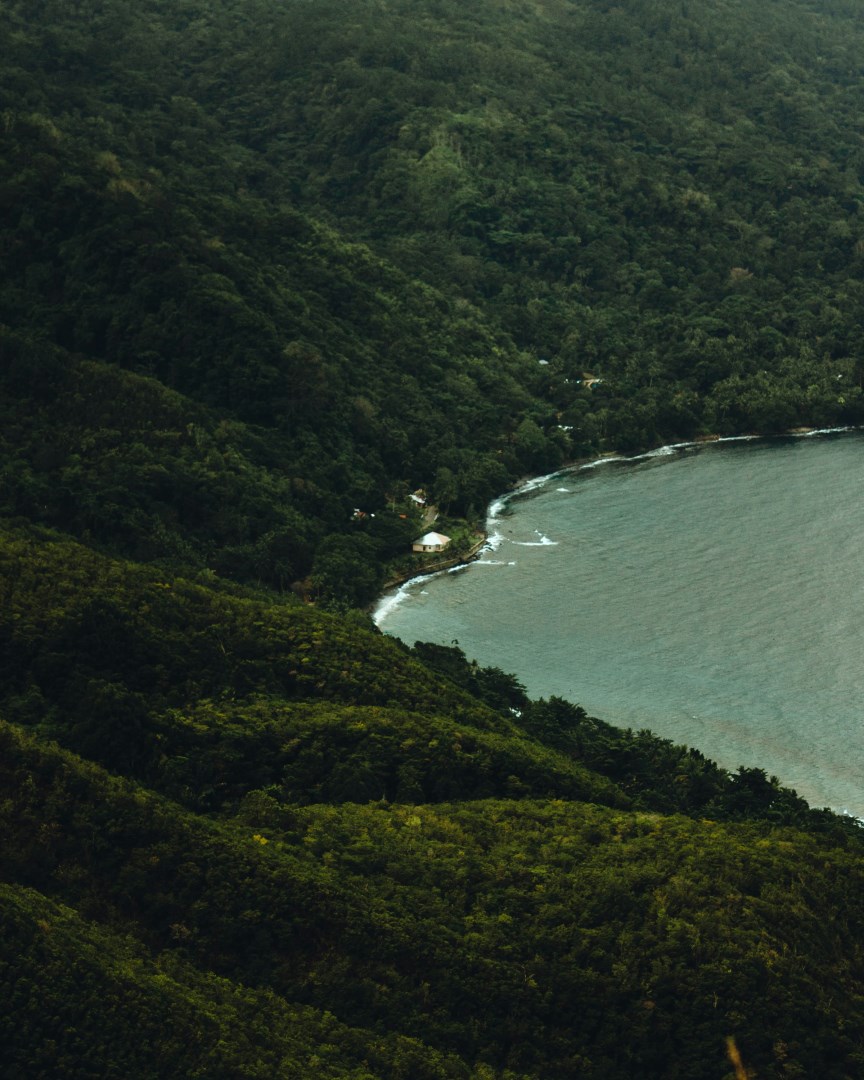
Ambon is the capital of the archipelago of Maluku. The city was founded around the late 1500's due largely to the famed Spice Trade route. Ambon is diverse with the rich culture of many different nationalities.
Calf of Man
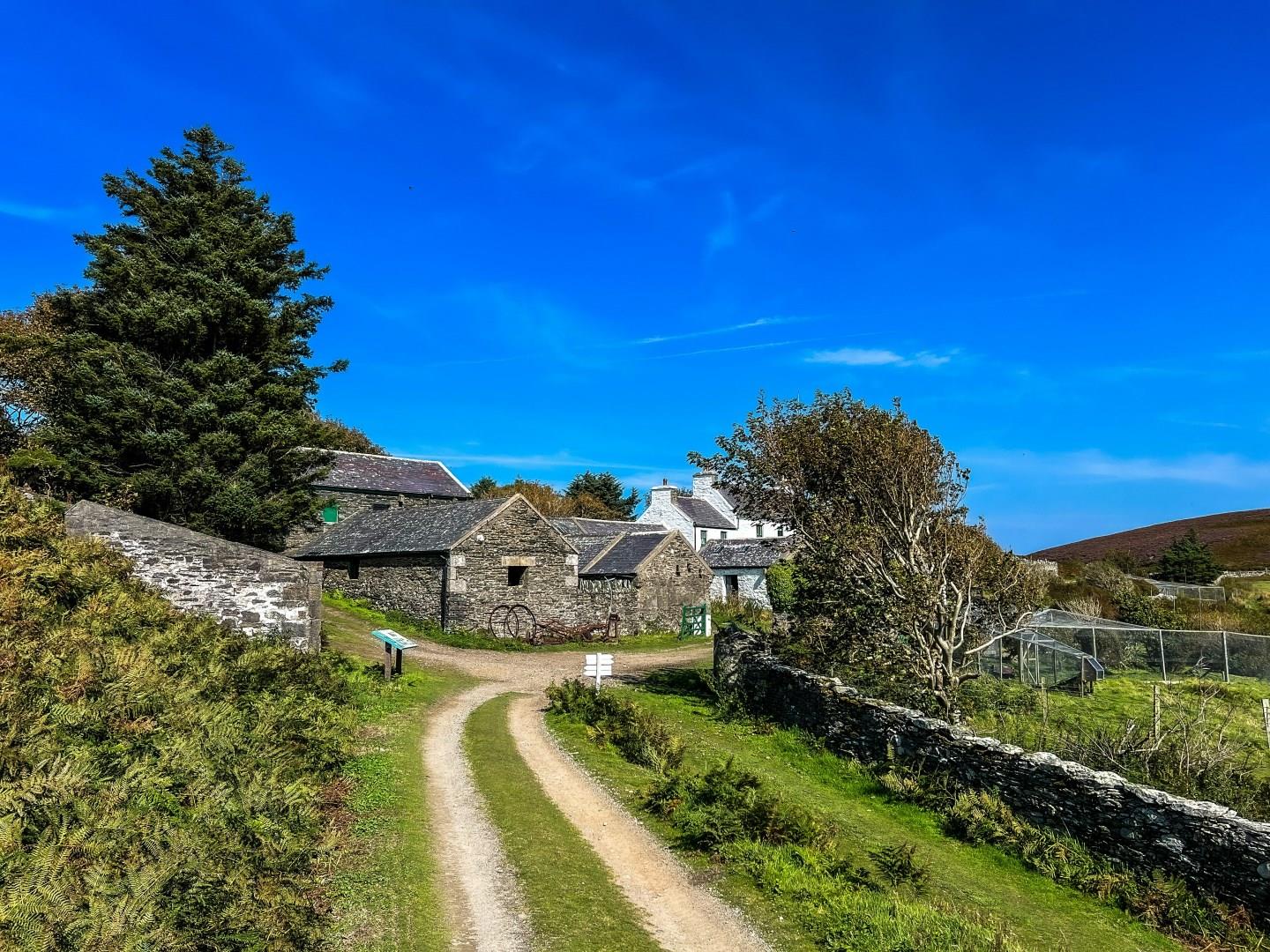
The Calf of Man, a small island off the southwest coast of the Isle of Man, offers a rare glimpse into a quieter side of the Irish Sea. Covering just over 260 acres, this uninhabited island is known primarily for its rich birdlife and dramatic coastal cliffs. Visitors often arrive by boat from nearby Port Erin, embarking on guided tours that reveal the island’s importance as a bird sanctuary.
Mohács
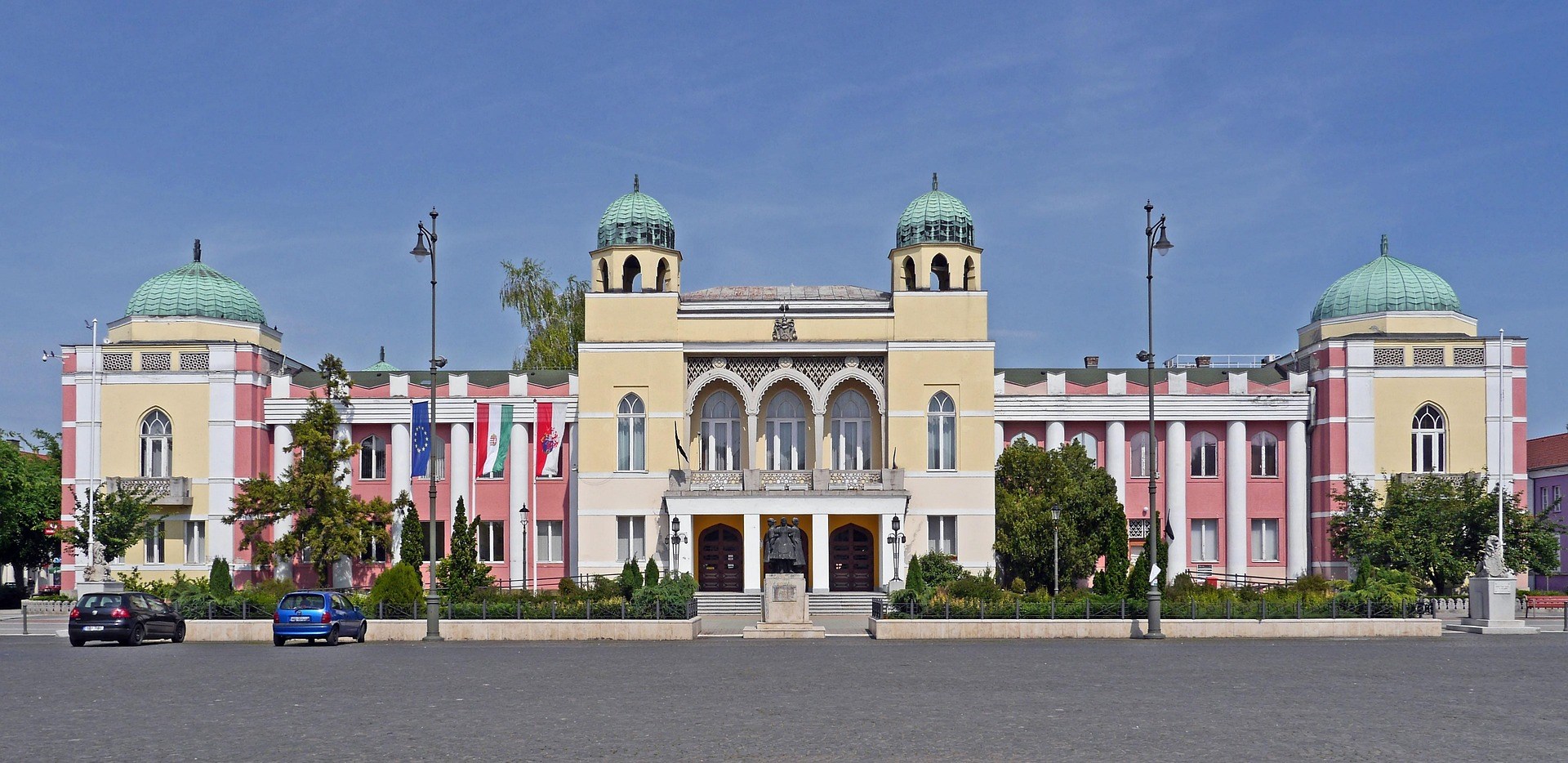
Mohács is a Danube-side town in southern Hungary, close to the country’s border with Croatia. Its riverside setting has shaped local life, trade, agriculture, and recreation, while the town’s streets contain a mixture of traditional houses and distinctive public buildings. Mohács is especially associated with the Busó festivities, a masked end-of-winter carnival that has become the city’s defining cultural tradition.