Noord
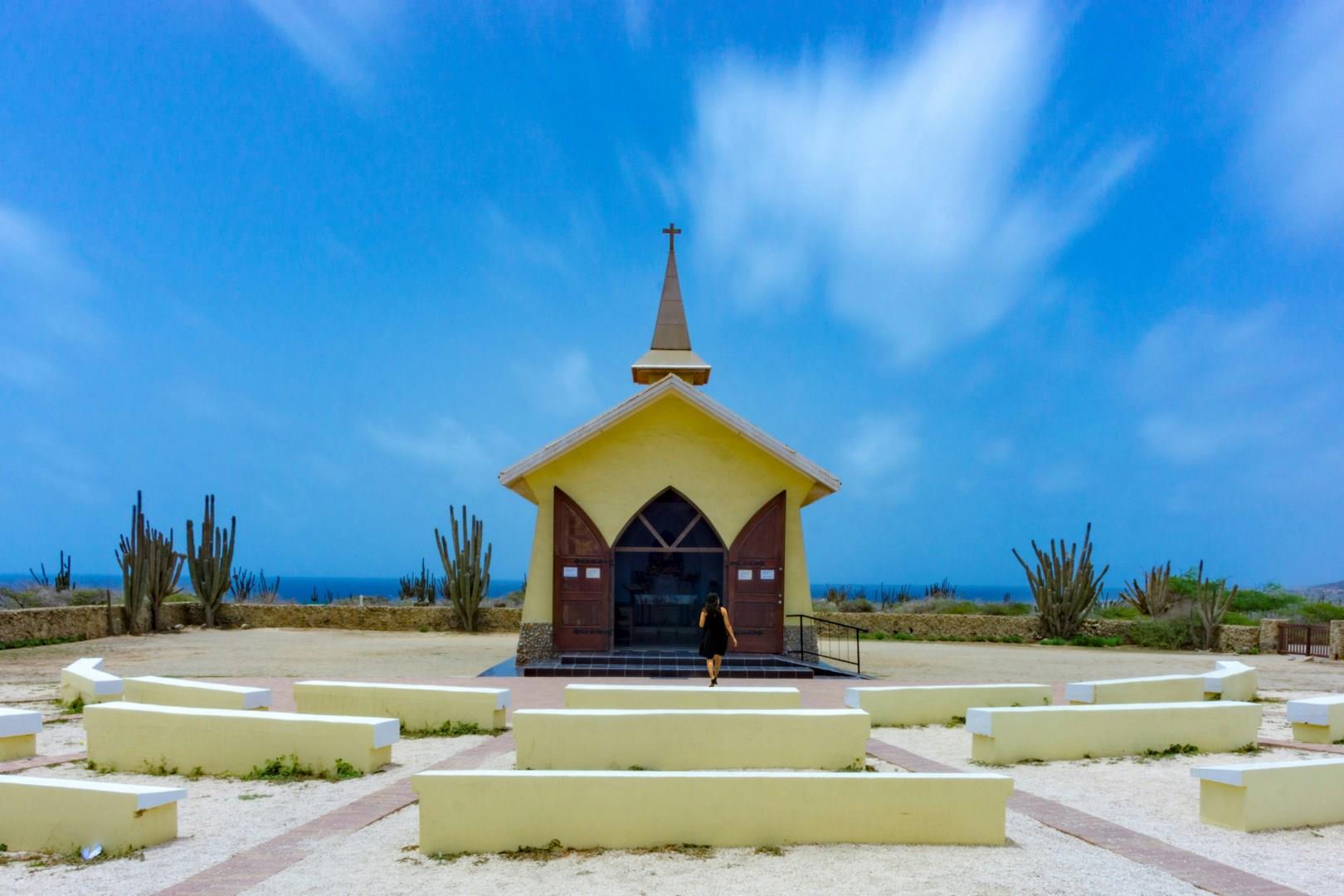
Noord, located on the northern tip of Aruba, is where much of the island’s lively tourism scene comes to life. This district is home to the famous Palm Beach, a two-mile stretch of soft sand lined with high-rise resorts, chic beach clubs, and a vibrant mix of restaurants and nightlife.
Solihull
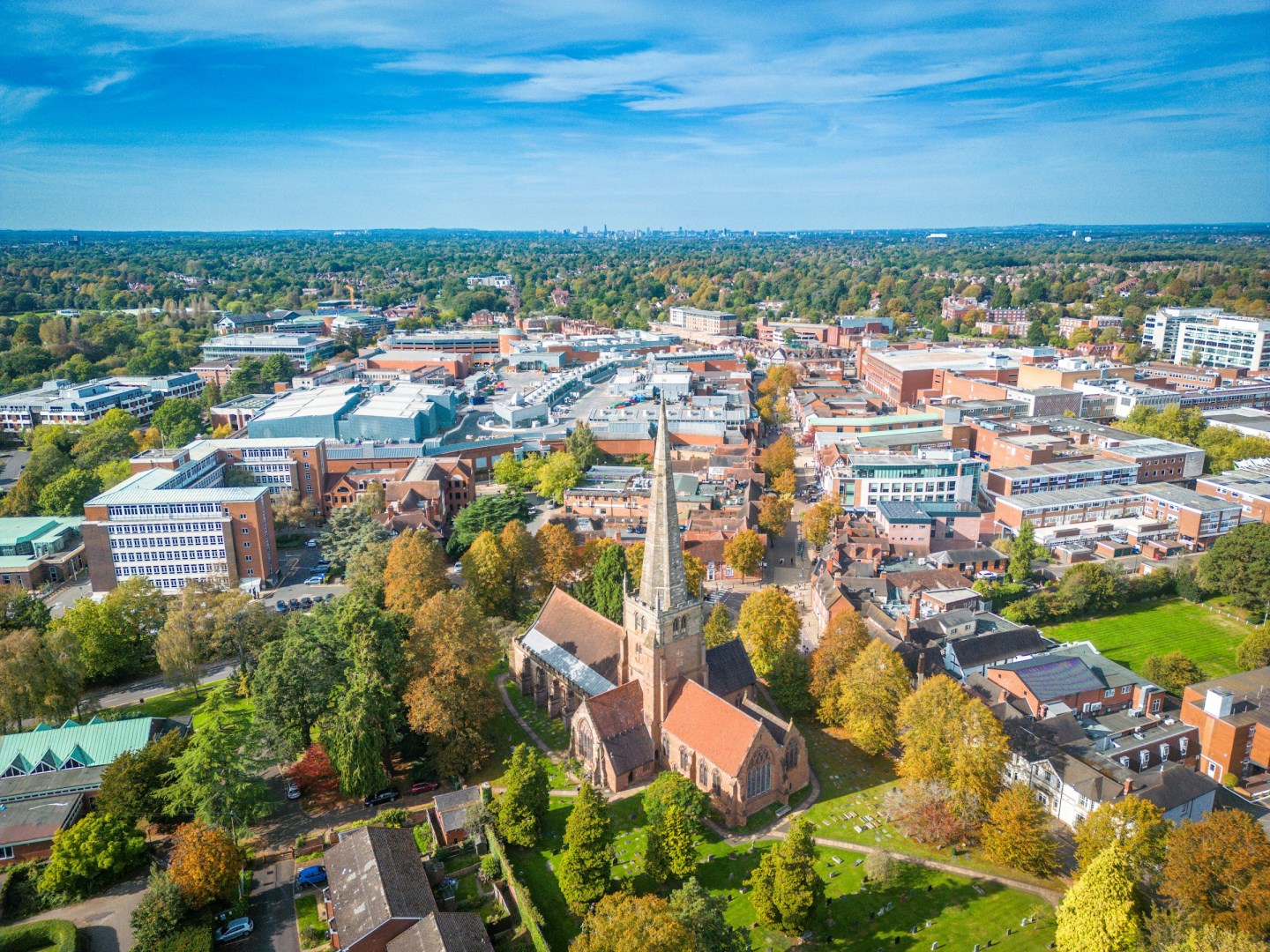
If you're looking for a destination that combines picturesque villages, canal towpaths and open countryside, with superb shopping, national exhibitions and first class entertainment, then you could hardly choose a more perfect location than Solihull.
Milne Bay
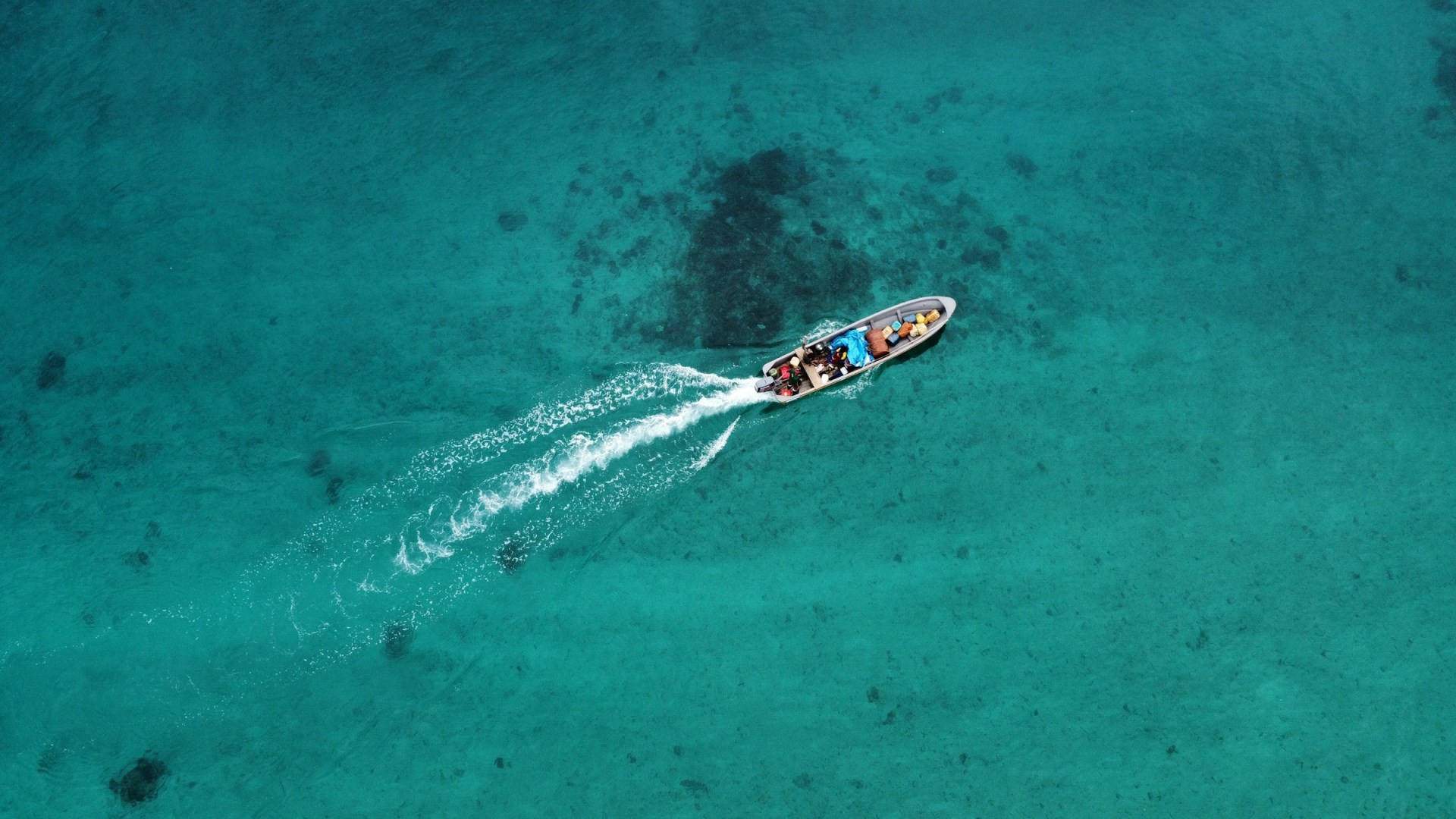
Milne Bay is a large, island-dotted body of water in southeastern Papua New Guinea and the center of a province with one of the country’s most complex coastal landscapes. The bay extends around the southeastern tip of New Guinea and includes numerous islands, reefs, channels, and sheltered coves.

Serengeti
Serengeti, Tanzania, is a jewel of the African continent, renowned for its spectacular wildlife and breathtaking landscapes. This iconic destination is synonymous with the Great Migration, one of nature’s most awe-inspiring events. Each year, millions of wildebeest, zebras, and gazelles traverse the Serengeti’s vast plains in search of fresh grazing grounds, creating a dramatic and unforgettable spectacle.
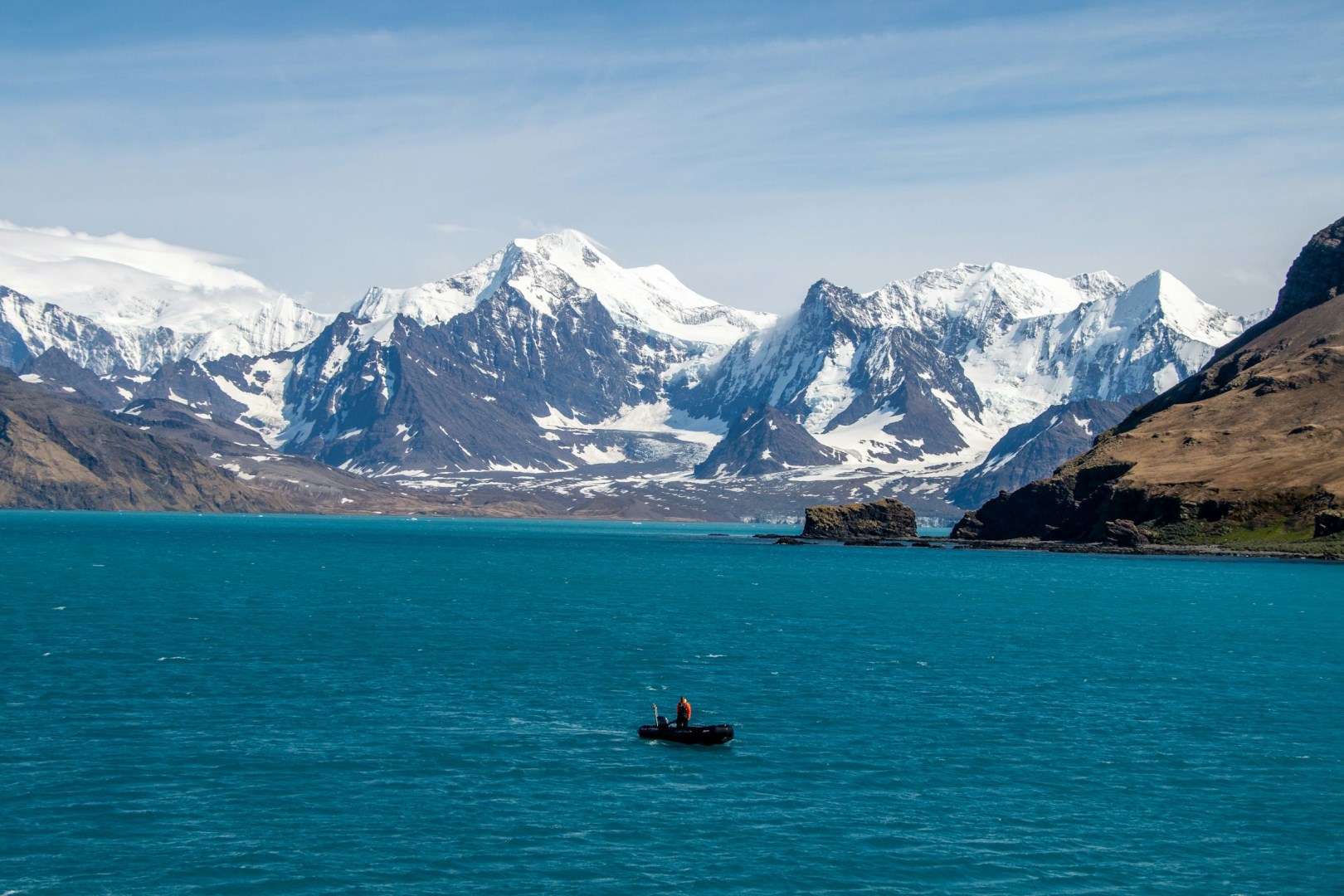
Mount Paget
Mount Paget is the highest mountain on South Georgia, rising prominently above the interior of the island and forming part of the Allardyce Range. Its slopes are covered by glaciers, snowfields, and exposed rock, creating a rugged profile that dominates views from surrounding coastal areas. The mountain is located near the island’s central region and is best appreciated from a distance, particularly from valleys, fjords, and coastal waters.