Lord Howe Island
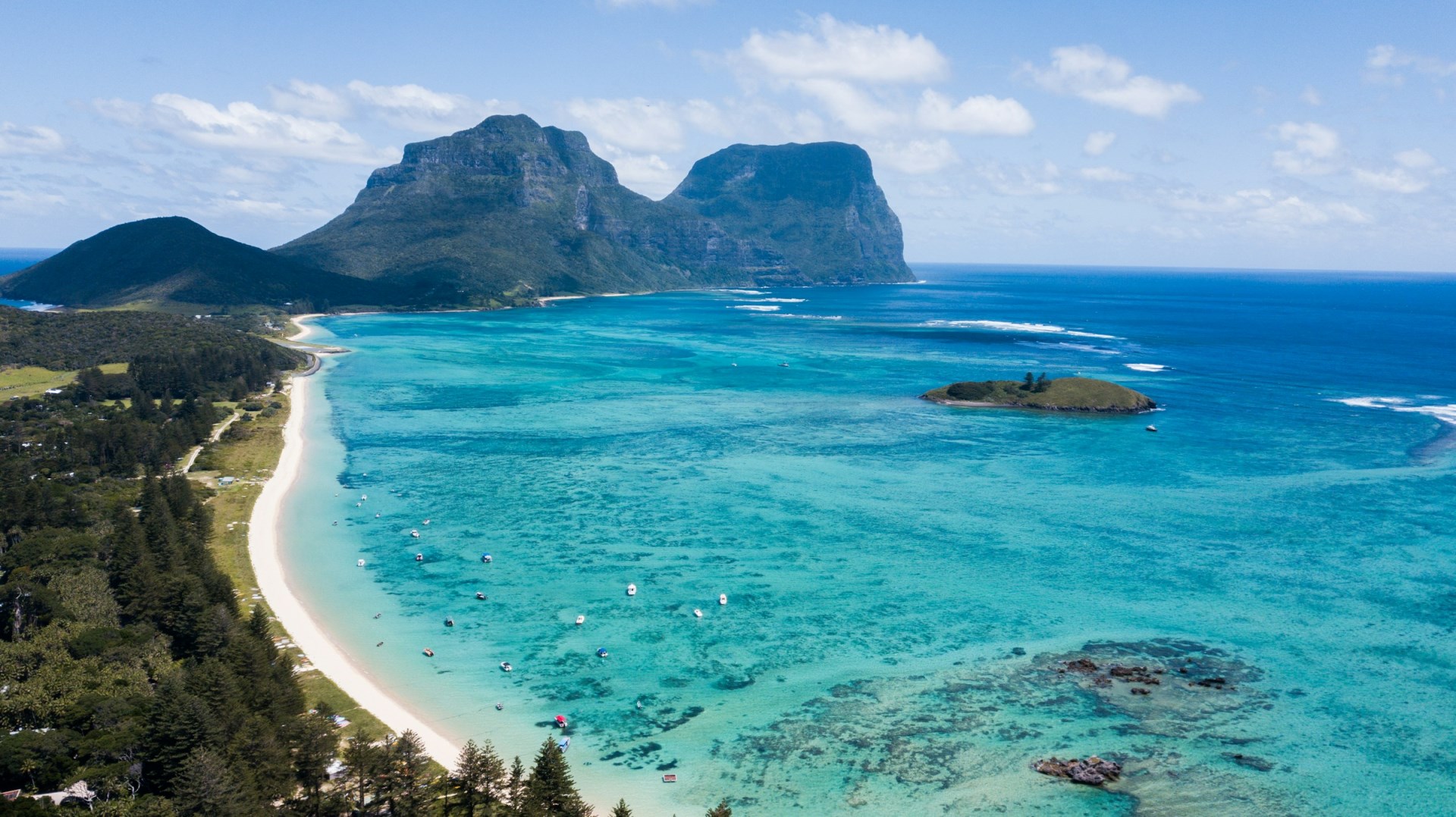
Over 70% of this island off the coast from Canberra, is a national park. It is a popular tourist destination
Konya
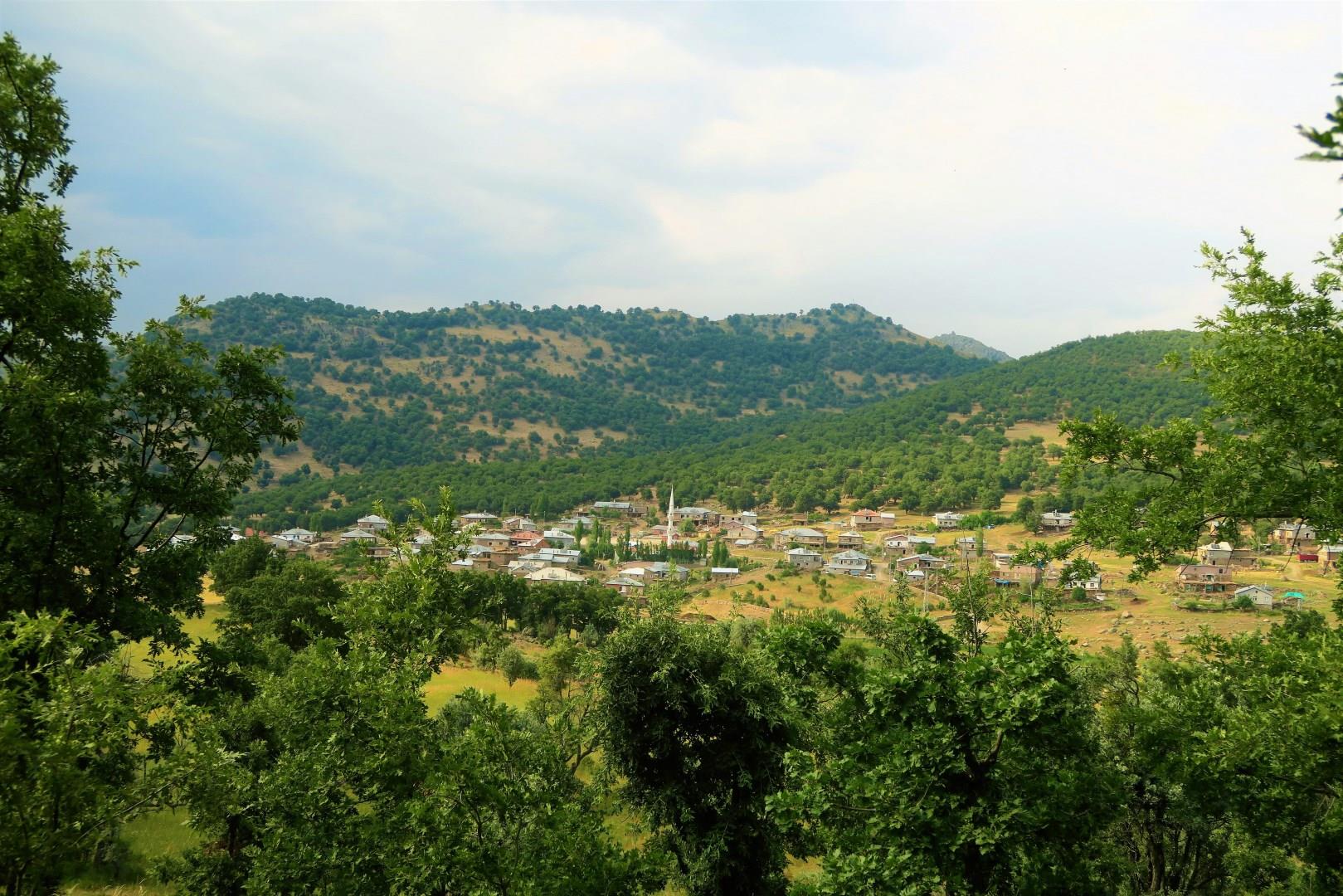
Konya has served as a spiritual center for centuries. Every December, the Şeb‑i Arûs festival marks the passing of Rumi, the Persian mystic, and draws Sufis and visitors from around the world to witness the Sema. Whirling dervish dance is performed to the sound of ney flutes and drums. In one of the country's most hushed and vivid traditions, performers spin in unison in flowing white skirts, a scene that blends meditation with graceful motion in a way found nowhere else.
Telluride
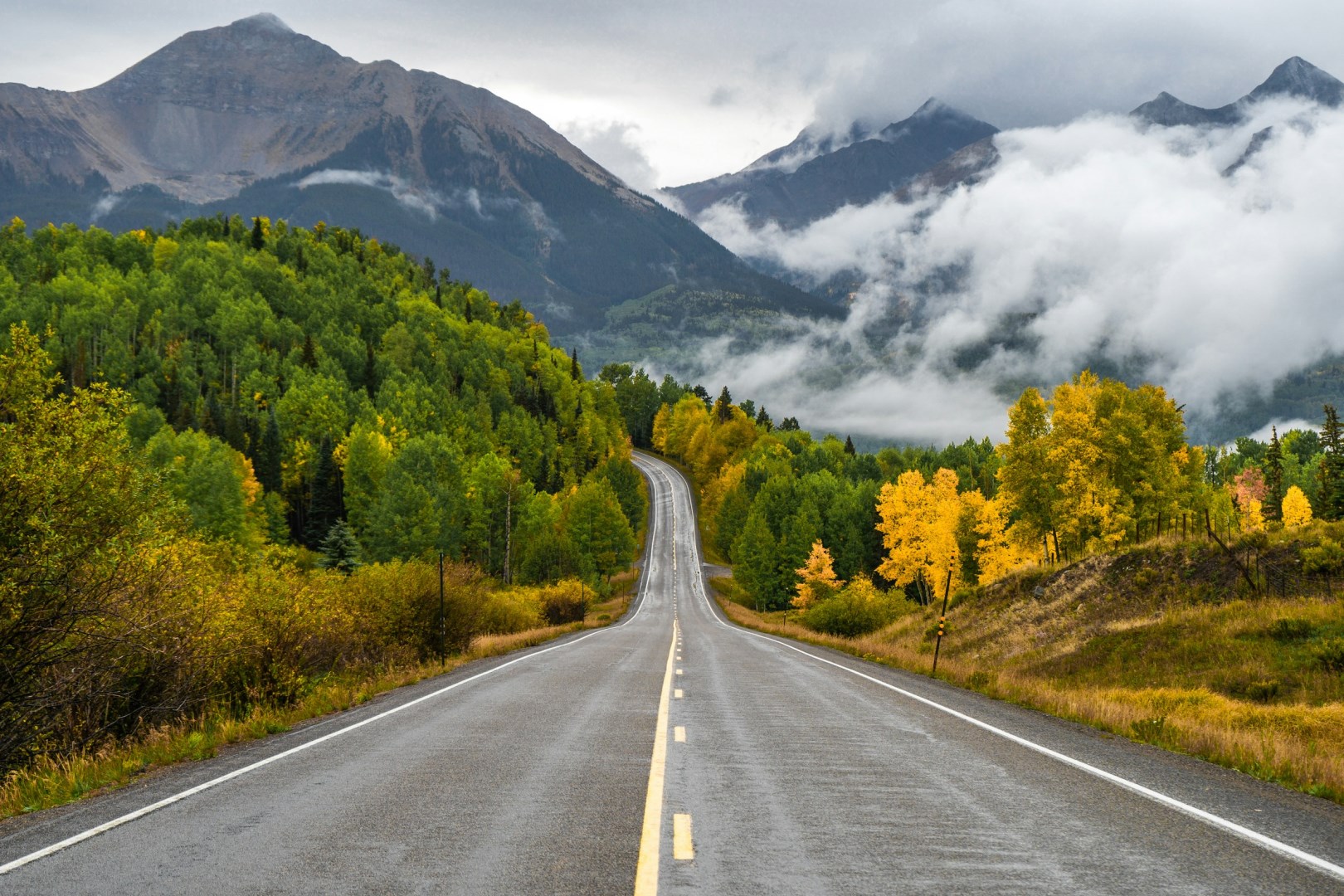
"The prettiest place you'll ever ski!" Telluride's historic charm vies with its dramatic backdrop to provide that perfect combination of excellent skiing plus the flavor and hospitality of an Old West town. With partially groomed slopes, Telluride pleases both black diamond and blue square skiers on the same run!
Skopelos
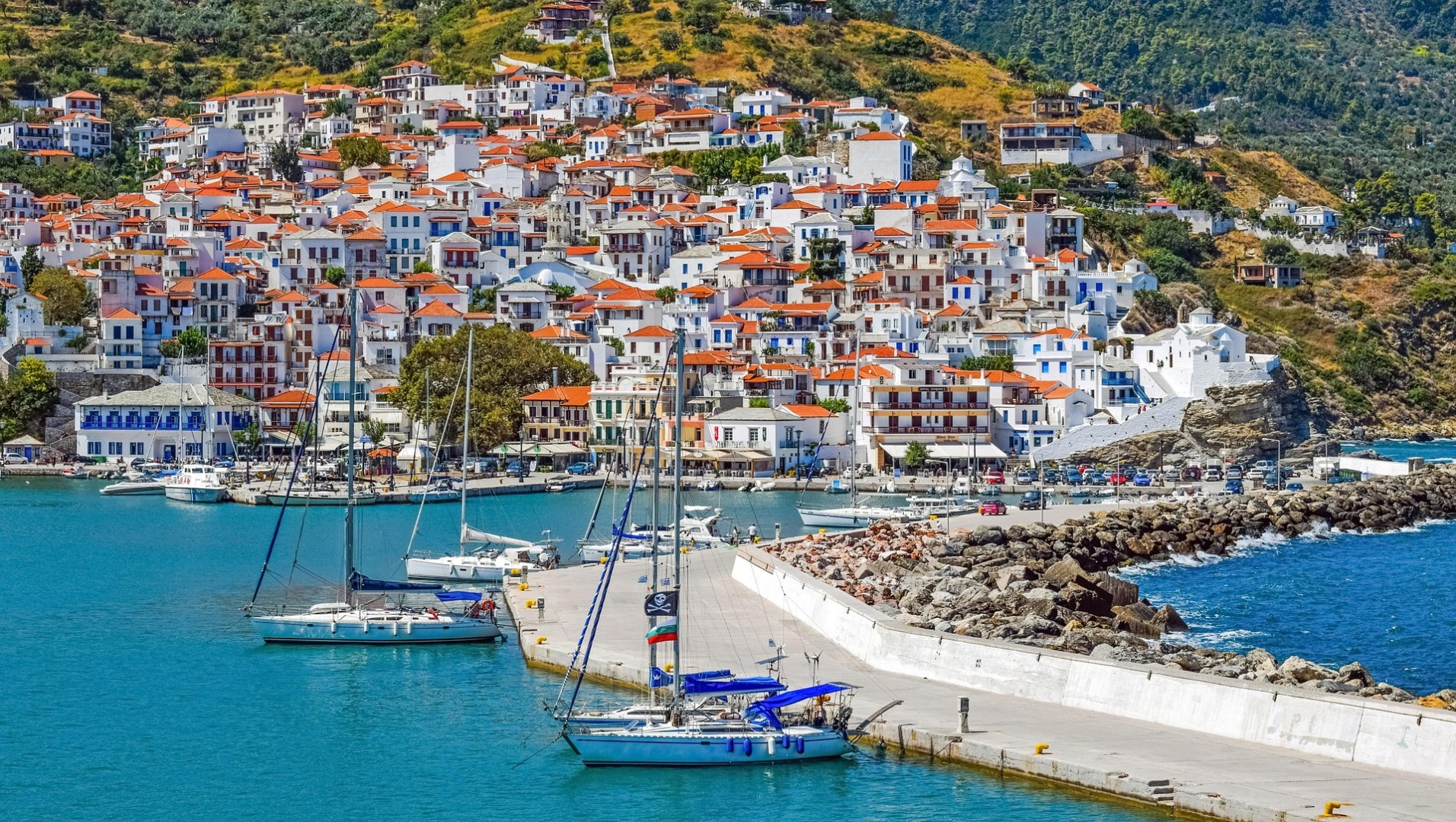
Skopelos is the largest island of the Northern Sporades, situated between Skiathos and Alonissos in the Aegean Sea. It is notably green, with pine forests and olive groves covering much of the island and reaching close to the coast. Skopelos Town, the island’s main settlement, rises amphitheatrically above the harbor, with white houses, tiled roofs, stone lanes, and numerous churches.
Opatija
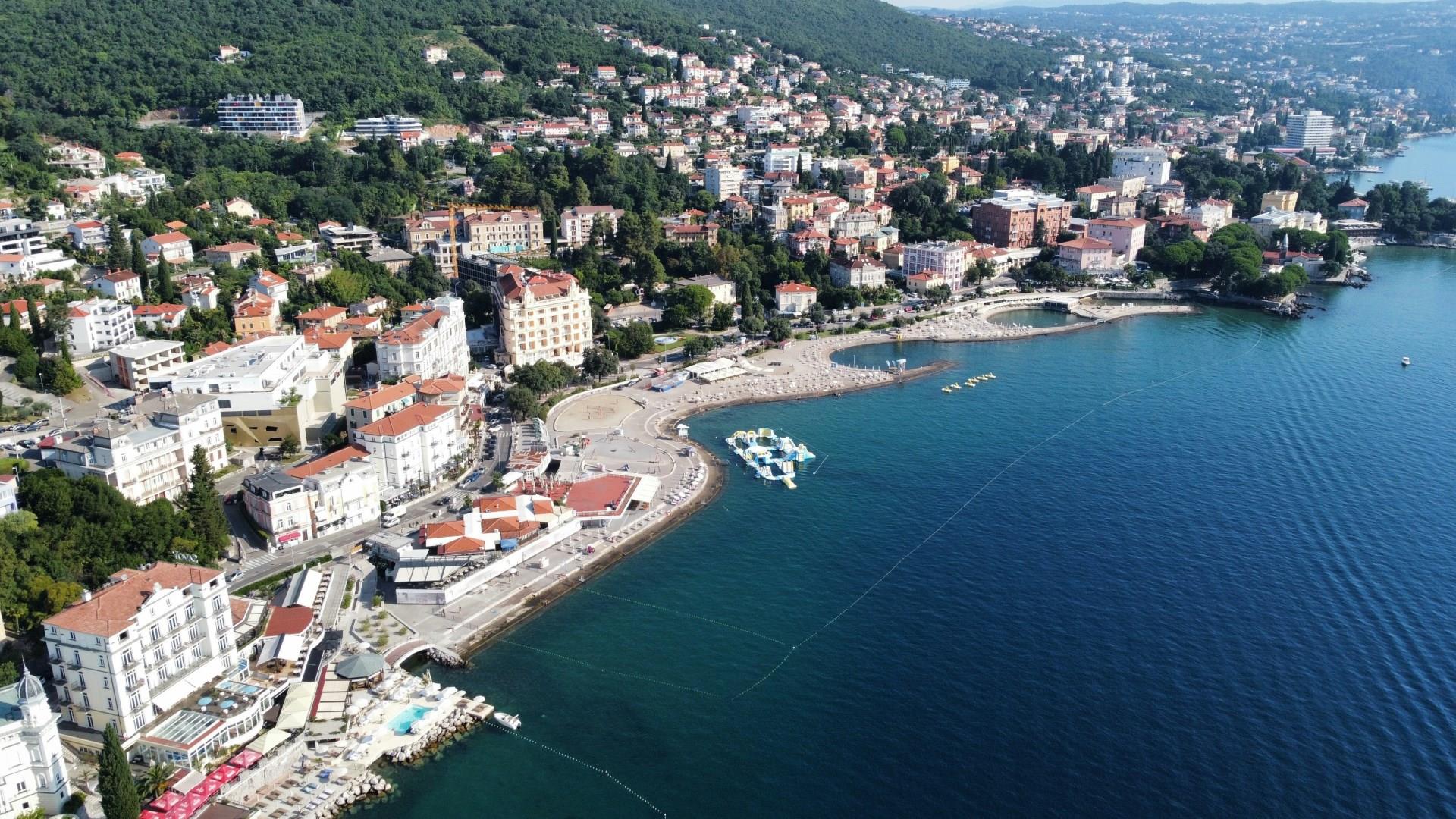
Opatija, located on Croatia’s Kvarner Bay, has been drawing visitors since the 19th century, when Austro-Hungarian aristocrats built grand villas along its Adriatic shoreline. Today, many of those same buildings still stand with some restored as luxury hotels and others preserved as cultural landmarks. The town’s most recognizable structure, Villa Angiolina, opened in 1844 and marked the start of Opatija’s rise as a fashionable seaside resort.