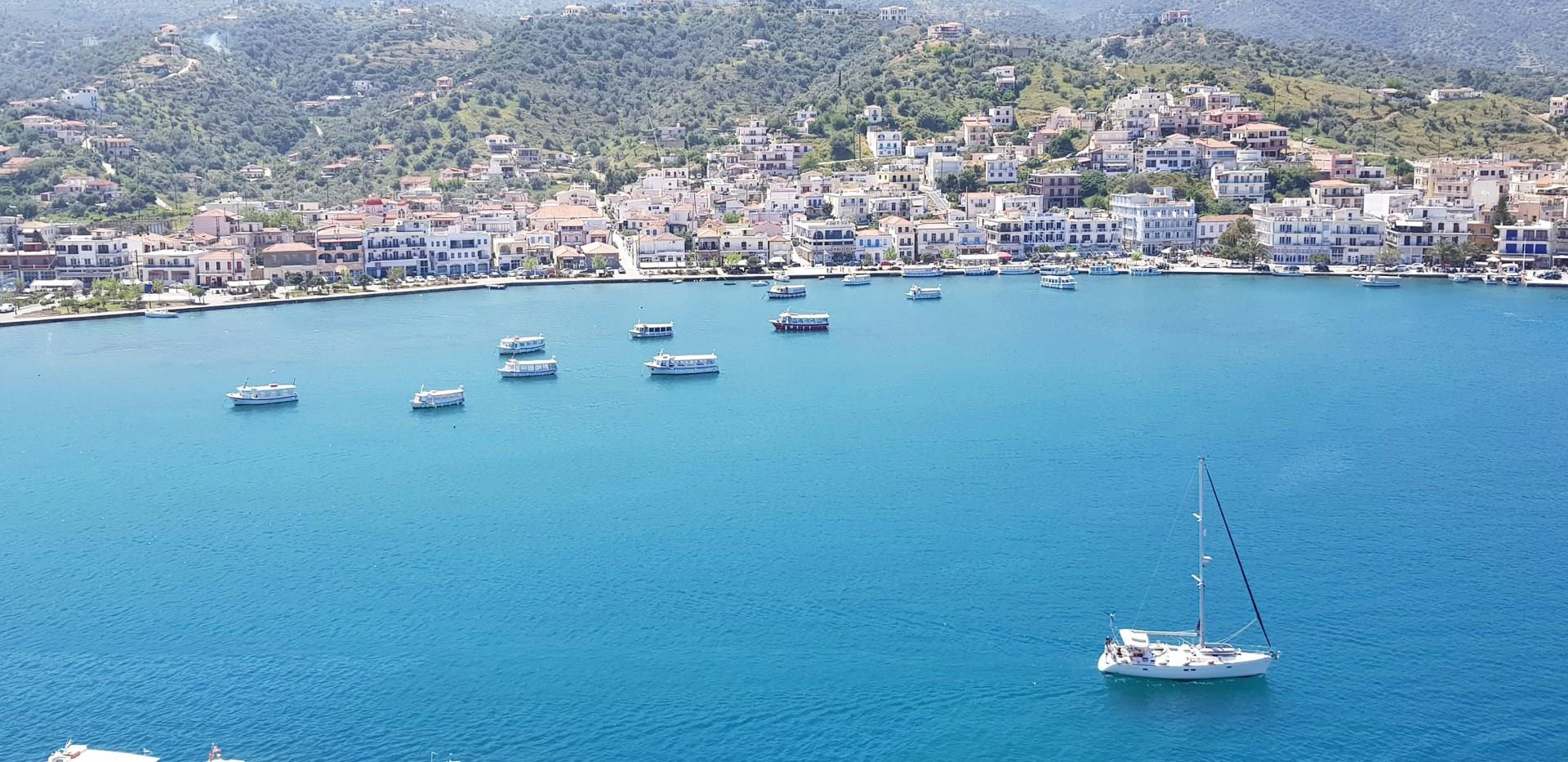
Poros
Poros, a small island in the Saronic Gulf of Greece, is known for its pine-covered hills, neoclassical architecture, and laid-back charm. Just an hour by ferry from Athens, it feels worlds away from the bustle of the capital, offering a slower pace and picturesque scenery.
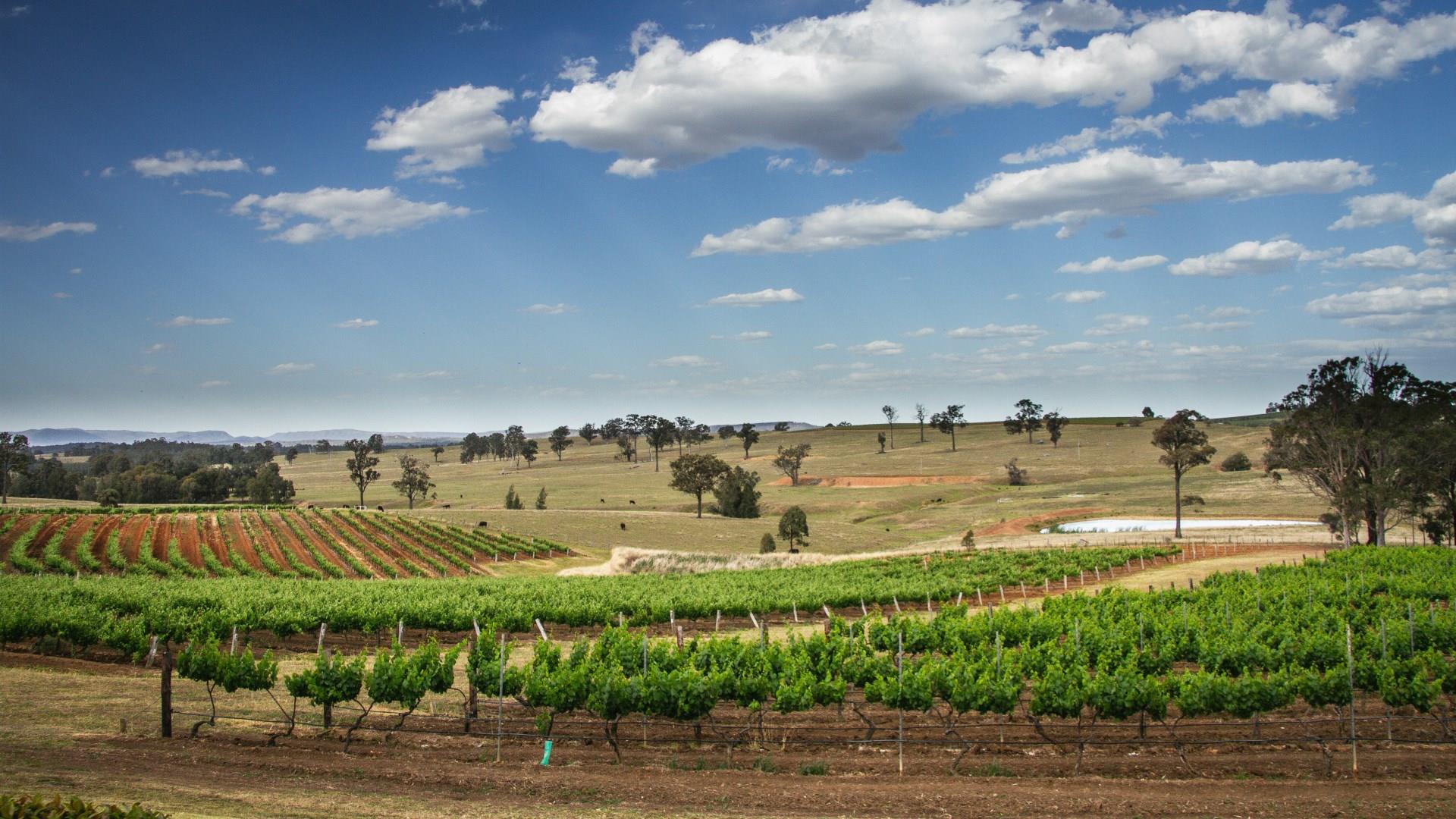
Hunter Valley
Hunter Valley in New South Wales is one of Australia’s oldest and most celebrated wine regions, shaped by European settlement in the early 1800s.
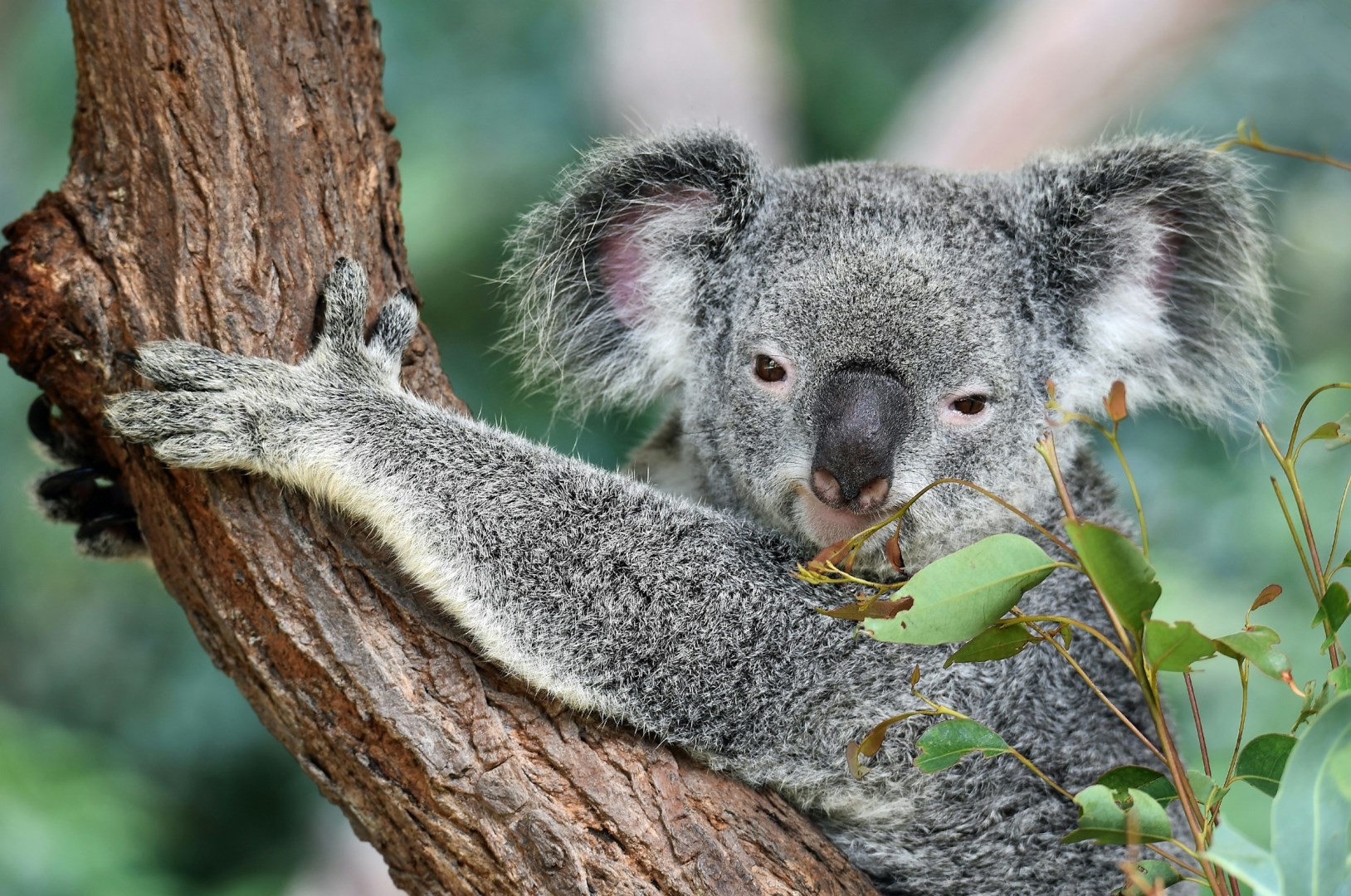
Kuranda
Kuranda is a pretty town set amongst the glorious mountains of the Atherton Tablelands, and famous for its wonderful markets. There is spectacular rainforest surrounding the town, with various walking tracks.
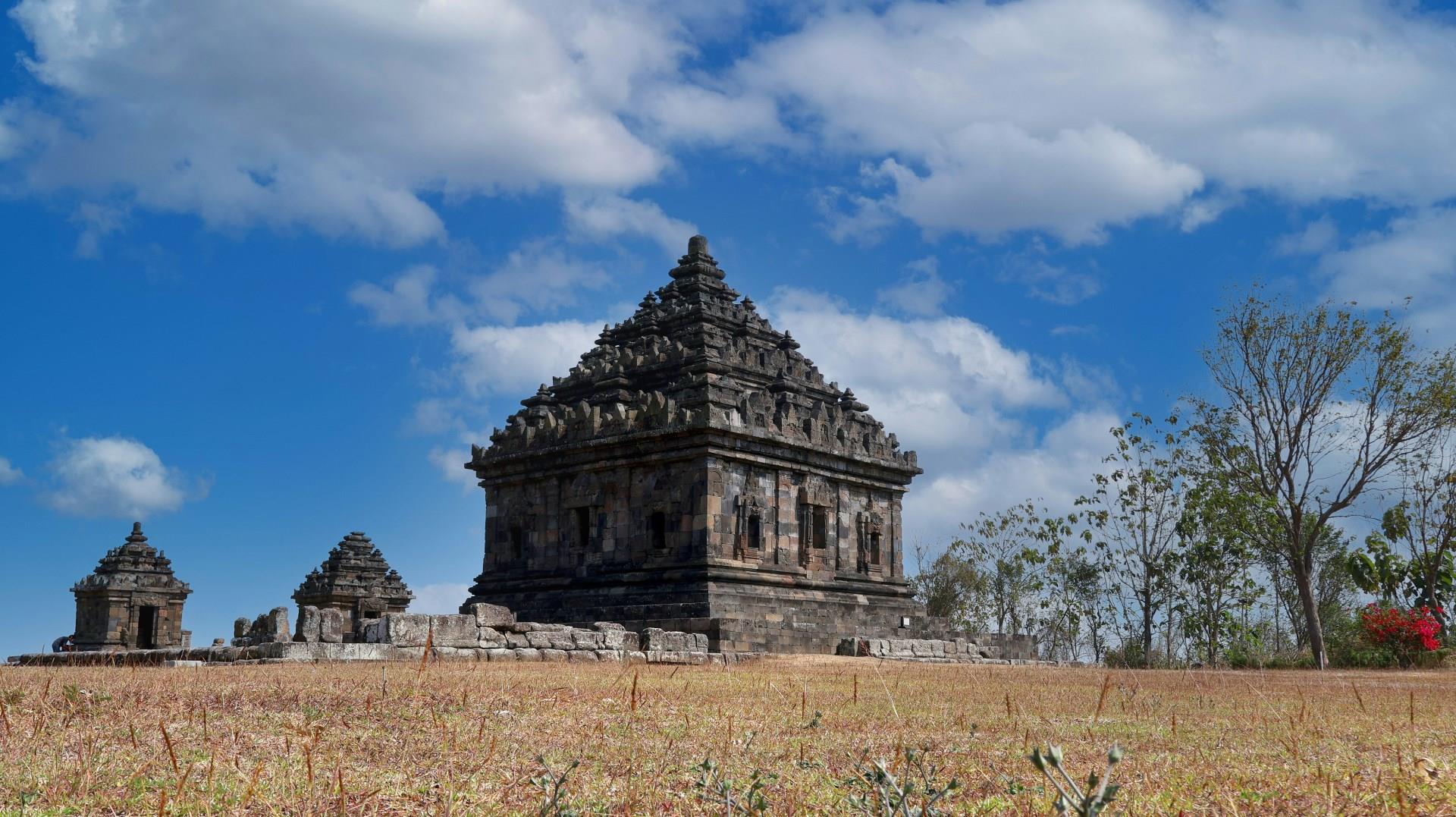
Yogyakarta Java
Yogyakarta, on the island of Java, is often described as Indonesia’s cultural capital, a reputation grounded in living tradition rather than nostalgia. It remains the seat of a functioning sultanate, and the royal palace, or kraton, anchors the city’s identity through ceremonies, crafts, and court arts that continue to shape everyday life. The city also played a key role in Indonesia’s struggle for independence, giving it a strong sense of civic pride and historical awareness.
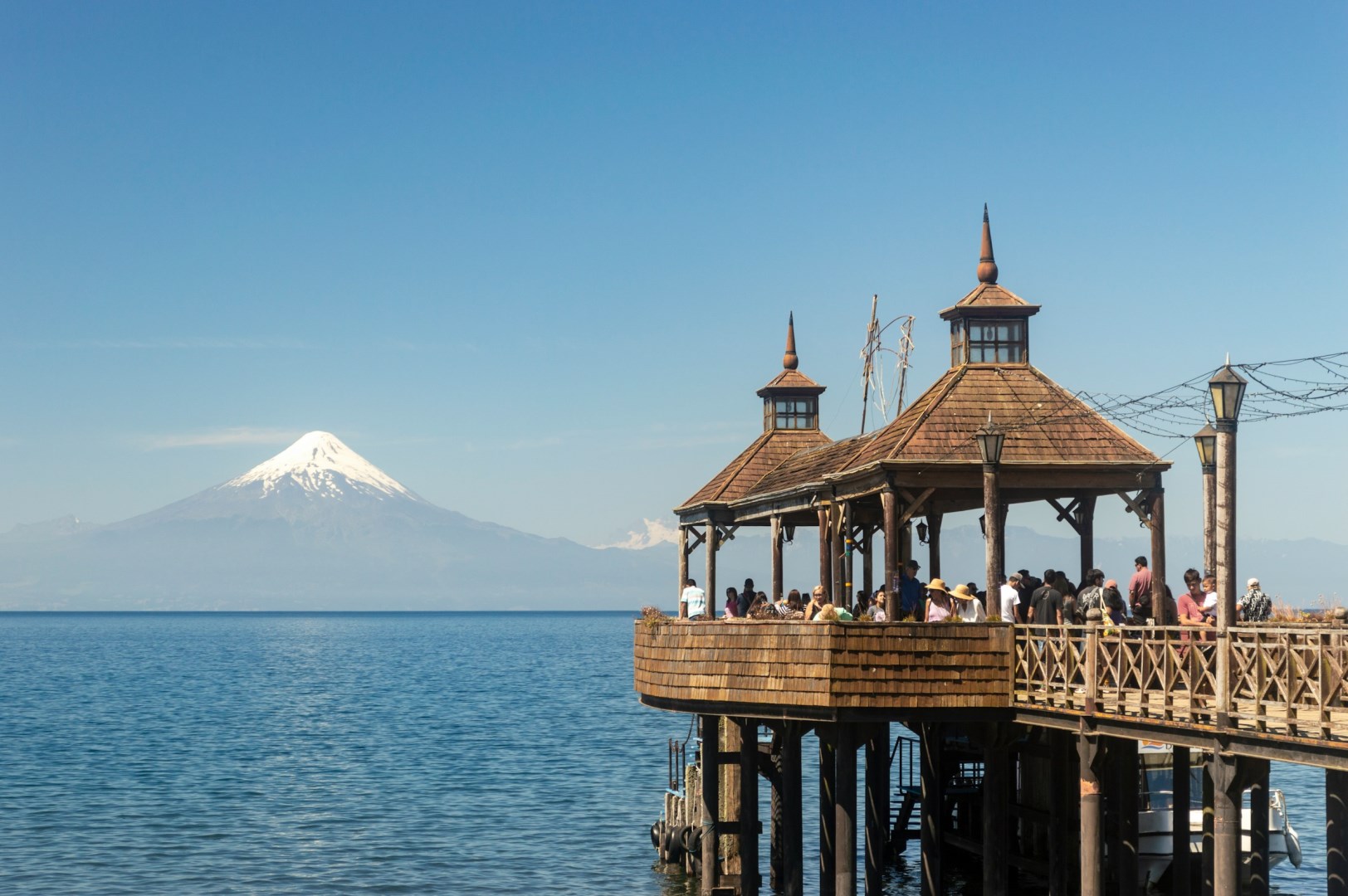
Frutillar
Frutillar is a small city on the western shore of Lake Llanquihue in southern Chile, with views across the water toward the snow-covered Osorno, Puntiagudo, Tronador, and Calbuco volcanoes. Its waterfront is defined by a long promenade, gardens, and dark volcanic-stone beaches, while wooden houses and carefully maintained public spaces give the town a distinctive appearance.