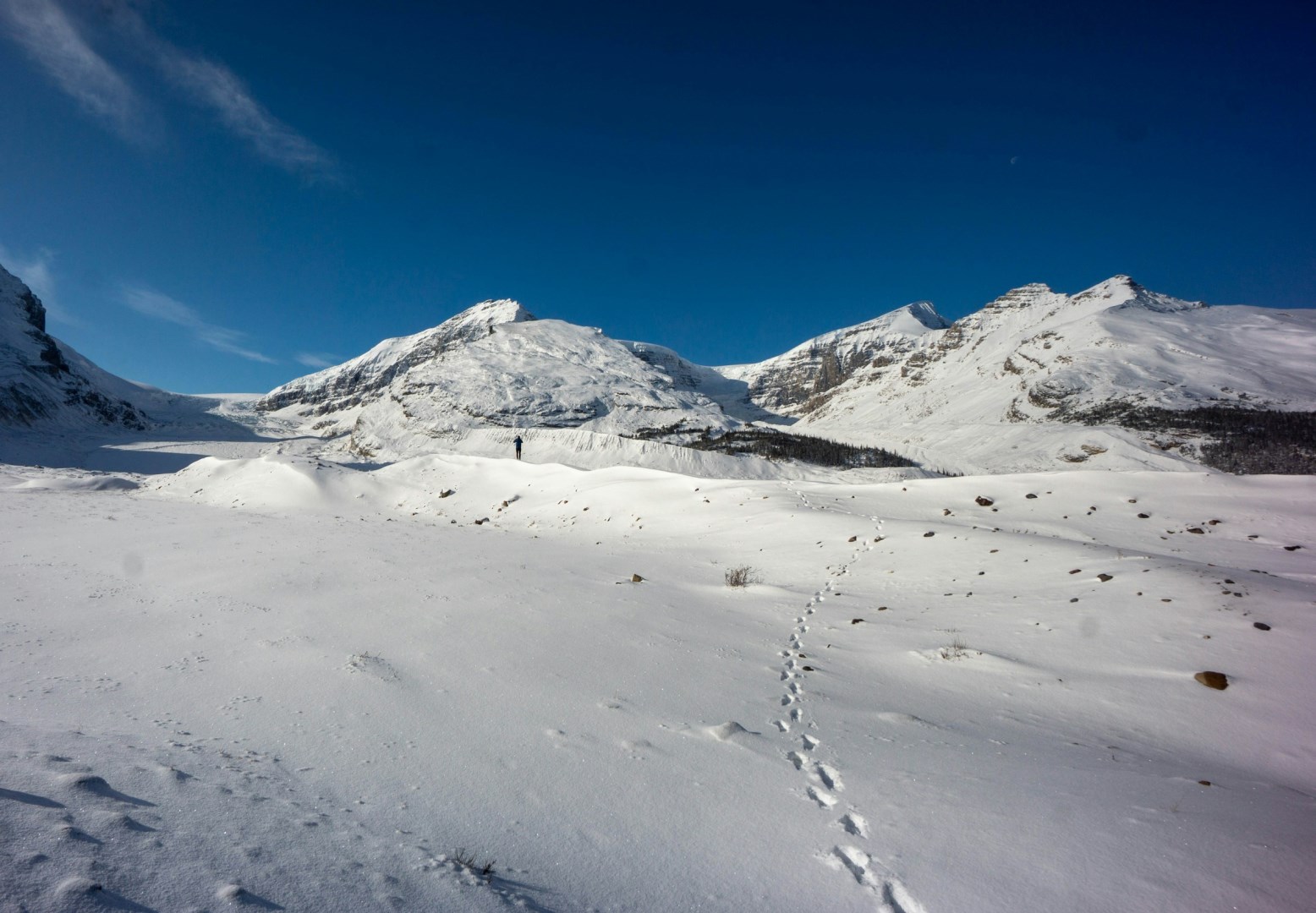
Athabasca Glacier
Athabasca Glacier is one of the most accessible glaciers in the Canadian Rockies, located in Jasper National Park along the Columbia Icefield Parkway in Alberta. It forms part of the Columbia Icefield, a vast area of ice and snow that feeds several major river systems. The glacier extends down from the icefield between rugged mountain peaks, with its lower section visible from a marked viewpoint and trail.

Nagasaki
This beautiful port city and capital of the Nagasaki Prefecture is located on the island of Kyushu.

Turks and Caicos Islands
The Turks and Caicos Islands, a British Overseas Territory in the Atlantic, are celebrated for their luminous turquoise waters and powder-soft beaches. Grace Bay on Providenciales is the most famous stretch of sand, consistently ranked among the world’s best, where calm seas and vibrant reefs invite both relaxation and adventure.
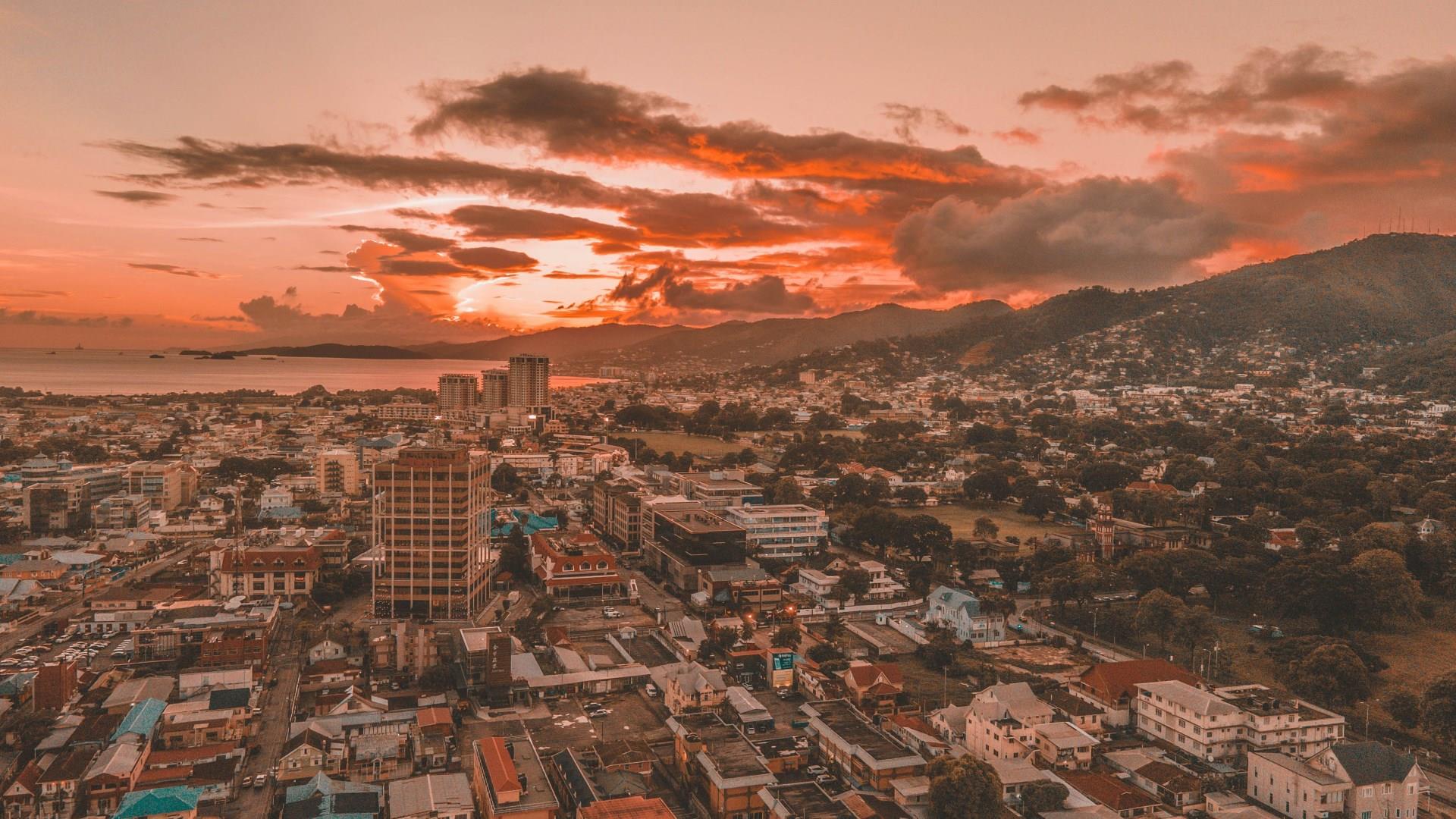
Port of Spain
Port of Spain, the capital of Trinidad and Tobago, is a city that brims with cultural energy and layered history. Set against the backdrop of the Northern Range mountains and overlooking the Gulf of Paria, it has long been a hub of trade, migration, and creativity.
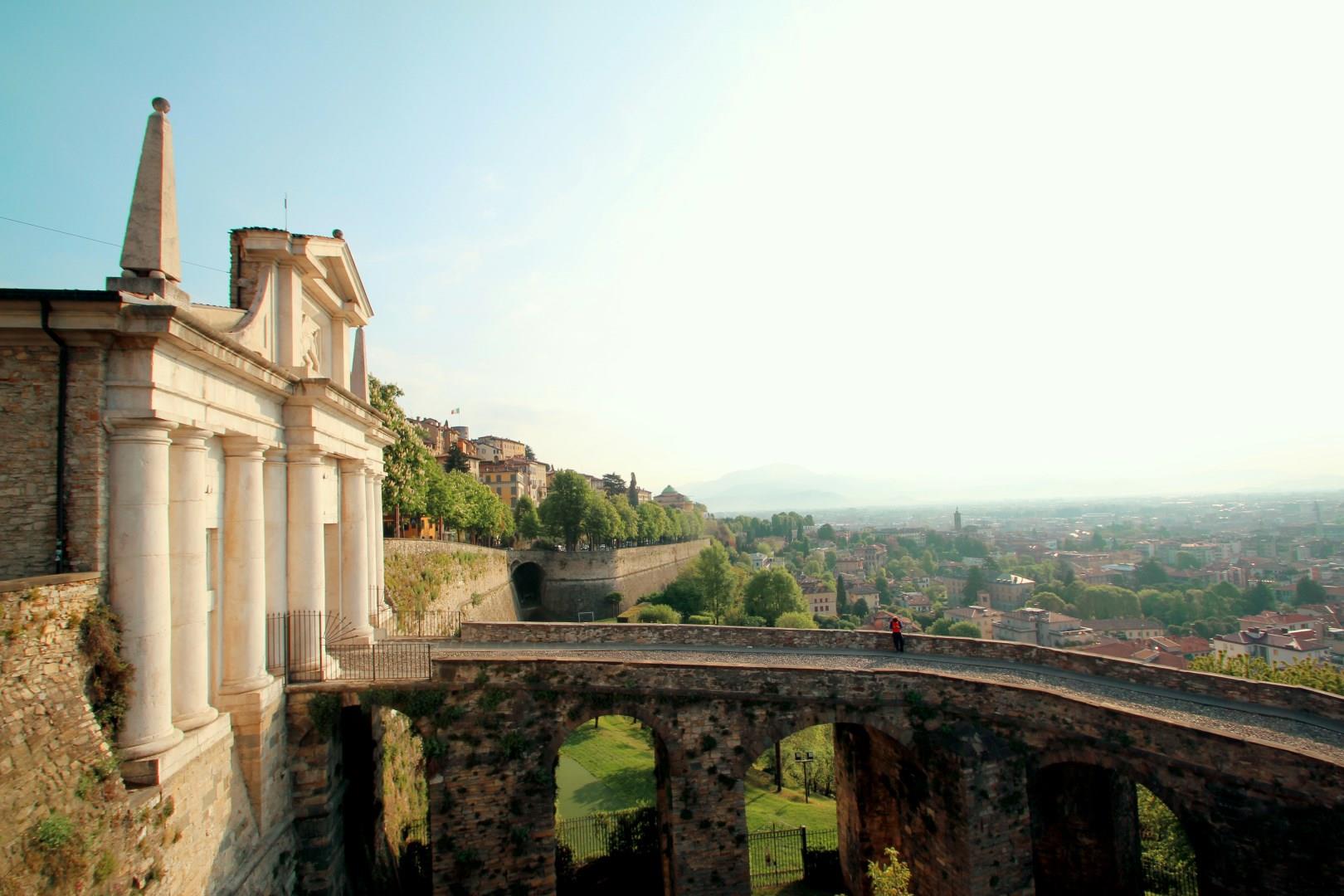
Bergamo
Bergamo, in northern Italy’s Lombardy region, is a city of striking contrasts, divided into the historic upper town and the modern lower town. The upper town, perched on a hill and encircled by Venetian walls, offers cobblestone streets, medieval architecture, and panoramic views over the surrounding plains and the distant Alps.