Nanjing
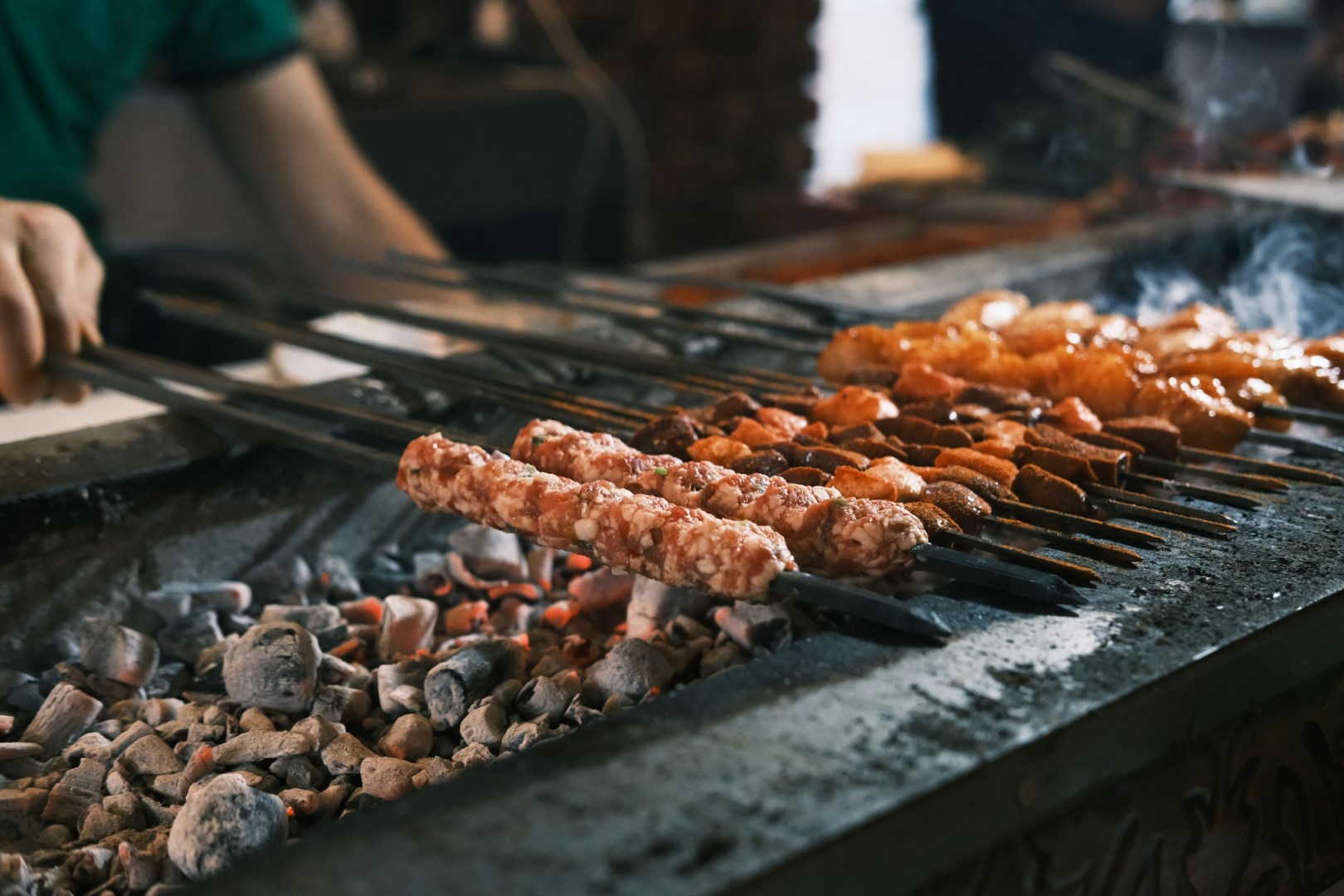
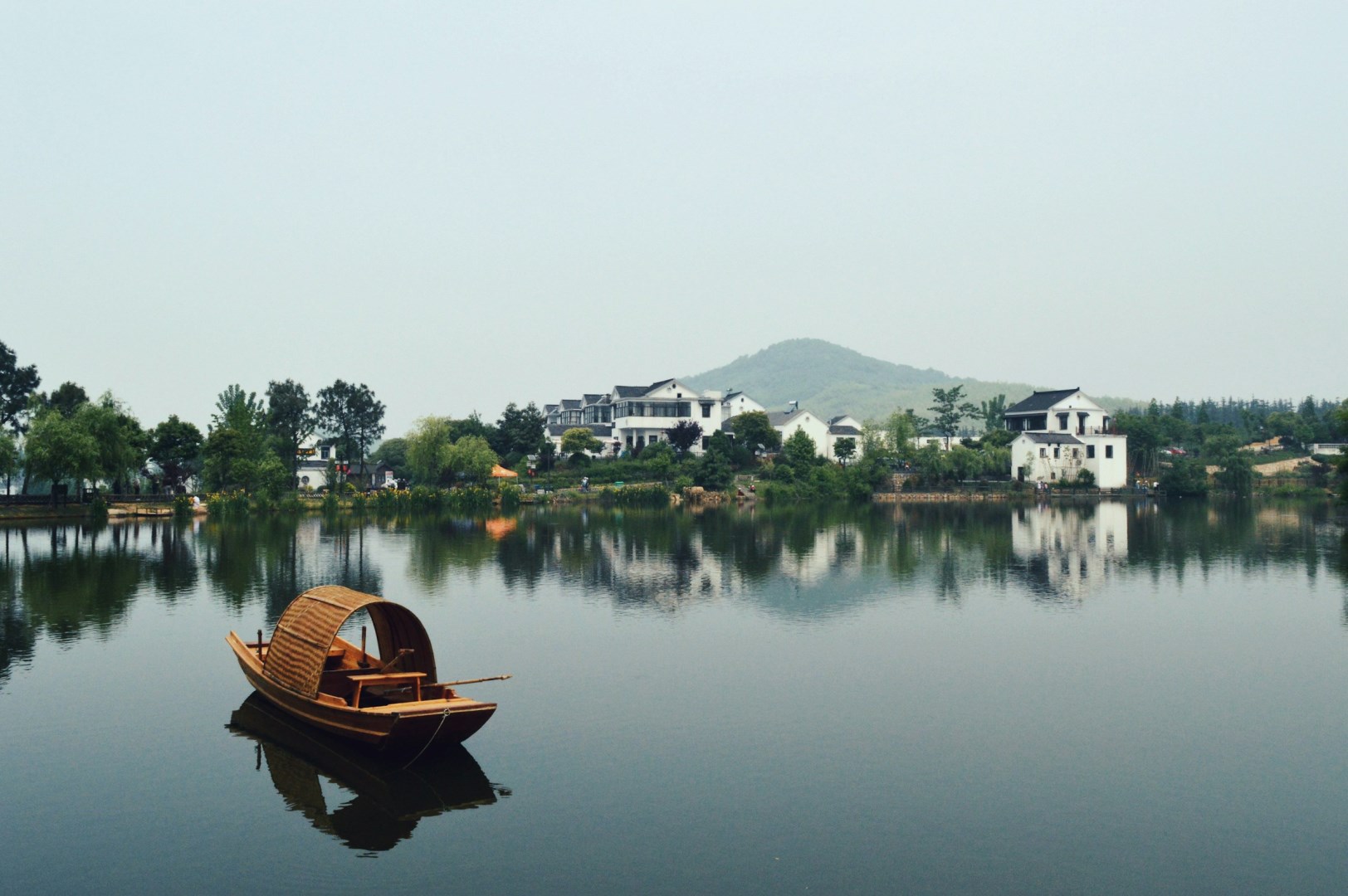
This is a city one could get lost in for days, exploring the old Ming Dynasty walls and wandering through its superb museum. If time permits, you should also take a walk through Linggu Park, home of the Linggu Pagoda and other items of Buddhist interest. Even just a casual walk through the streets-replete with food vendors and baskets of live geese-will help convey the unique flavor of this city.
Humacao
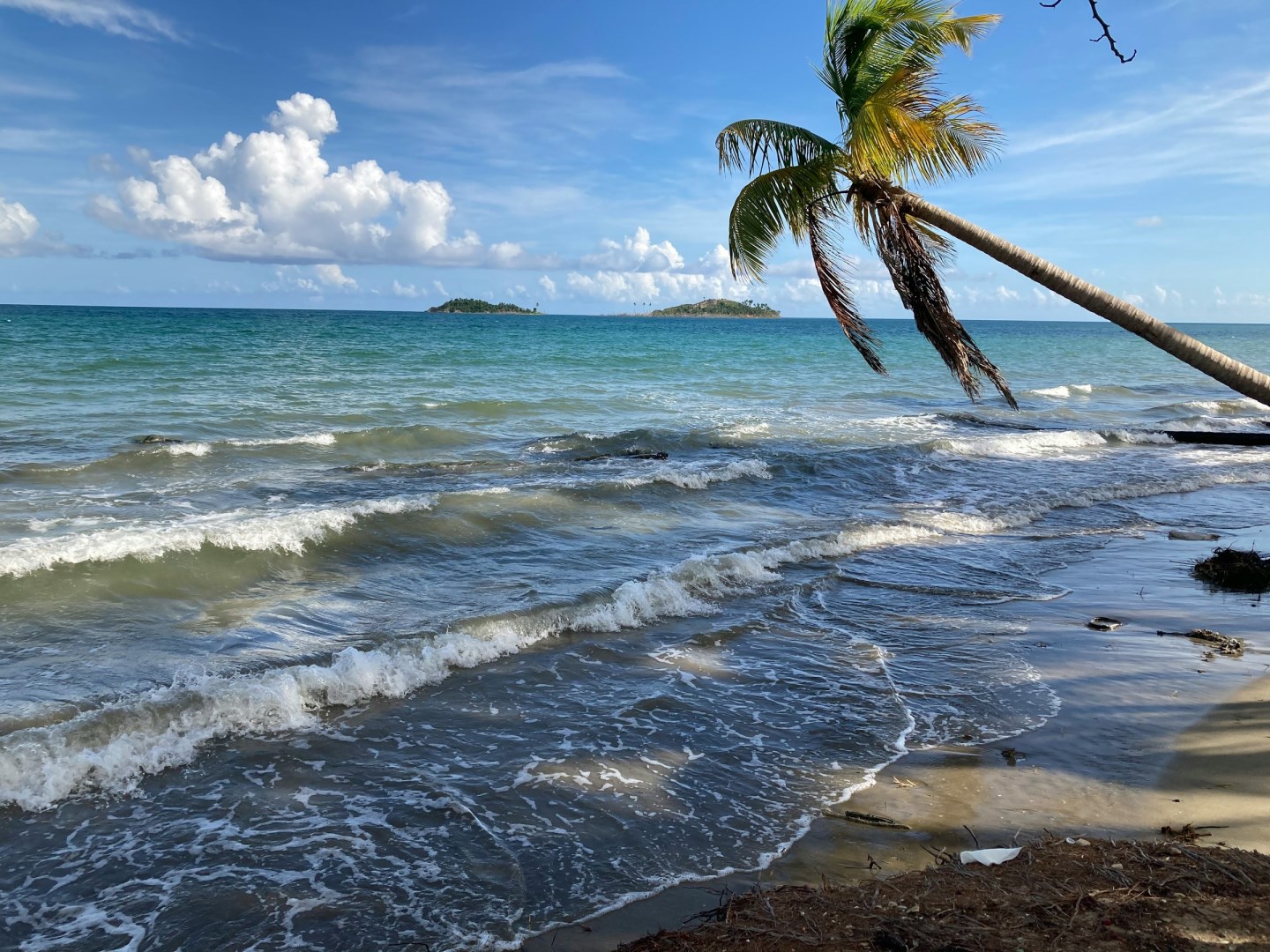
Humacao is a coastal city on the southeastern side of Puerto Rico, facing the Caribbean Sea and surrounded by low hills, wetlands, beaches, and agricultural land. The city sits near the mouth of the Río Humacao, with its urban center inland from the coast and several communities extending toward the shoreline.
Soldeu
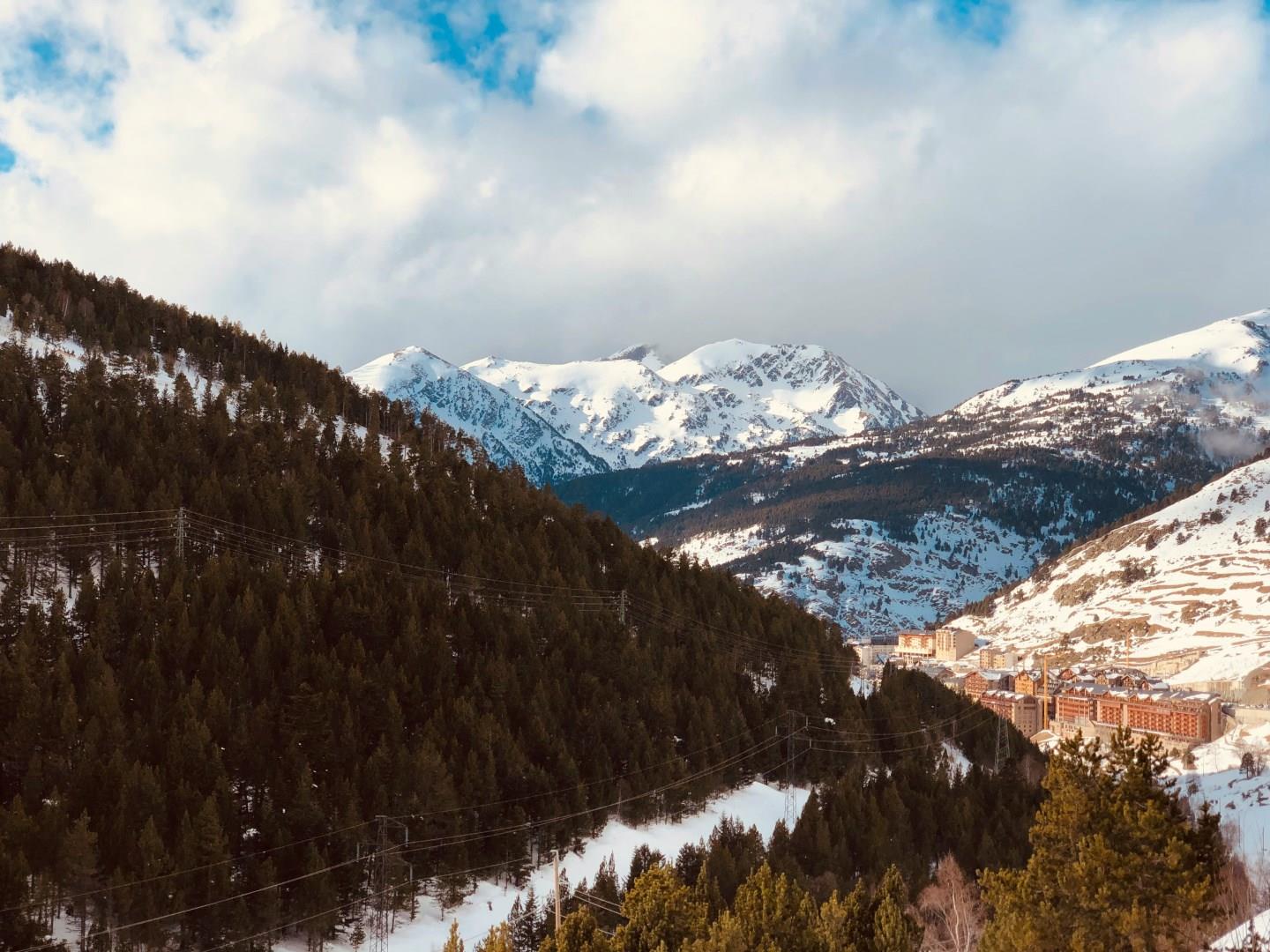
Nestled high in the Pyrenees, Soldeu is a mountain village in the principality of Andorra, best known for its access to Grandvalira, which is one of the largest ski areas in Southern Europe. At 1,800 meters above sea level, Soldeu has grown from a quiet farming village into a winter destination with over 200 kilometers of slopes. It hosted World Cup alpine ski races in 2019 and is scheduled to host the Finals again in 2029.
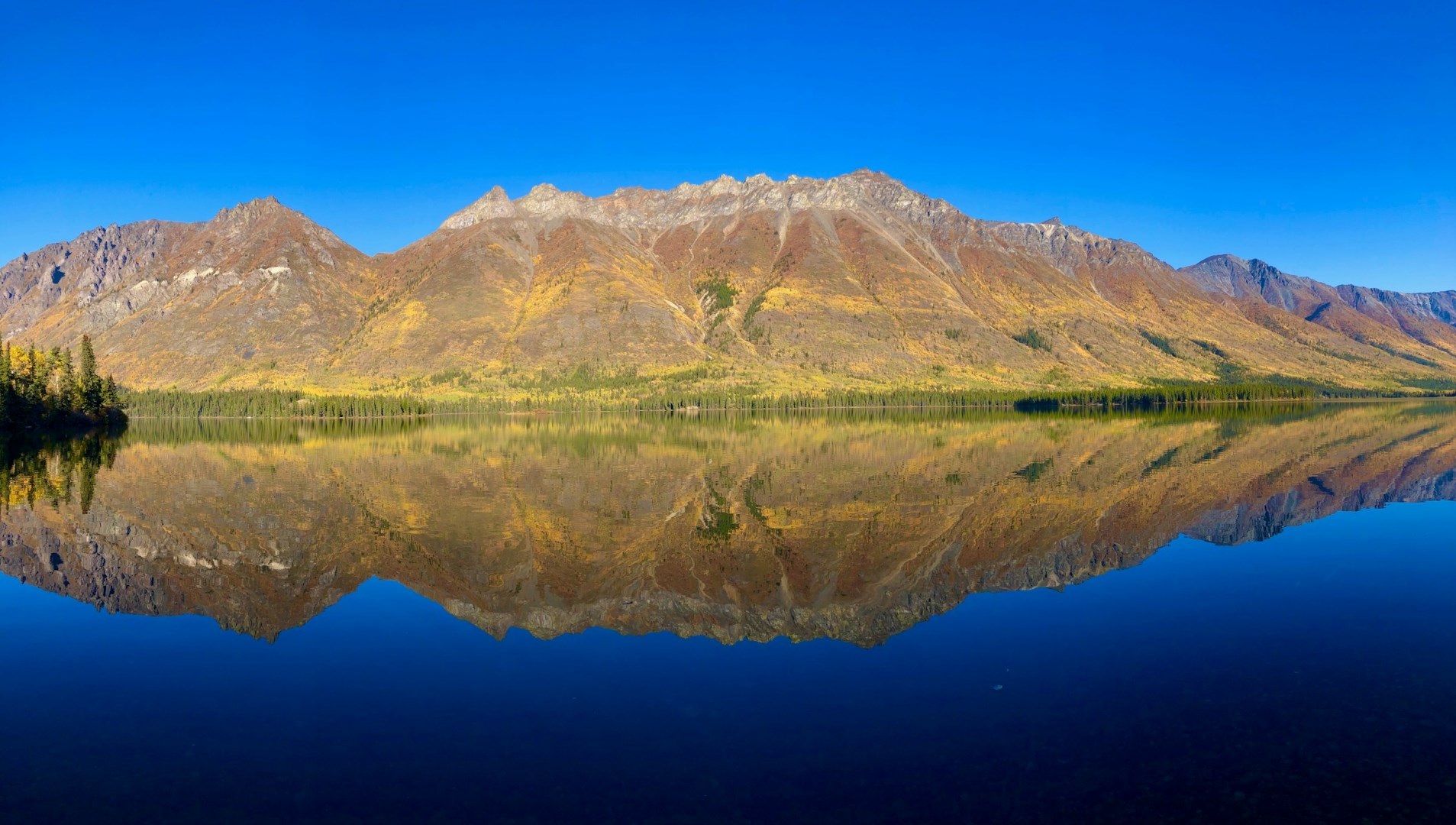
Annie Lake
Annie Lake is a remote freshwater lake in southern Yukon, situated within the region's broad wilderness of forests, mountains, and clear northern waterways. The lake lies along the Annie Lake Road southwest of Whitehorse and is part of a landscape shaped by boreal forest and rugged terrain
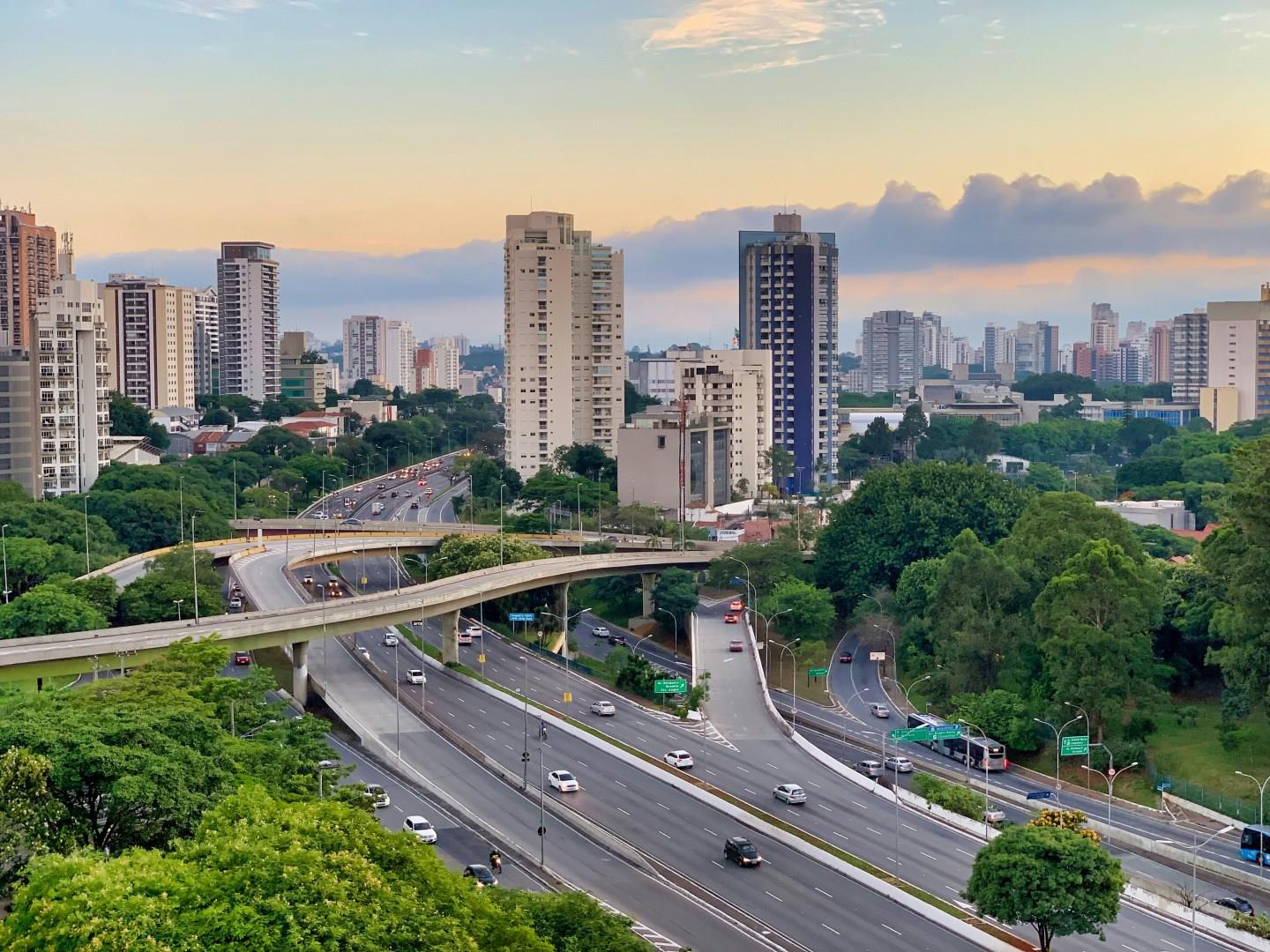
São Paulo
Sao Paulo is Brazil’s largest city and its economic engine, shaped by waves of migration that began in the late 19th century and never truly slowed. Italians, Japanese, Lebanese, and migrants from across Brazil all left visible marks on the city’s neighborhoods, food, and cultural life.