Chigumula
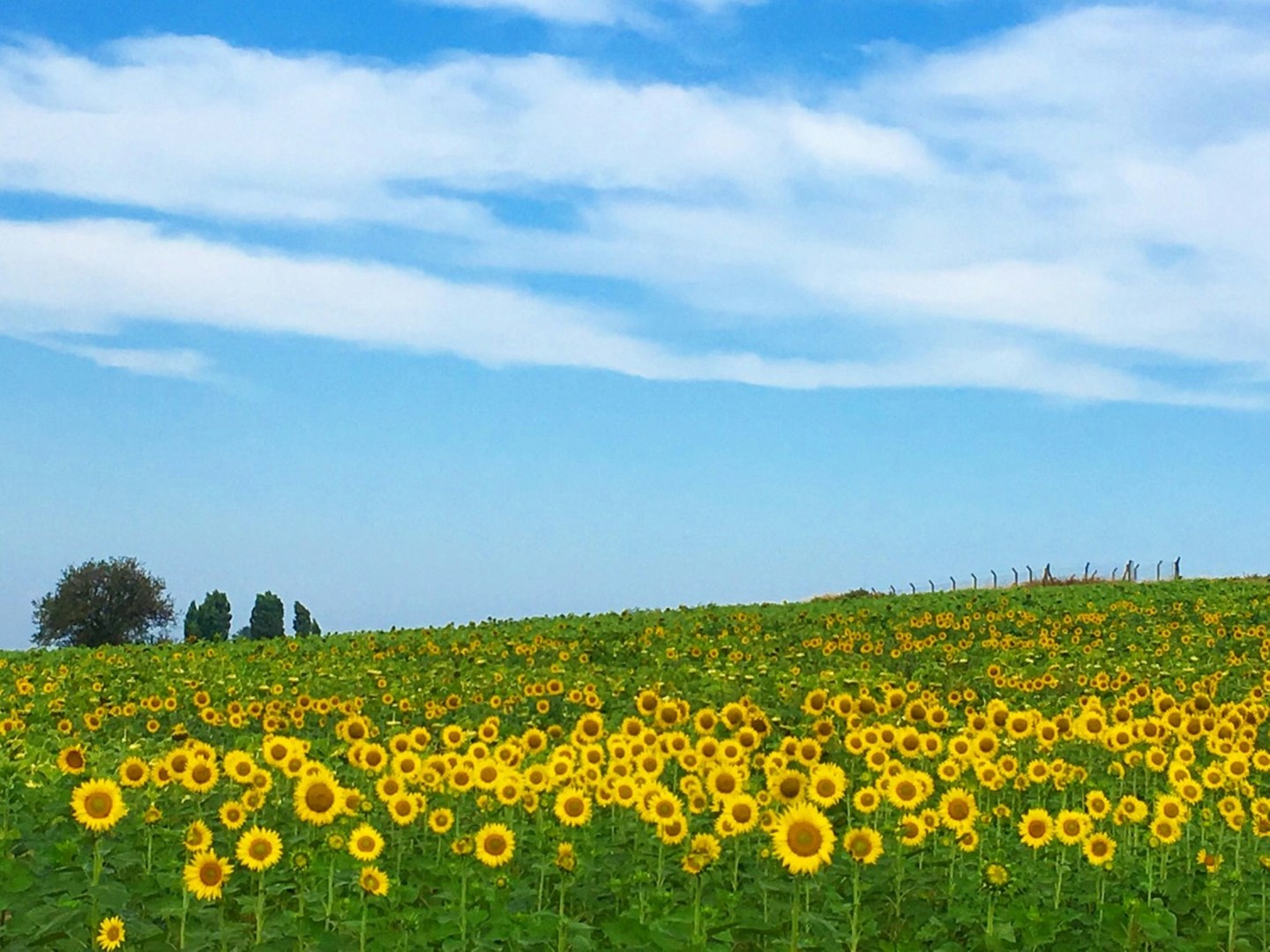
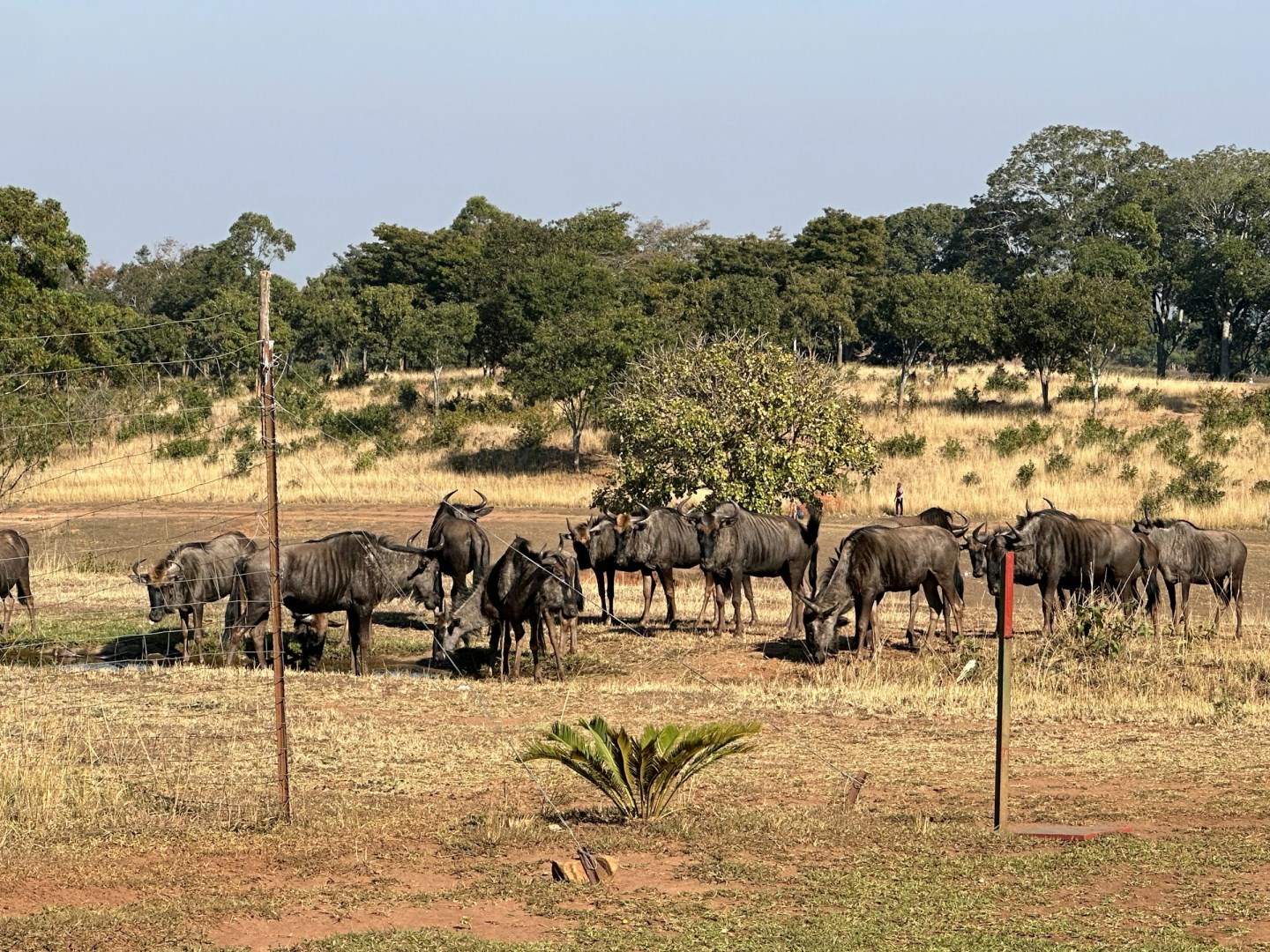
Chigumula is a residential area within the wider Blantyre urban area in southern Malawi. It lies in the Shire Highlands, a region known for rolling terrain and a strong connection to the commercial life of southern Malawi. Chigumula is also associated with Chigumula Market, which serves as a local point for buying and selling everyday goods.
Samarkand
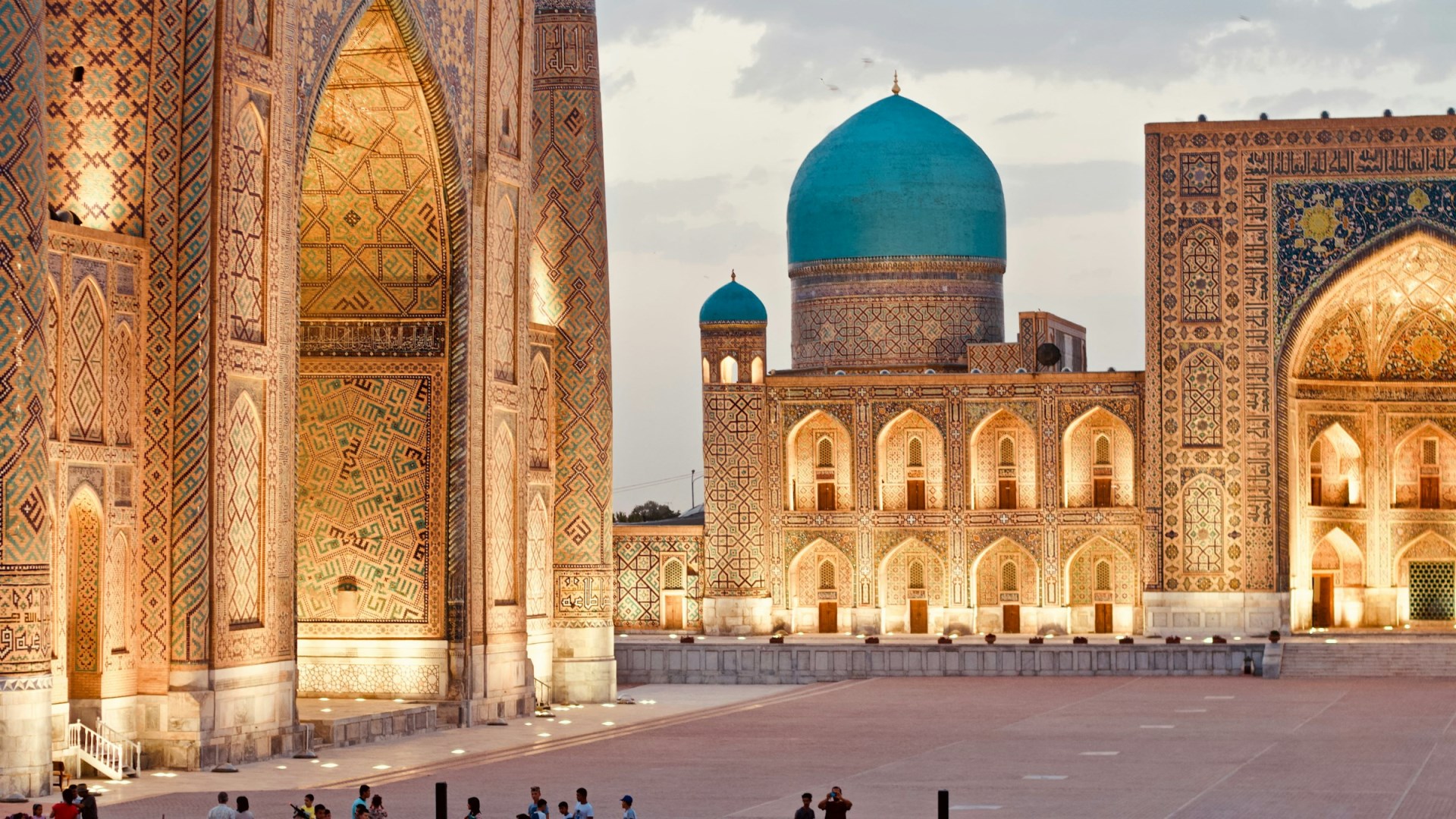
Samarkand is one of Central Asia’s most storied cities, famed for its role as a crossroads of culture, science, and trade along the Silk Road. The heart of the city is the Registan, a grand square framed by three ornate madrasas decorated with vivid mosaics, intricate tilework, and soaring arches.
Fort Myers
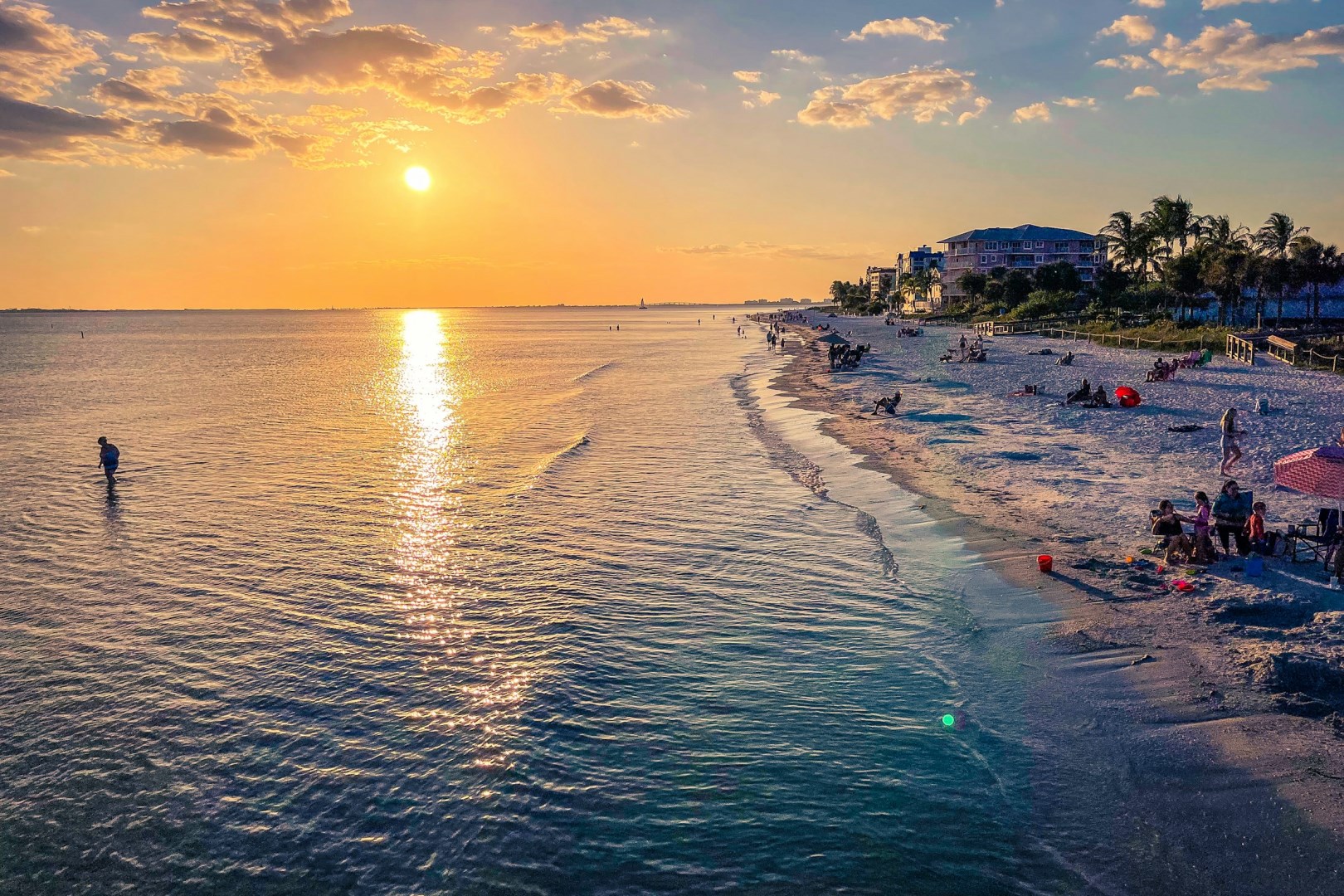
Fort Myers is a city on Florida’s southwest Gulf Coast, located along the Caloosahatchee River near its entrance to the Gulf of Mexico. The city combines a historic downtown, riverfront parks, residential neighborhoods, and access to beaches and coastal islands. Its location makes waterways central to recreation, with boating, fishing, kayaking, and wildlife viewing available on the river and nearby Gulf waters. Fort Myers is also known for the winter estates of Thomas Edison and Henry Ford.
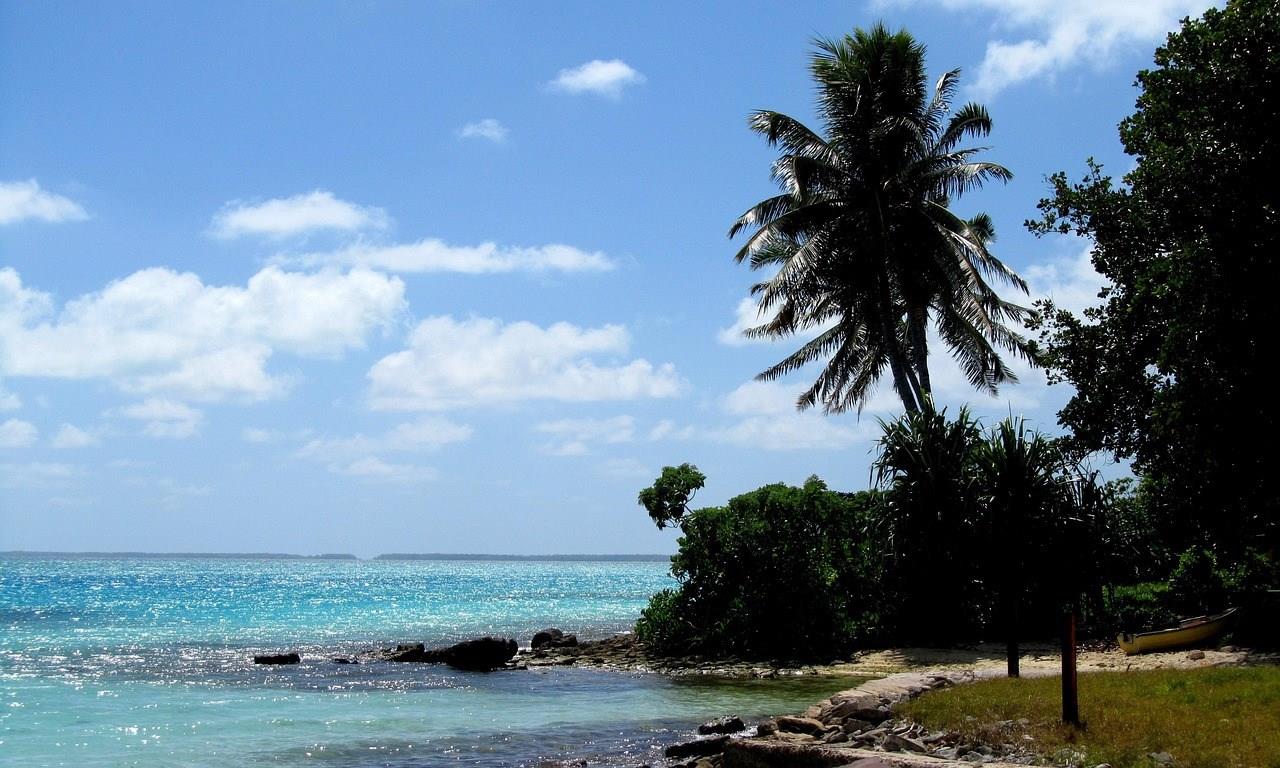
Fanning Island
Fanning Island, also known as Tabuaeran, is one of the Line Islands in the Republic of Kiribati. Sitting just four degrees north of the equator, this remote atoll is a rare find for travelers seeking raw, untouched Pacific beauty. With no large hotels or chain resorts, visitors often arrive by cruise or private yacht and are welcomed with coconut-leaf garlands and traditional songs.
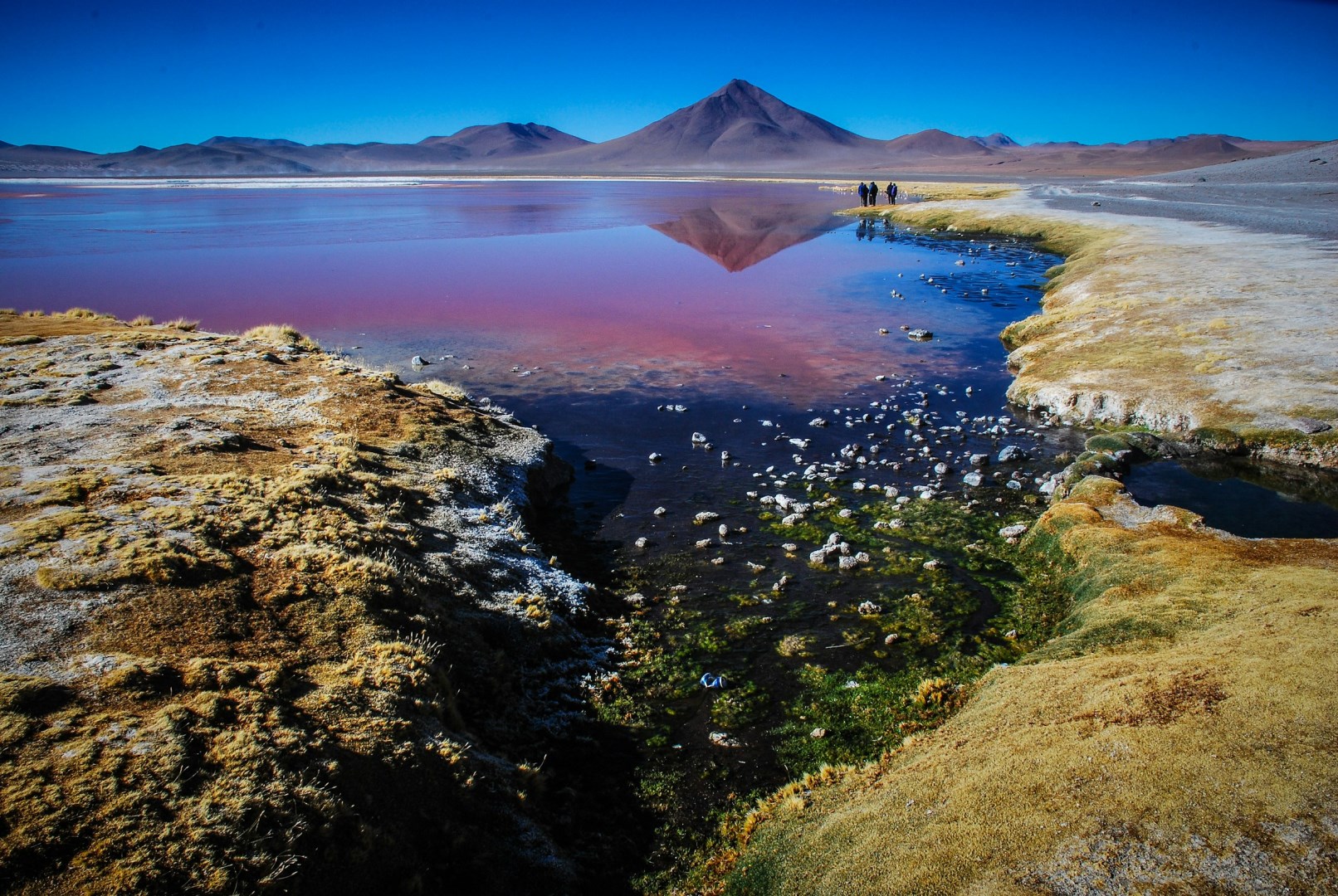
Altiplano
The Bolivian Altiplano is a vast high plateau in the Andes, stretching across much of western Bolivia between the country’s major mountain ranges. Its high elevation creates a cool, dry environment with broad open plains, rugged peaks, volcanoes, and sparse grasslands. La Paz and El Alto occupy the northern part of the plateau, while Oruro, Uyuni, and Potosí are among its other important settlements.