Karnak
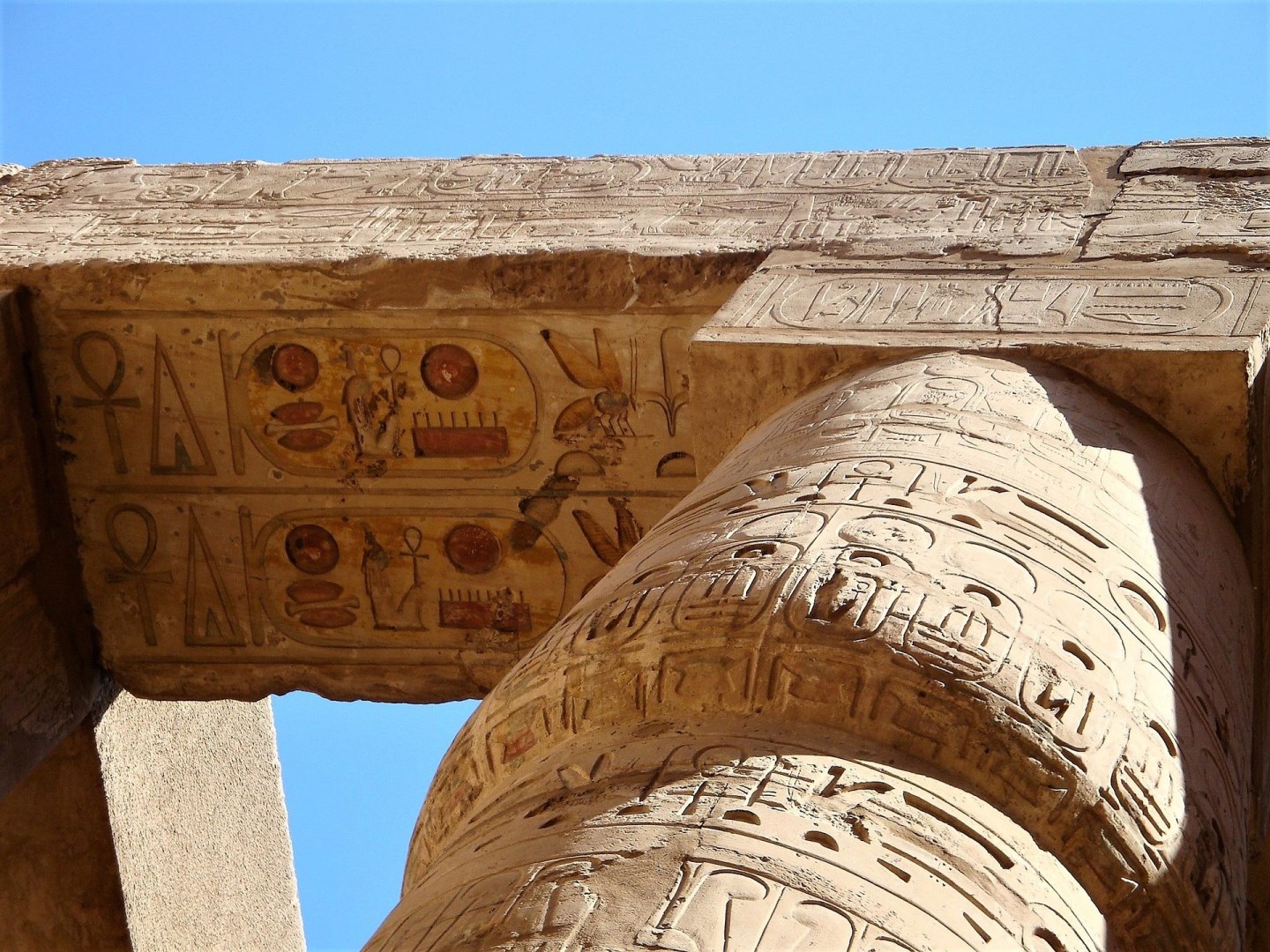
Karnak Temple is a huge, open air complex and, after the Giza Pyramids, the second most visited historical place in Egypt. The largest religious building ever constructed, it sits on 200 acres—a true wonder of the world. Decayed pylons, chapels and temples make up this unmissable historical attraction near Luxor.
Khiva
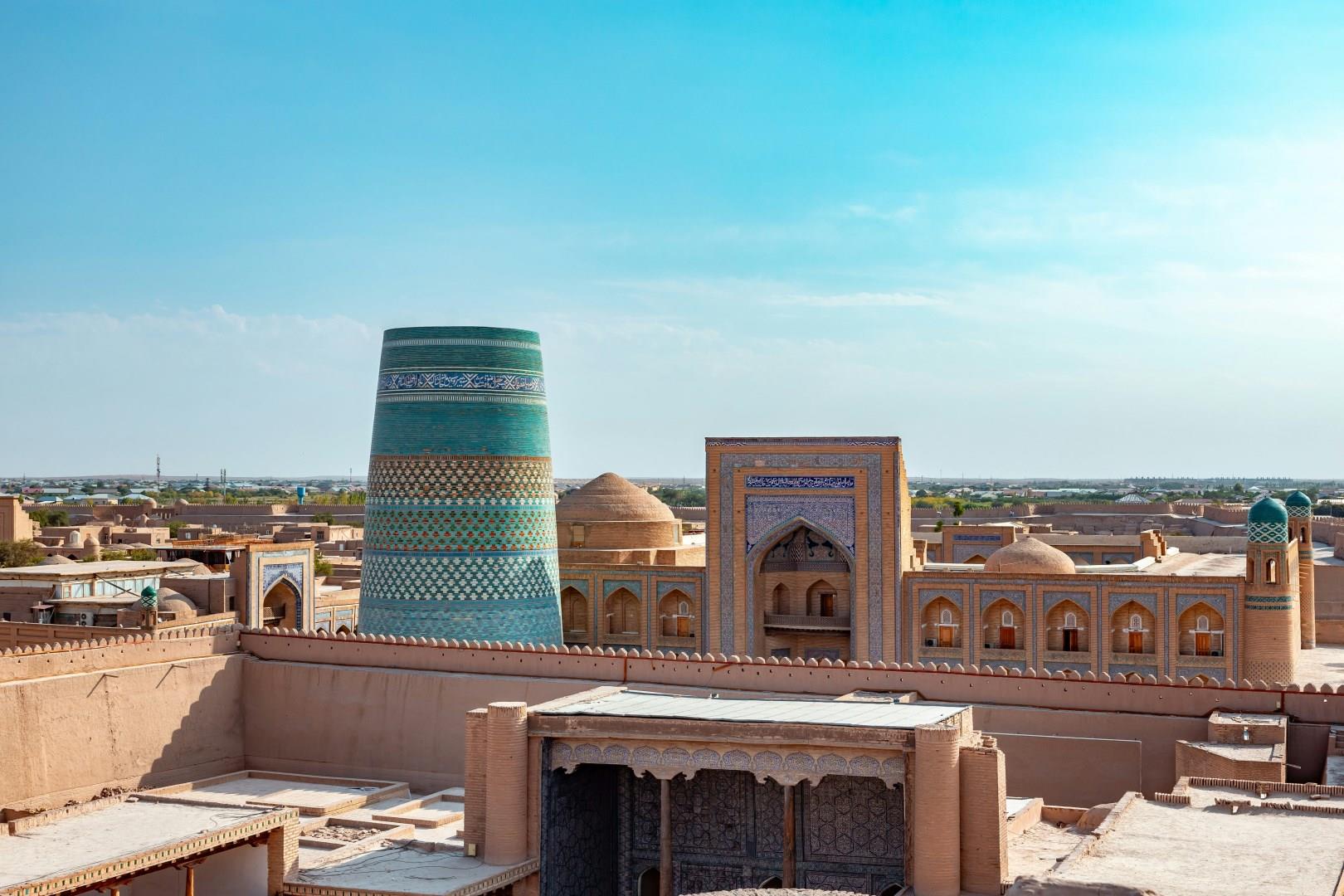
Khiva, located in western Uzbekistan’s Khorezm region, is one of Central Asia’s most evocative Silk Road cities. Its walled inner city, known as the Itchan Kala, has preserved a remarkable collection of mud-brick architecture, minarets, mosques, and madrasahs that reflect centuries of Islamic culture and trade. Khiva served as a thriving trading hub and political center, linking merchants and scholars across the desert routes of the region.
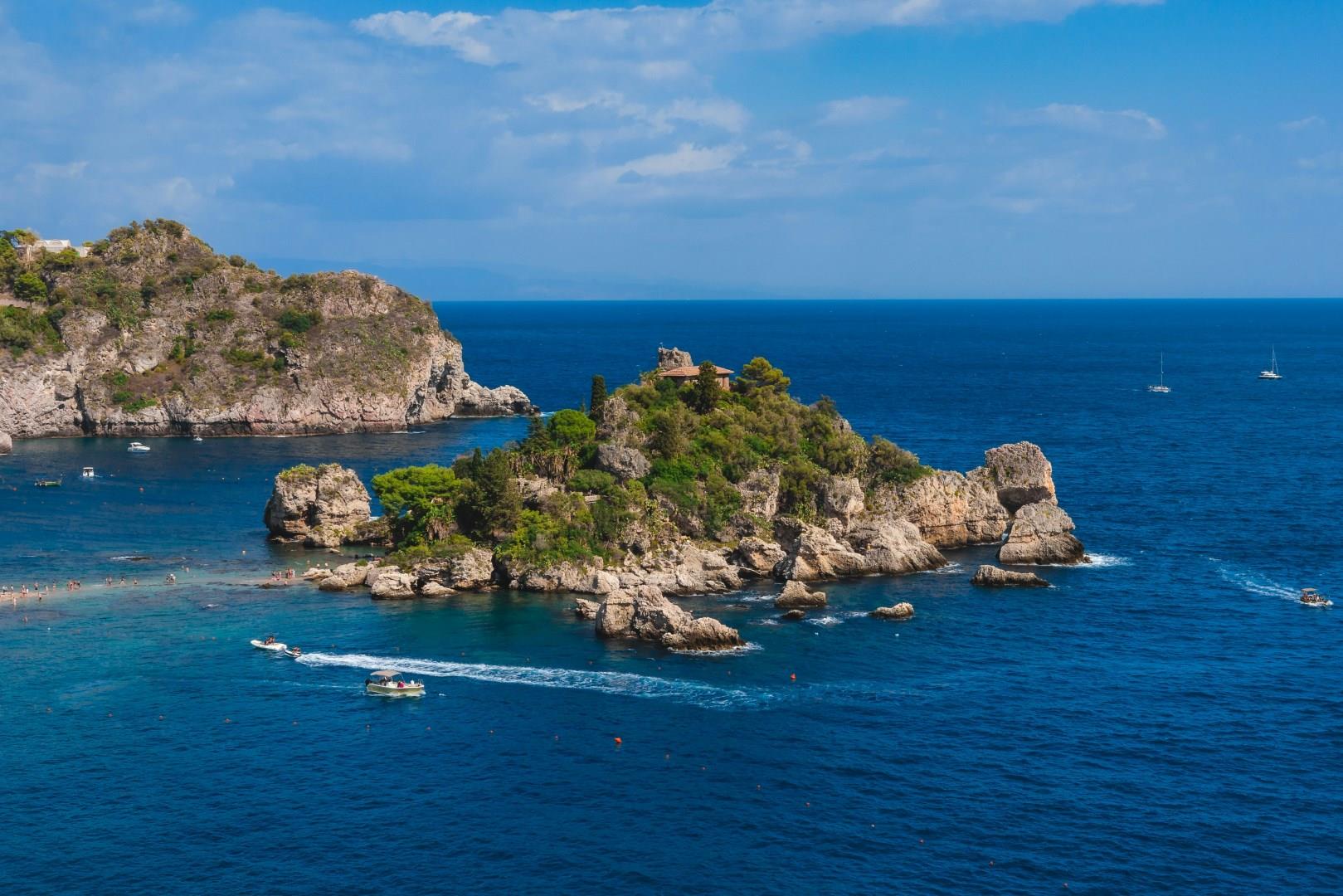
Isola Bella
Isola Bella sits on Lake Maggiore as part of the Borromean Islands, closely tied to the ambitions of the Borromeo family who reshaped the rocky outcrop in the 17th century.

Lake Nakuru National Park
Lake Nakuru National Park is located in the heart of the Great Rift Valley. The Park encompasses the alkaline Lake Nakuru and has earned fame as the greatest bird spectacle in the world. The gathering of hundreds of thousands of greater and lesser pink flamingos.

Vanuatu
Vanuatu, a chain of 83 islands in the South Pacific, offers travelers an experience that’s both bold and deeply rooted in custom. Once known as the New Hebrides, Vanuatu blends ancient Melanesian traditions with dramatic landscapes shaped by volcanic activity. On Tanna Island, visitors can stand at the rim of Mount Yasur, one of the world’s most accessible active volcanoes, and watch fiery eruptions light up the night sky.