Suchitoto
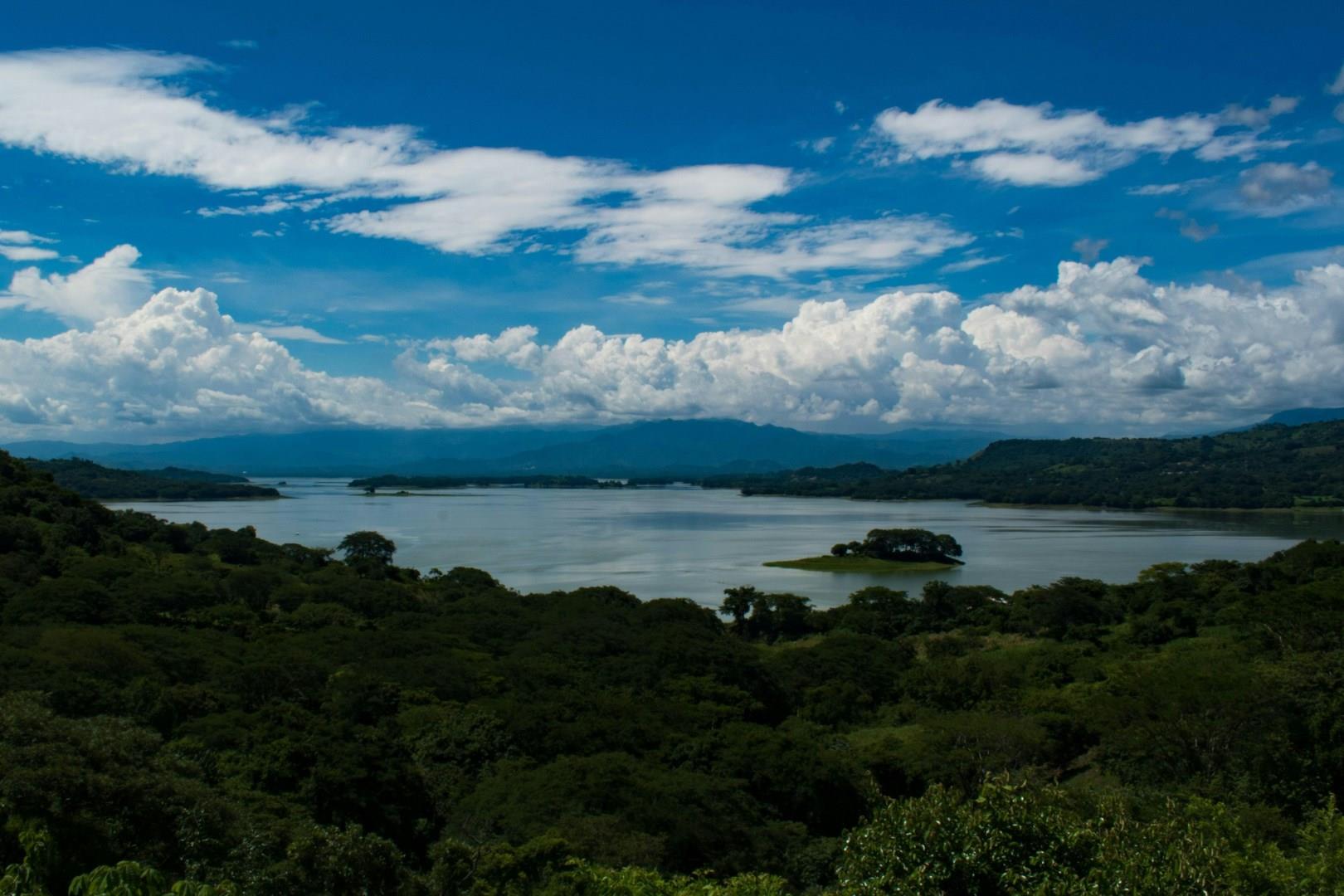
Suchitoto, located in the Cuscatlán department of El Salvador, is a hilltop town known for its cobblestone streets and scenic views of Lake Suchitlán. Once an important center for indigo production, the town still celebrates its dye-making history through artisan workshops where visitors can learn to create textiles using natural indigo. The name “Suchitoto” comes from the Nahuatl language and means “place of flowers and birds,” a nod to the area’s diverse birdlife and surrounding vegetation.

Fuerteventura
The Old Canary Country is the island with the longest coast line, offering wide plains, gentle valleys, and huge beaches. Some of its beaches compare with the best in the world.
Linyanti Wildlife Reserve
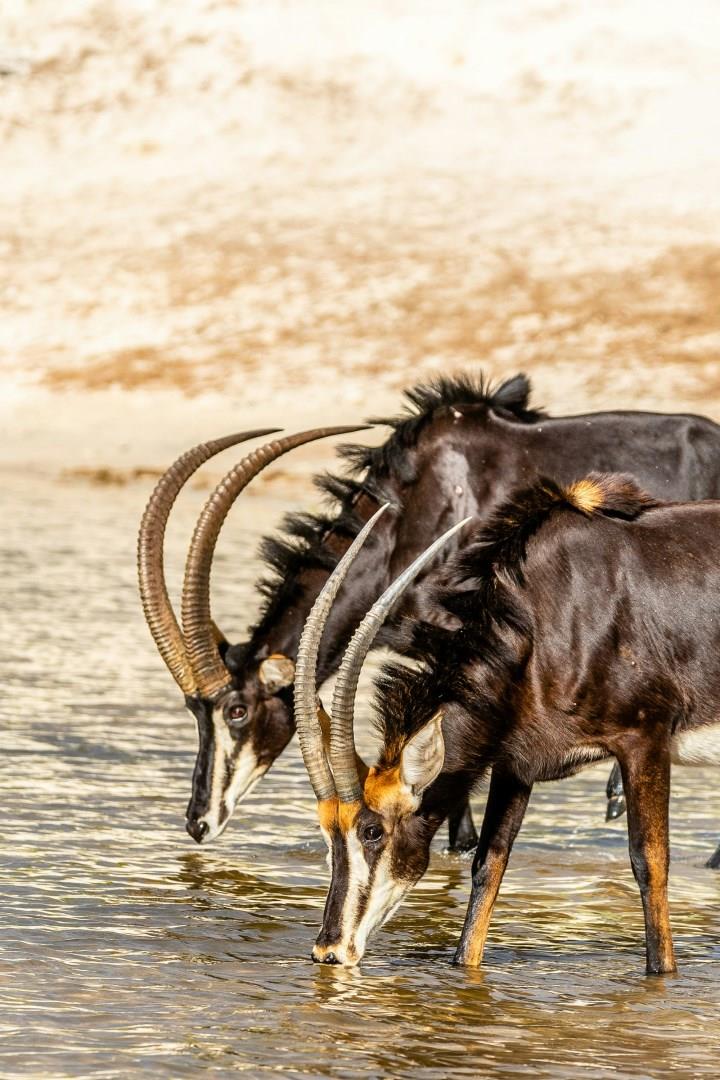
Linyanti Wildlife Reserve, tucked into the northern reaches of Botswana near the Chobe River, is a remote and pristine safari destination known for its rich biodiversity and exclusivity. Covering more than 275,000 acres of wilderness, the reserve is defined by floodplains, lagoons, woodlands, and savannah, creating a mosaic of habitats that sustain an impressive array of wildlife.

Lautoka
Known as Sugar City, Lautoka is a tropical destination on the western coast of Fiji. Be sure to take a stroll through the Lautoka Botanical Gardens, or venture just outside of the city to take in the natural beauty of Koroyanitu National Park, a rainforest preserve with spectacular hikes and bird-watching excursions.

Benoa, Bali
Located on the southern coast of Bali, Benoa is a charming destination where the island's natural beauty and rich culture come together in a truly unique way. Known for its stunning white-sand beaches and crystal-clear waters, Benoa offers a laid-back yet exciting escape for travelers. It’s the perfect place to enjoy water sports such as jet-skiing, parasailing, and windsurfing, or simply relax by the beach with the sound of gentle waves in the background.