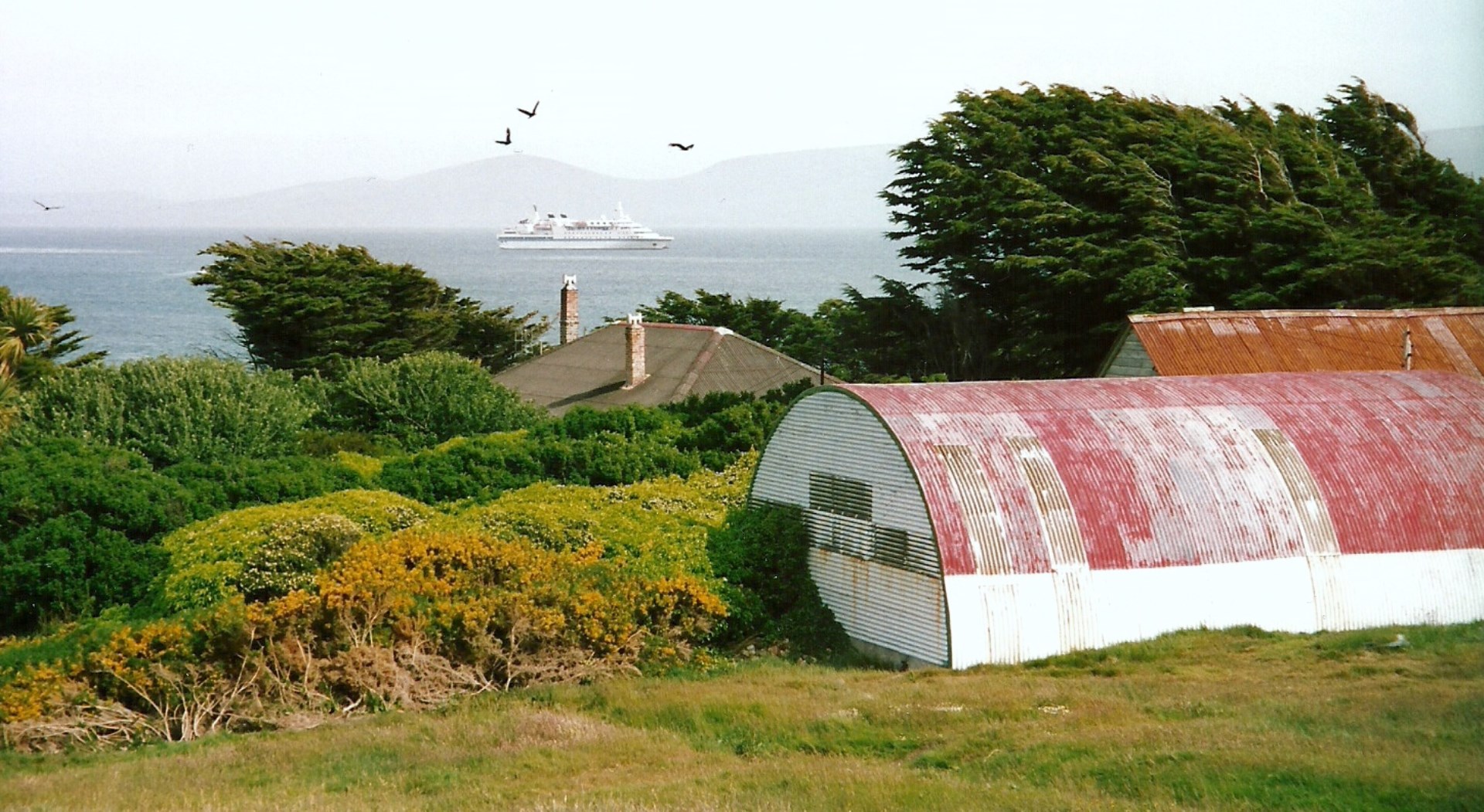
Adjoining the idyllic farm of the McGill family are miles of beaches, tussock grass, and wildflower meadows, the nesting grounds of hundreds of Magellanic and gentoo penguins, upland and kelp geese, crested and flightless steamer ducks, tussock birds, and night herons. After viewing the birds, take a spot of tea in Mrs. McGill's kitchen.
Donegal, a picturesque town nestled in the northwest of Ireland, offers a perfect blend of rich history, rugged landscapes, and a warm Irish welcome. Known for its dramatic coastline along the Wild Atlantic Way, Donegal is a haven for nature lovers, history buffs, and those seeking an authentic slice of Irish life. The town's centerpiece, Donegal Castle, built by the O'Donnell clan in the 15th century, provides a fascinating glimpse into the region's Gaelic heritage.
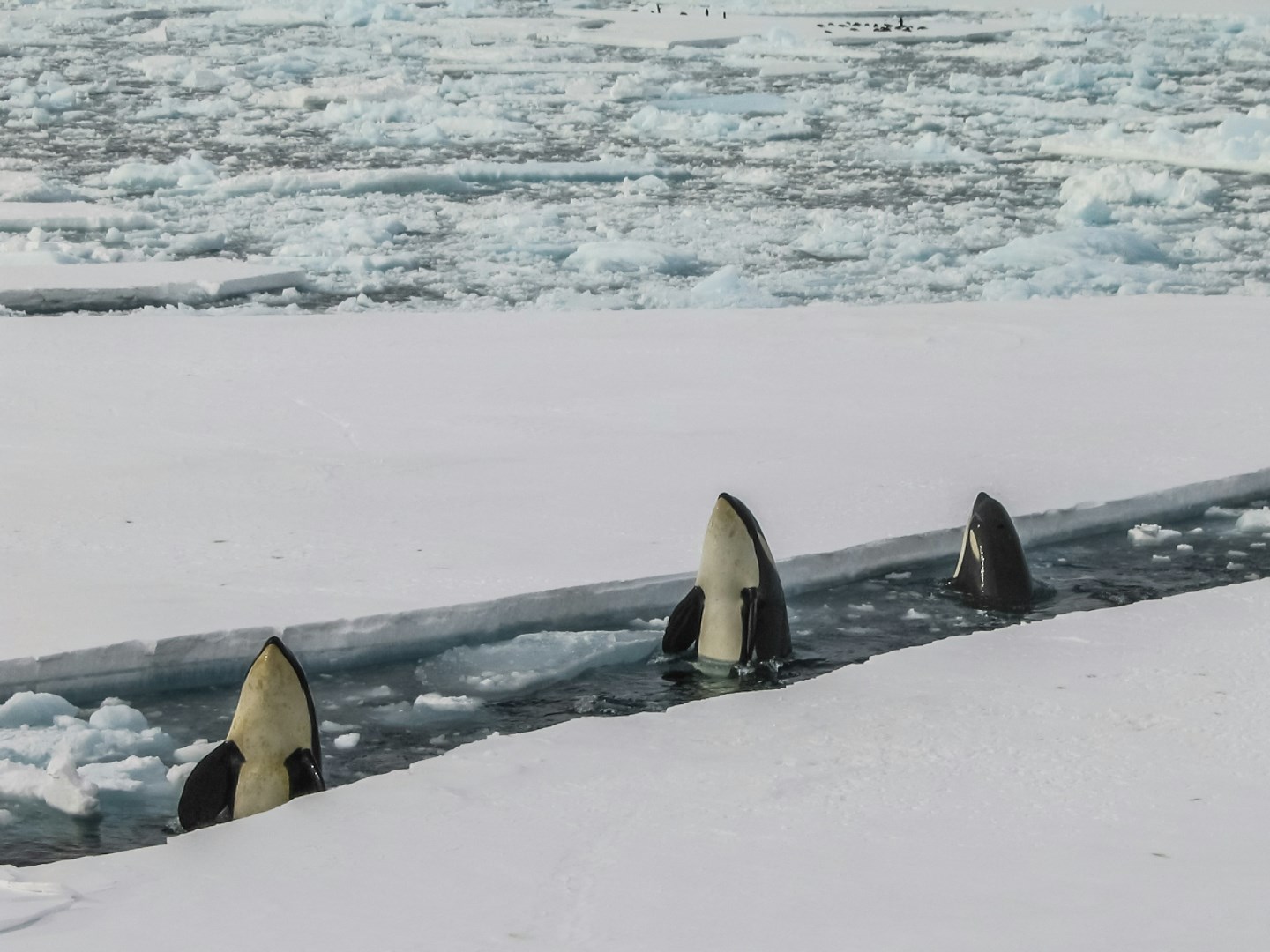
McMurdo is distinctive not only for its scientific role but also for the unusual scale of daily life in Antarctica. The station has a power plant, medical facilities, dining services, workshops, communications systems, and specialized vehicles used to support research in extreme conditions. Nearby Scott Base, operated by New Zealand, provides another important Antarctic research presence on Ross Island. McMurdo also supports flights and overland journeys to remote parts of the continent.
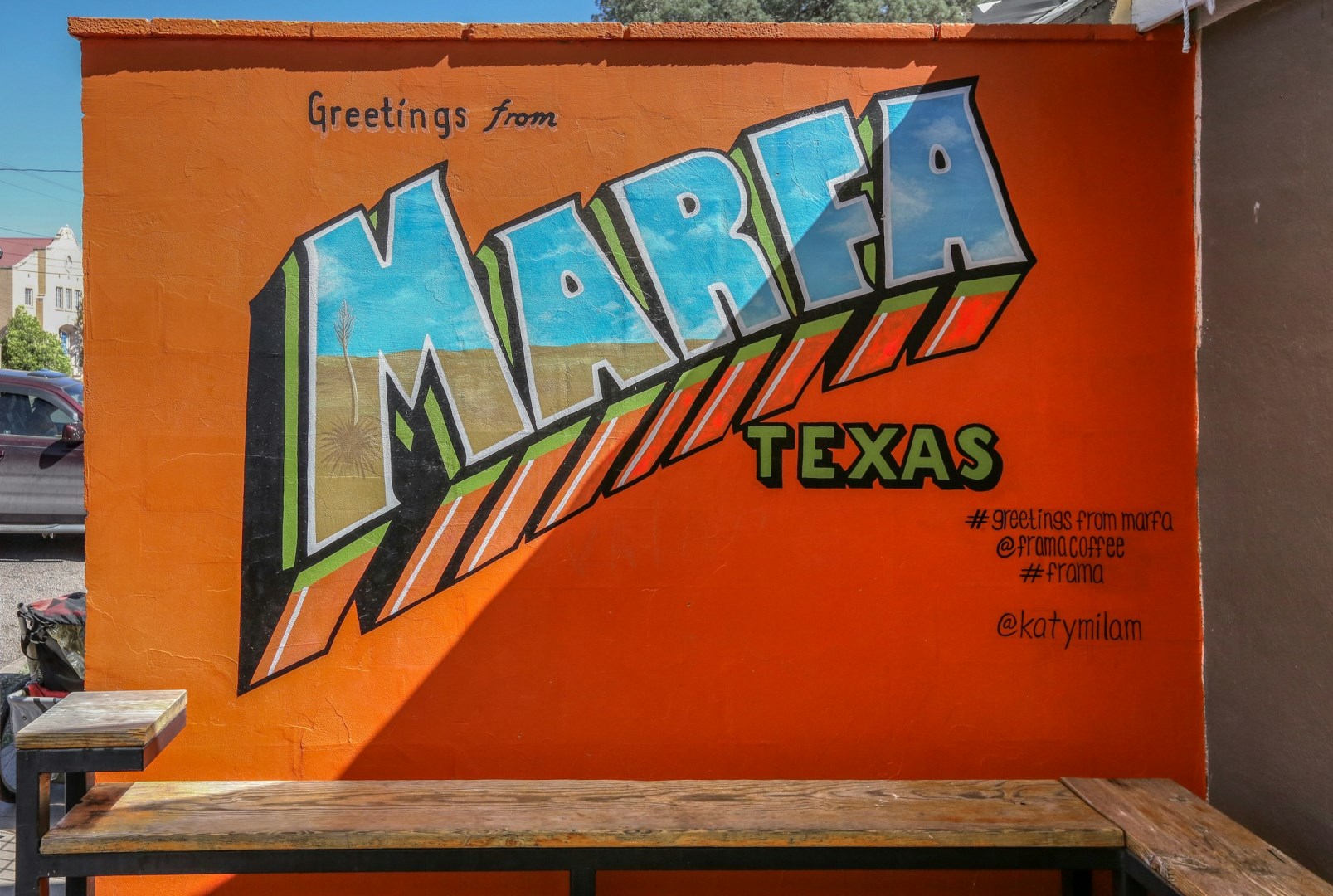
This desert city in west Texas might be small in size, but it is big in arts! As an arts hub, founded by artist Donald Judd, it features both huge outdoor, and indoor, installations on an old army base. Whether you are looking for traditional, or quirky, in your art, Marfa has it.
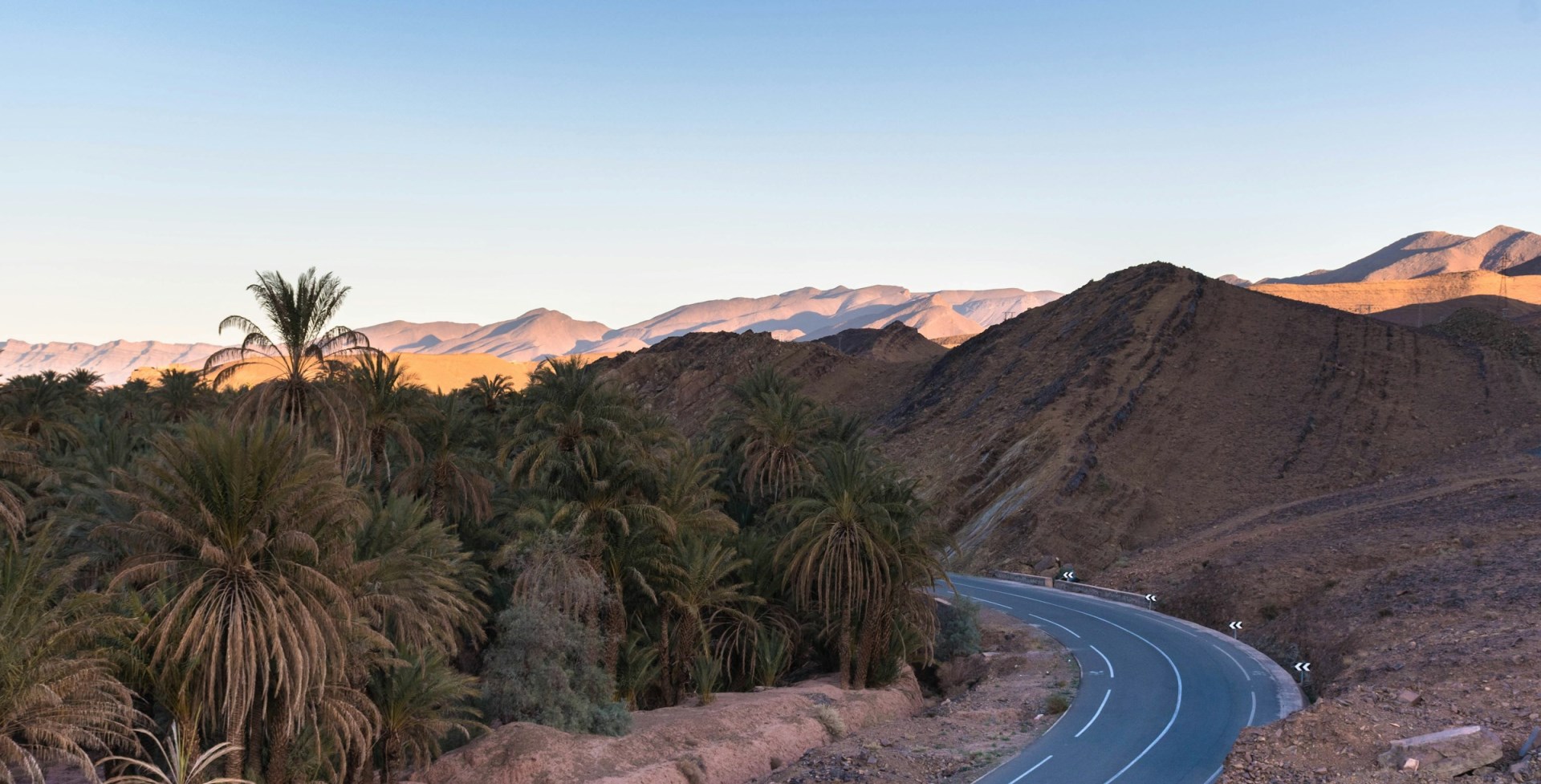
Agdz is a small town in Morocco’s Drâa Valley, positioned between the High Atlas Mountains and the long oasis corridor leading toward the Sahara. The town sits beside the Drâa River, where irrigated gardens and dense stands of date palms contrast with the surrounding dry hills. Agdz has traditionally served as a stopping point along routes crossing southern Morocco, and its location still makes it a useful base for exploring the valley.
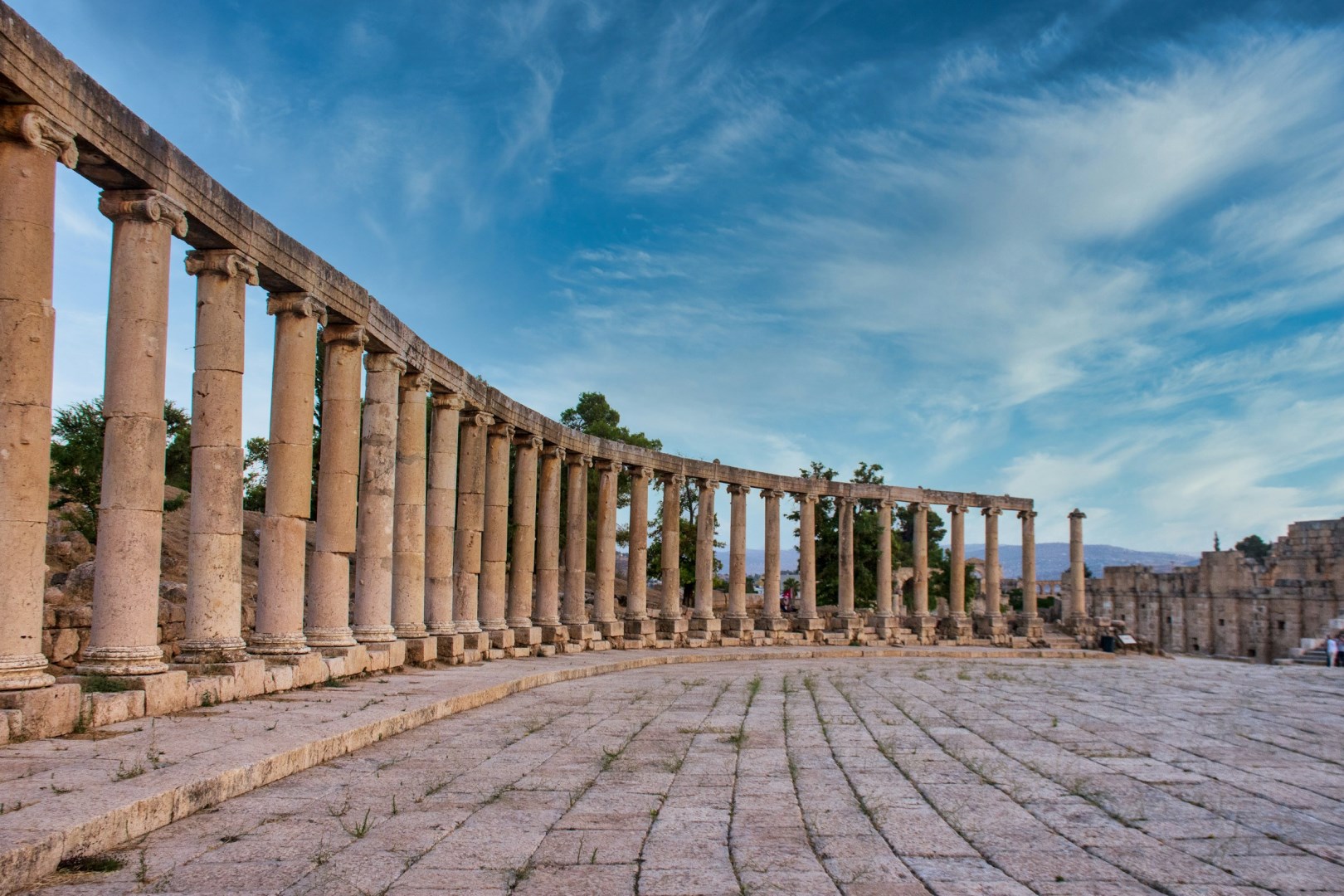
Photo Credit: Photo by Hisham Zayadneh on Unsplash
Photo Credit: Photo by Eyad SR7AN on Unsplash
Photo Credit: Photo by Hisham Zayadneh on Unsplash
Photo Credit: Photo by Matt Jones on Unsplash
Photo Credit: Photo by Hisham Zayadneh on Unsplash
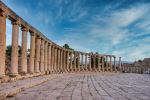
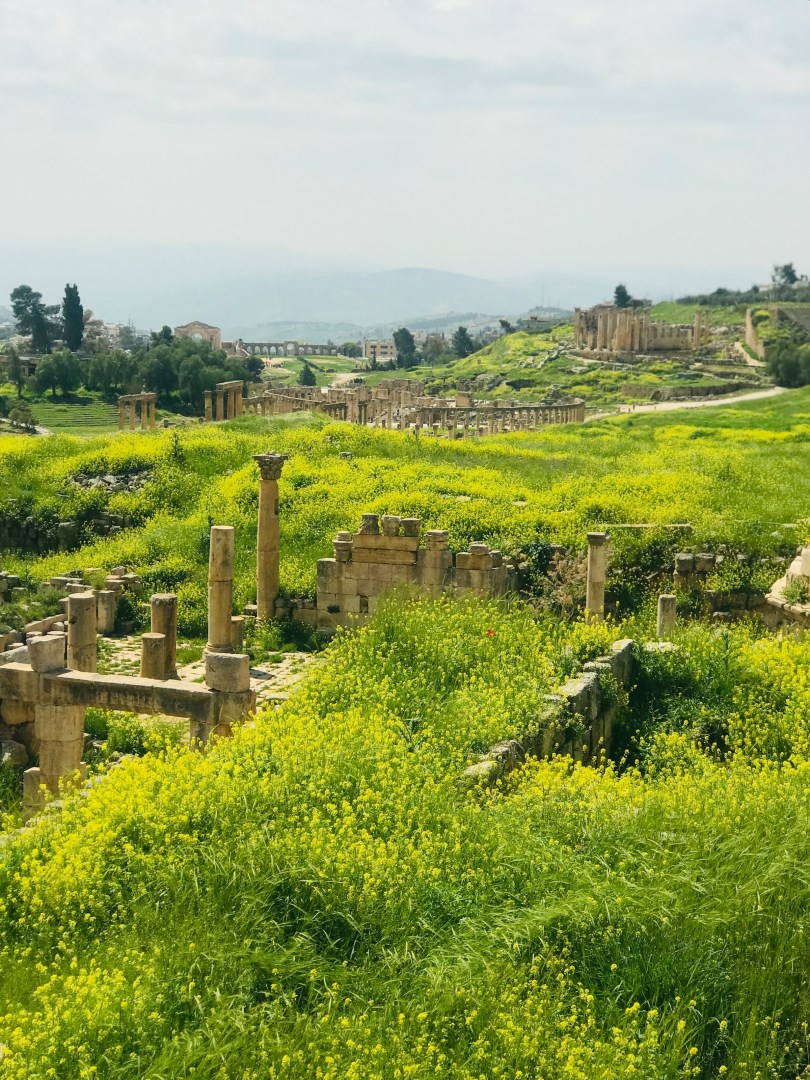
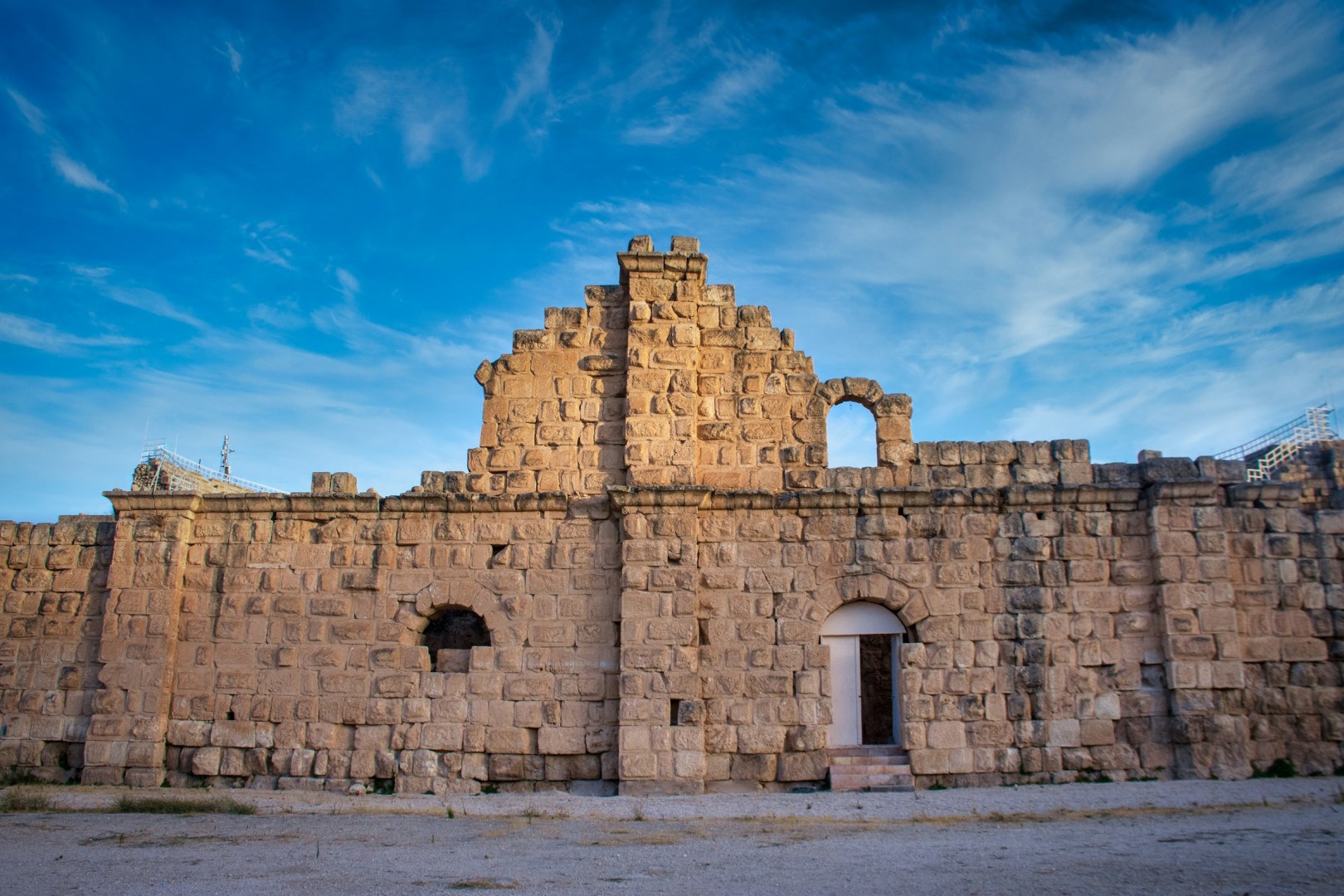
Jerash is reached by a short drive (29 miles, 47km) north of Amman and is an ancient Graeco-Roman city, once known as Gerasa. It has been dubbed the 'Pompeii of the East', because of its extraordinary state of preservation. Jerash is a vast city, which flourished in the centuries immediately preceding and following the Christian era.
At the approach to the city, the visitor is greeted by the imposing triple-arched gateway, built to honour the Emperor Hadrian when he arrived there in 129A.D.
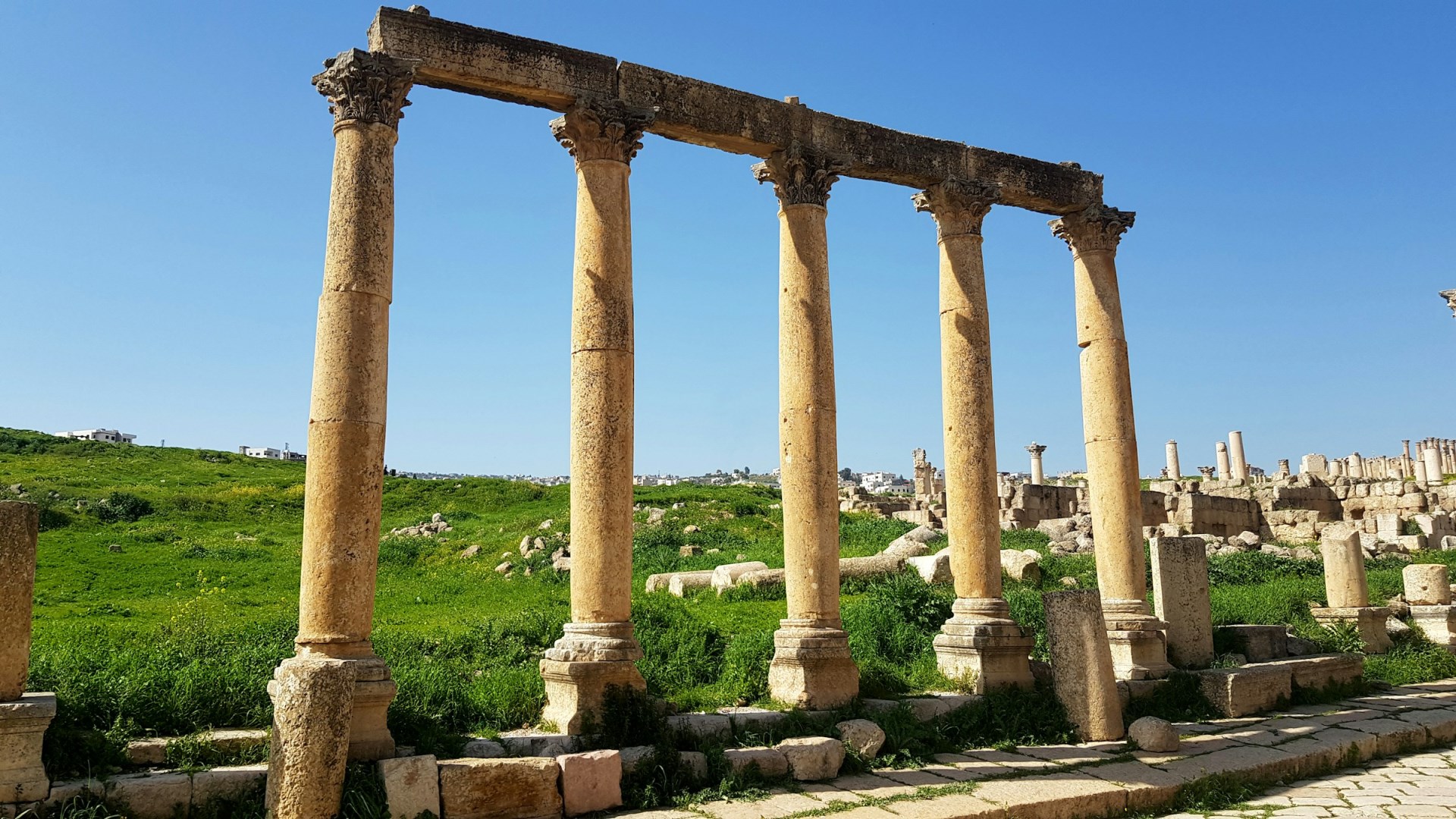
Jerash formed part of the Decapolis, a league of ten cities built by the Romans and dating from the first century B.C. Today, visitors may wander among the original temples, theatres, plazas, public baths and colonnaded streets complete with sculptures and fountains, all enclosed within the still-remaining city walls.
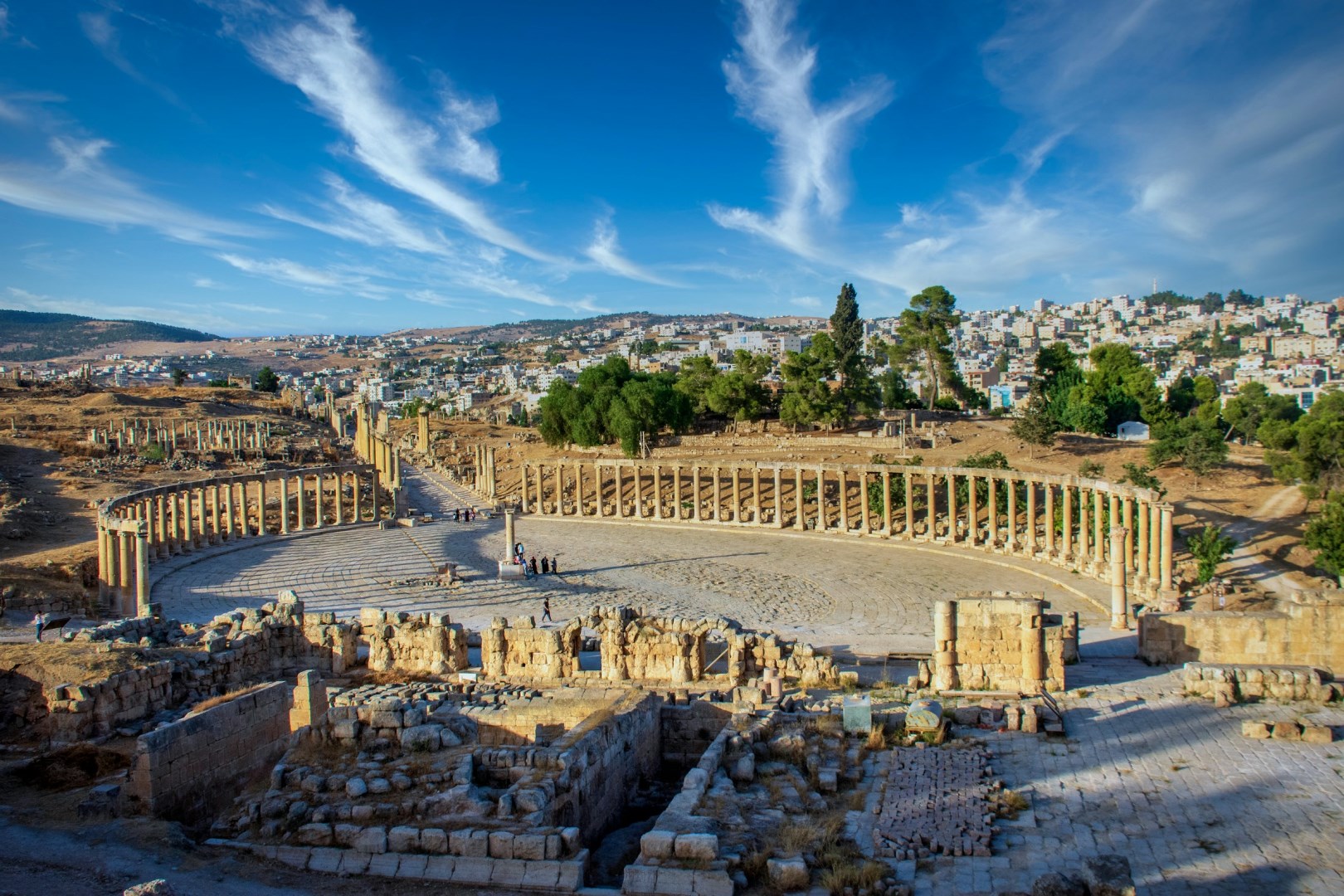
The great oval forum, once the centre of social activity within the city, is impressively well-preserved and is approached by means of the Street of Columns. The city's 14 churches with their beautiful mosaic decoration all date from the Byzantine era.
The annual Jerash Festival of Culture and Arts is held for two weeks
every summer and is an important cultural event, featuring performing artists from all over the world. This event has international
recognition and is a source of great pride to the culturally-minded
people of Jordan. There is also a daily sound and light show in English French, German and Arabic.
Other Popular Destinations in Jordan
Amman
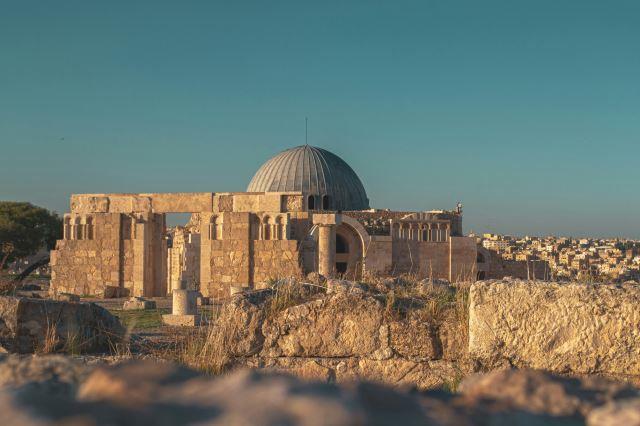
Situated near the Dead Sea, Amman is the capital of Jordan and a cultural and historical hub in the Middle East. Explore this sprawling city, replete with historic landmarks, museums, and mosques, and you’ll soon be enraptured by its blend of metropolitan and ancient beauty.
Petra
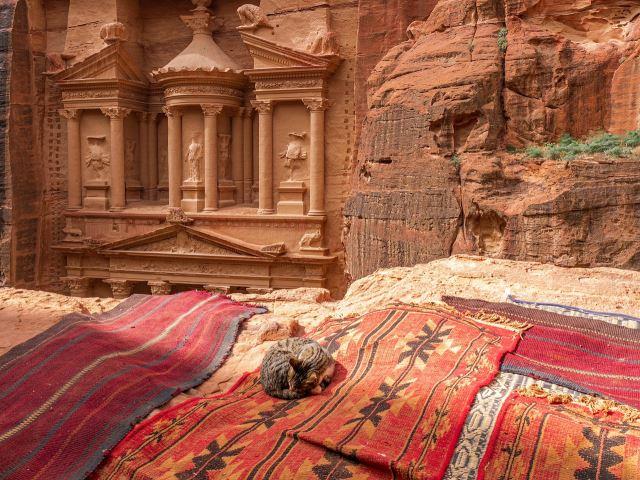
Tucked between Jordan's sandstone cliffs in the southwestern desert, Petra was carved directly into rose-colored rock more than 2,000 years ago. Visitors approaching through the narrow gorge known as the Siq are rewarded with their first glimpse of Al-Khazneh, the Treasury, a towering facade that seems to appear from another world.