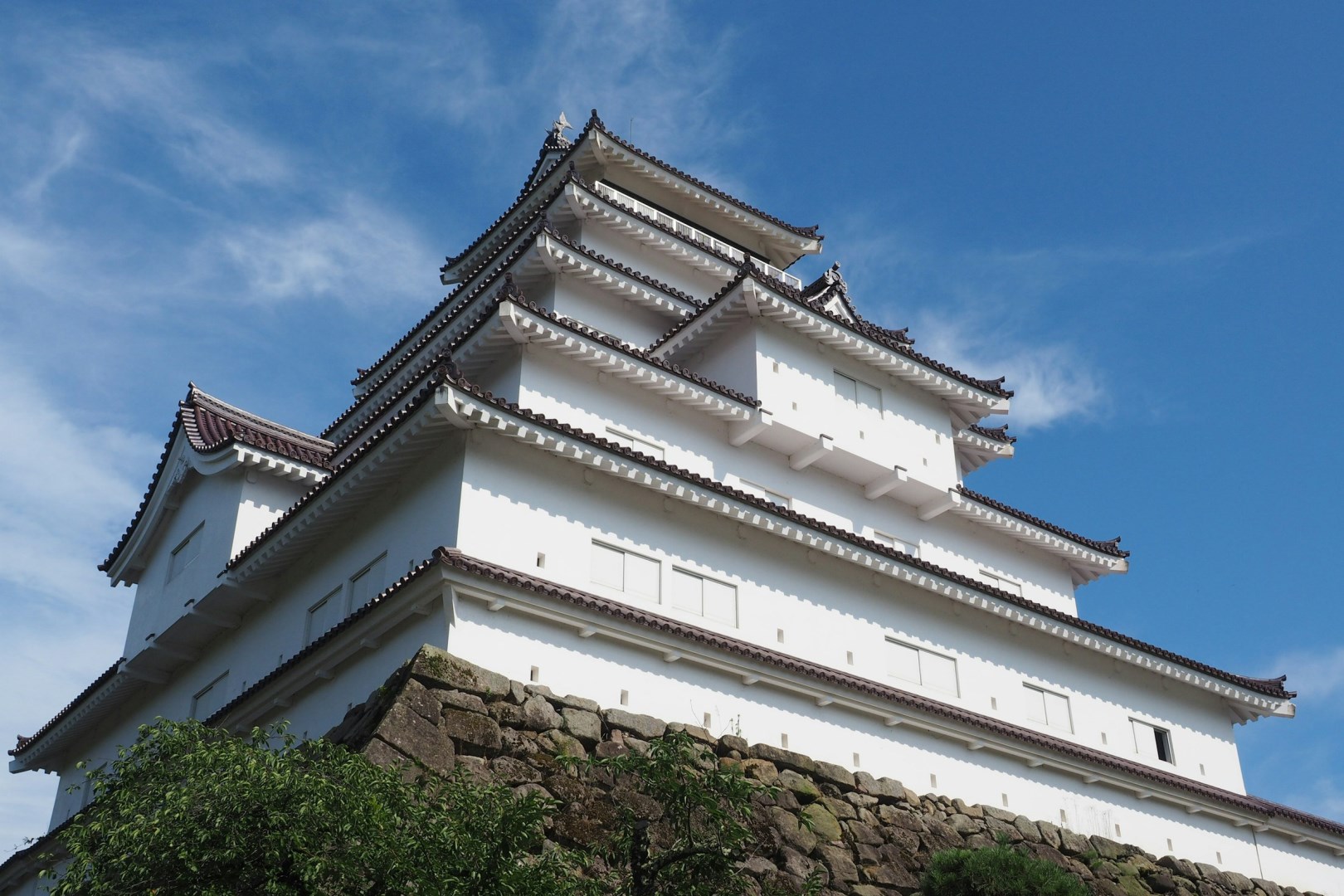
Aizuwakamatsu in Fukushima Prefecture is a city where samurai history is tangible. Once a stronghold of the Aizu domain, it played a pivotal role in the late Edo period and the Boshin War.
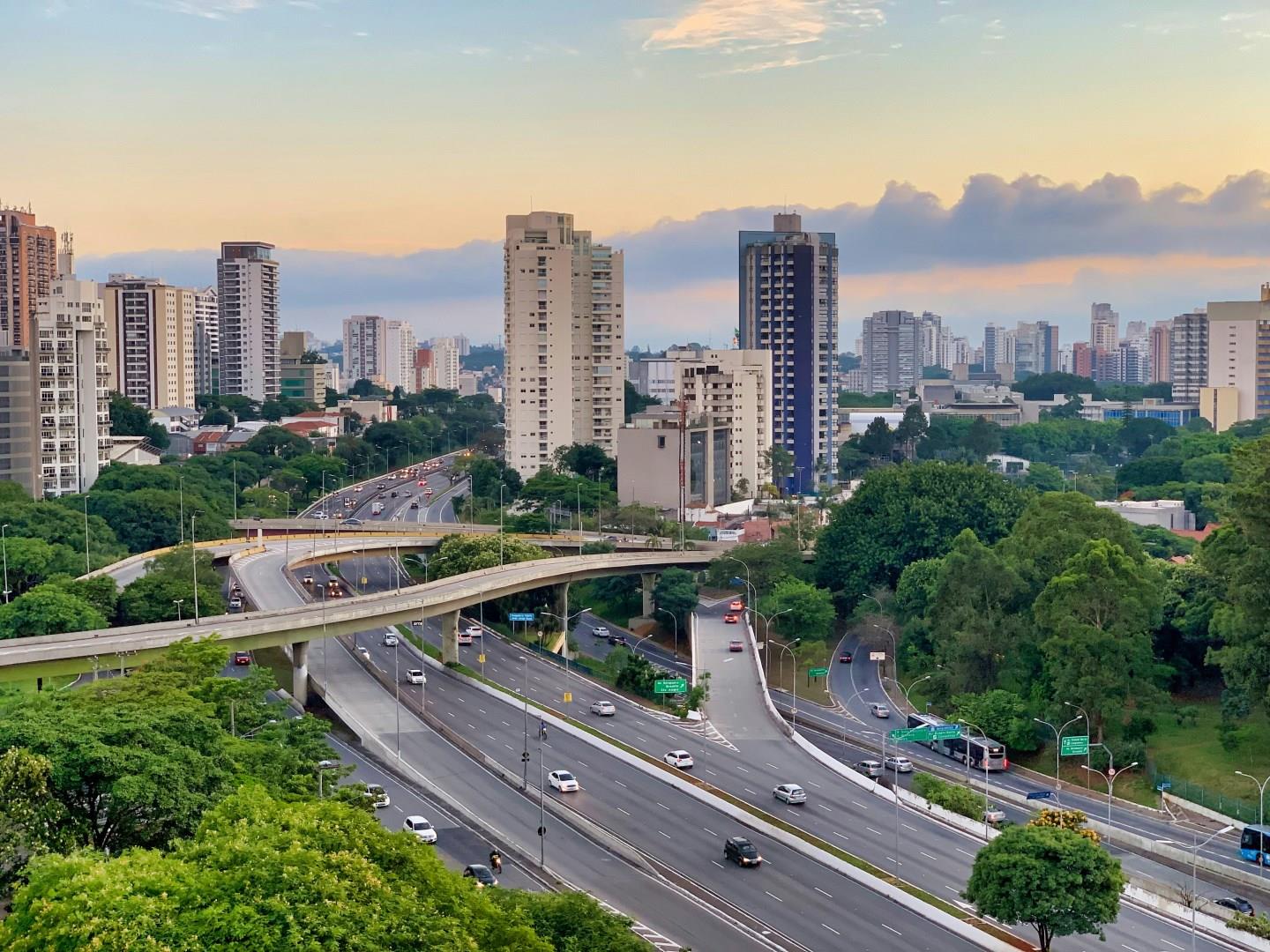
Sao Paulo is Brazil’s largest city and its economic engine, shaped by waves of migration that began in the late 19th century and never truly slowed. Italians, Japanese, Lebanese, and migrants from across Brazil all left visible marks on the city’s neighborhoods, food, and cultural life.
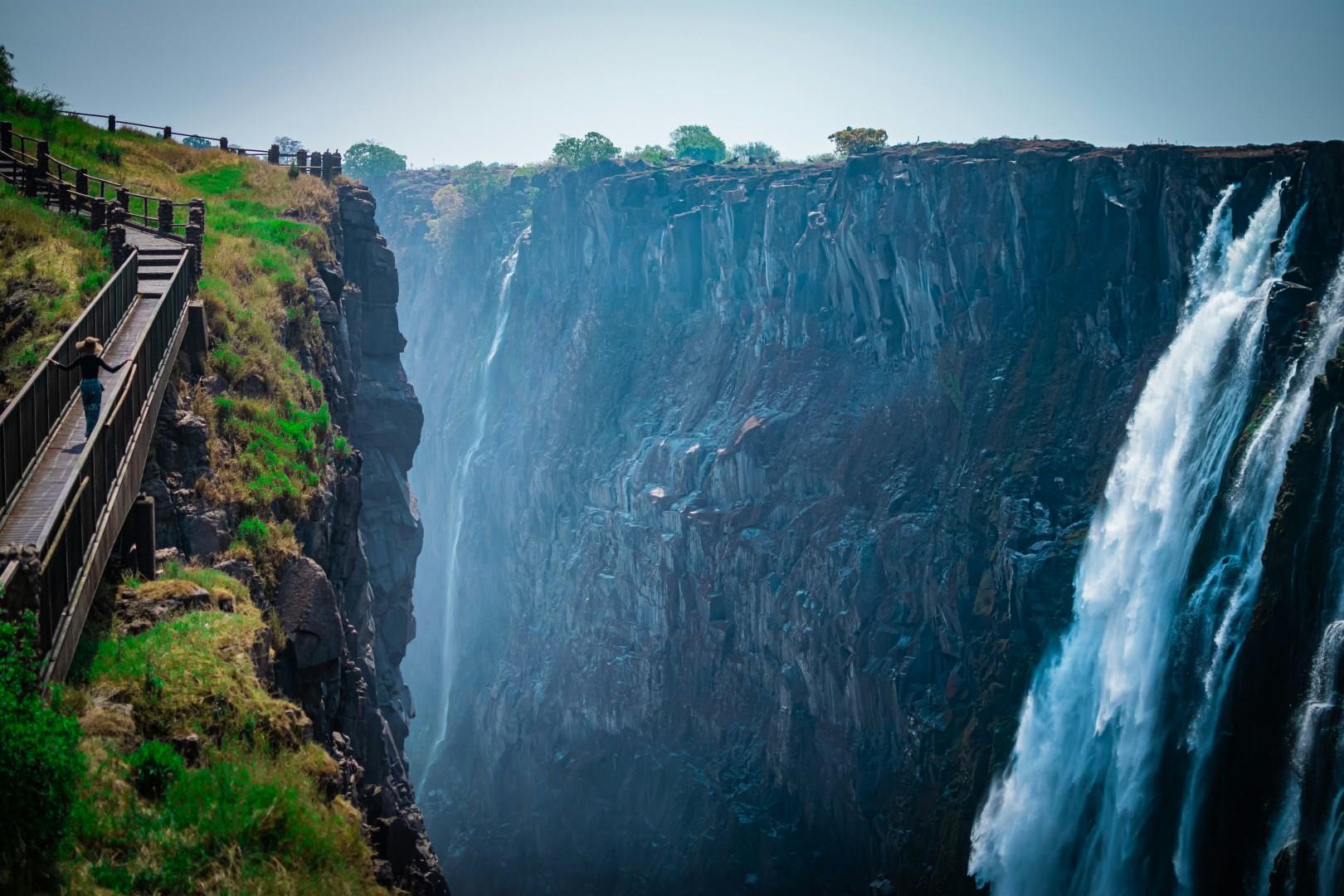
In the heart of Zambia lies Livingstone, a city that serves as the gateway to one of the most spectacular natural wonders in the world: Victoria Falls. This UNESCO World Heritage Site, often referred to as "The Smoke That Thunders," is renowned for its breathtakingly powerful waterfalls on the Zambezi River. The falls, which span over 1,700 meters wide and plunge 108 meters deep, offer a mesmerizing display of nature's might.
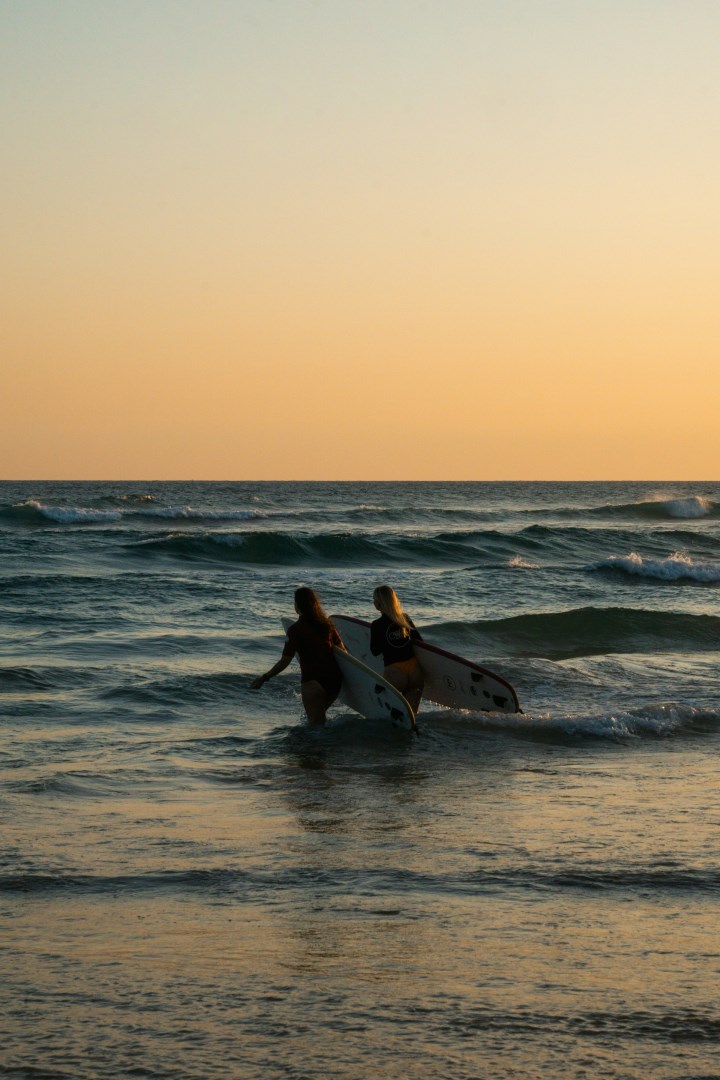
Ahangama is a coastal town in Sri Lanka’s Southern Province, situated between Galle and Weligama along a shoreline of sandy bays, rocky reefs, and coconut palms. The town has traditionally been connected with fishing, while surfing has become an important part of its modern identity. Kabalana Beach is one of the area’s best-known surf locations, with reef breaks attracting experienced surfers as well as surf schools catering to learners.
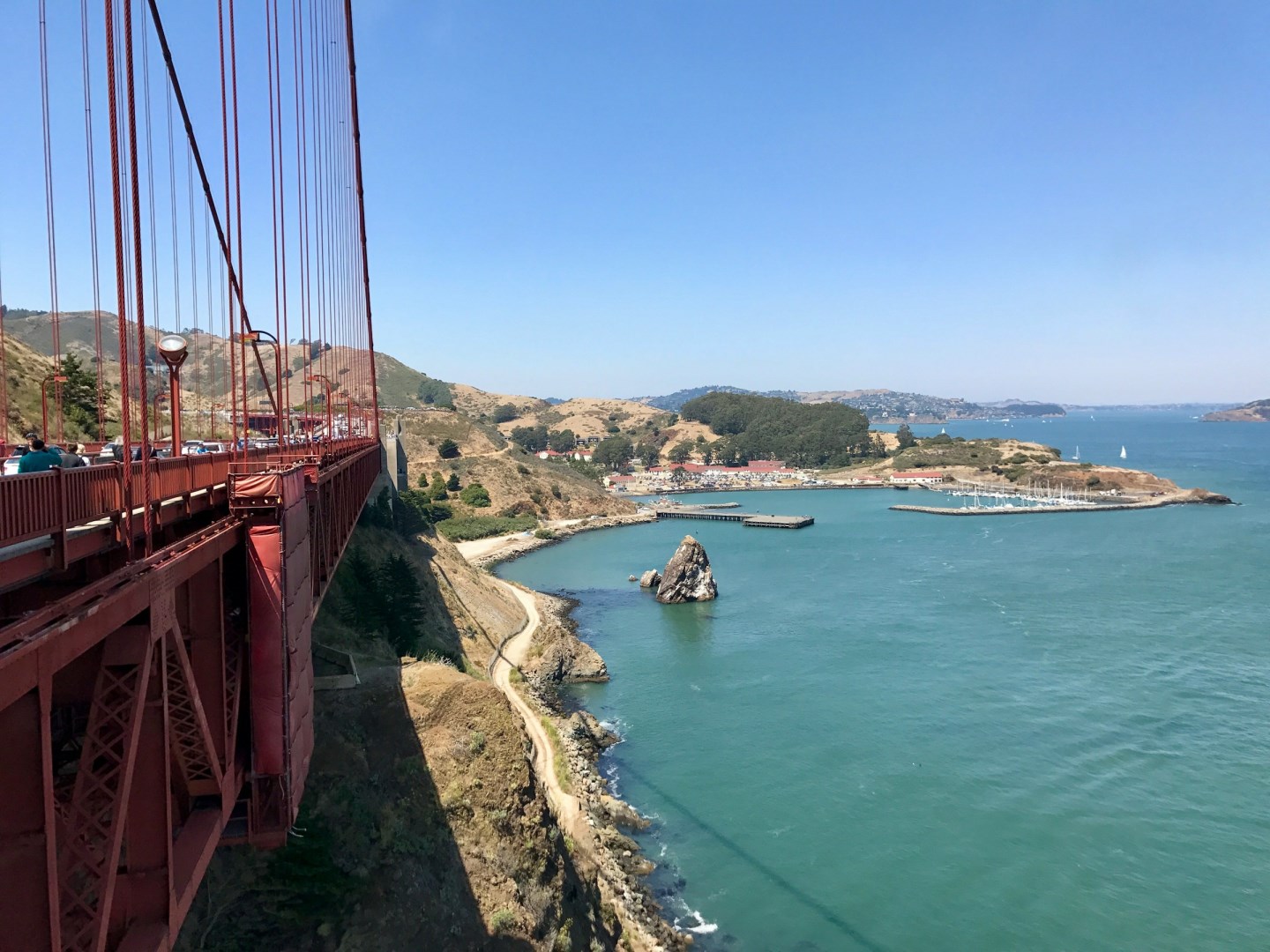
Sausalito was incorporated in 1893, and named by 18th century Spanish explorers for the "little willow" trees (Saucelito) which were found, in abundance, on the banks of its streams.
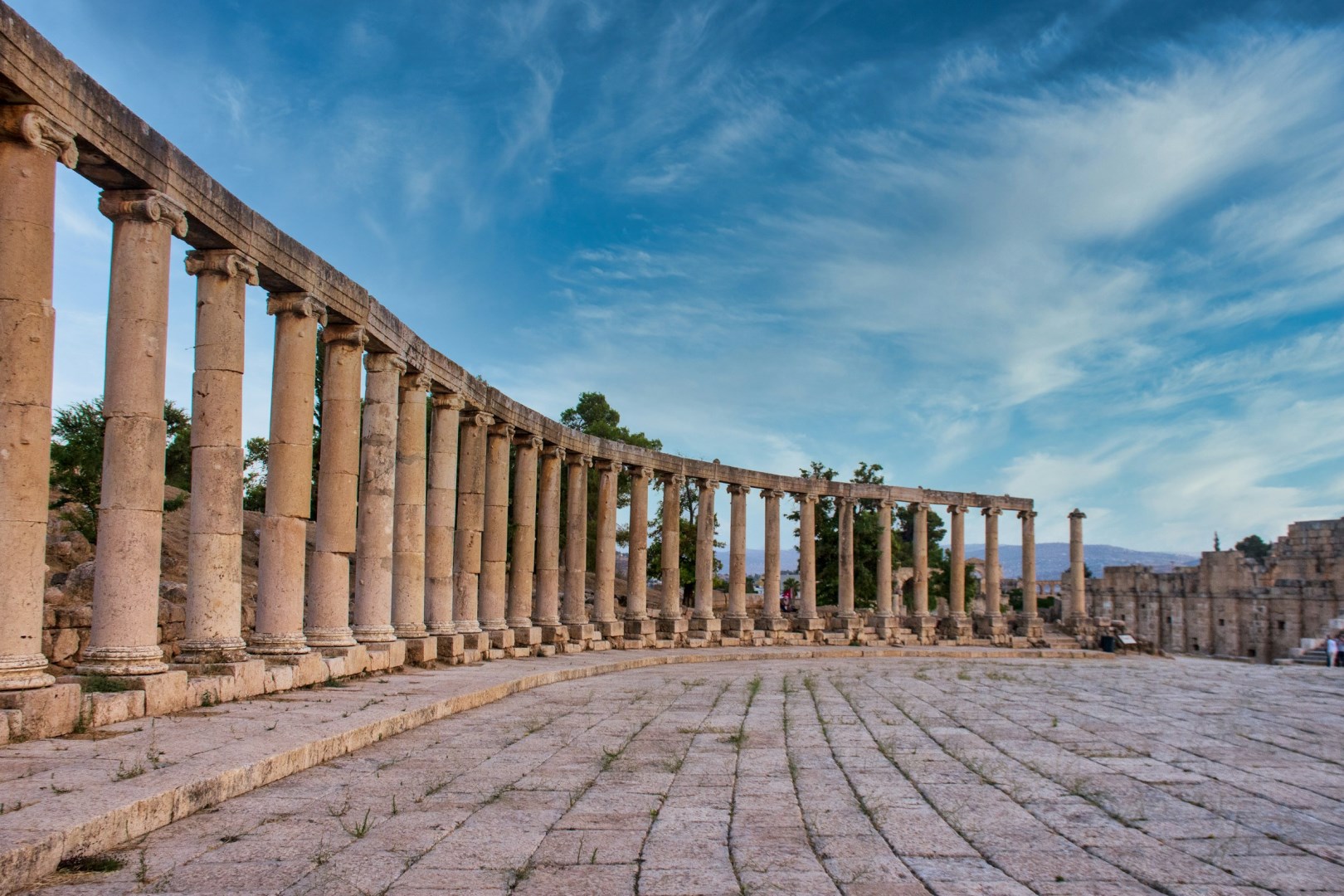
Photo Credit: Photo by Hisham Zayadneh on Unsplash
Photo Credit: Photo by Eyad SR7AN on Unsplash
Photo Credit: Photo by Hisham Zayadneh on Unsplash
Photo Credit: Photo by Matt Jones on Unsplash
Photo Credit: Photo by Hisham Zayadneh on Unsplash
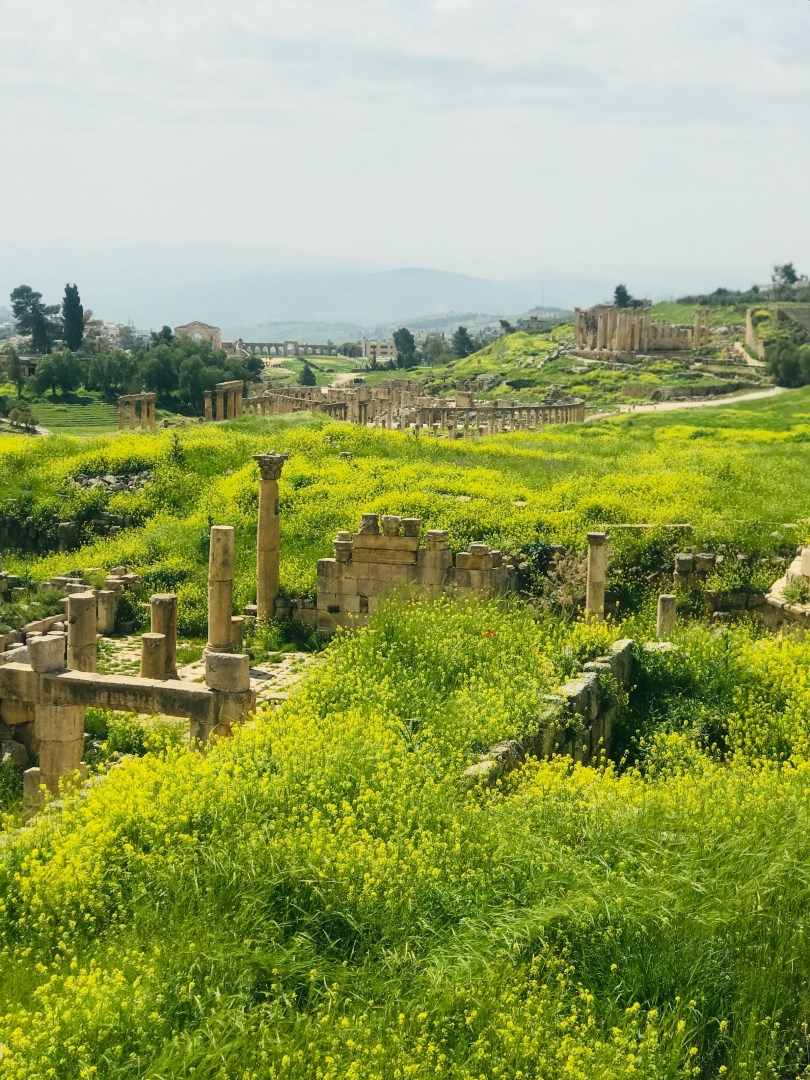
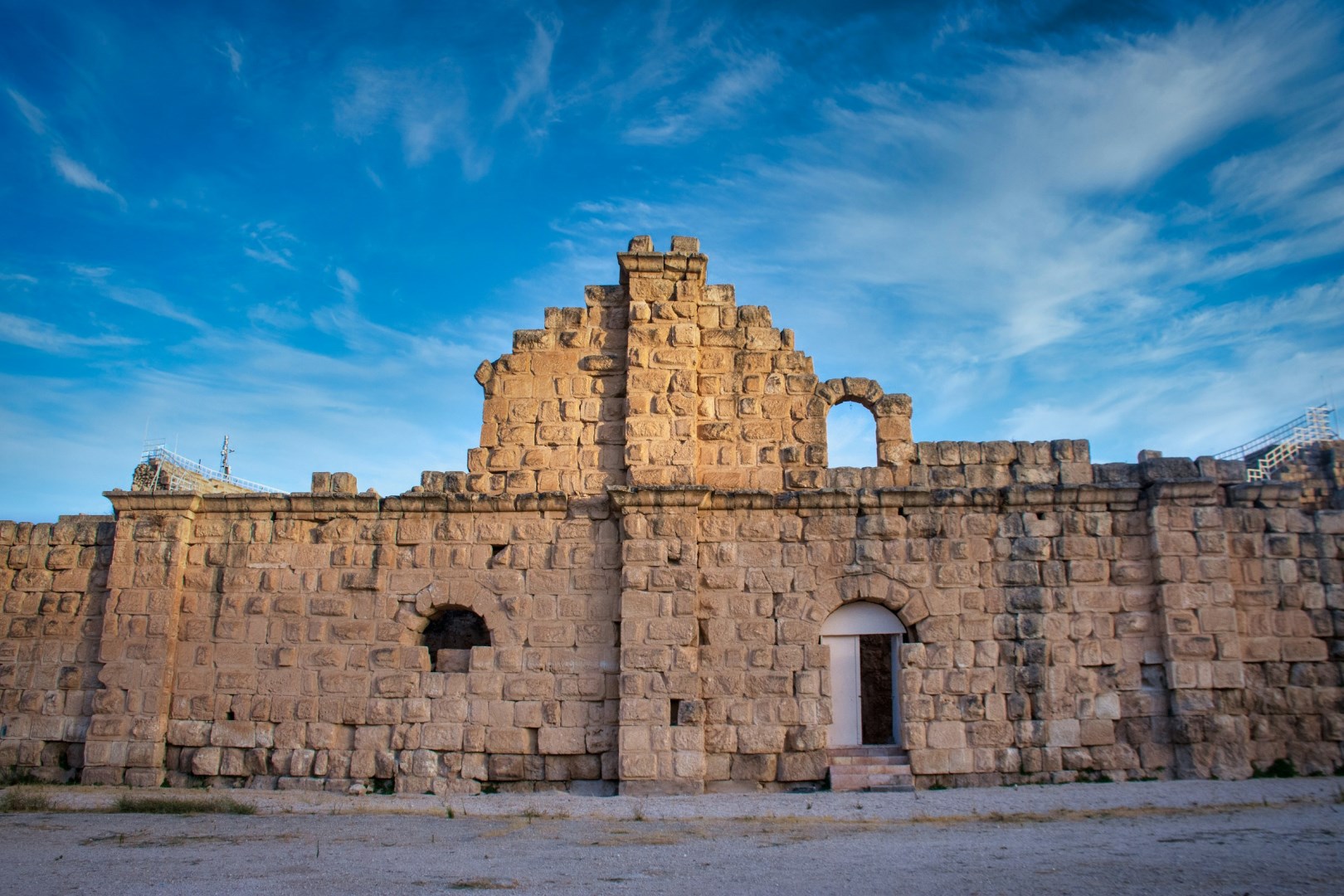
Jerash is reached by a short drive (29 miles, 47km) north of Amman and is an ancient Graeco-Roman city, once known as Gerasa. It has been dubbed the 'Pompeii of the East', because of its extraordinary state of preservation. Jerash is a vast city, which flourished in the centuries immediately preceding and following the Christian era.
At the approach to the city, the visitor is greeted by the imposing triple-arched gateway, built to honour the Emperor Hadrian when he arrived there in 129A.D.
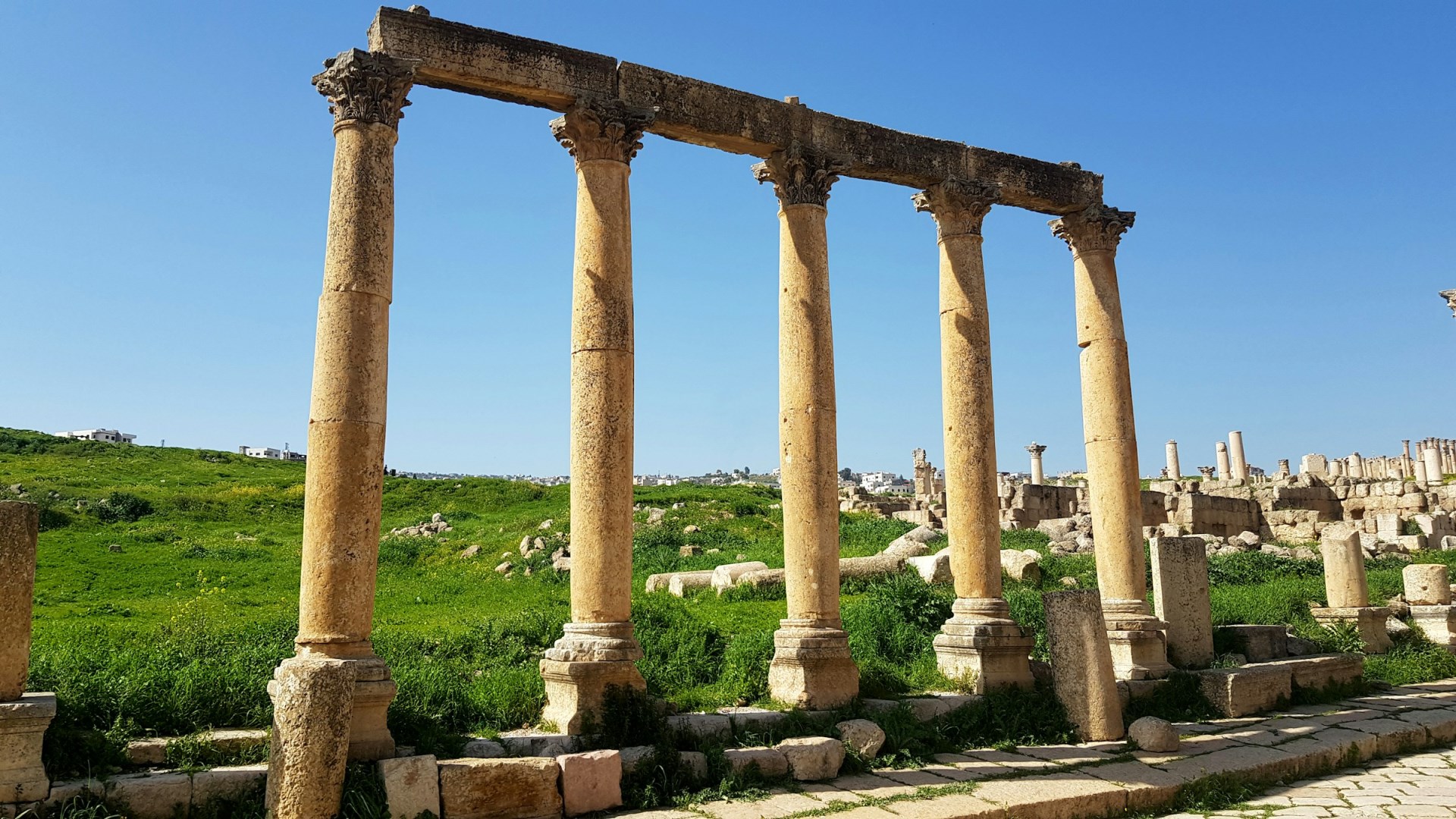
Jerash formed part of the Decapolis, a league of ten cities built by the Romans and dating from the first century B.C. Today, visitors may wander among the original temples, theatres, plazas, public baths and colonnaded streets complete with sculptures and fountains, all enclosed within the still-remaining city walls.
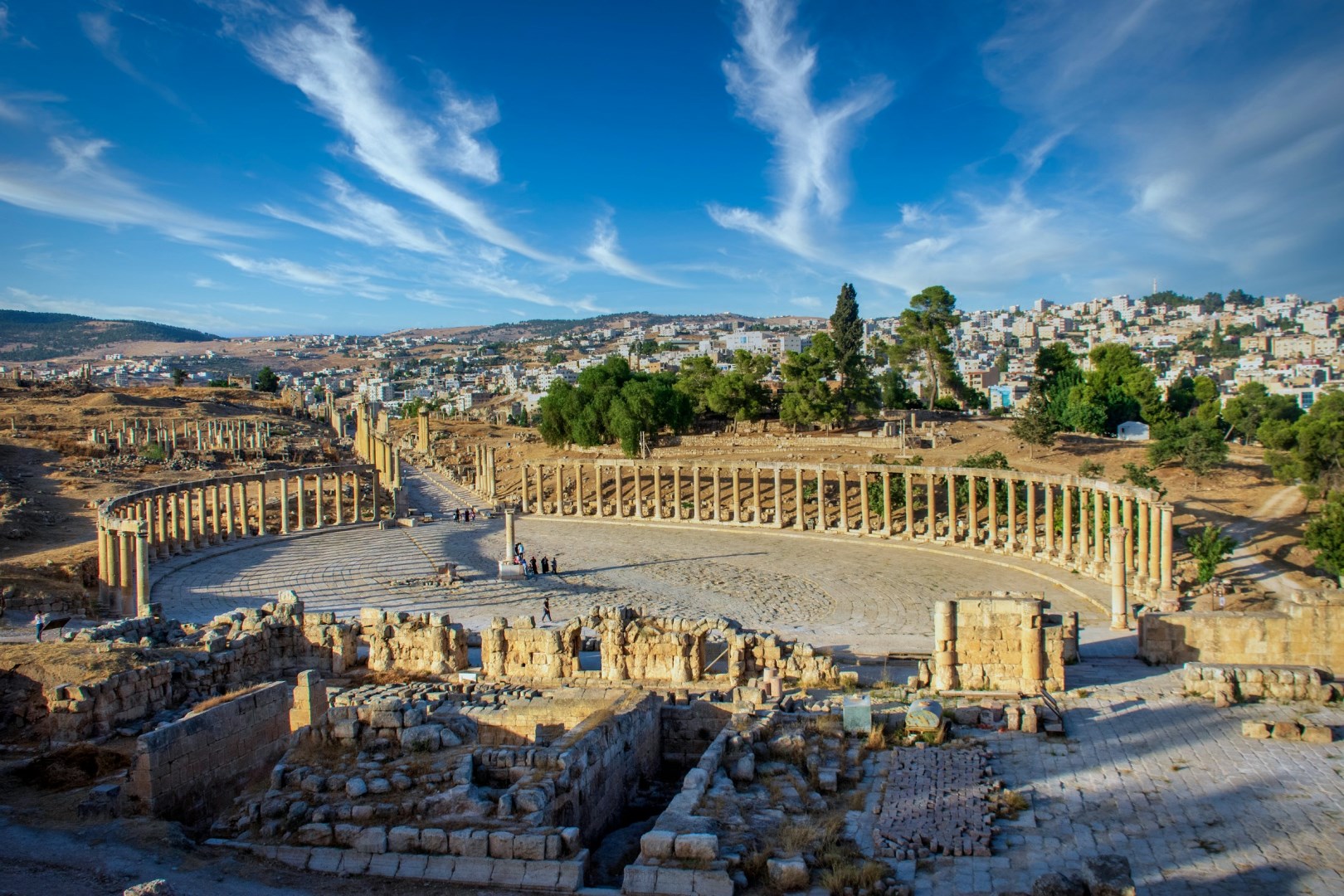
The great oval forum, once the centre of social activity within the city, is impressively well-preserved and is approached by means of the Street of Columns. The city's 14 churches with their beautiful mosaic decoration all date from the Byzantine era.
The annual Jerash Festival of Culture and Arts is held for two weeks
every summer and is an important cultural event, featuring performing artists from all over the world. This event has international
recognition and is a source of great pride to the culturally-minded
people of Jordan. There is also a daily sound and light show in English French, German and Arabic.
Other Popular Destinations in Jordan
Amman
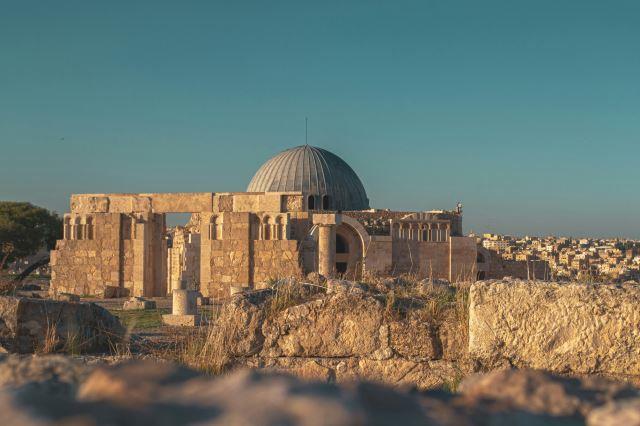
Situated near the Dead Sea, Amman is the capital of Jordan and a cultural and historical hub in the Middle East. Explore this sprawling city, replete with historic landmarks, museums, and mosques, and you’ll soon be enraptured by its blend of metropolitan and ancient beauty.
Petra
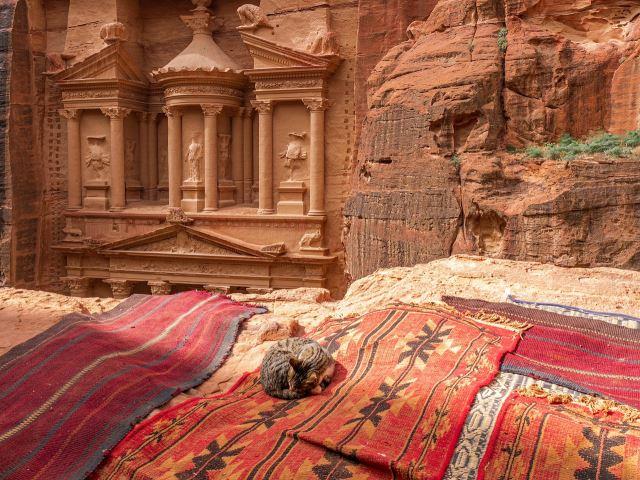
Tucked between Jordan's sandstone cliffs in the southwestern desert, Petra was carved directly into rose-colored rock more than 2,000 years ago. Visitors approaching through the narrow gorge known as the Siq are rewarded with their first glimpse of Al-Khazneh, the Treasury, a towering facade that seems to appear from another world.