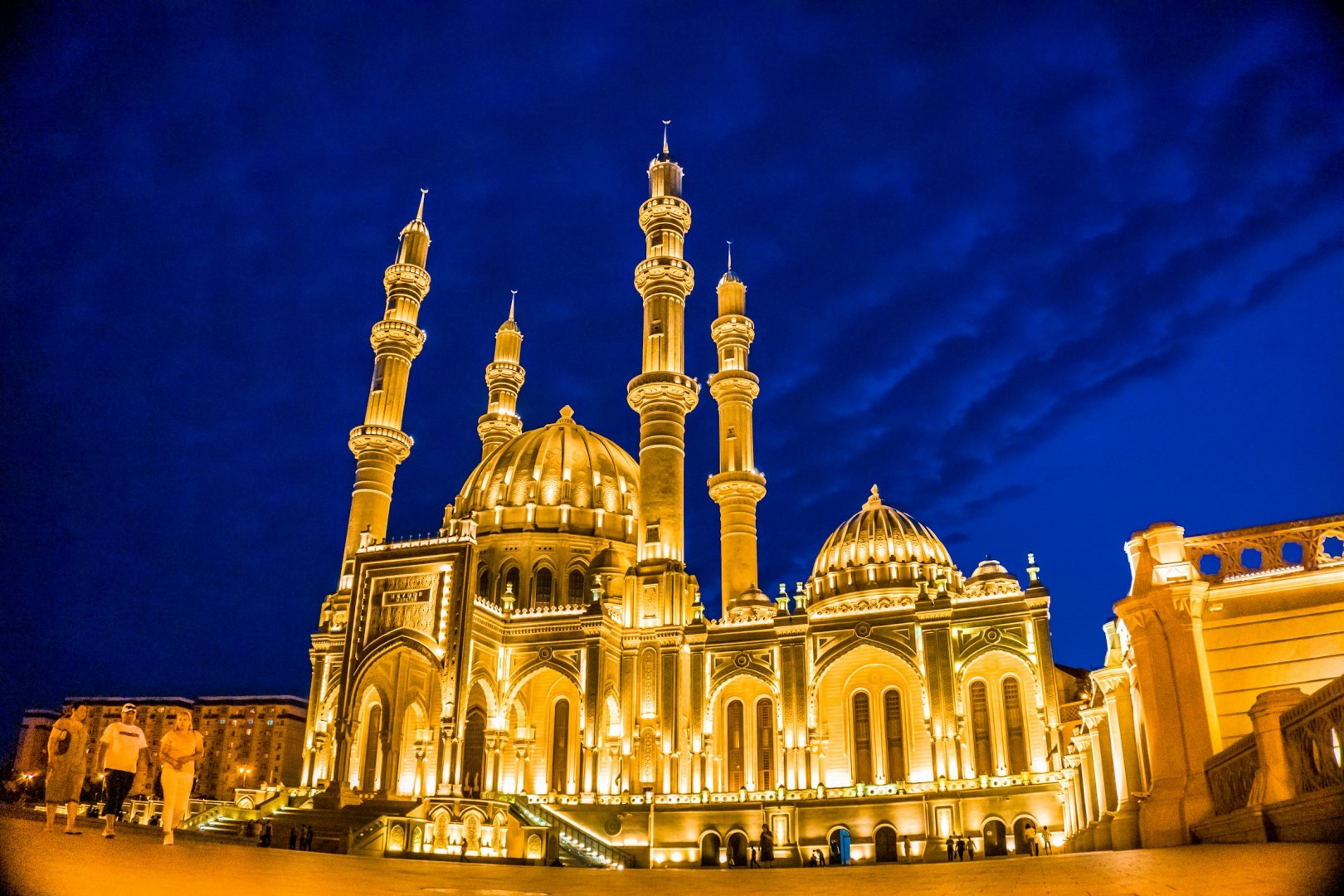
Baku, the capital of Azerbaijan, rises on the shores of the Caspian Sea as a city of striking contrasts. Its futuristic skyline, defined by the Flame Towers, glows each evening in waves of light, while the UNESCO-listed Old City preserves centuries of history within its fortified walls.
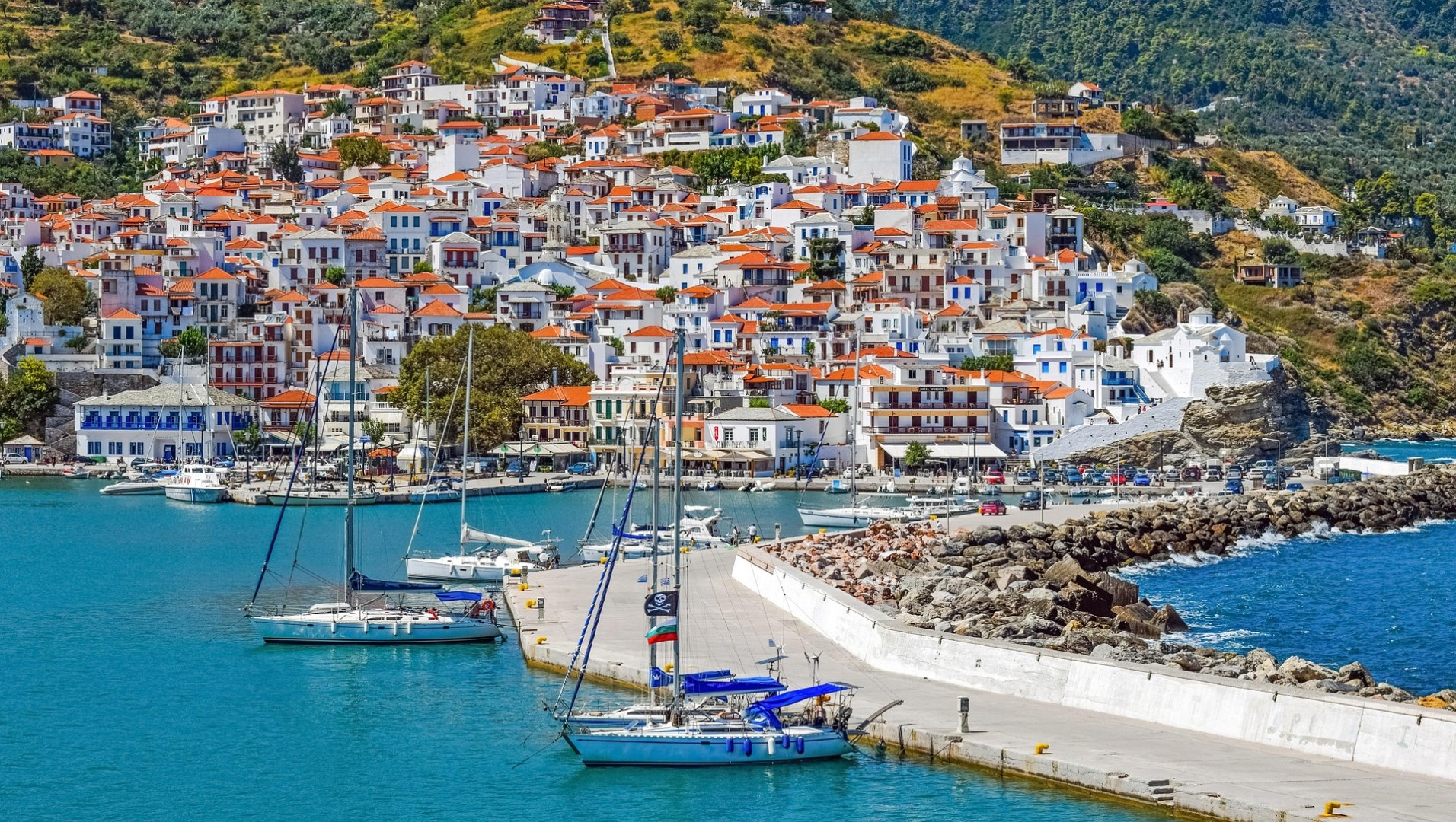
Skopelos is the largest island of the Northern Sporades, situated between Skiathos and Alonissos in the Aegean Sea. It is notably green, with pine forests and olive groves covering much of the island and reaching close to the coast. Skopelos Town, the island’s main settlement, rises amphitheatrically above the harbor, with white houses, tiled roofs, stone lanes, and numerous churches.
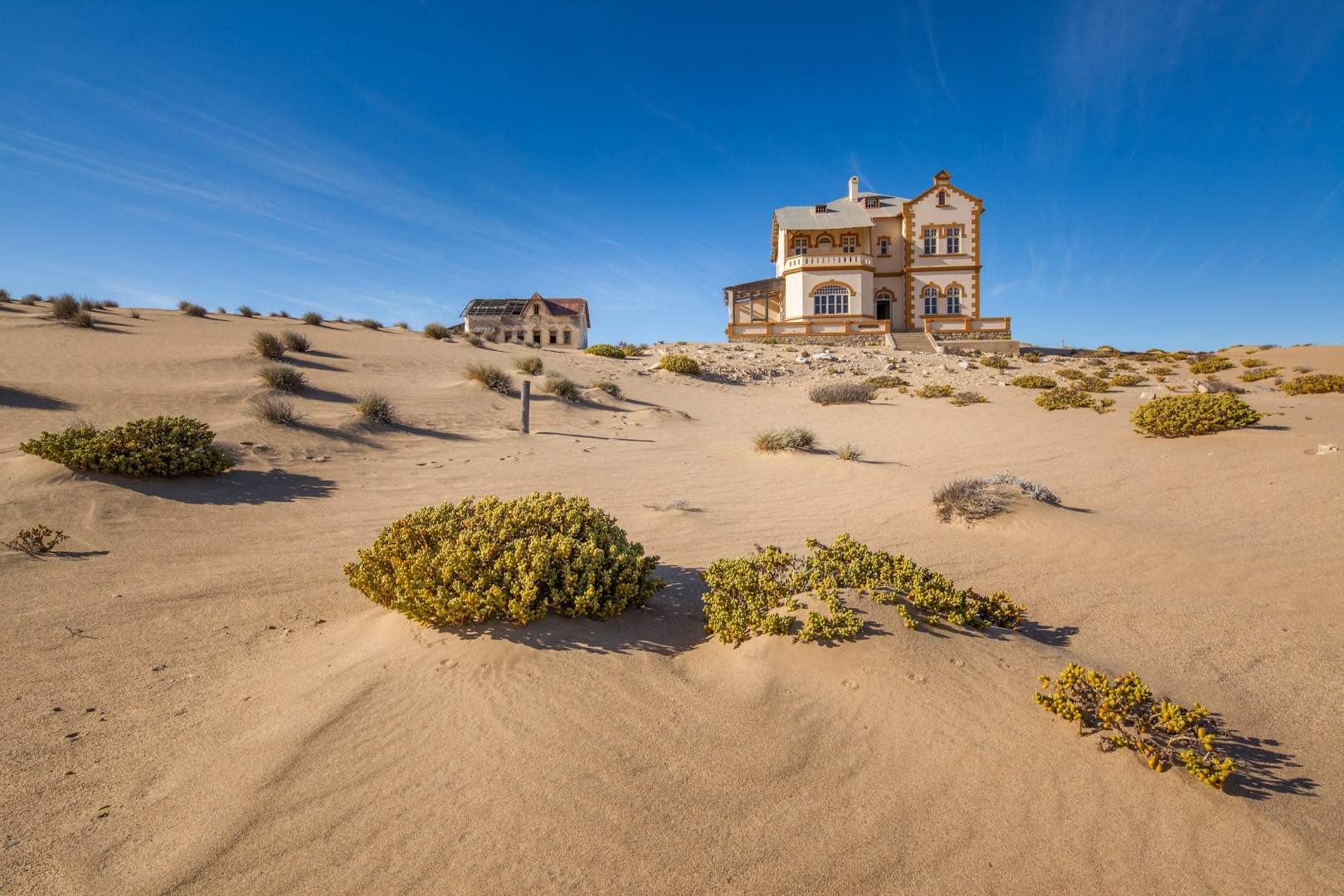
Kolmanskop is an abandoned diamond-mining settlement in the Namib Desert, a short distance inland from the coastal town of Lüderitz in southern Namibia. The former settlement is surrounded by an exceptionally dry landscape of sand, gravel, and sparse desert vegetation. Today, windblown sand fills many of its empty buildings, creating a distinctive scene where rooms, corridors, and staircases are gradually being reclaimed by the desert.
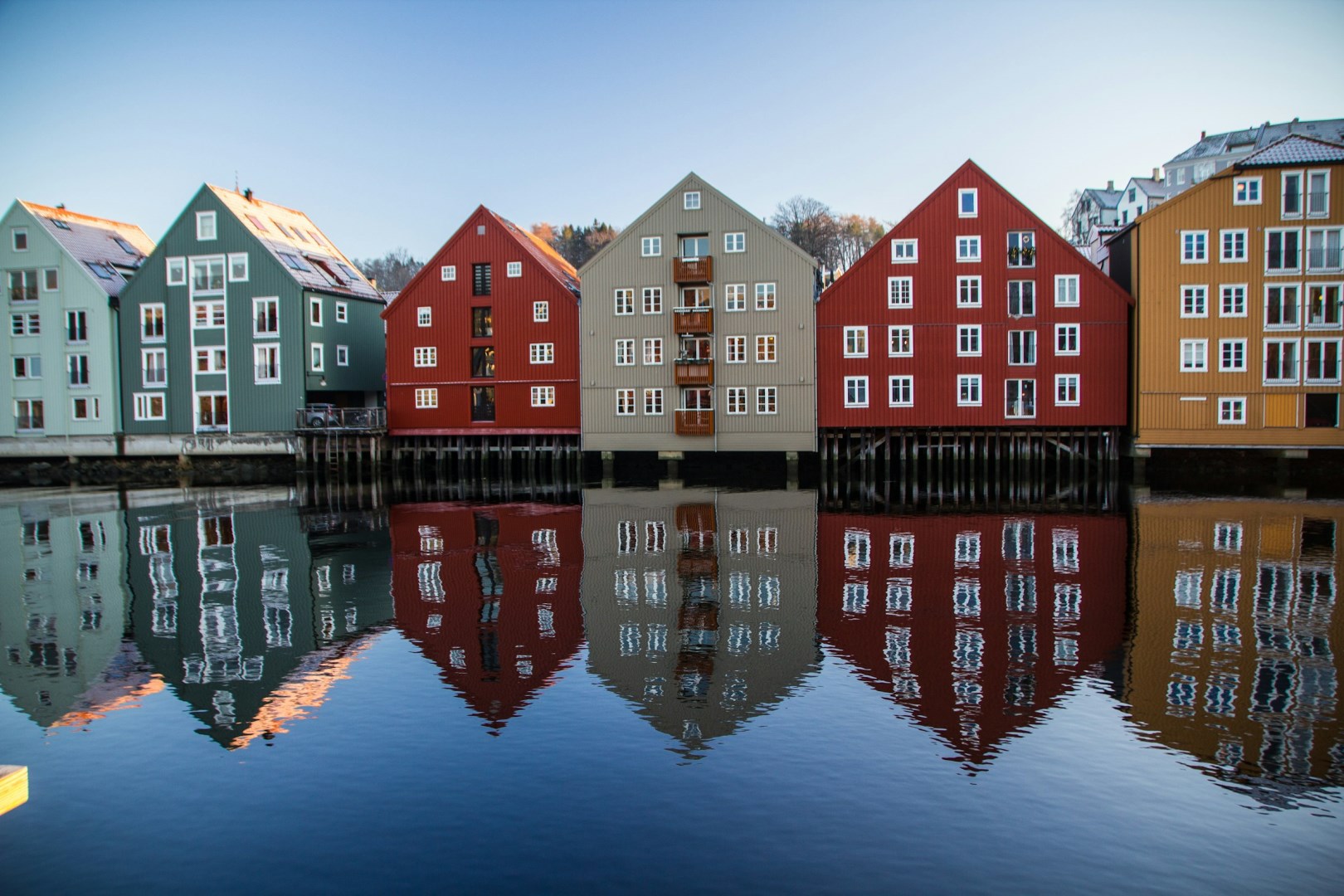
Nestled along the Trondheim Fjord in central Norway, Trondheim offers a captivating blend of rich history and vibrant modern life. As Norway’s first capital, Trondheim boasts a legacy that includes the striking Nidaros Cathedral, an iconic landmark whose construction began in the 11th century.
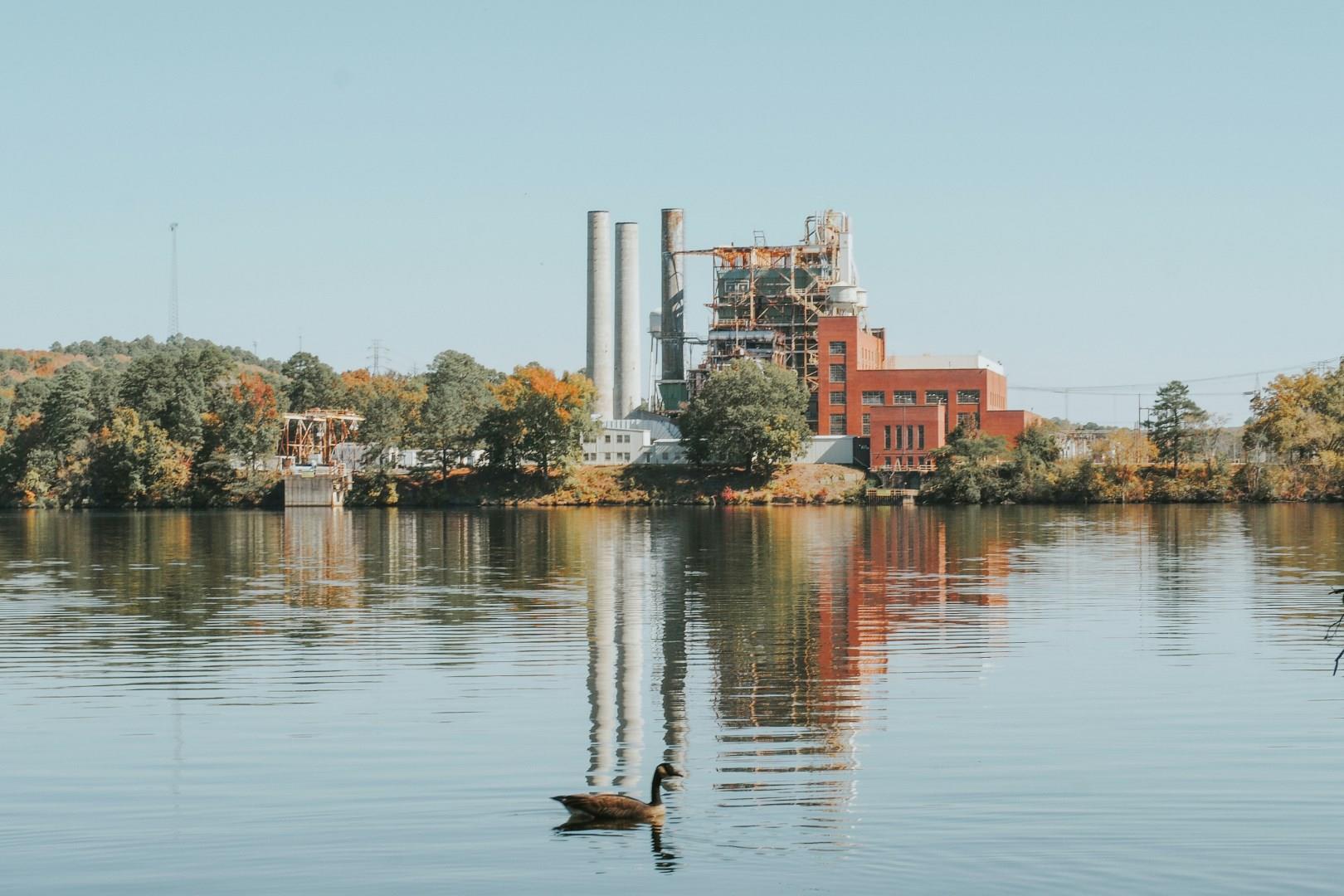
Hot Springs, Arkansas has been drawing visitors for centuries, and it all starts with the water. The city sits atop a natural thermal spring system that produces nearly a million gallons of 143-degree water each day. These springs gave rise to Bathhouse Row, a stretch of eight historic bathhouses within Hot Springs National Park. Some, like the Fordyce Bathhouse, now serve as museums, while others still offer traditional thermal soaks.

Photo Credit: Photo by Fabien BELLANGER on Unsplash
Photo Credit: Photo by Nathalie Lays on Unsplash
Photo Credit: Photo by Nicolas Cortois on Unsplash
Nestled in the heart of Namibia, Otjiwarongo offers a unique blend of natural beauty and cultural charm. As a gateway to the country's northern wildlife reserves, this vibrant city serves as an ideal base for exploring nearby attractions. The city is renowned for its proximity to the Cheetah Conservation Fund (CCF), a world-leading organization dedicated to the protection of these magnificent creatures. Visitors can enjoy guided tours of the CCF, where they’ll learn about cheetah conservation efforts and witness these elegant animals up close.
Otjiwarongo is also celebrated for its warm hospitality and inviting atmosphere. The city’s local markets and eateries provide a taste of Namibian culture, with fresh produce and traditional dishes on offer. Not far from the city, the Otjiwa Safari Lodge offers luxurious accommodations and safari experiences that cater to both relaxation and adventure, allowing visitors to immerse themselves in the surrounding wildlife.
In addition to its wildlife attractions, Otjiwarongo boasts scenic landscapes that are perfect for outdoor enthusiasts. The nearby Waterberg Plateau, a protected area with rich biodiversity, offers hiking trails and panoramic views of the Namibian countryside. The plateau is a refuge for rare species and provides an excellent setting for birdwatching and nature walks.
Fun fact: The name "Otjiwarongo" means "pleasant place" in the Herero language, reflecting the city’s reputation for its friendly and welcoming atmosphere.
Other Popular Destinations in Namibia
Etosha National Park
Etosha National Park, located in northern Namibia, is one of Africa’s most renowned wildlife destinations. Covering nearly 8,500 square miles, it is centered around the Etosha Pan, a massive salt flat that can be seen from space. During the dry season, animals gather around waterholes, creating spectacular wildlife viewing opportunities that attract visitors from around the world.
Swakopmund
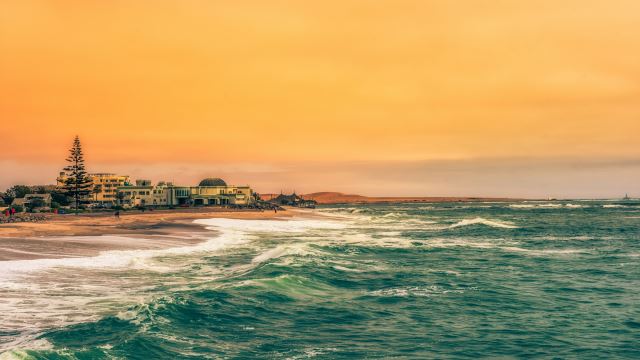
Swakopmund, on Namibia’s Atlantic coast, is a town where desert meets ocean in striking contrast. Founded by German colonists in the late 19th century, its streets are lined with colonial-era buildings painted in pastel colors, giving the town a distinctly European feel.