Washington D.C.
Washington, D.C., the vibrant capital of the United States, offers a perfect blend of history, politics, and culture that makes it a must-visit destination for travelers. Known for its iconic landmarks, such as the Lincoln Memorial, the Washington Monument, and the U.S. Capitol, D.C. offers endless opportunities to explore the country’s history through its architecture and museums.

Honolulu, Oahu
Honolulu, the capital of Hawaiʻi and the largest city in the Pacific, blends the energy of a major urban center with the deep roots of Native Hawaiian culture. Set on the island of Oʻahu, it’s home to iconic beaches, royal history, and a rhythm all its own. This sunny capital city is the main portal to the larger Hawaiian archipelago, and the perfect base for exploring Oahu.

Volcanoes National Park
Volcanoes National Park, in northwestern Rwanda, is a place where dramatic volcanic landscapes meet extraordinary wildlife encounters. Stretching across the Virunga Mountains, the park is dominated by five towering volcanoes whose slopes are cloaked in rainforest and bamboo.

Springfield
Springfield is the capital of Illinois and a city closely associated with Abraham Lincoln, whose home, law practice, and political career were based there before he became president. Located in the central part of the state, Springfield sits amid the prairie landscape of the Sangamon River Valley.
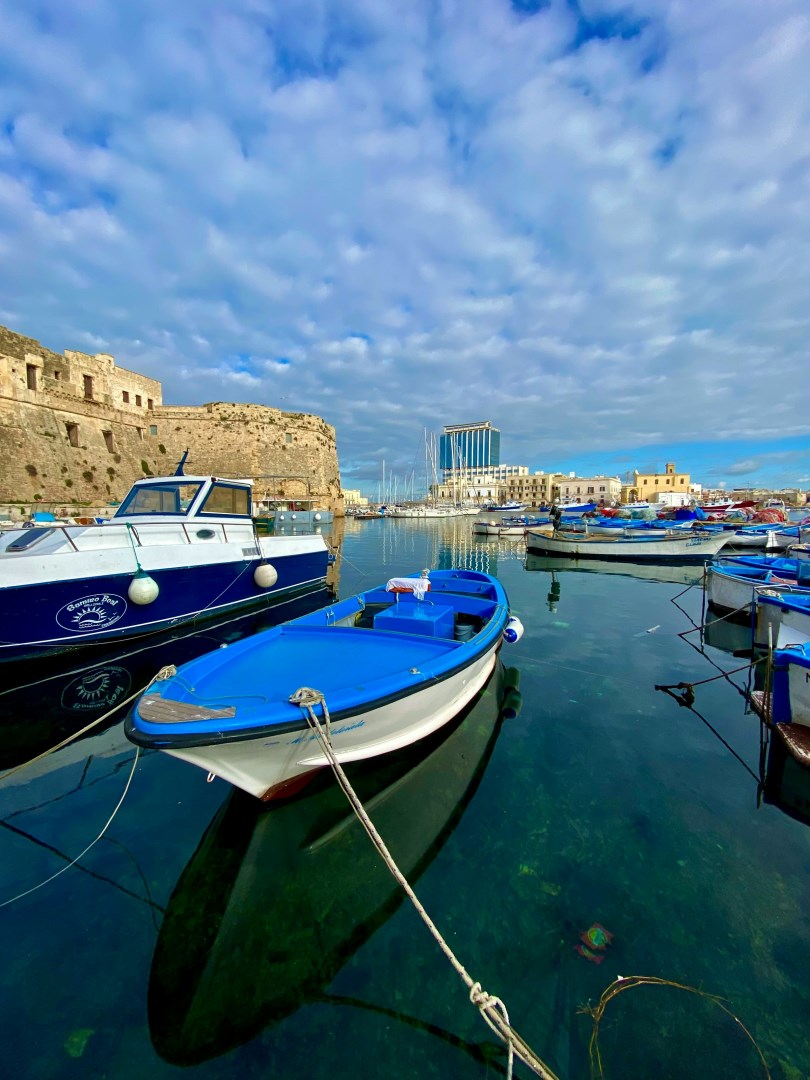
Gallipoli
Gallipoli is a coastal town in Puglia’s Salento peninsula, built around an old city that occupies a limestone island just offshore from the modern mainland. A bridge connects the historic island with the newer part of town, creating a distinctive layout shaped by the sea. The old center contains narrow streets, whitewashed buildings, small squares, churches, and remnants of defensive walls, while the waterfront opens toward the Ionian Sea.