Puerto Natales
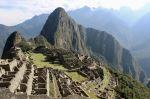
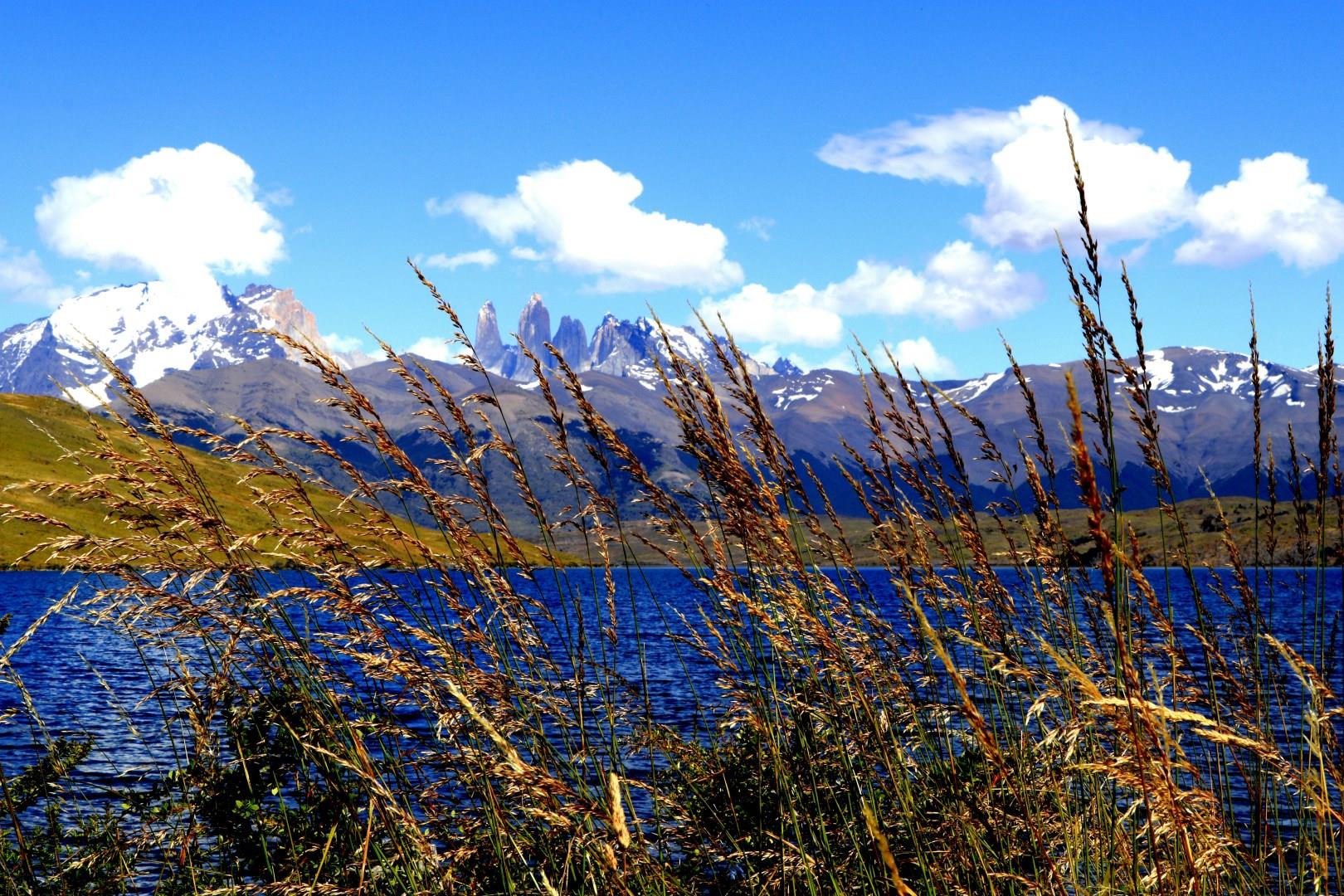
Puerto Natales sits at the head of the Ultima Esperanza Sound in southern Chile, serving as the gateway to Patagonia’s dramatic landscapes.
Ubud
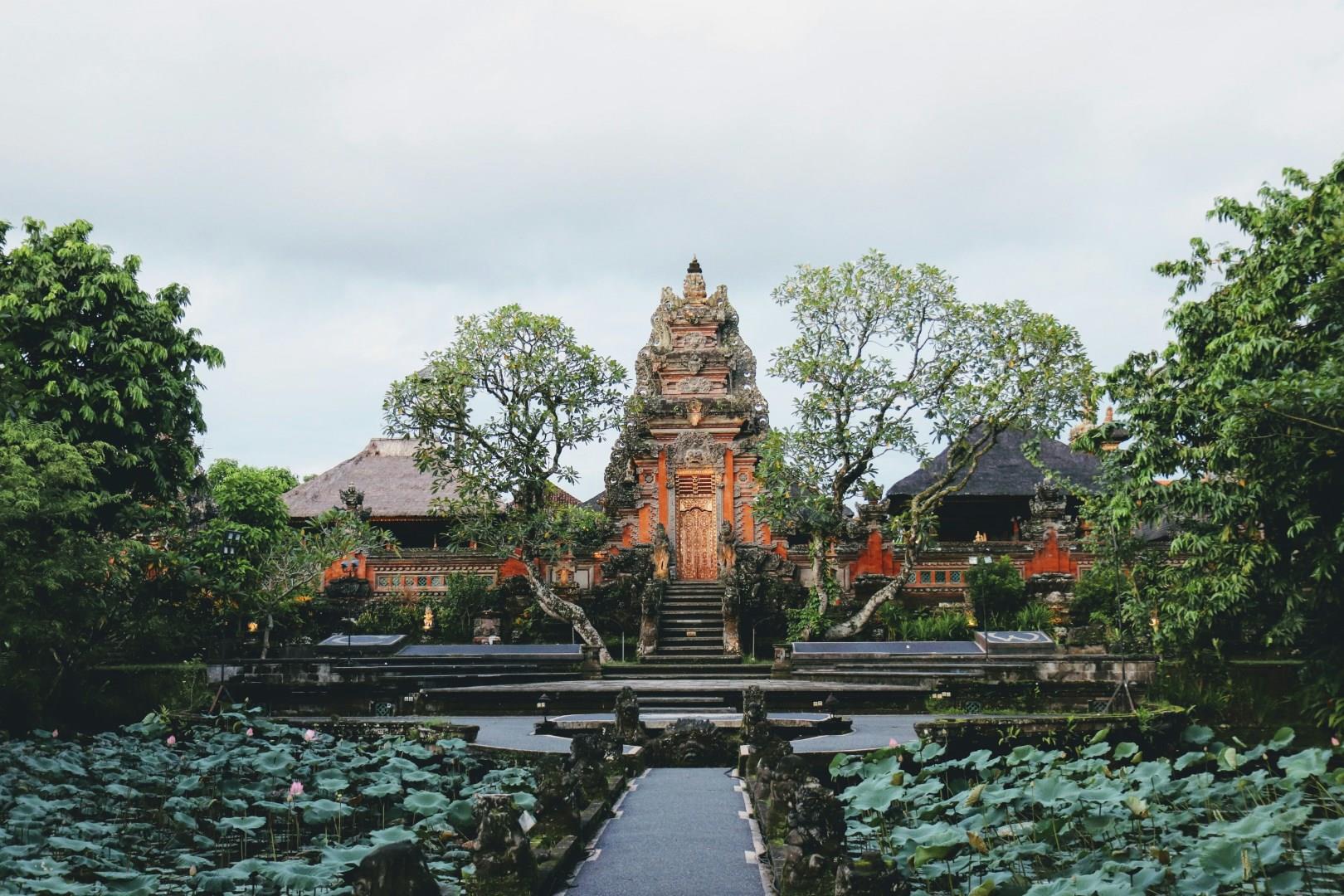
Ubud lies in the uplands of central Bali and has long been regarded as the island’s cultural and spiritual heart. Historically a center for healing and royal patronage, the town developed around temples, palaces, and traditional villages that supported dance, painting, woodcarving, and ritual life.

Namib Desert
The Namib Desert, one of the world’s oldest deserts, stretches along the western coast of Namibia, offering a landscape of stunning, otherworldly beauty. The name “Namib” means "vast place," and fittingly so, as this desert spans over 2,000 kilometers and includes some of the tallest sand dunes on Earth, such as those found in Sossusvlei.
Rocamadour
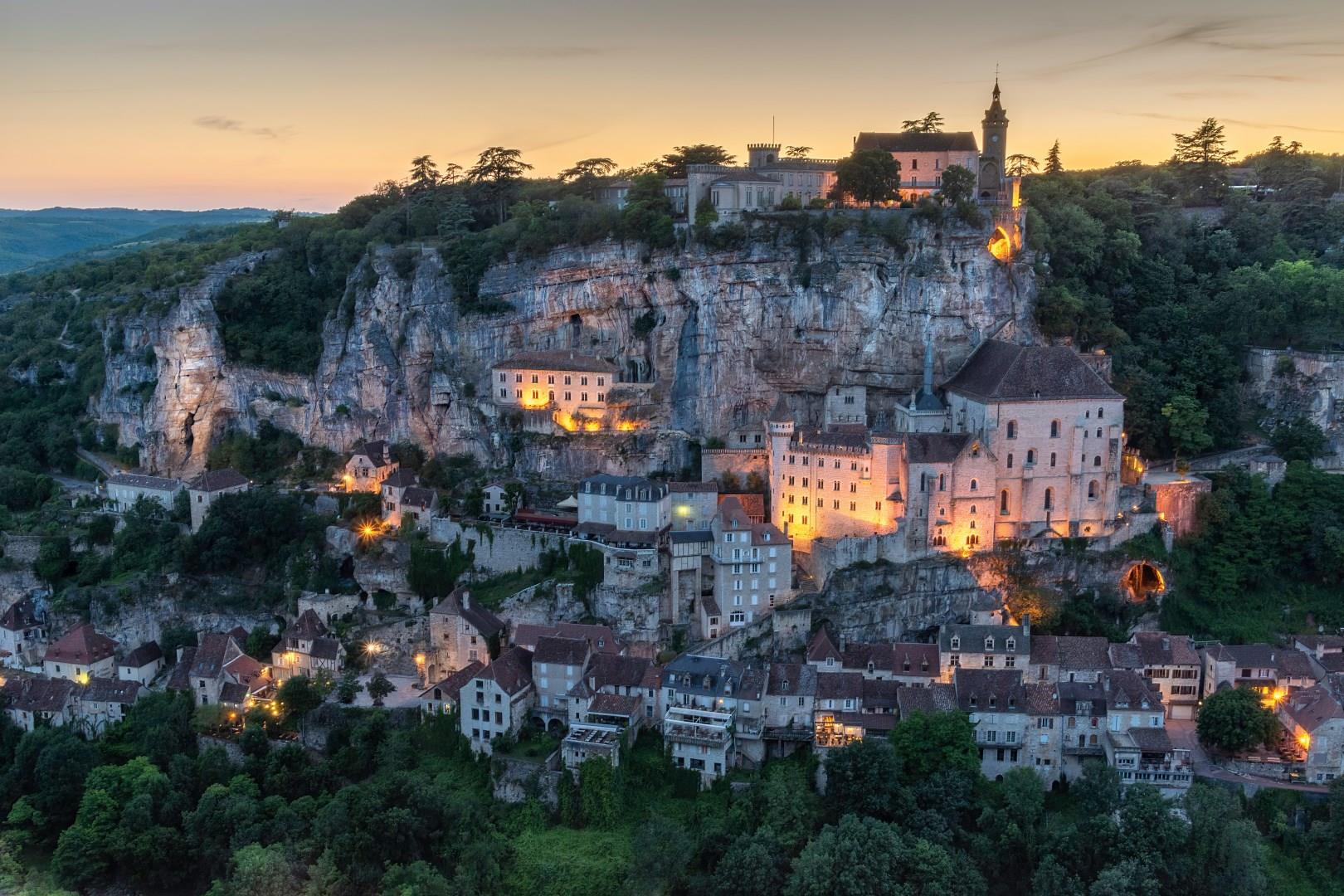
Rocamadour is a remarkable village set against a steep limestone cliff in the Lot department of southwestern France. Its stone buildings, narrow lanes and ancient sanctuaries rise in stages above the Alzou River valley, giving the settlement a striking silhouette that has drawn visitors for centuries. Pilgrims have come here since the Middle Ages to see the Black Madonna in the Chapelle Notre-Dame and to walk the Chemin de Croix.

Port Louis
Port Louis, the bustling capital of Mauritius, is a vibrant melting pot of cultures, history, and modernity. Nestled between the verdant Moka Range and the Indian Ocean, this city invites visitors to explore its rich colonial past while embracing the dynamic energy of a thriving port town.