Malolo Island
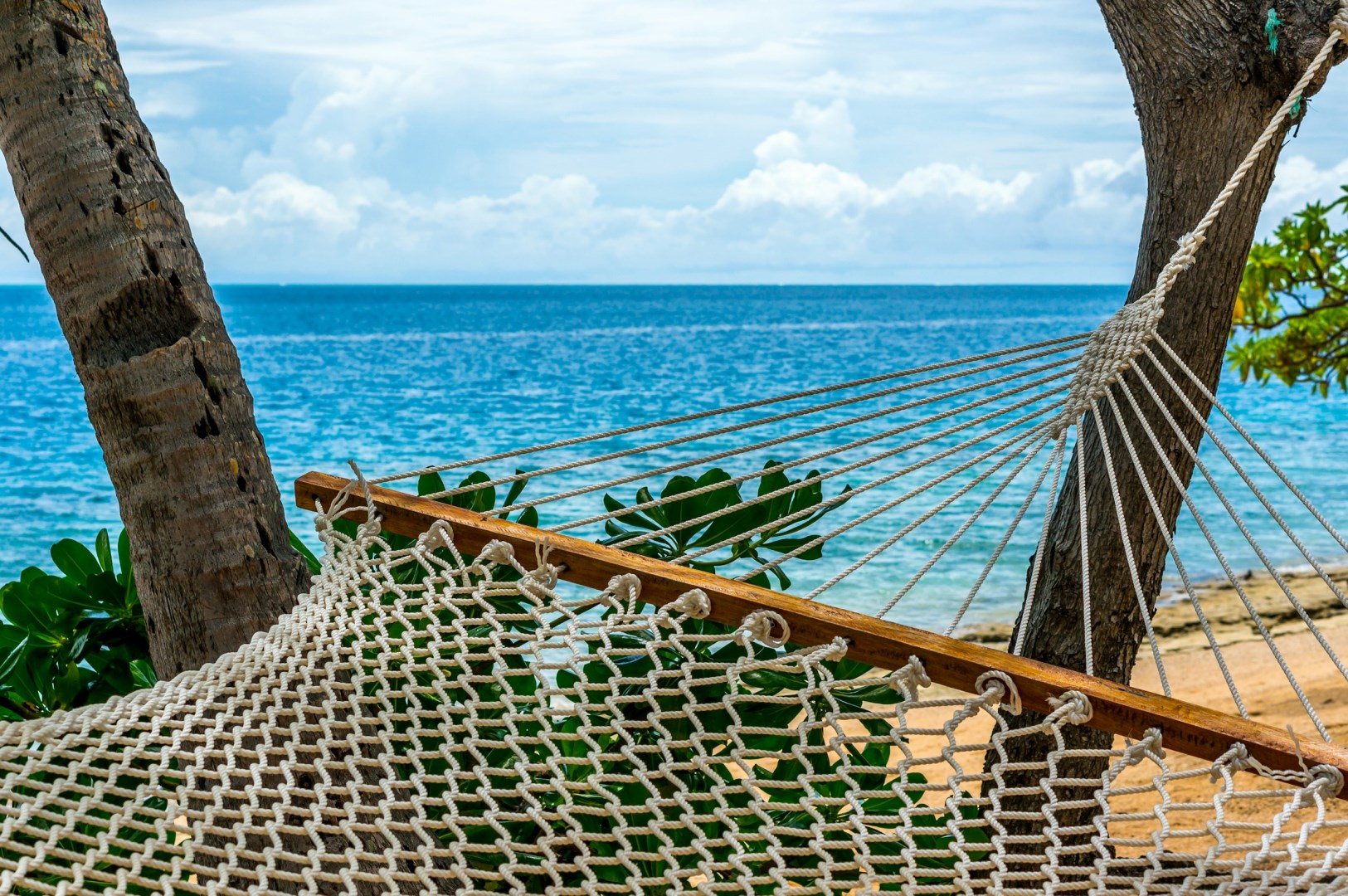
Set among Fiji’s Mamanuca Islands, Malolo Island combines a lush, hilly interior with palm-fringed beaches, clear lagoons, and coral-rich waters. Visitors can spend their days swimming, snorkelling, kayaking, or sailing before settling into the island’s unhurried pace.
Tarangire National Park
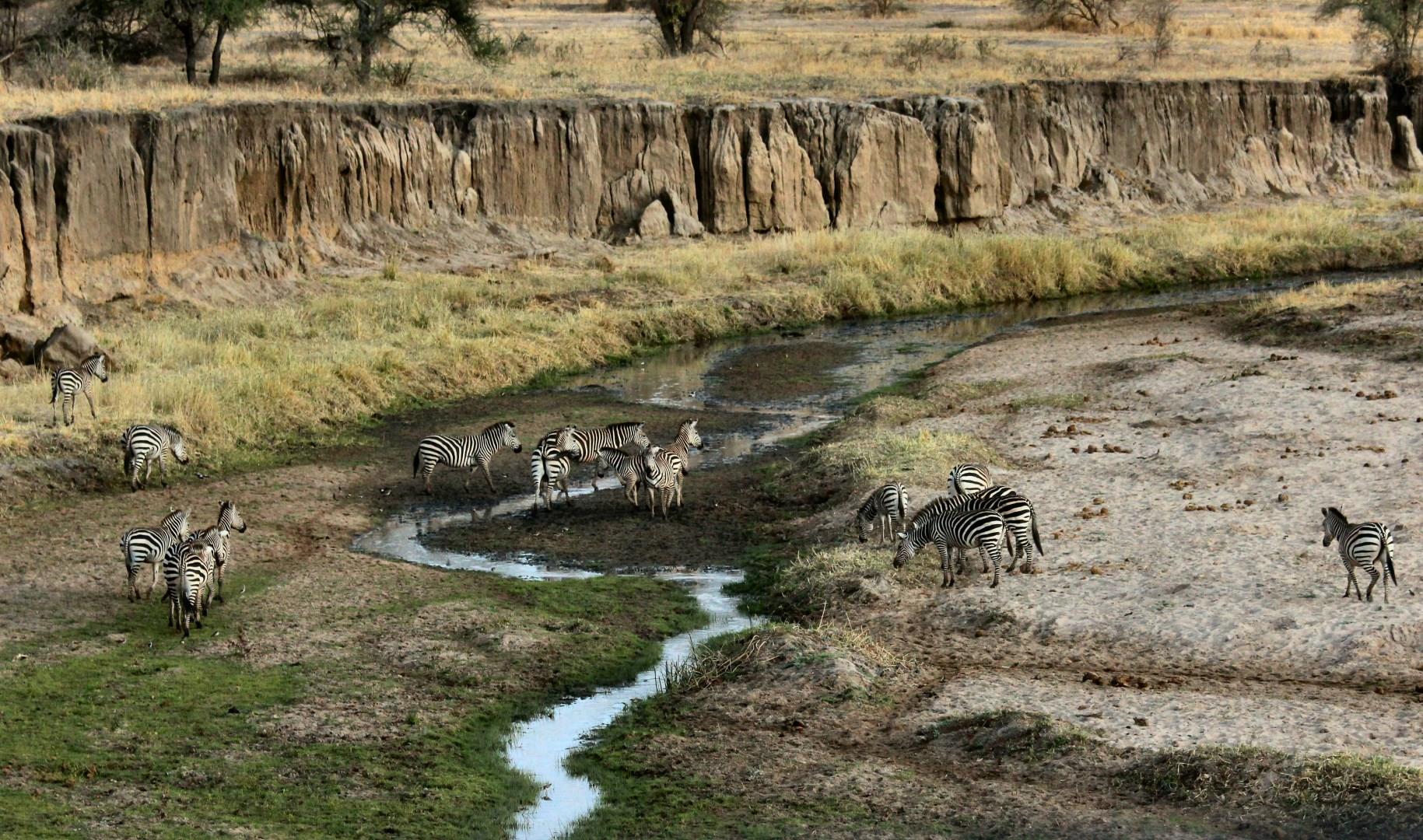
Tarangire National Park, a stunning gem in northern Tanzania, offers an unparalleled safari experience amid its diverse landscapes and wildlife. Renowned for its dense population of elephants, the park's vast baobab-studded plains and swamps create a dramatic setting that brings you face-to-face with these magnificent creatures. The park is home to over 300 bird species, including the strikingly beautiful Lilac-breasted Roller and the majestic Secretary Bird.
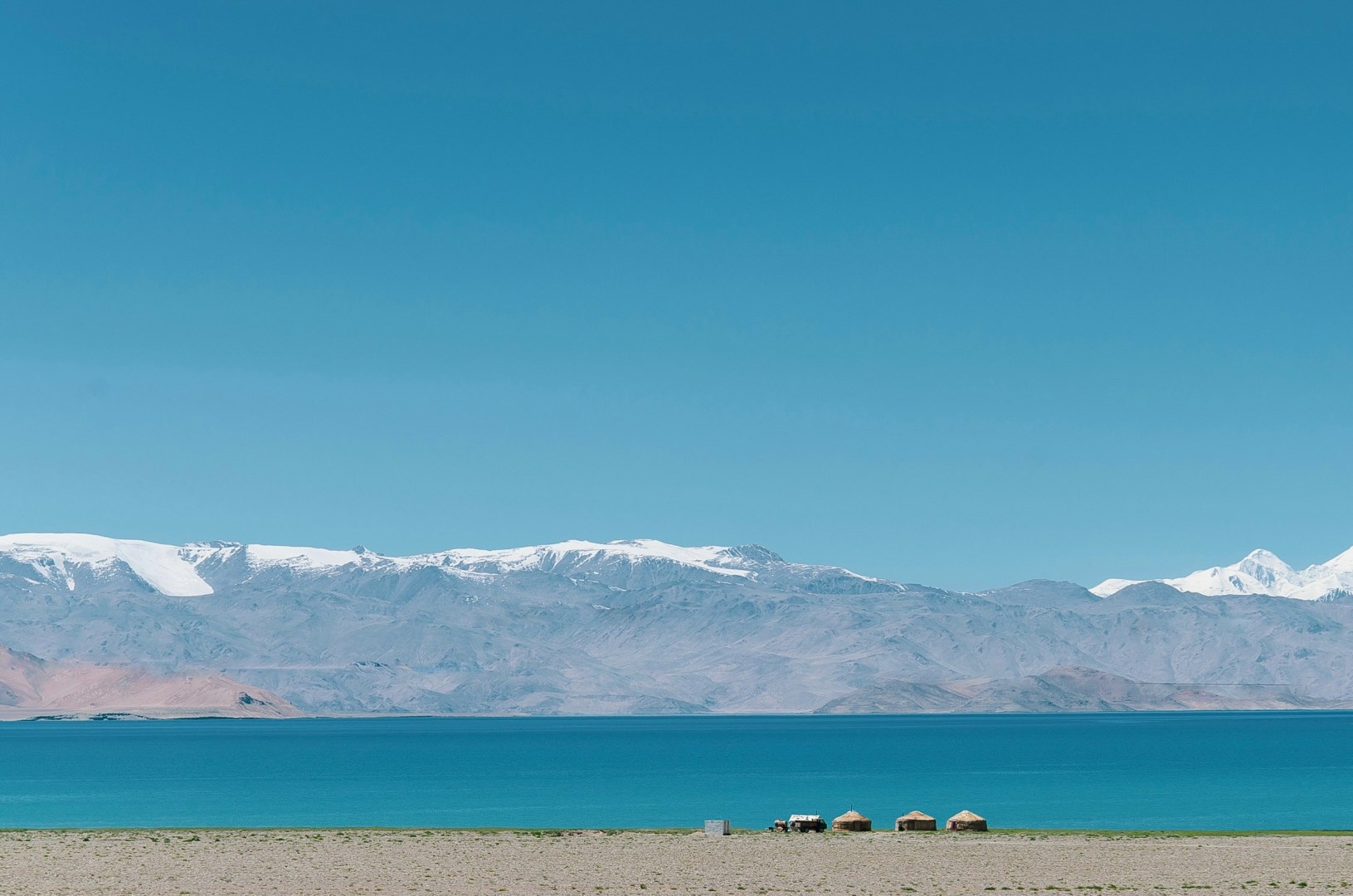
Karakul Lake
Karakul Lake is a high-altitude lake in eastern Tajikistan, situated in the Pamir Mountains near the village of Karakul. The lake lies at roughly 3,900 meters above sea level within a broad, treeless landscape of rocky plains and high mountain ranges. Its name means “Black Lake” in Turkic, although its water can appear deep blue, green, or turquoise depending on the light. Karakul is the largest lake by surface area in the Pamirs and is part of the wider Tajik National Park.
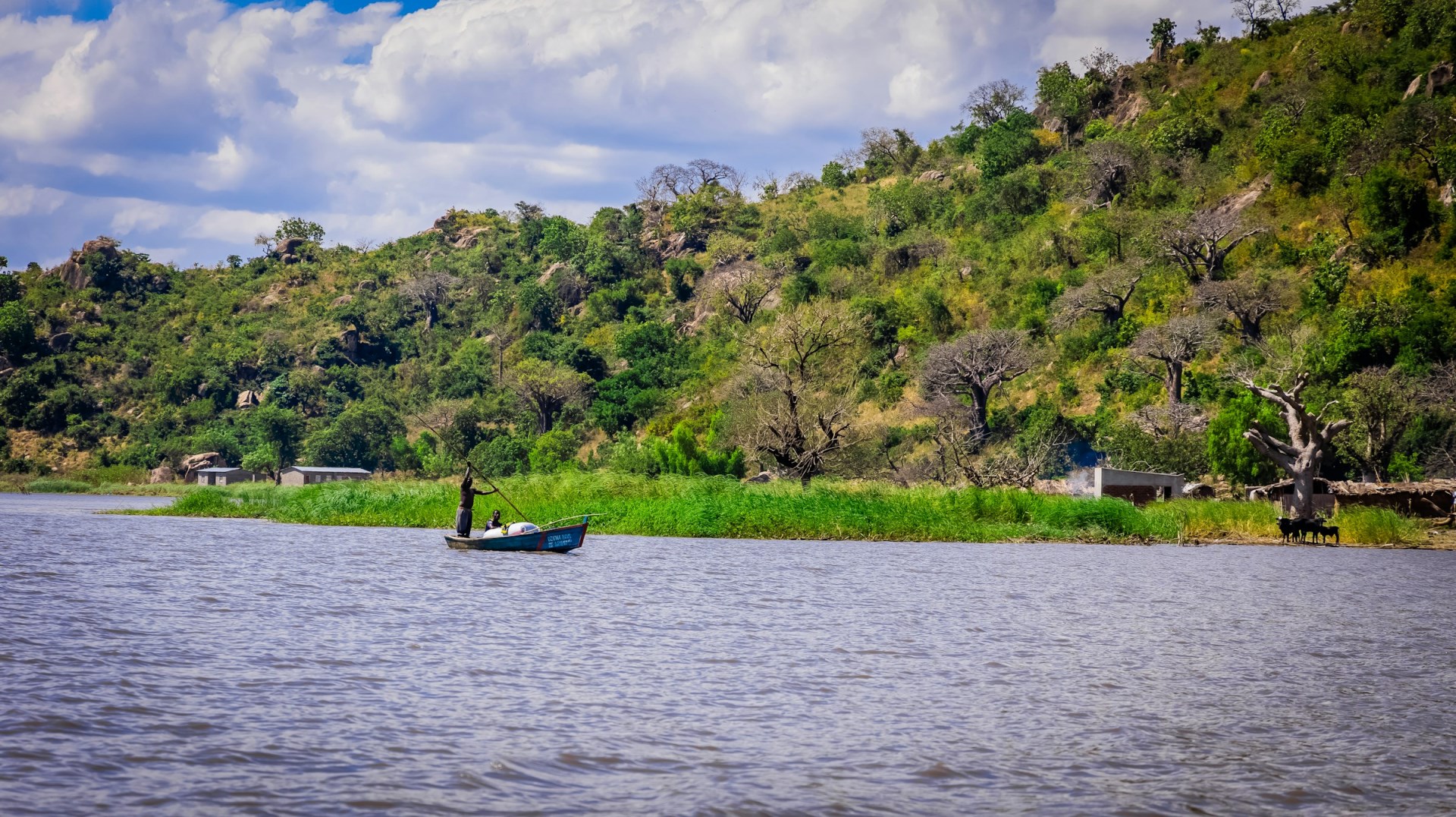
Njalo Island
Njalo Island is a small inhabited island in Lake Chilwa, in southern Malawi’s Phalombe District. Situated in the lake’s open waters, it is part of a wetland landscape shaped by changing water levels, shallow channels, marshes, and seasonal fishing activity. The island is home to a close-knit community whose daily life is closely connected to the lake. Fishing provides an important source of food and income, while boats are essential for transport between the island and mainland communities.
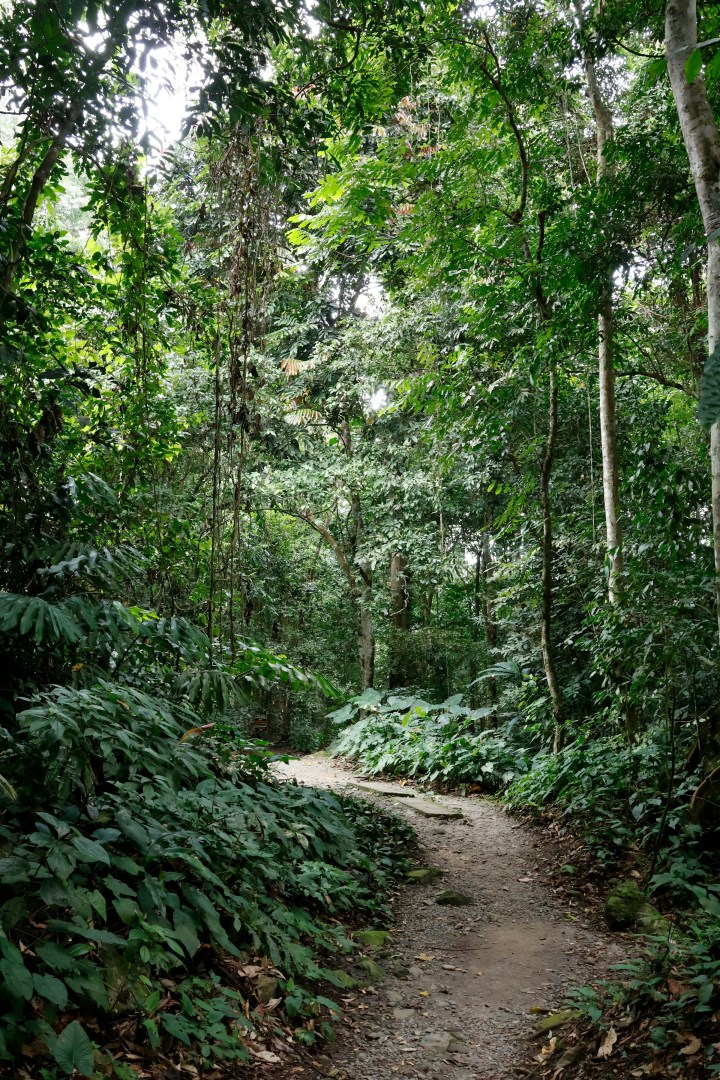
Kinabalu National Park
Kinabalu National Park is a protected mountain area in Sabah, Malaysian Borneo, centered on Mount Kinabalu and the surrounding highland forests. The park covers a wide range of elevations, creating distinct habitats from lowland rainforest to montane vegetation and alpine areas.