Dalian
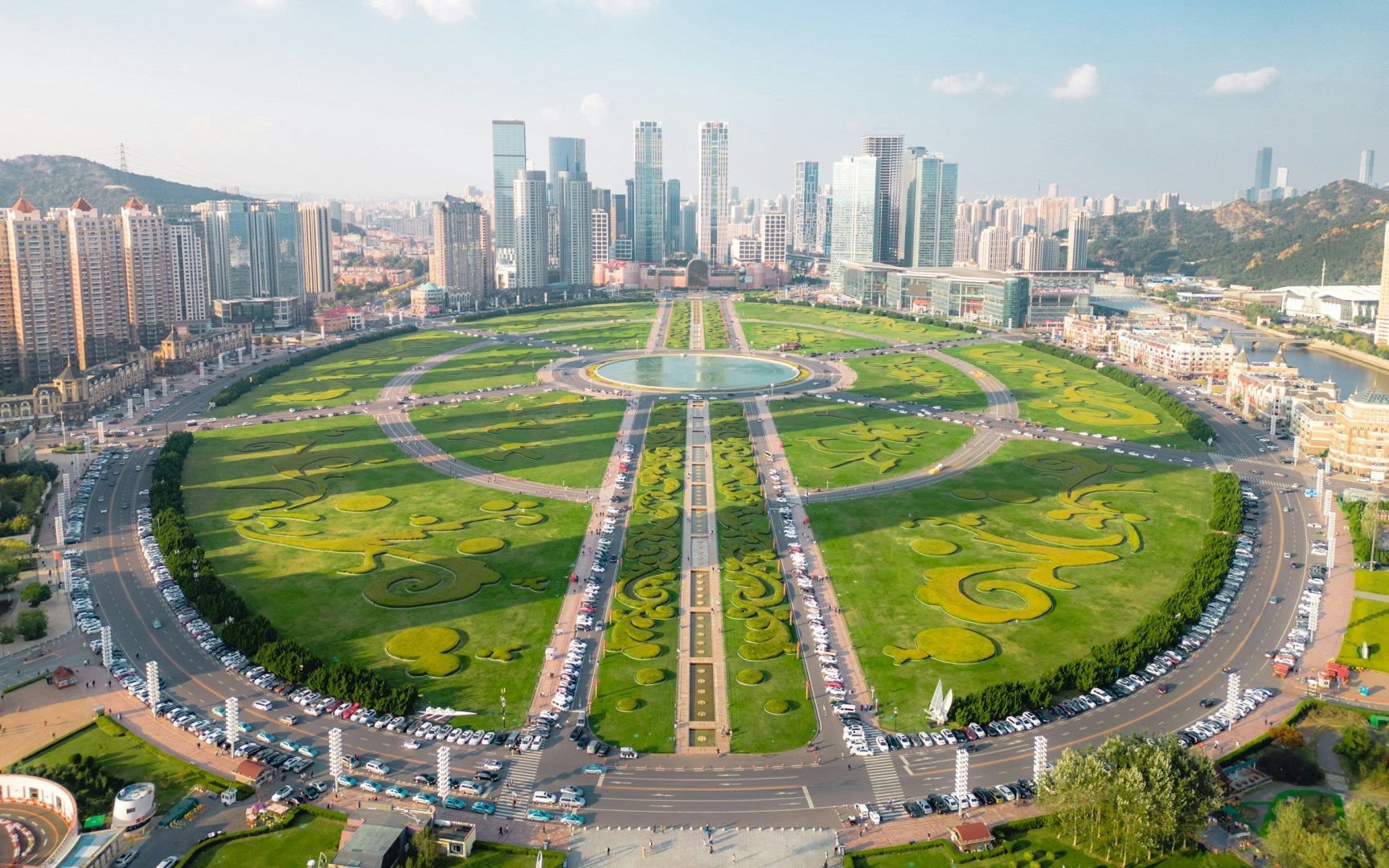
Dalian is a major coastal city in Liaoning Province in northeastern China, situated on the southern tip of the Liaodong Peninsula between the Yellow Sea and Korea Bay. Its long coastline, numerous bays, hills, and waterfront districts give the city a strong maritime character. Dalian is an important port and commercial center, while its urban landscape includes broad streets, public squares, parks, and historic buildings.
Mġarr
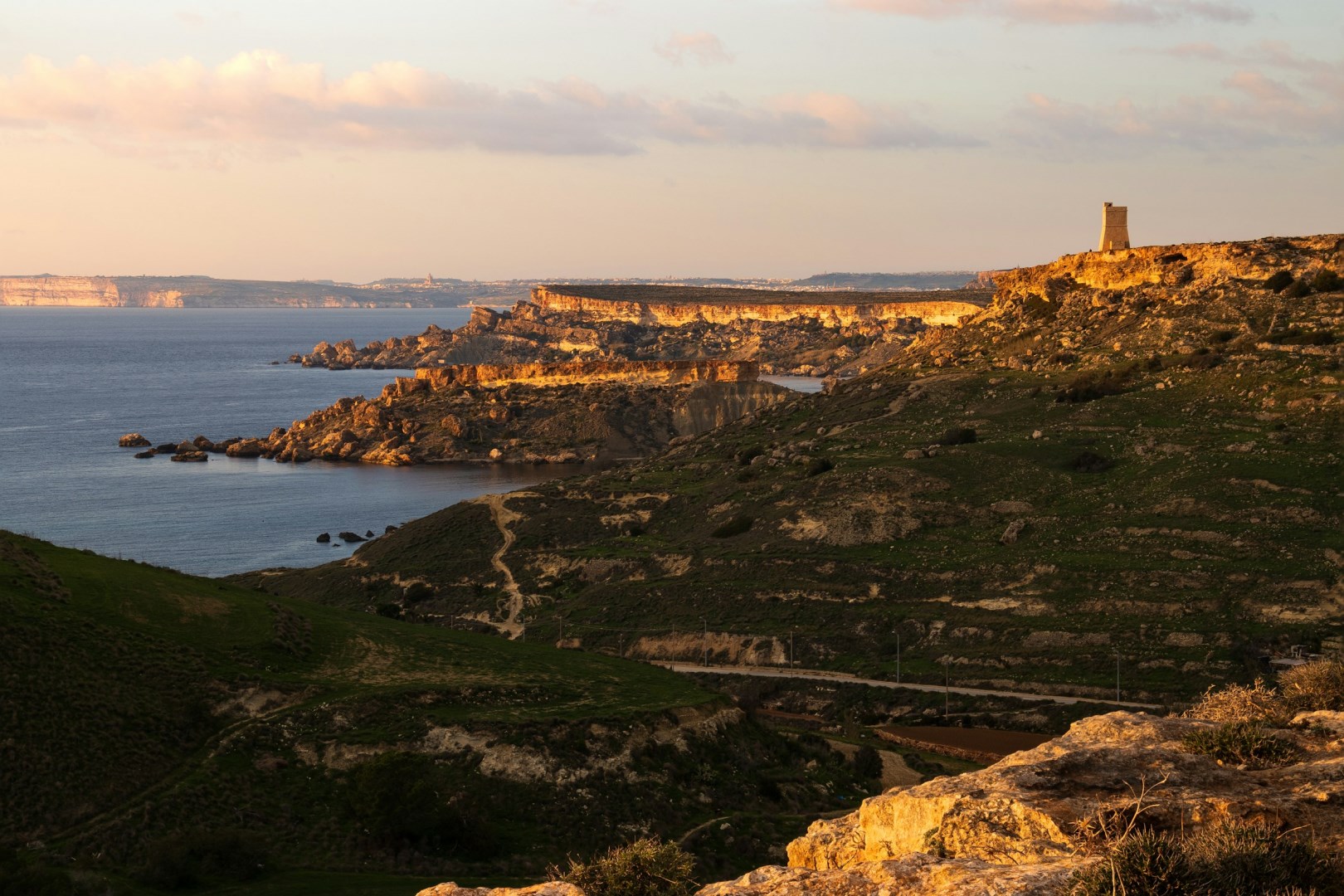
Mgarr is a rural village in northwestern Malta, surrounded by some of the island’s most extensive areas of farmland and open countryside. Its name is associated with a sheltered place or landing area, reflecting Malta’s long relationship with agriculture and rural settlement. The village is centered on the large parish church of the Assumption of the Virgin Mary, whose distinctive dome dominates the surrounding landscape.
Malindi
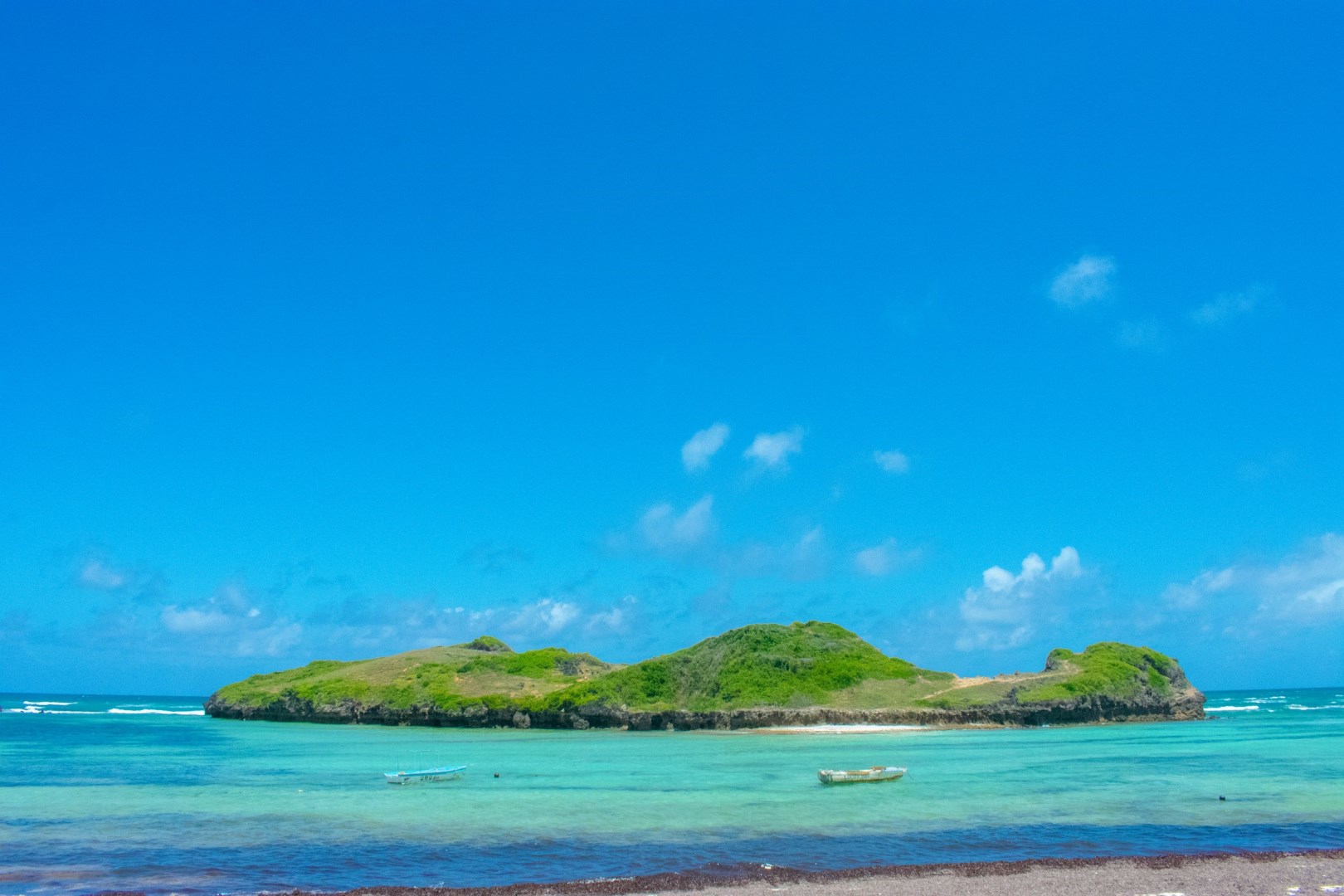
Malindi is a coastal town in southeastern Kenya, located along the Indian Ocean north of Mombasa. Its setting combines a historic Swahili settlement with sandy beaches, coral reefs, palm trees, and marine habitats. The town has long been connected to Indian Ocean trade, and its streets and waterfront reflect African, Arab, Portuguese, and later European influences.

Capestang
Capestang sits beside the Canal du Midi, surrounded by vineyards and marked by the soaring Collégiale Saint-Étienne. Its medieval heritage, canal port and nearby Étang de Capestang give the village a strong identity rooted in water, wine and local history.

Philippines
The Philippines is an archipelago of more than 7,600 islands in Southeast Asia, known for its striking coastlines, tropical forests, and vibrant cultural diversity.