Memphis
Visit the ancient city of Memphis and take in the wonders of the recumbent statue of Ramses II and the 80-ton Alabaster Sphinx.
Imlil
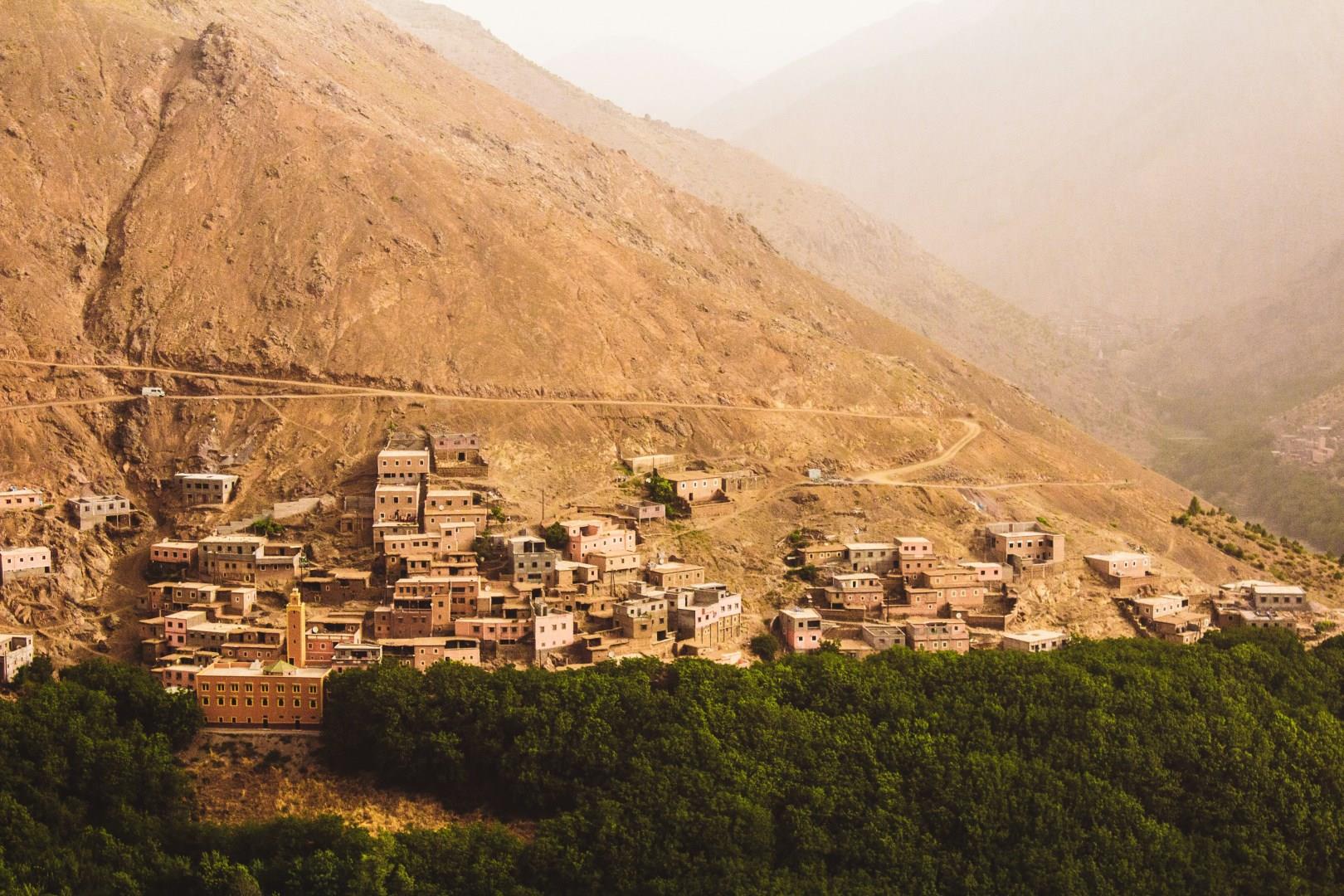
Imlil is a small Berber village nestled in the High Atlas Mountains of Morocco, serving as a gateway to the Toubkal National Park. Its history is tied to mountain agriculture and traditional life, with stone houses and terraced fields reflecting centuries of adaptation to the rugged terrain.
La Rochelle
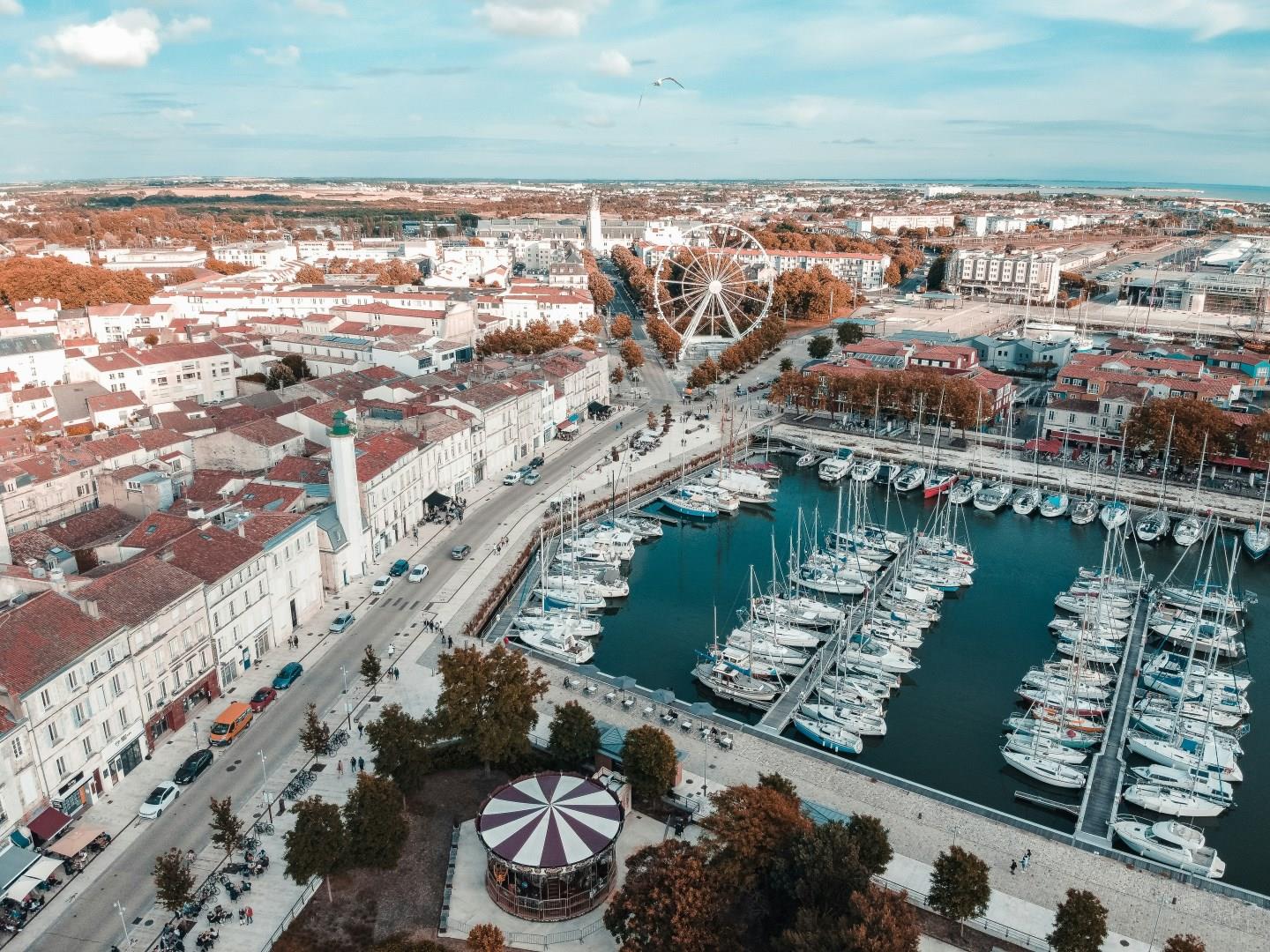
La Rochelle sits on France’s Atlantic coast, shaped by centuries of maritime trade, independence, and outward-looking ambition. Once a powerful port with strong Protestant roots, the city developed a reputation for autonomy that still colors its identity. Its old harbor, guarded by medieval towers, reflects a history tied to navigation, commerce, and connections far beyond western France.

Cederberg
The Cederberg region in the Western Cape of South Africa is a striking land of rocky ridges, wide skies, and quiet valleys. Less than three hours’ drive from Cape Town, the jagged sandstone mountains rise in shapes that seem carved by giants, and shady kloofs hide wonders like ancient rock art that tell stories from thousands of years ago. Hikes to natural landmarks like Wolfberg Arch and the Maltese Cross take visitors deep into terrain shaped by time.
Jersey
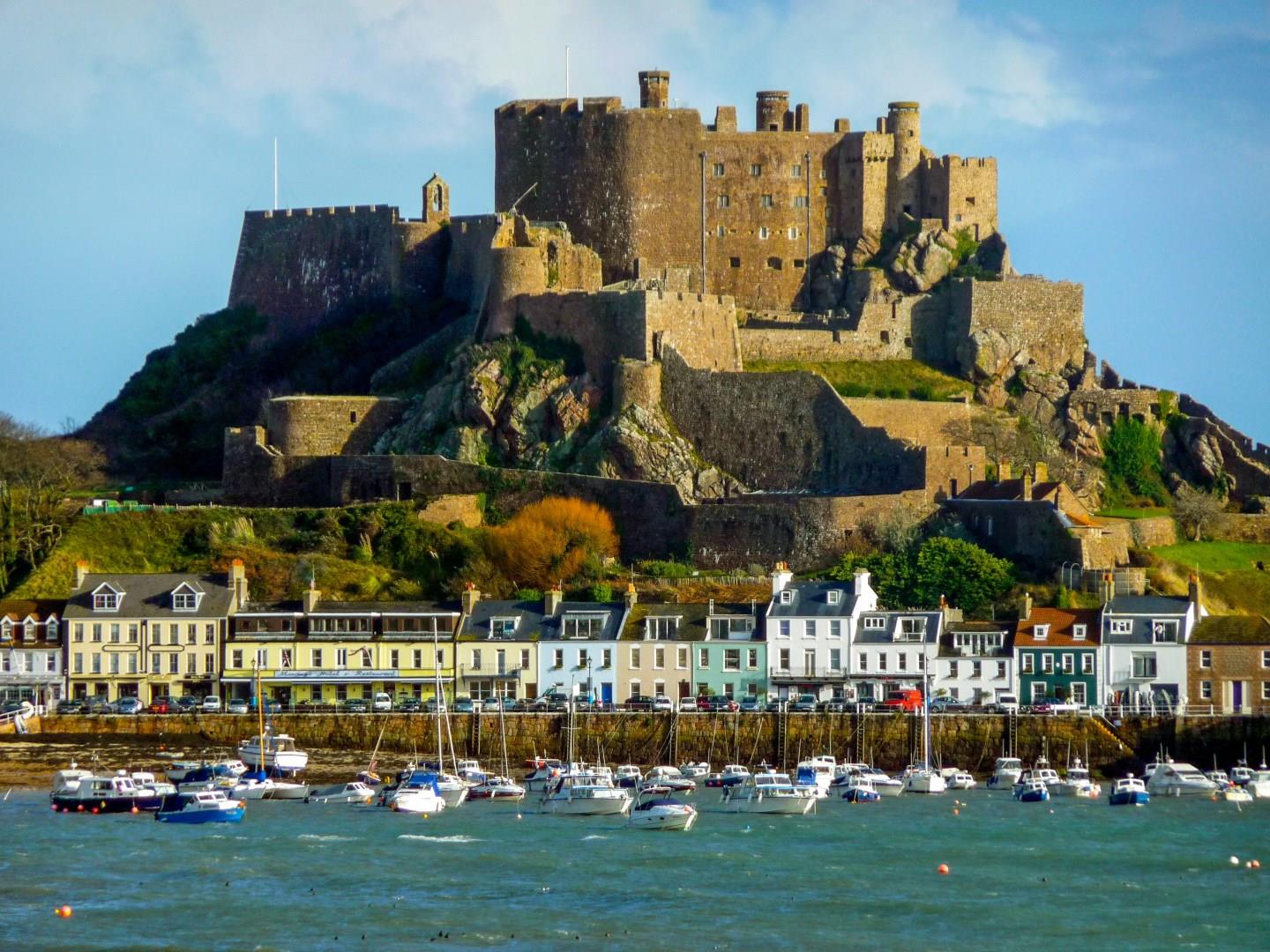
Jersey, the largest of the Channel Islands, is a destination that offers a unique blend of British and French influences, reflected in its history, language, and cuisine. Its strategic location between England and France has shaped centuries of cultural exchange and resilience, especially evident in sites like Mont Orgueil Castle. The island’s coastline features dramatic cliffs, hidden coves, and wide sandy beaches.