Valleta
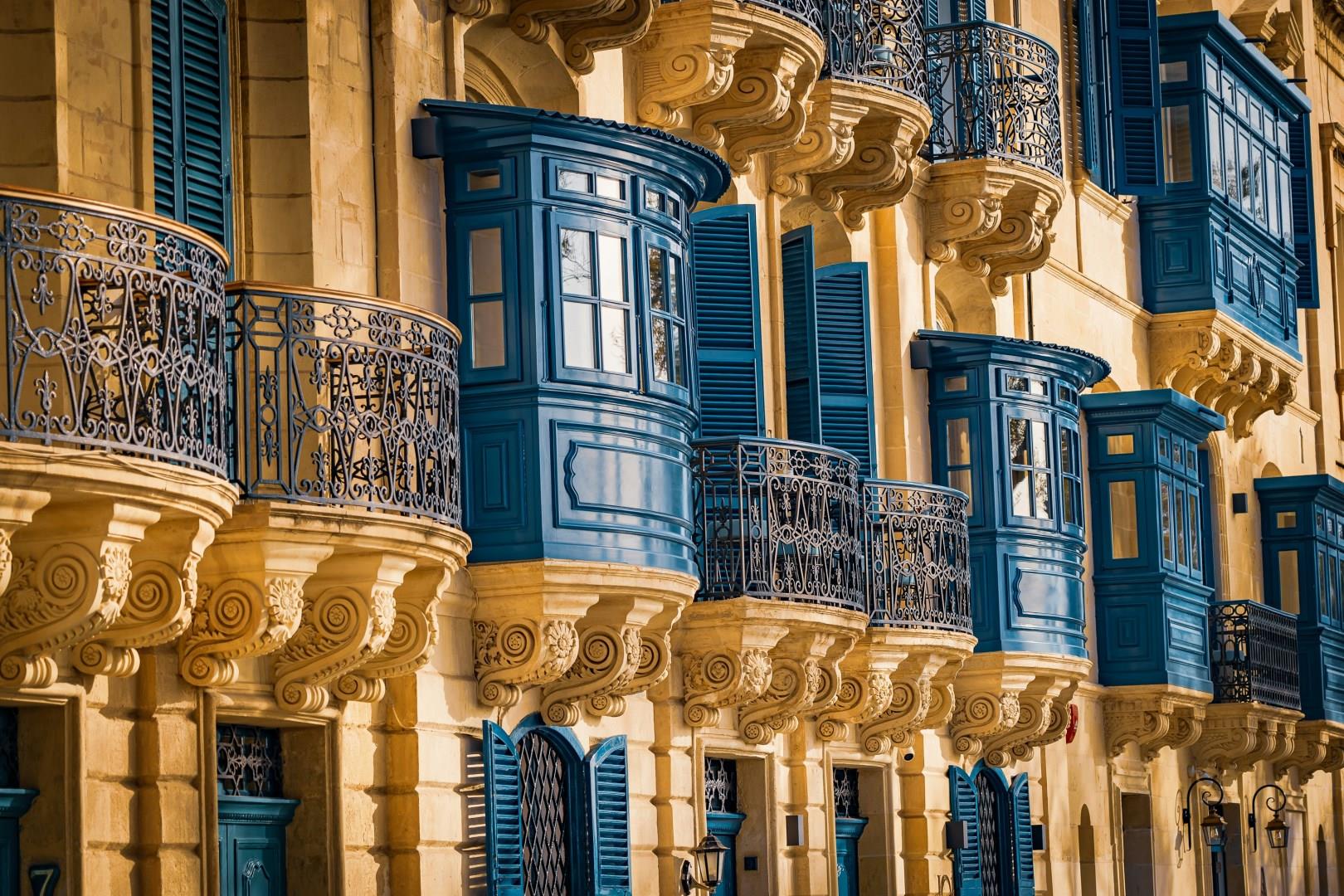
Malta’s ornate and vibrant capital, Valletta, dazzles travelers with its abundance of historical landmarks and striking architecture. This island jewel off the coast of Italy remains a popular destination for Mediterranean cruises. From central St. George’s Square, to sixteenth-century Casa Rocca Piccola, to the Siege Bell War Memorial, Valletta has no shortage of monuments detailing the city’s long history.
Cousin Island
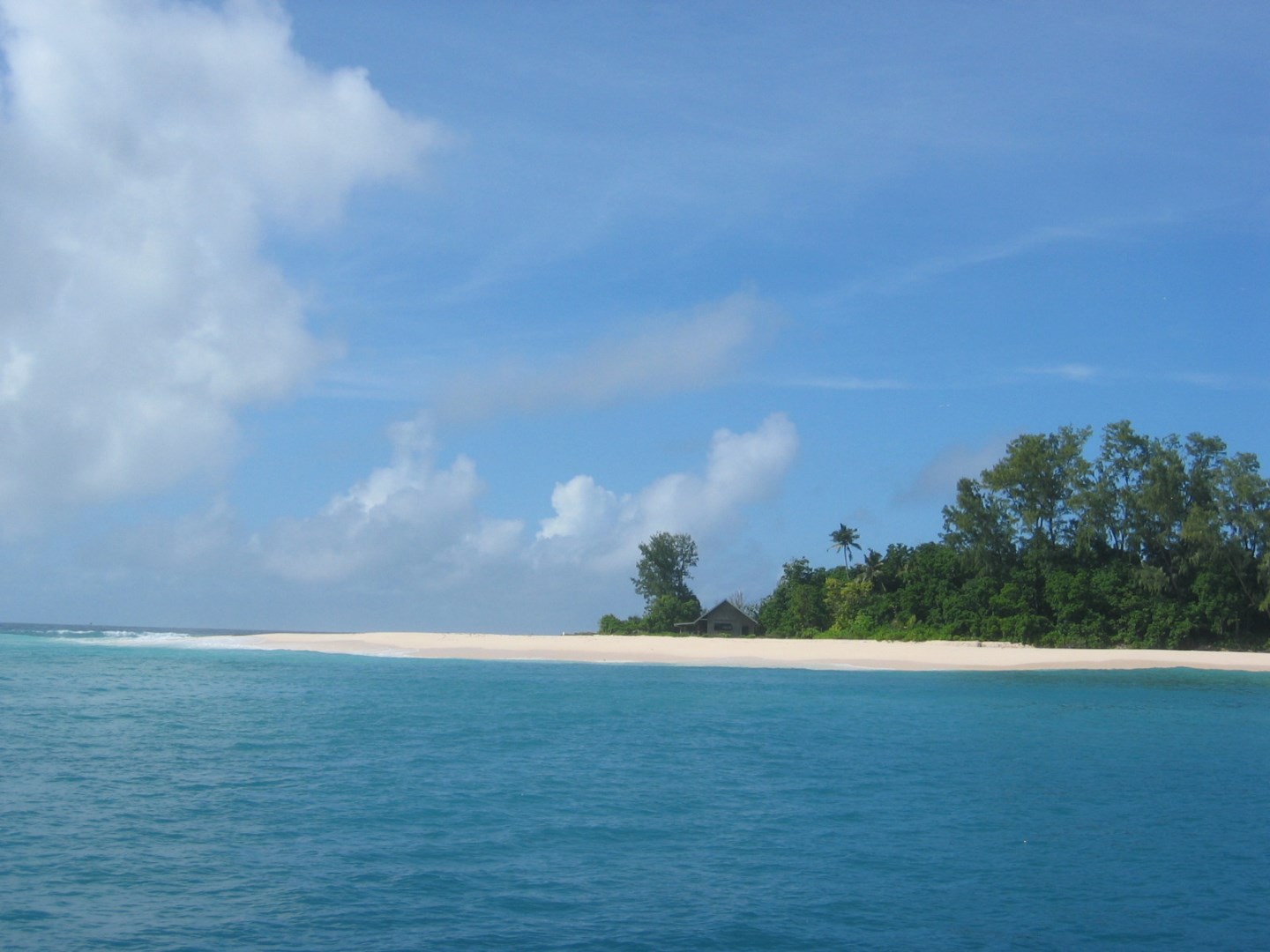
Cousin Atoll, a gem in the Seychelles, is renowned for its unspoiled natural beauty and thriving ecosystems. Located approximately 7 kilometers southwest of Praslin Island, this small, crescent-shaped atoll offers a pristine escape into nature. Its white sandy beaches, crystal-clear waters, and vibrant coral reefs make it an ideal destination for eco-tourists and nature enthusiasts
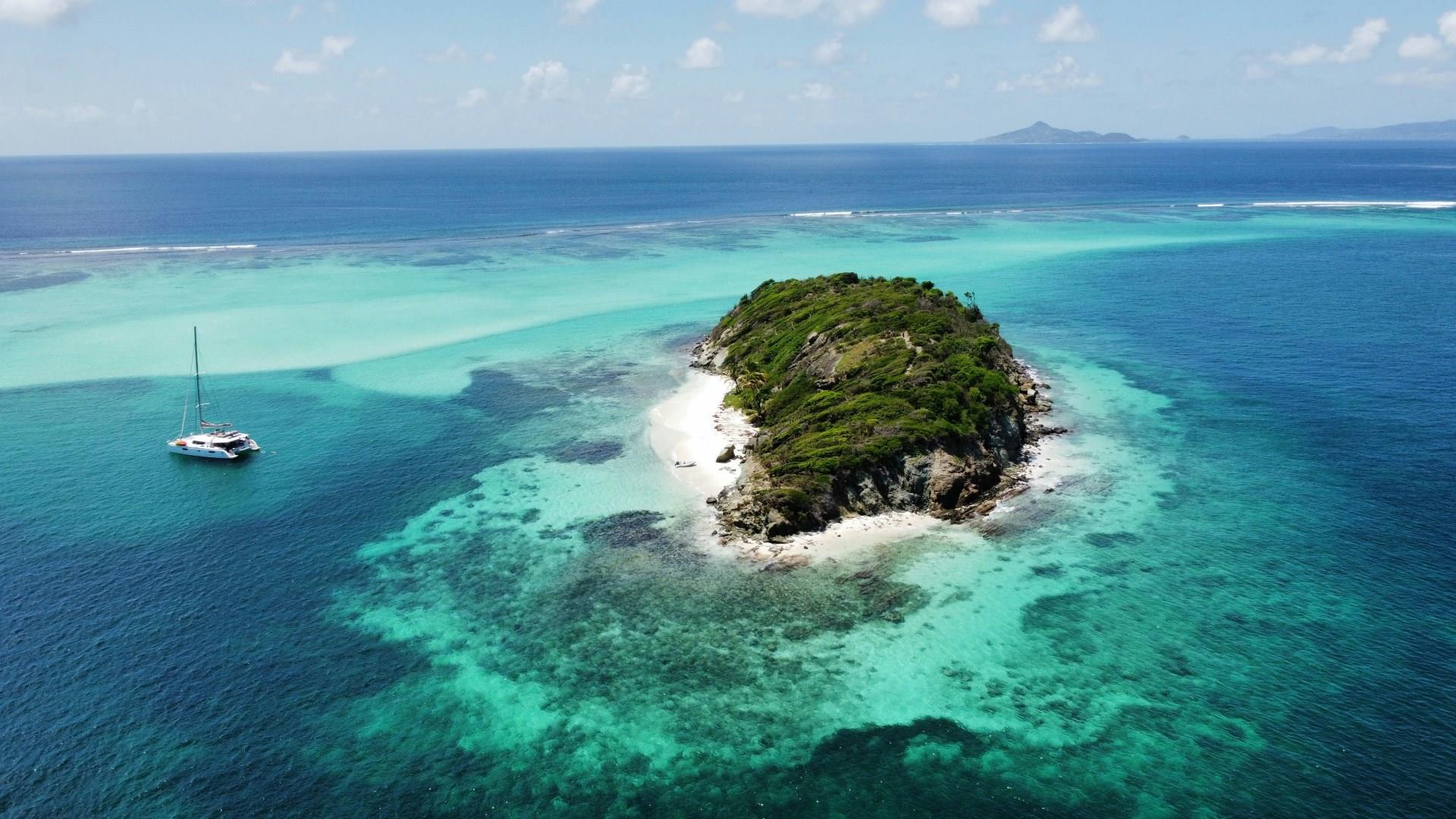
Tobago Cays
The Tobago Cays are a small cluster of uninhabited islands and reefs in the Southern Grenadines, known for their crystalline waters, coral formations, and vibrant marine life.
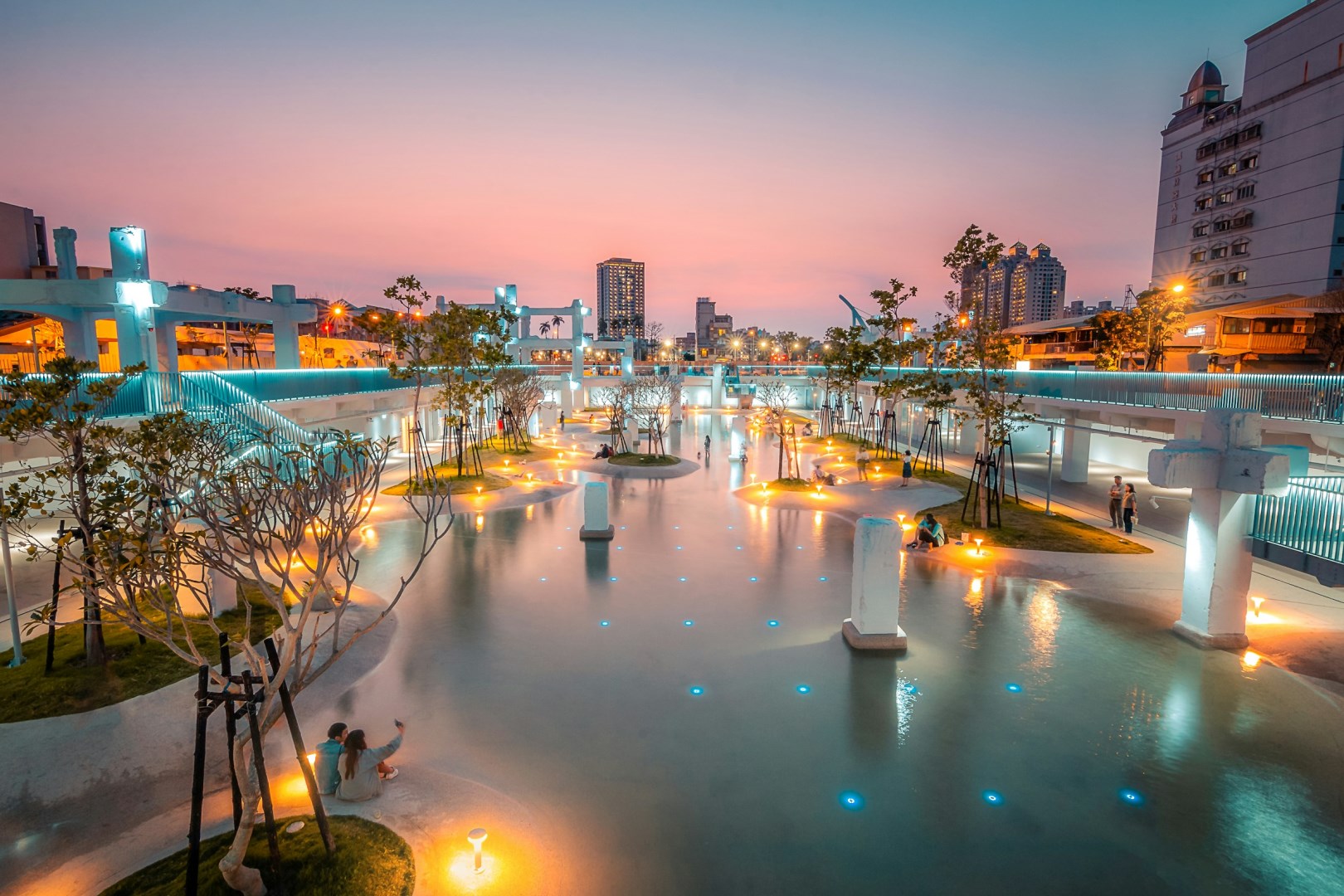
Tainan
Tainan is a historic city in southwestern Taiwan known for its temples, traditional neighborhoods, food culture, and surviving architectural landmarks. As one of Taiwan's oldest urban centers, it contains a dense collection of religious buildings, historic residences, markets, and former administrative sites. The city is generally low-lying, with coastal plains extending westward toward the Taiwan Strait.
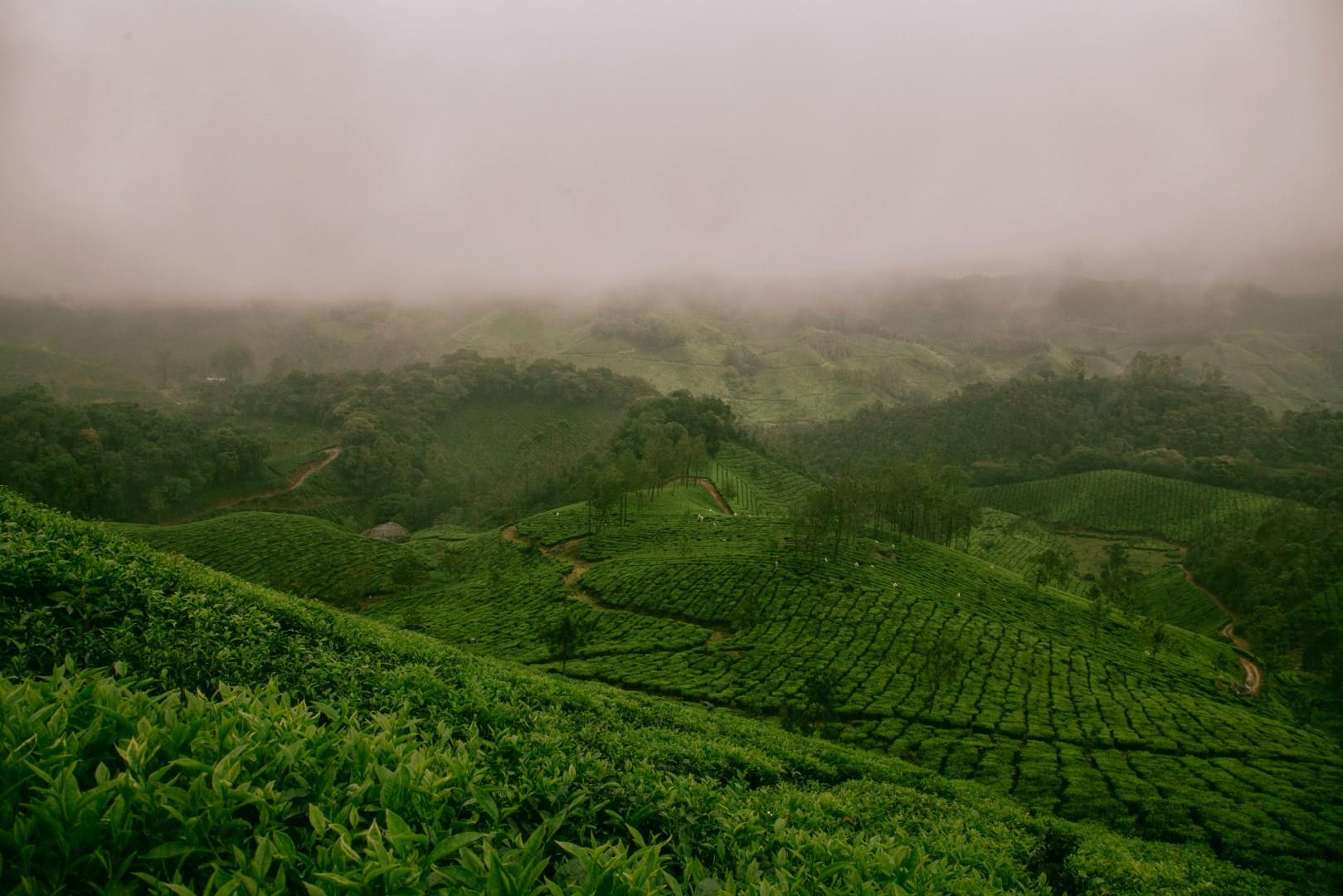
Munnar
Munnar, located in the Western Ghats of Kerala, India, sits at around 1,600 meters above sea level and was once the summer resort of British colonial officers. Today, it’s known for its vast tea plantations, many of which date back to the 19th century. Visitors can walk through estates like Kolukkumalai, the highest tea plantation in the world, where traditional methods are still used to process leaves by hand.