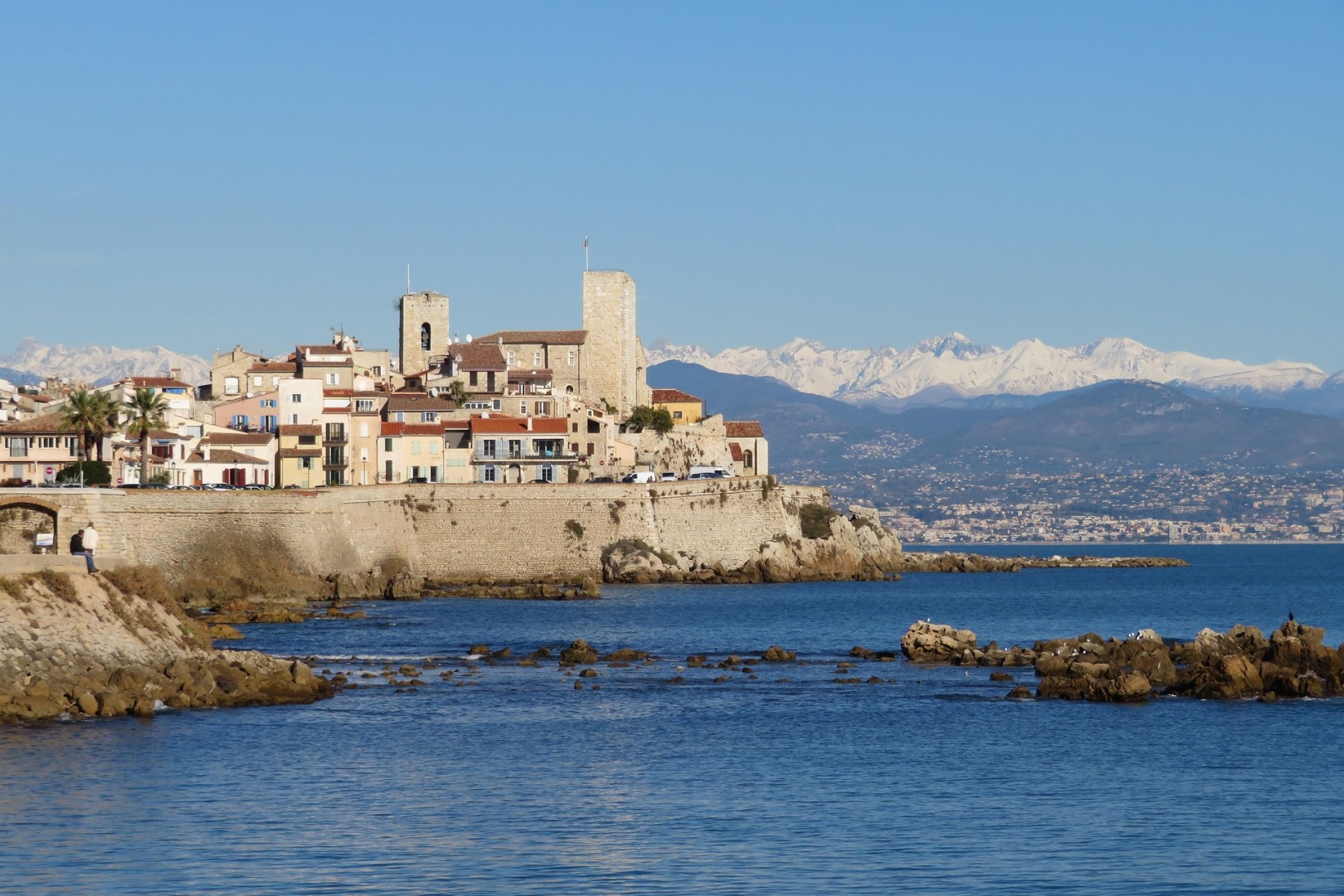
Antibes
Antibes, the new "hot spot" is located across from Nice. Explore traditional market-places packed with beautiful flowers, watching fishermen hauling in the days catch or simply relax in the warmth of the Riviera.

Montréal
Montréal is a city shaped by layers of French and British history, with modern flair built into every corner. Founded in 1642 as Ville-Marie, it’s one of the oldest cities in North America. Visitors walking through Old Montréal will find cobblestone streets, 18th-century buildings, and landmarks like the Notre-Dame Basilica, known for its deep blue interior and grand organ with over 7,000 pipes.

Annecy
Nestled between the pristine waters of Lake Annecy and the towering French Alps, Annecy is a charming gem in southeastern France that offers visitors a unique blend of history, natural beauty, and alpine allure. Often referred to as the "Venice of the Alps" due to its network of canals that wind through the old town, Annecy captivates with its cobbled streets, pastel-colored houses, and flower-adorned bridges.

Douala
Douala is Cameroon’s largest city and its economic powerhouse, but beyond the busy ports and bustling streets lies a city full of creativity, flavor, and unexpected charm. Located on the Atlantic coast, Douala has long served as a crossroads of cultures. The city's waterfront, especially along the Wouri River, is a great place to watch the movement of boats, local fishermen, and floating markets while soaking in the tropical coastal air.
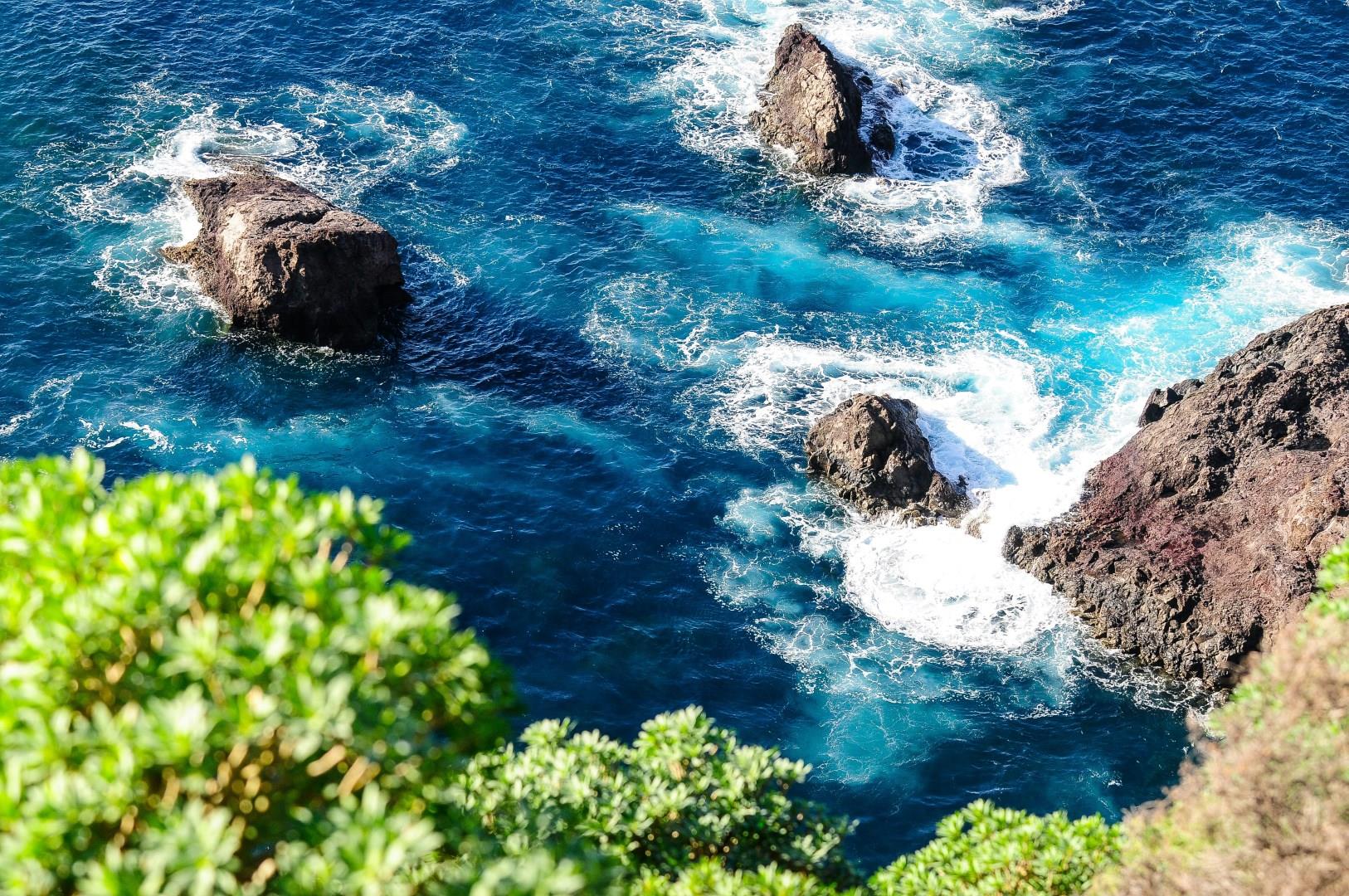
La Palma
La Palma (also San Miguel de La Palma) is the fifth of Spain's Canary Islands. This mountainous volcanic island is a natural wonder of tropical vegetation. Its coast is lined by jagged cliffs and plunging ravines, and its beaches are covered with black sand. Thanks to dry climate and the height of its mountains creating excellent observation conditions, La Palma has become the home of some of the world's largest telescopes, seated on the rocky ridge called El Roque de los Muchachos.