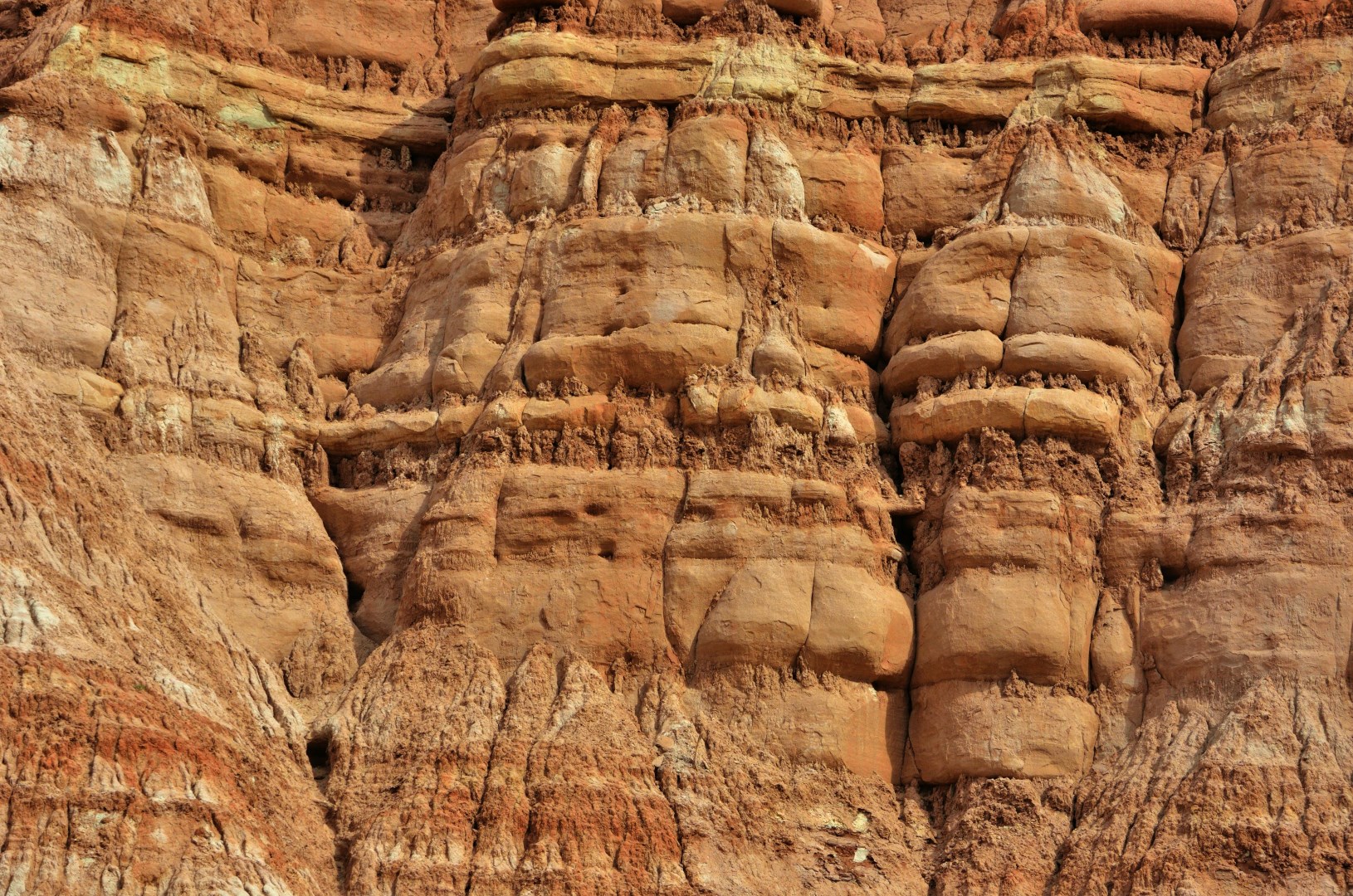
Grand Staircase–Escalante National Monument stretches across southern Utah as a vast landscape of layered cliffs, winding canyons, and open desert plateaus. The land shifts in color from pale cream to deep red, depending on the angle of the sun, revealing rock layers that look like pages stacked over time. Much of the area feels remote, with long dirt roads like Hole-in-the-Rock Road leading travelers deep into quiet terrain where rock formations rise suddenly from flat ground.
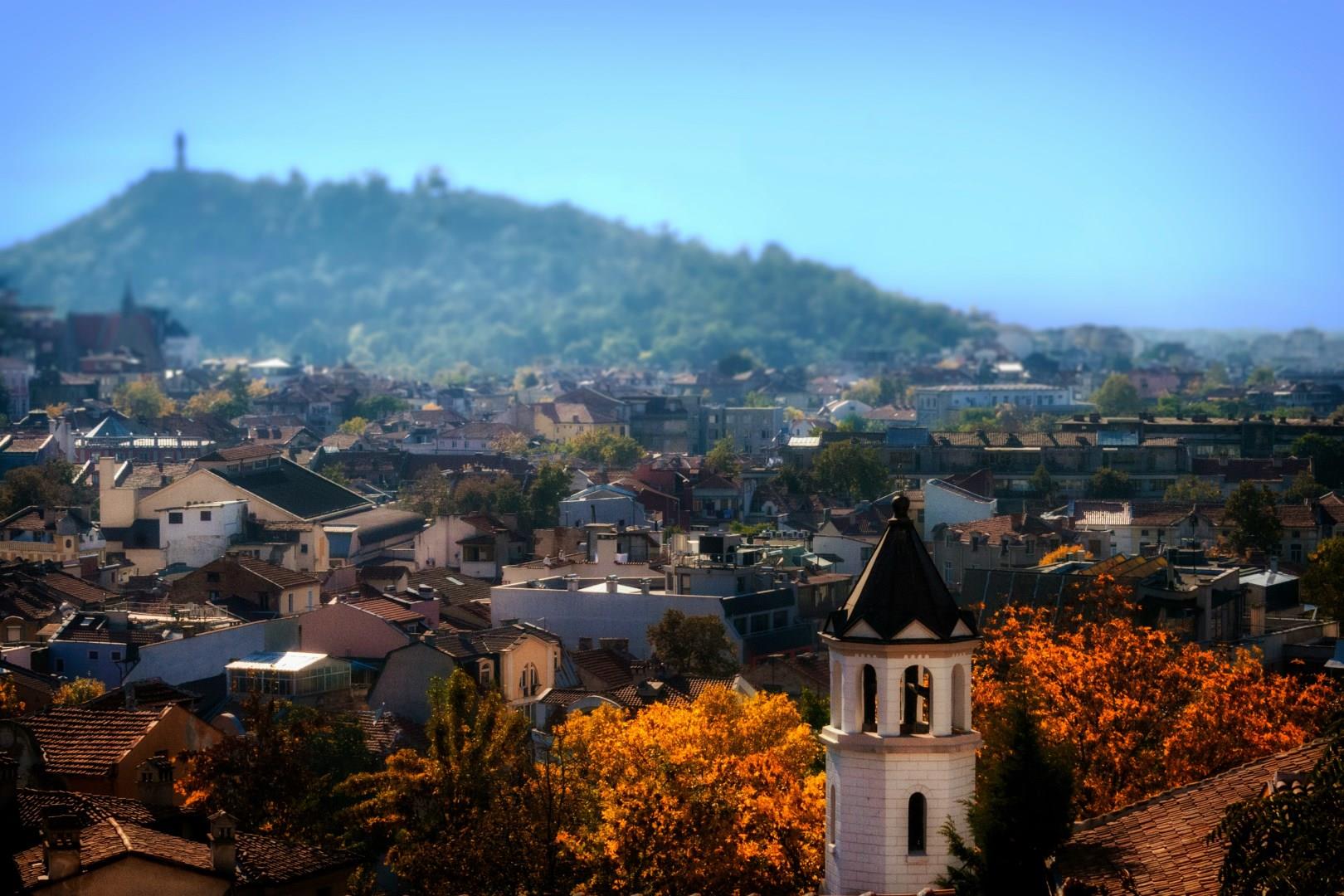
Plovdiv, one of the oldest continuously inhabited cities in Europe, carries over 8,000 years of history layered into its streets. The Roman Theater, still in use today, was discovered by accident in the 1970s and now hosts operas and concerts overlooking the Rhodope Mountains. Nearby, visitors can walk the remains of a Roman stadium buried beneath the main pedestrian street, where modern shops and cafés stand above ancient foundations.
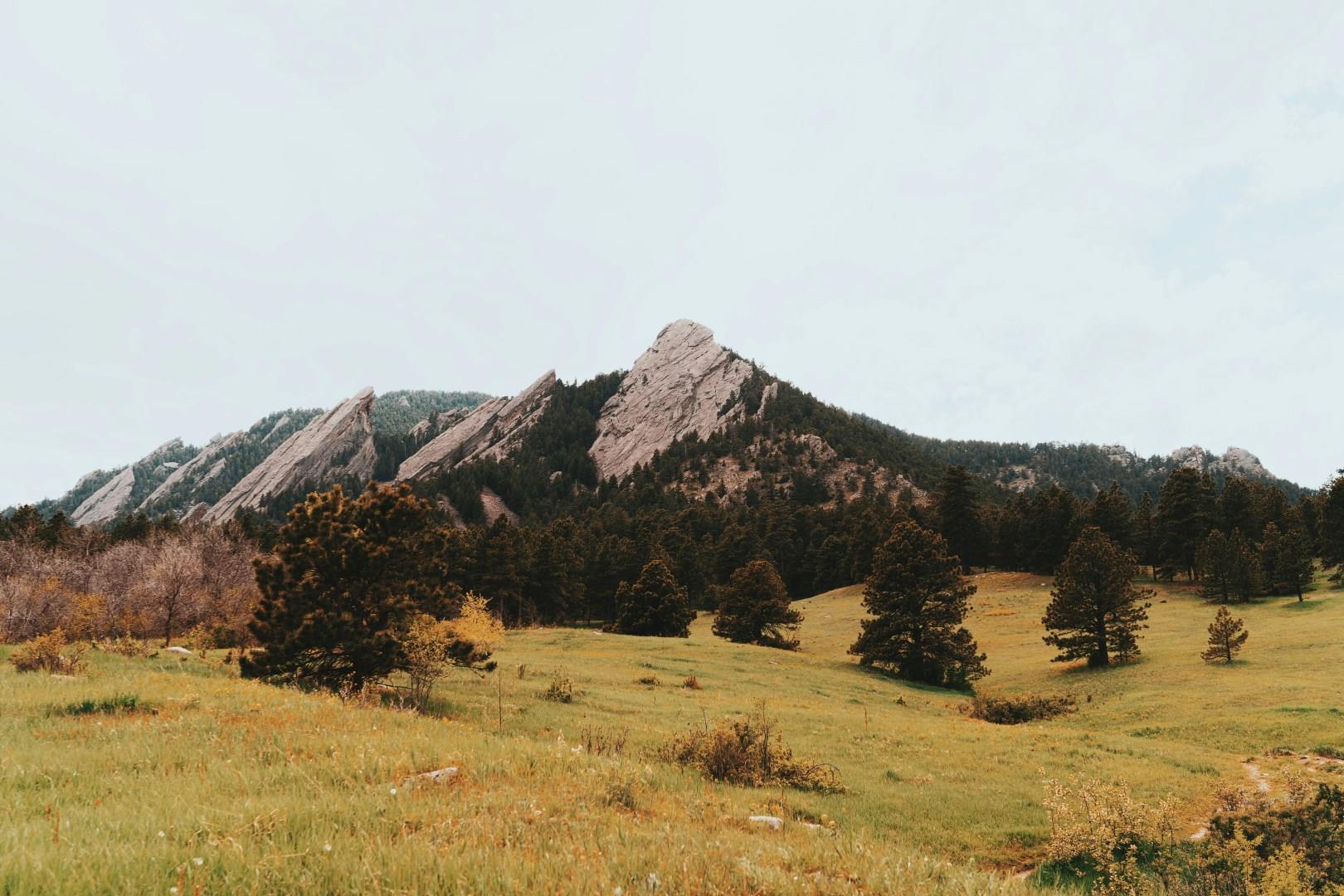
Boulder, a beautiful 2,500 foot high oasis of green lawns and clean trees-shaded streets where the sun shines over 320 days a year, overlooks the Lake Mead National Recreation Area. Recognized as truly a family oriented and community minded city, one only has to visit for a short time to confirm this reputation.
Pécs, Hungary, is a city that seamlessly blends history, culture, and a vibrant modern atmosphere. Nestled at the foot of the Mecsek Mountains in southern Hungary, Pécs boasts a rich heritage that dates back over 2,000 years. Visitors are often captivated by the city’s unique blend of Roman, Ottoman, and Hungarian influences.
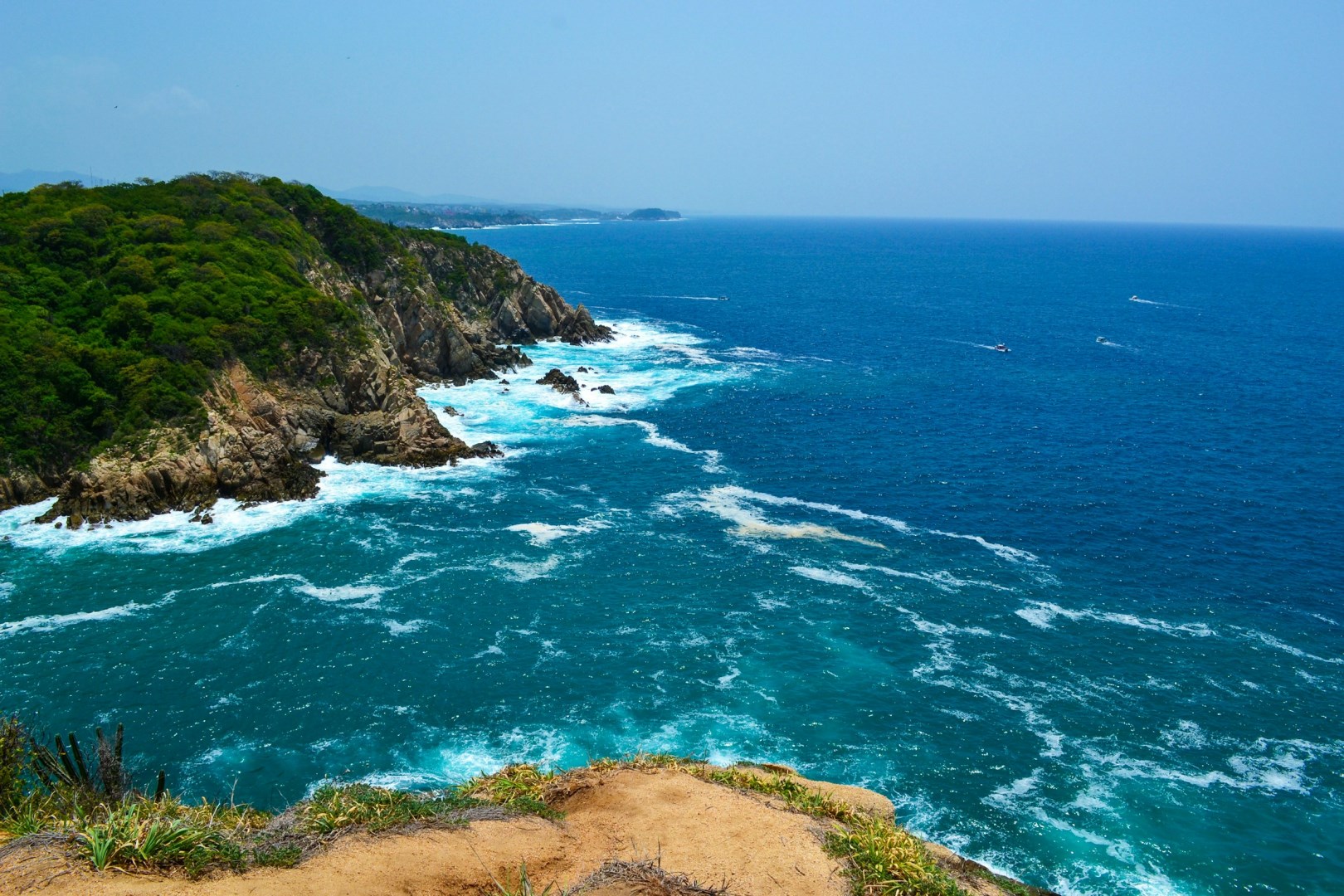
Just a few years ago, Puerto Escondido was a fishing village. Now Puerto Escondido is still remote enough to avoid the crowds of the more established resort areas and a perfect "out of the way" spot for those looking for a great, romantic escape.
Photo Credit: Image by Rolf Dobberstein from Pixabay
Photo Credit: Image by Les Bohlen from Pixabay
Photo Credit: Photo by Bibhash (Polygon.Cafe) Banerjee on Unsplash
Photo Credit: Photo by muthengi mbuvi on Unsplash
Photo Credit: Photo by Brian Kungu on Unsplash
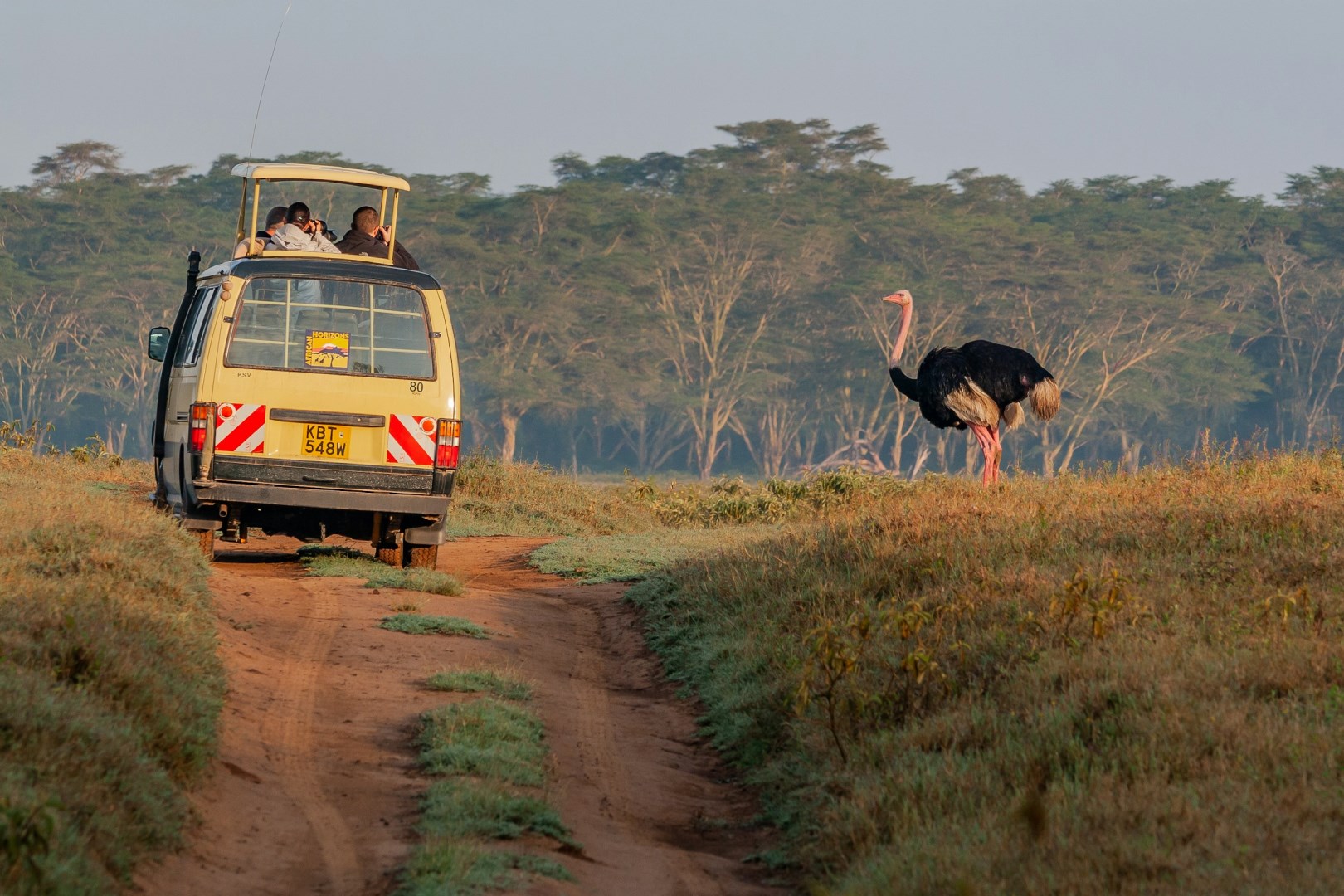
Ostrich
Photo Credit: Photo by Florentina Tilvic on Unsplash
Photo Credit: Photo by Mengyu Xu on Unsplash
Photo Credit: Photo by Bibhash (Polygon.Cafe) Banerjee on Unsplash
Photo Credit: Photo by muthengi mbuvi on Unsplash
Photo Credit: Photo by Wietse Jongsma on Unsplash
Photo Credit: Photo by Moses Sichach on Unsplash
Photo Credit: Photo by Wietse Jongsma on Unsplash
Photo Credit: Photo by lee bernd on Unsplash
Photo Credit: Photo by Brian Kungu on Unsplash
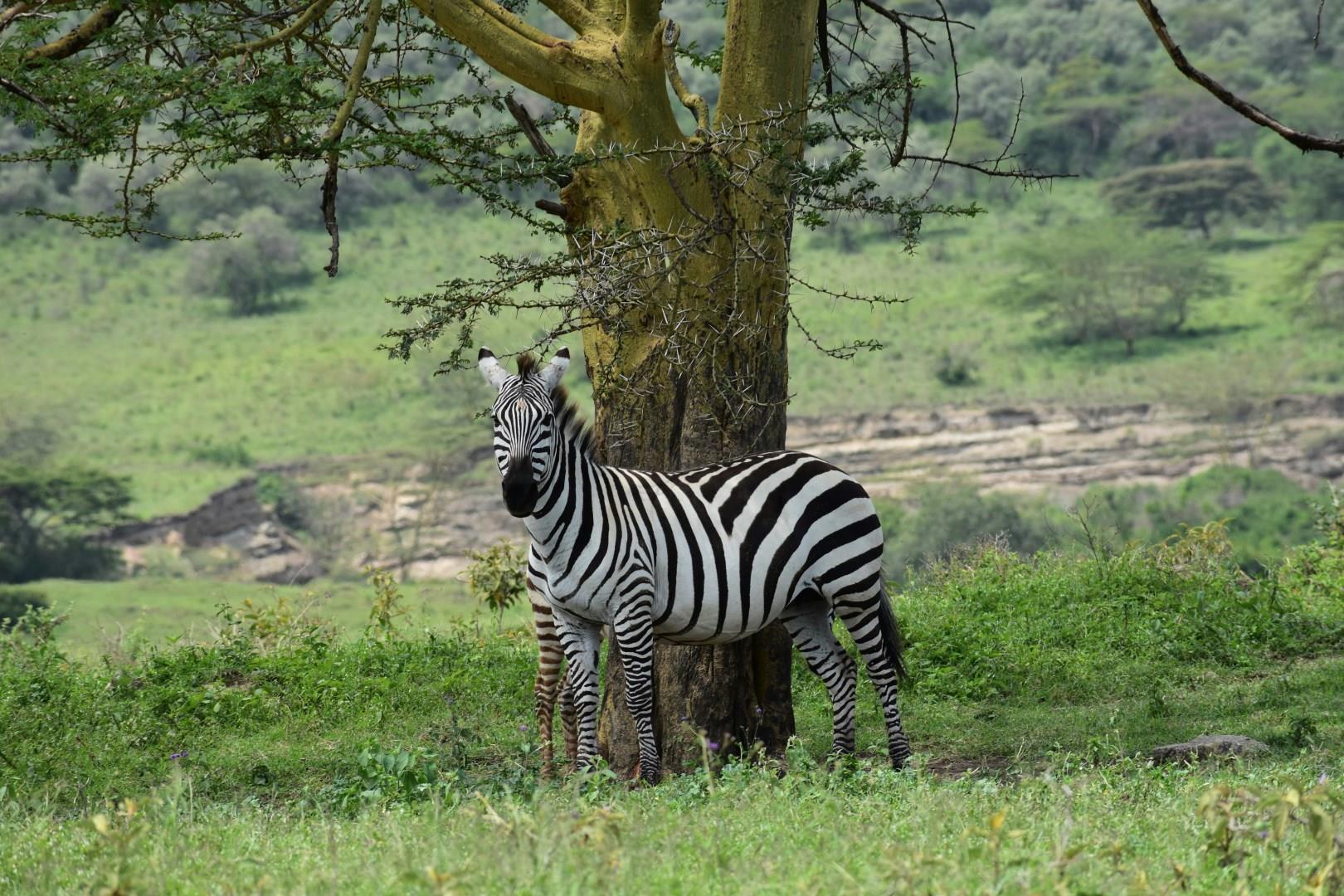
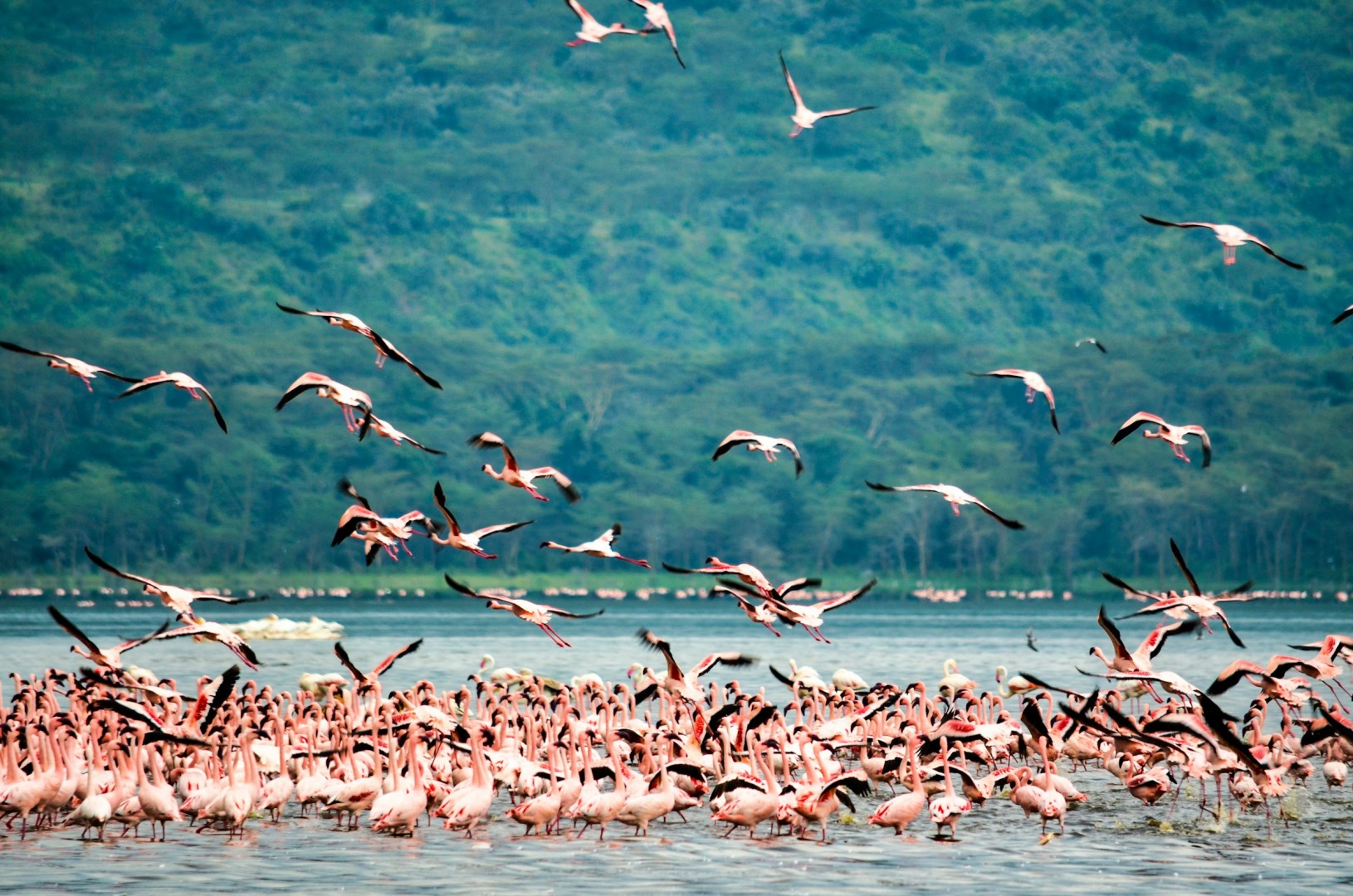
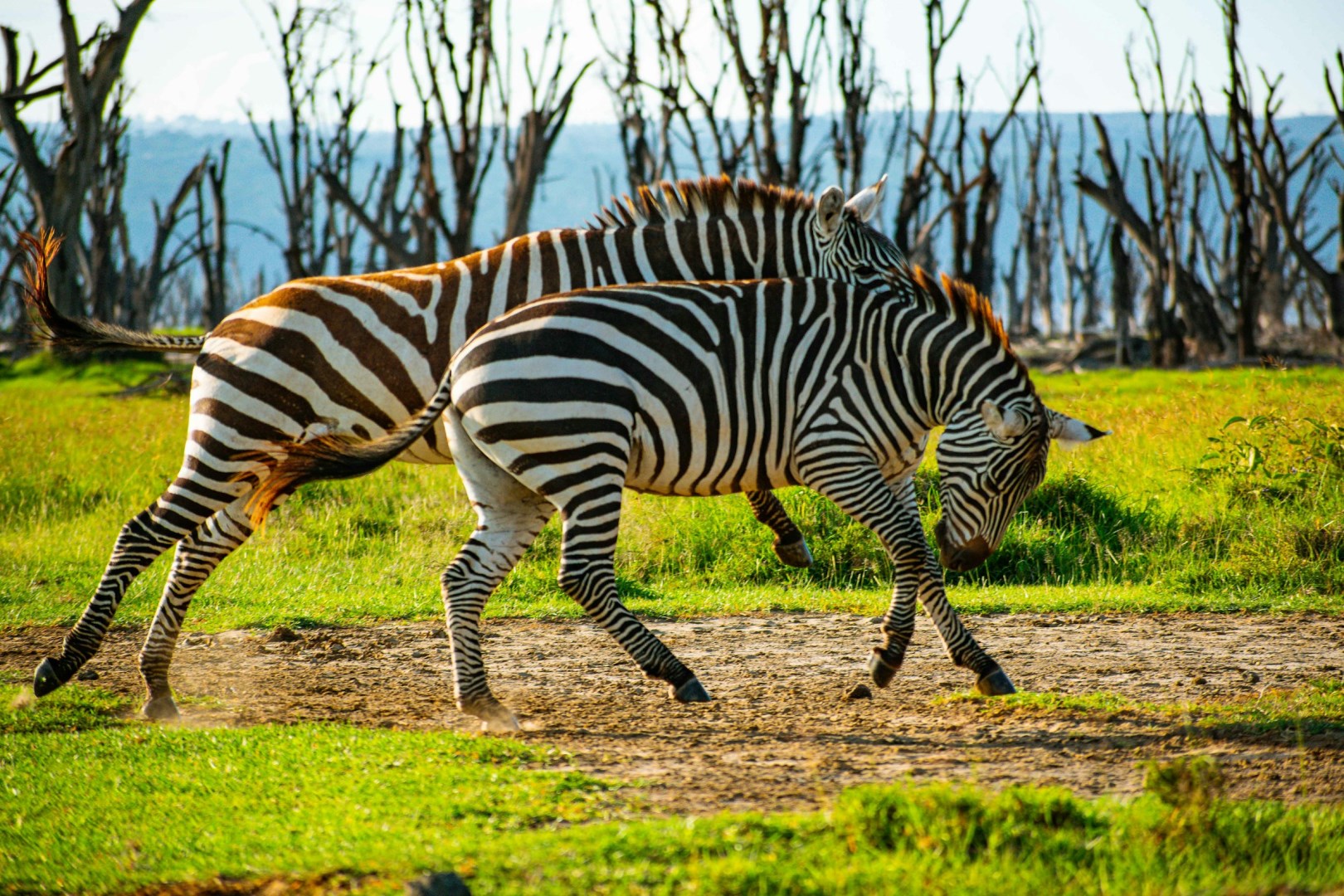
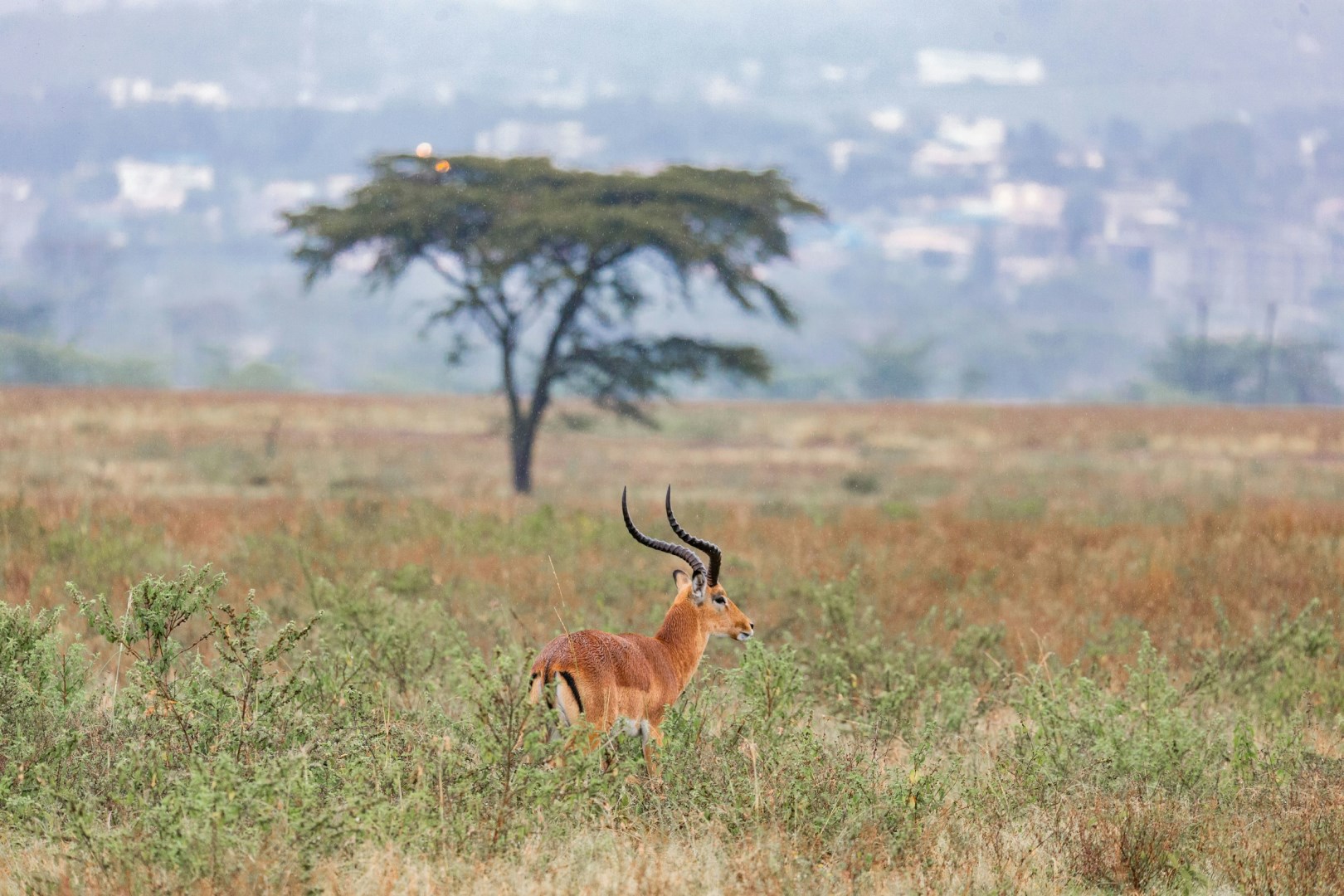
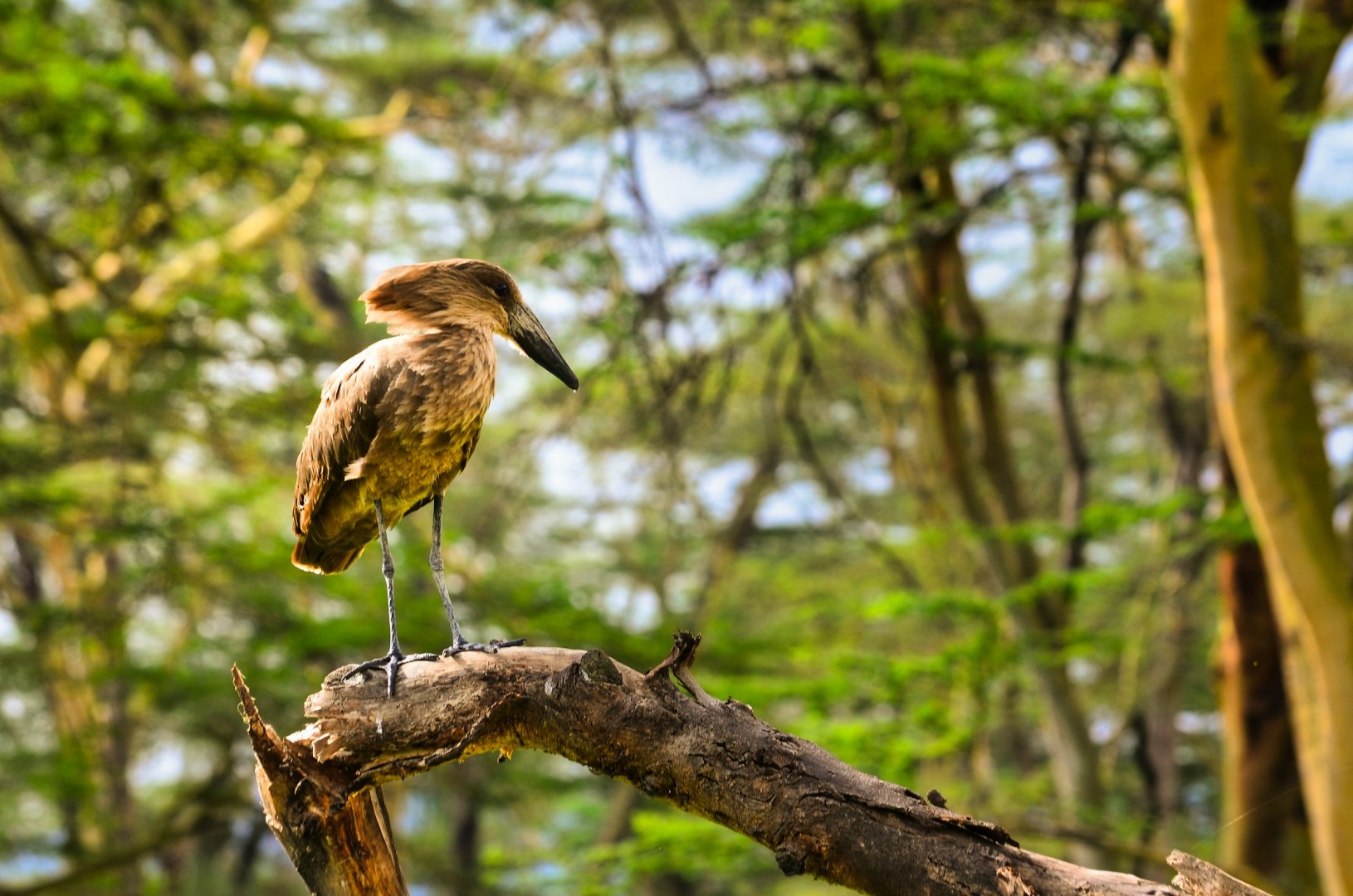
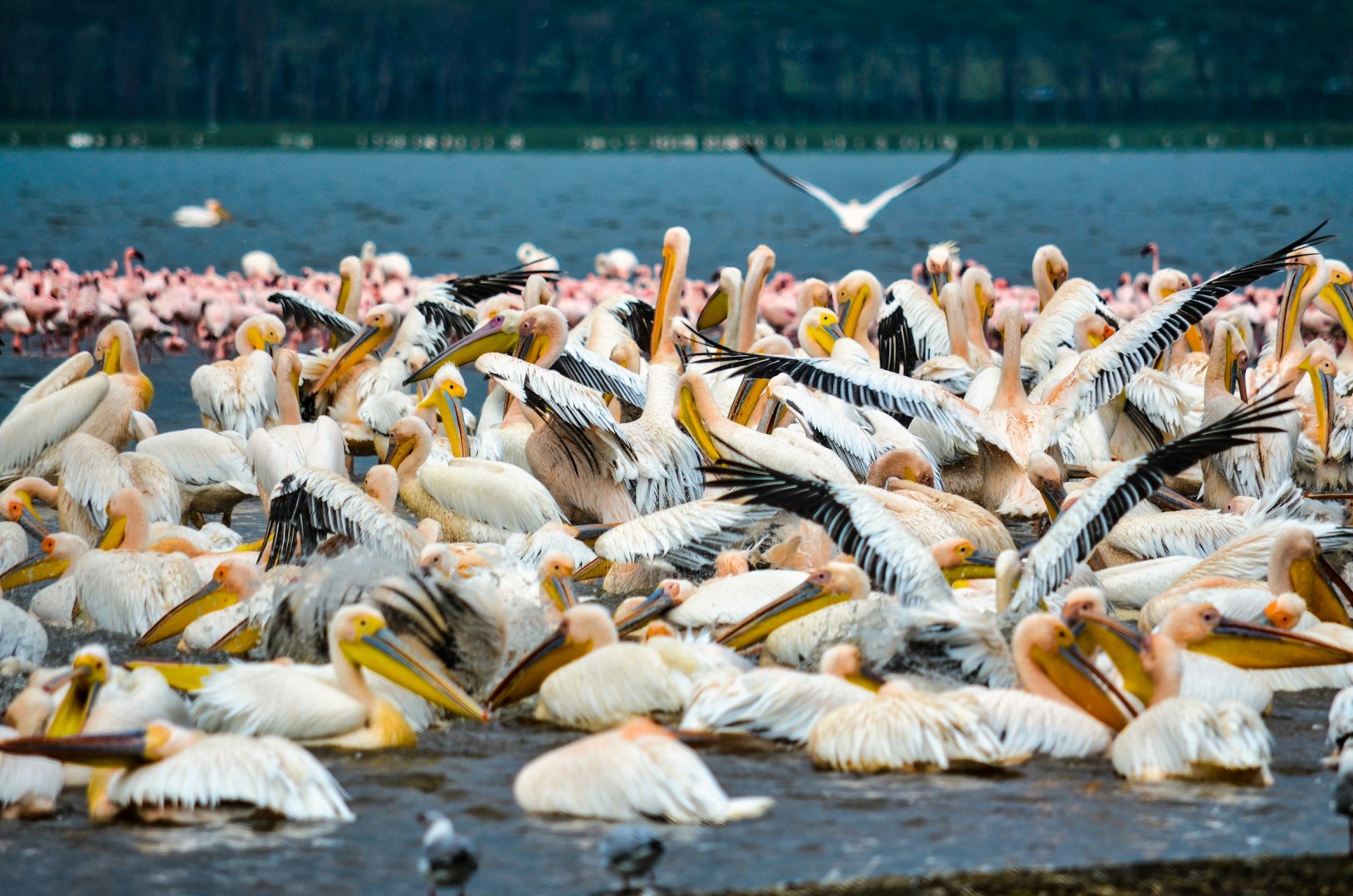
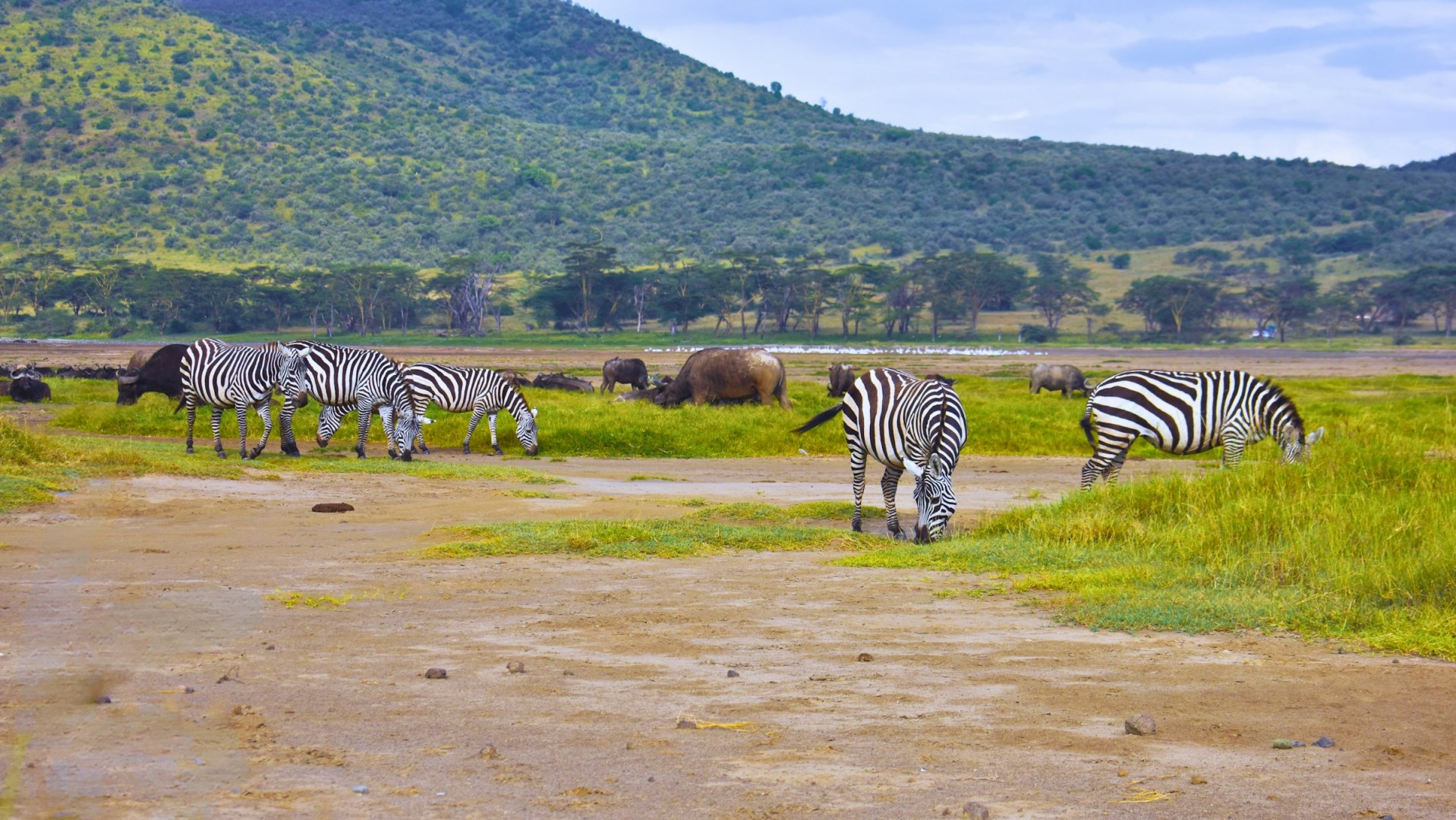
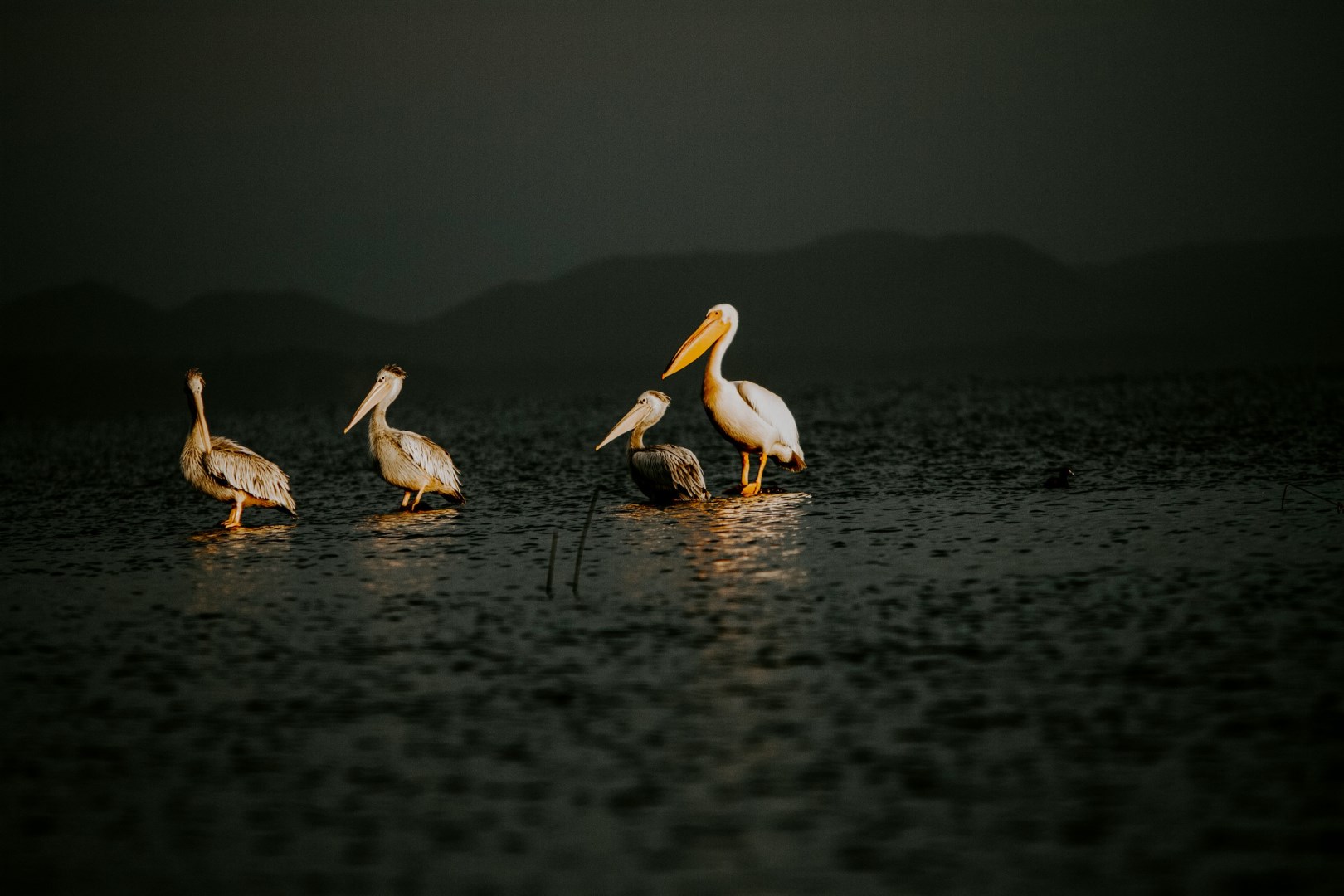
Lake Nakuru National Park is located in the heart of the Great Rift Valley. The Park encompasses the alkaline Lake Nakuru and has earned fame as the greatest bird spectacle in the world. The gathering of hundreds of thousands of greater and lesser pink flamingos. The massive flock of birds color the waters a delicate pink and feed on the abundant algae which thrives in the lake's shallow warm waters.
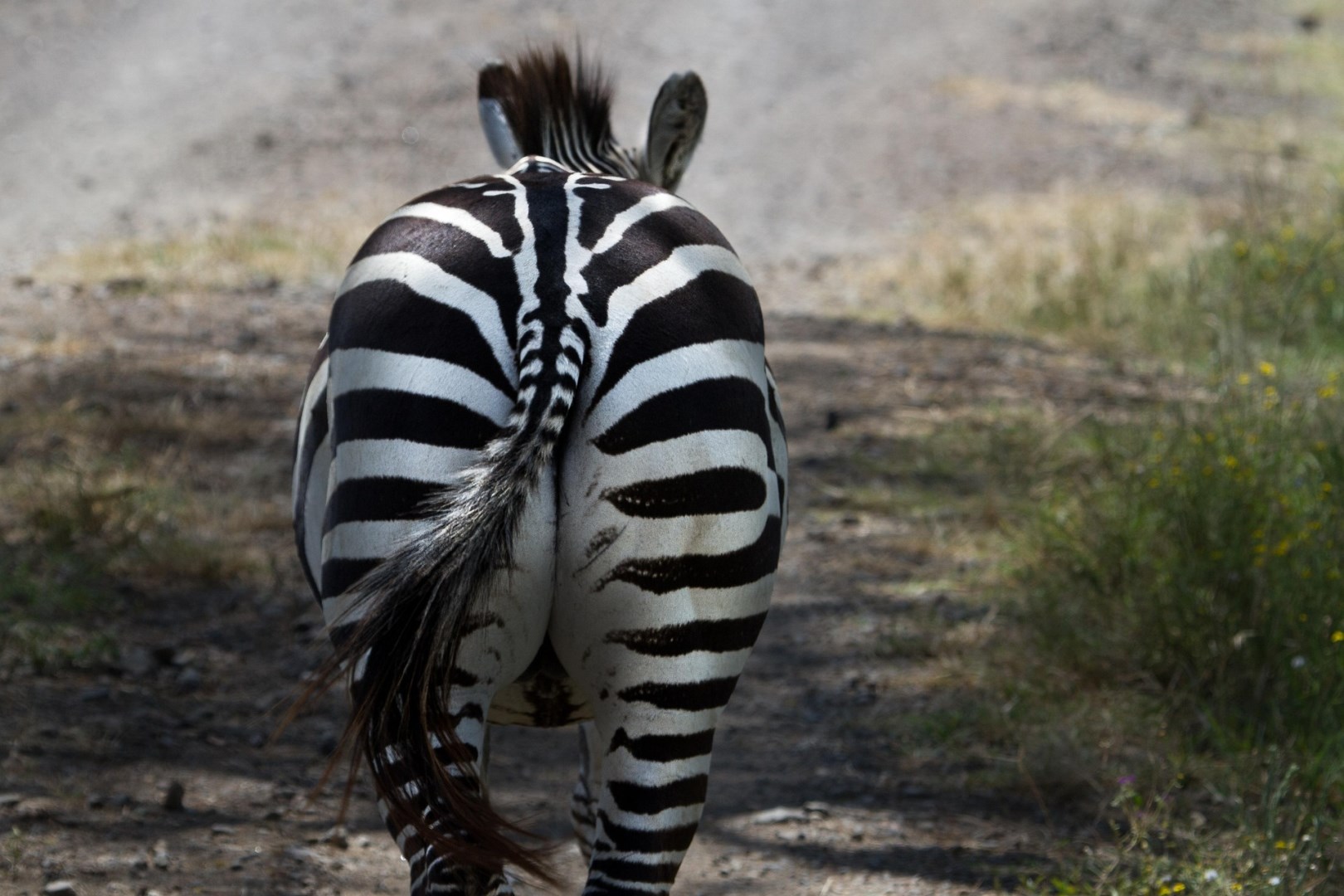
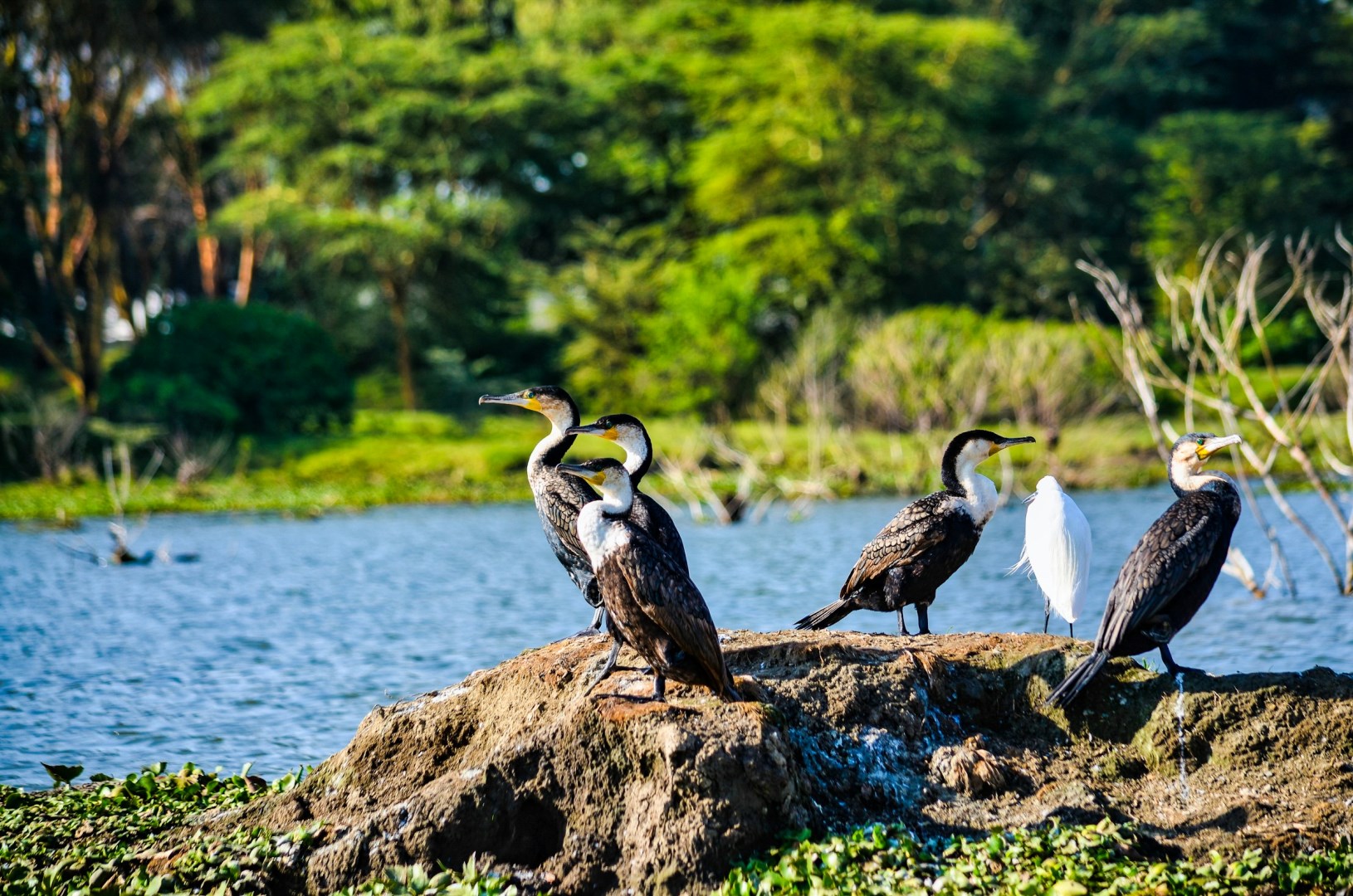
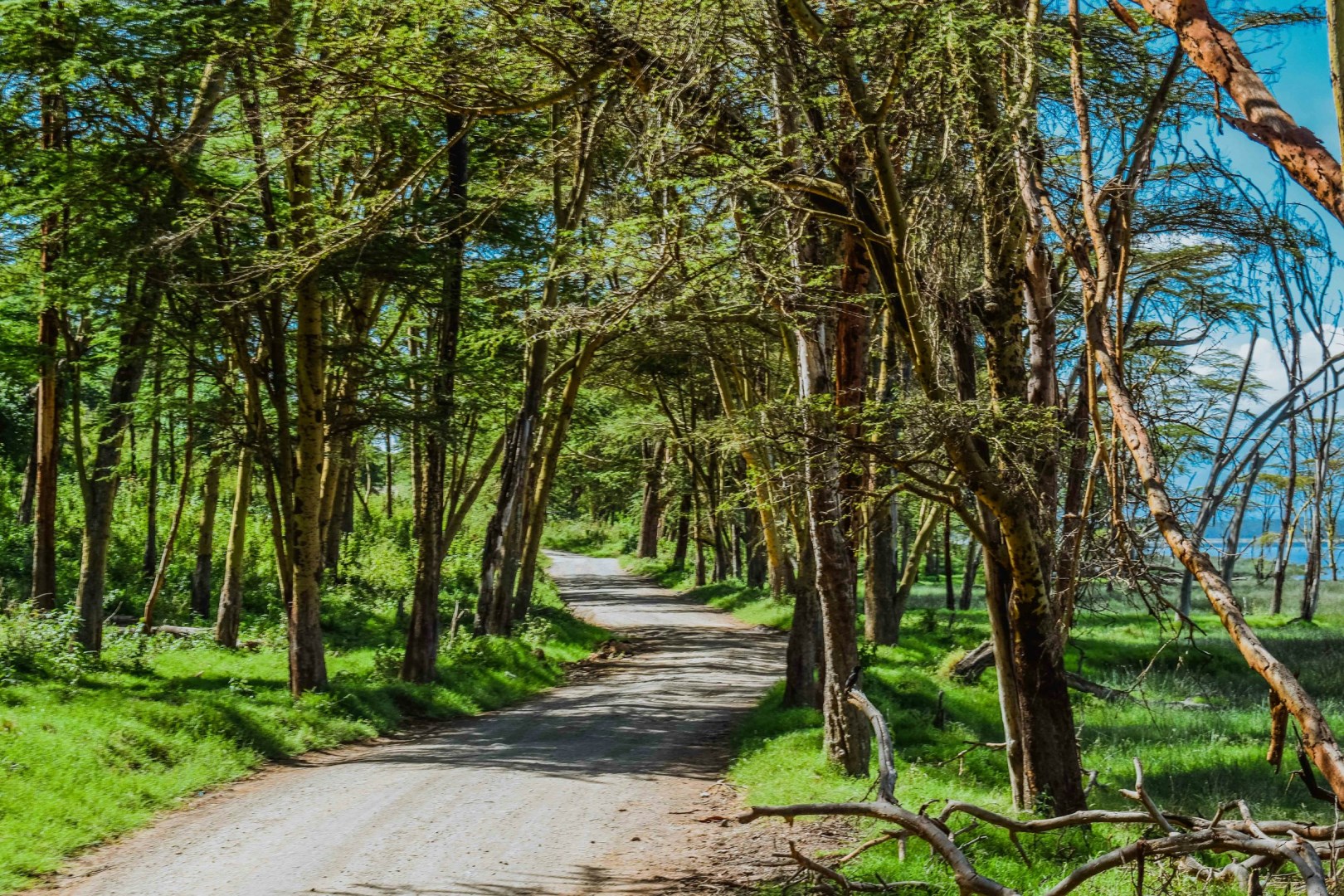
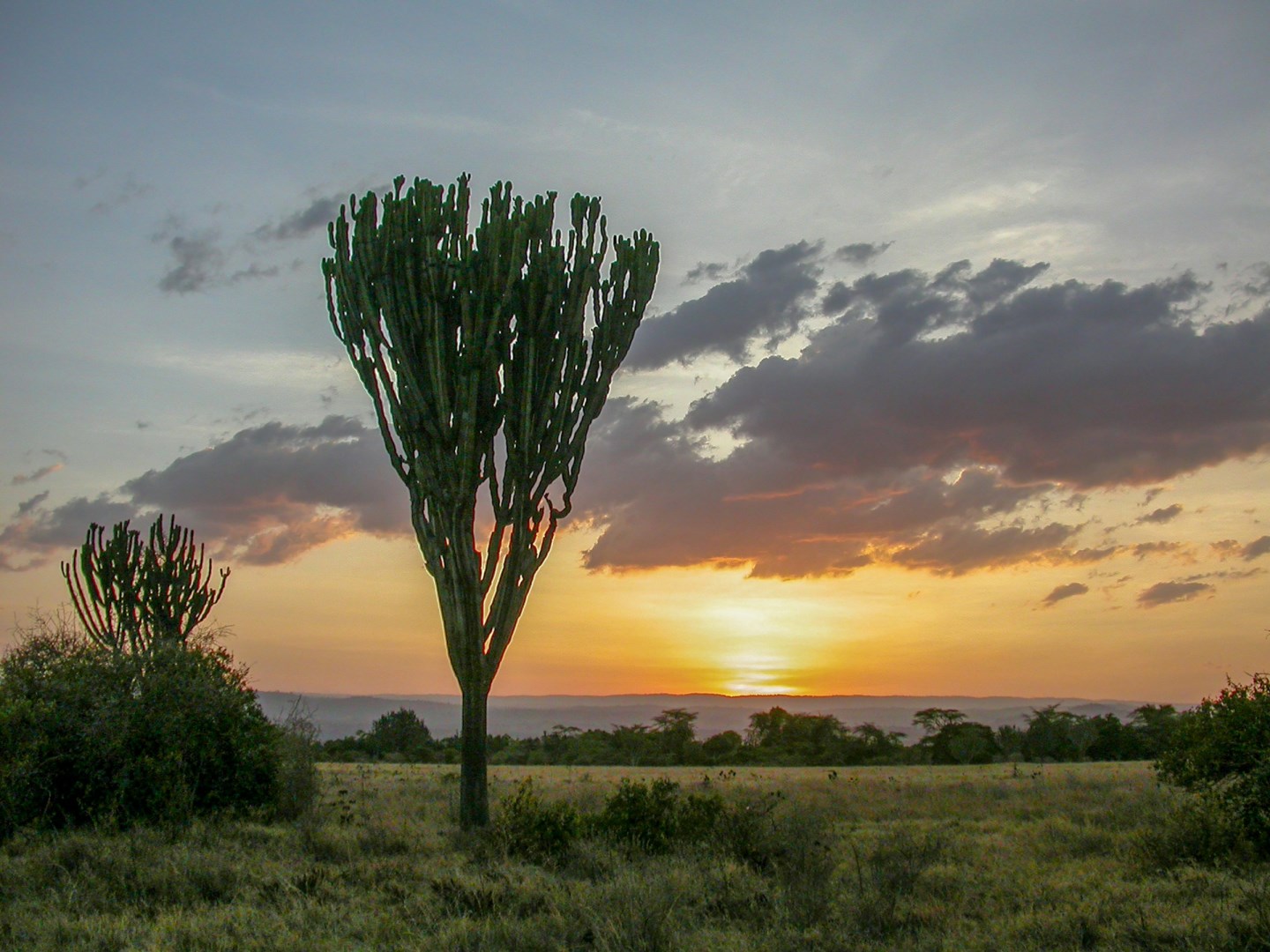
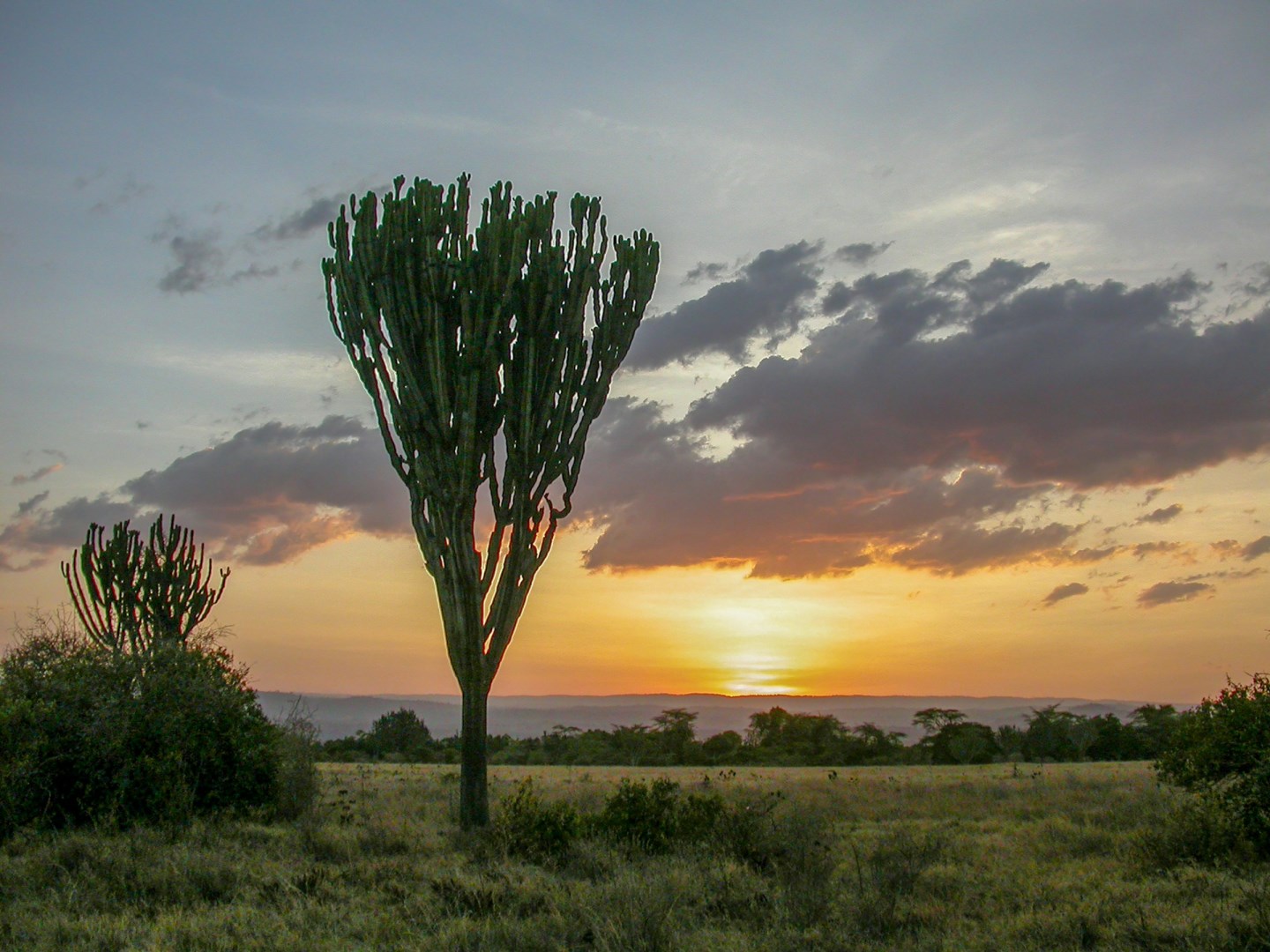
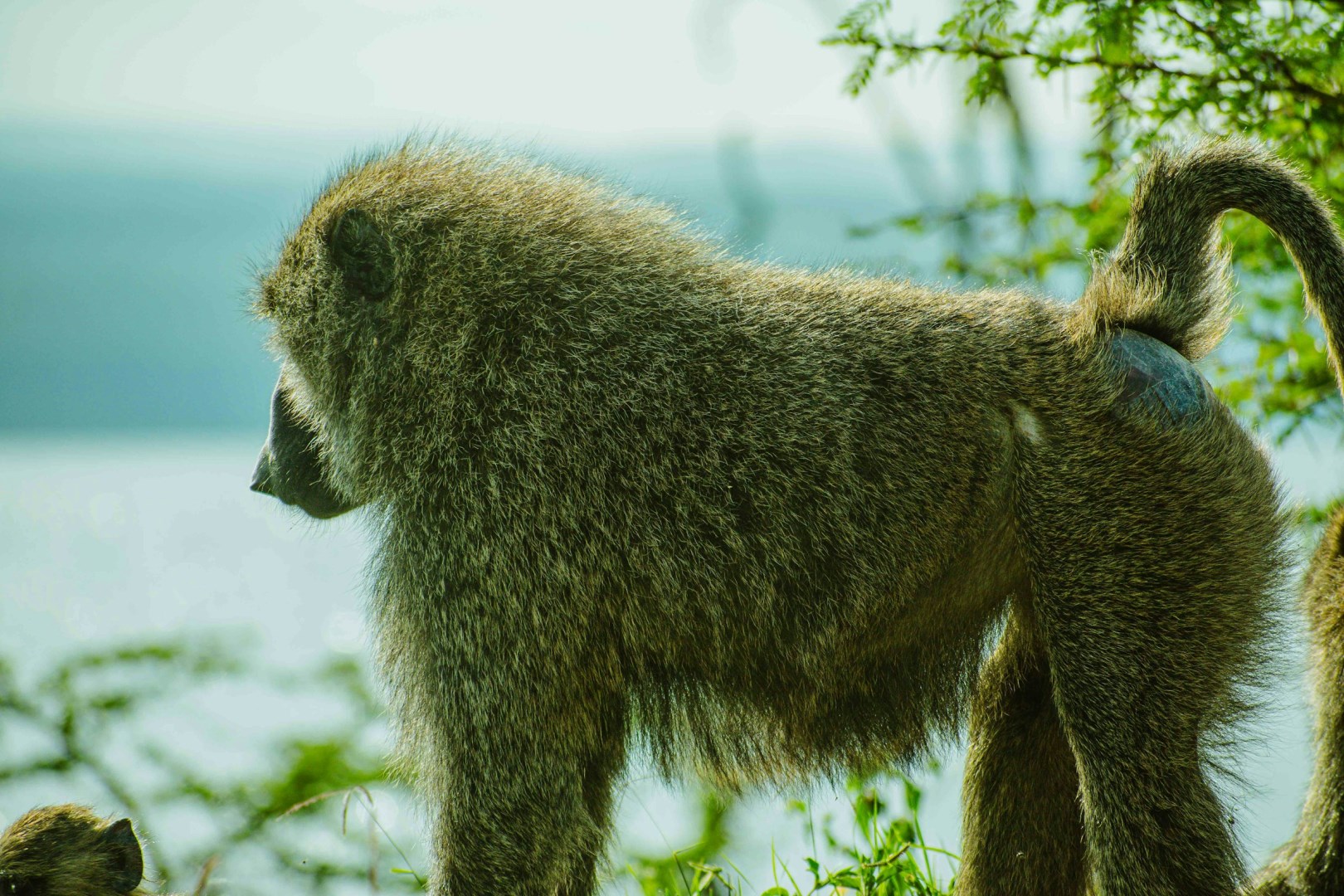
Lake Nakuru is subject to fluctuation in depth and once in every 20 to 30 years it dries up completely, in which case the flamingos and pelican fly over the Managaai crater to the more remote waters of Lake Bogoria. Lake Nakuru National Park covers 78 square miles, most of which is the lake itself. Nakuru has also been declared a black rhino sanctuary and has a number of these endangered animals underguard. Other wildlife found here are leopards, buffalo, Rothschild's giraffes, waterbucks, reedbucks, hippos, baboons, pelicans, and cormorants. The acacia savannah which surrounds the lake is itself beautiful and provides an area particuarly delightful for game viewing.
Other Popular Destinations in Kenya
Nairobi
Nairobi, the capital of Kenya, is a vibrant city where modern energy meets untamed nature. Known as the “Green City in the Sun,” it blends bustling urban life with remarkable wildlife experiences.

Maasai Mara National Reserve
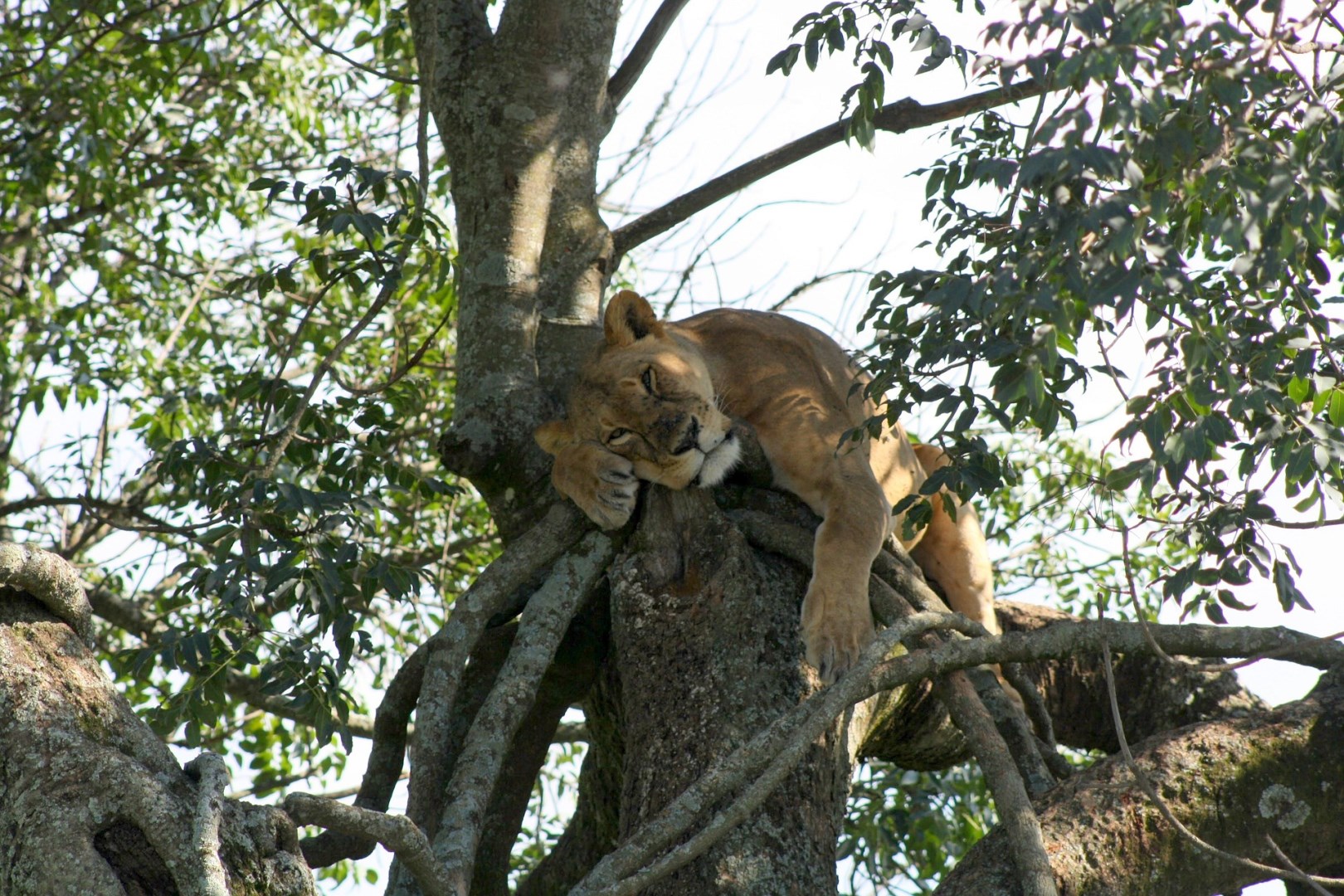
Masai Mara is a renowned wildlife region in southwestern Kenya, known for its broad grasslands, seasonal rivers, and high concentration of large mammals. The reserve forms part of the greater Mara-Serengeti ecosystem, allowing wildlife to move across a much larger landscape beyond the protected area itself. Lions, cheetahs, leopards, elephants, buffaloes, giraffes, and numerous antelope species are commonly associated with the region.