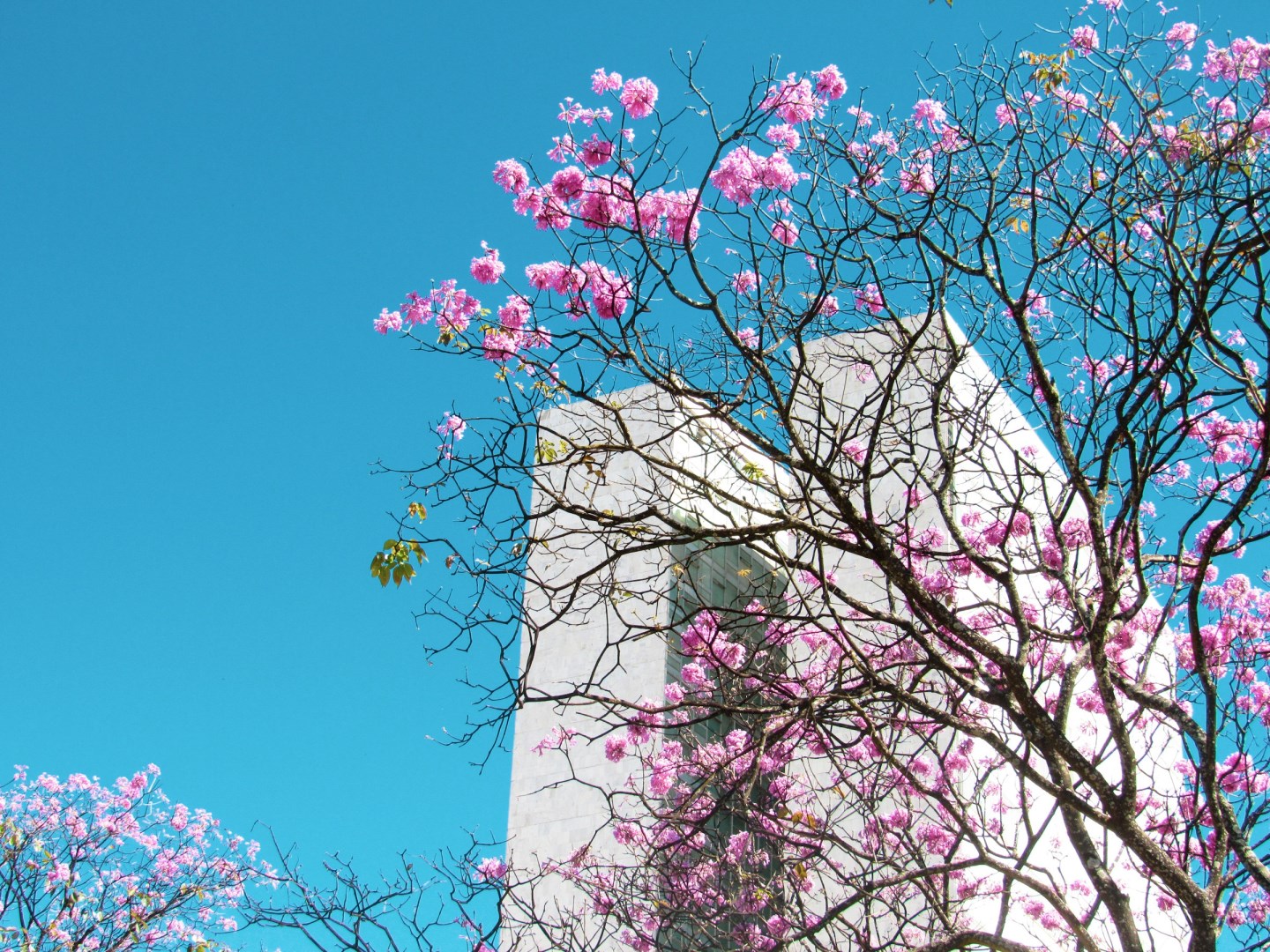
Brasília may be a World Heritage Site, but it is only of interest to town planning and architecture students, and those keen to witness the folly of man on a metropolitan scale. It must have looked good on paper, and still looks good in photos, but in the flesh, forget it. Designed by architect Oscar Niemeyer, urban planner Lucio Costa, and landscape architect Burle Marx, the city was built in an incredible three years between 1957 and 1960.
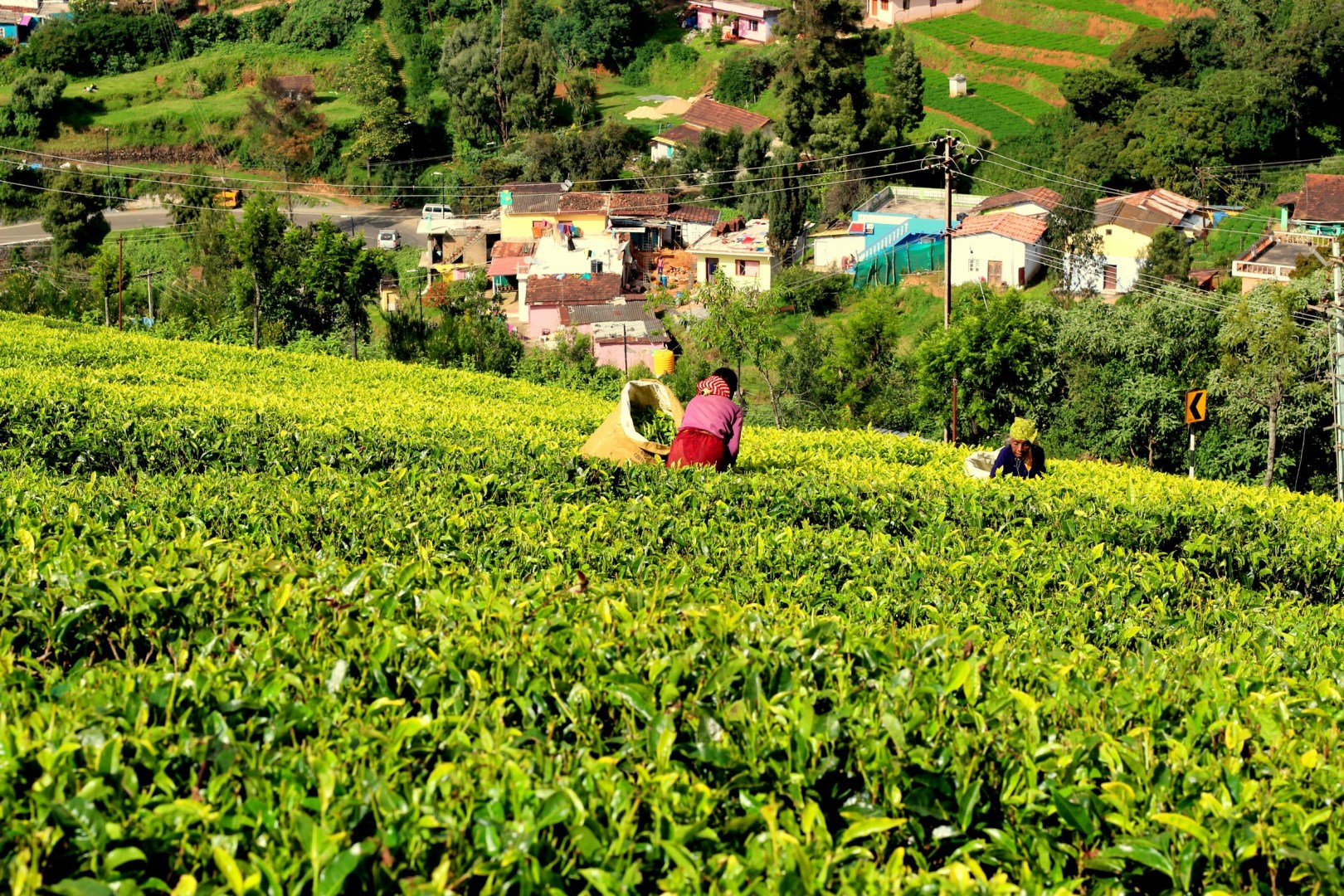
Ooty, officially known as Udhagamandalam, is a hill town in Tamil Nadu’s Nilgiri Hills, surrounded by tea estates, eucalyptus-covered slopes, shola vegetation, and rolling mountain scenery. Sitting at more than 2,000 metres above sea level, it has a notably cooler climate than the plains of southern India. The town developed as an important hill settlement and remains the main urban centre of the Nilgiris.
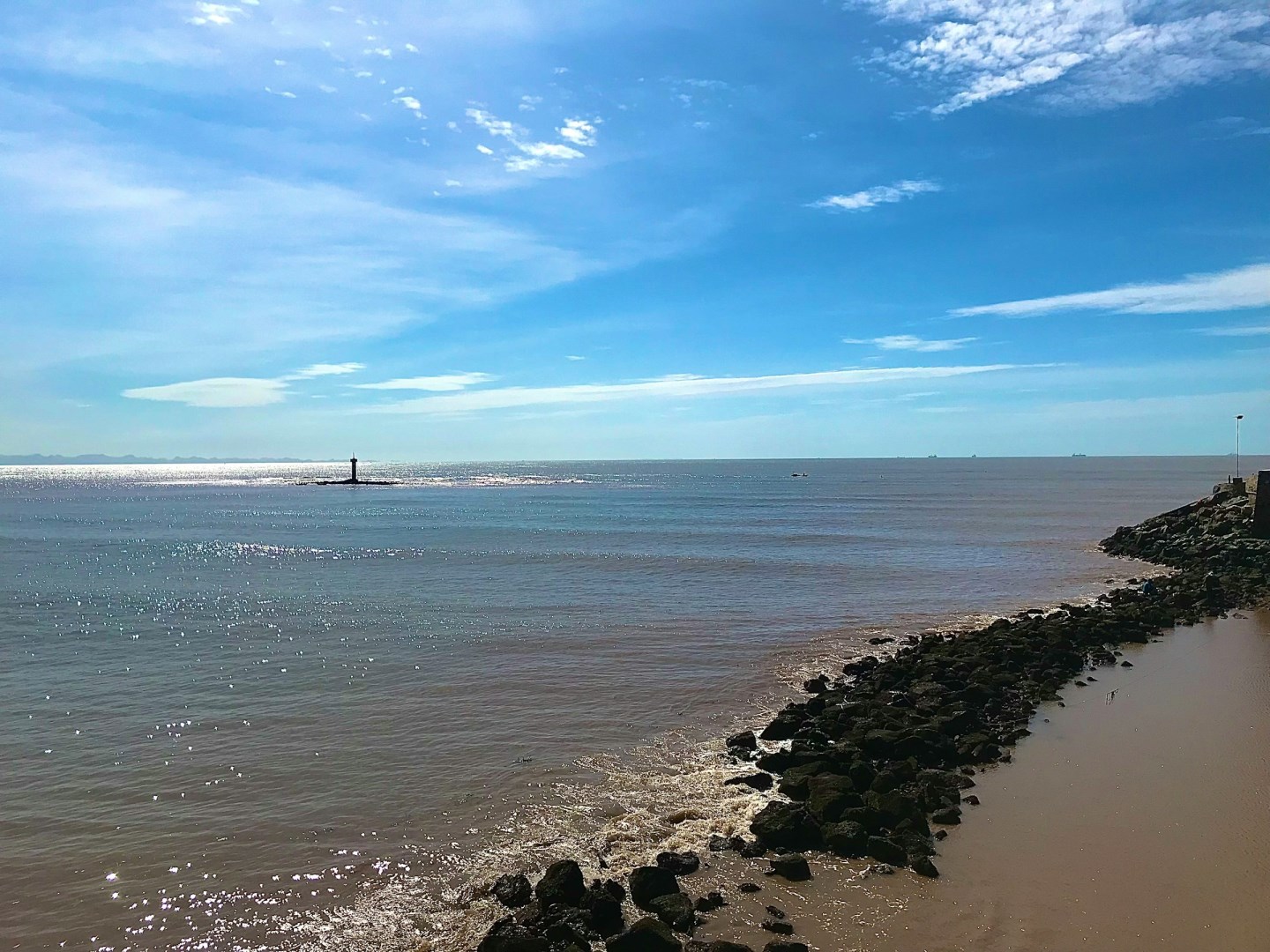
An exotic world, shimmering in lacquer light, lies just beyond the harbor. This Haiphong, gateway to the Vietnamese capital of Hanoi. Have a cyclo take you to town in the morning, just as markets come alive. You can also see the Du Hang Pagoda, a fine example of the country's traditional architecture, and the Hang Kenh House, famed for its intricate wood carvings.
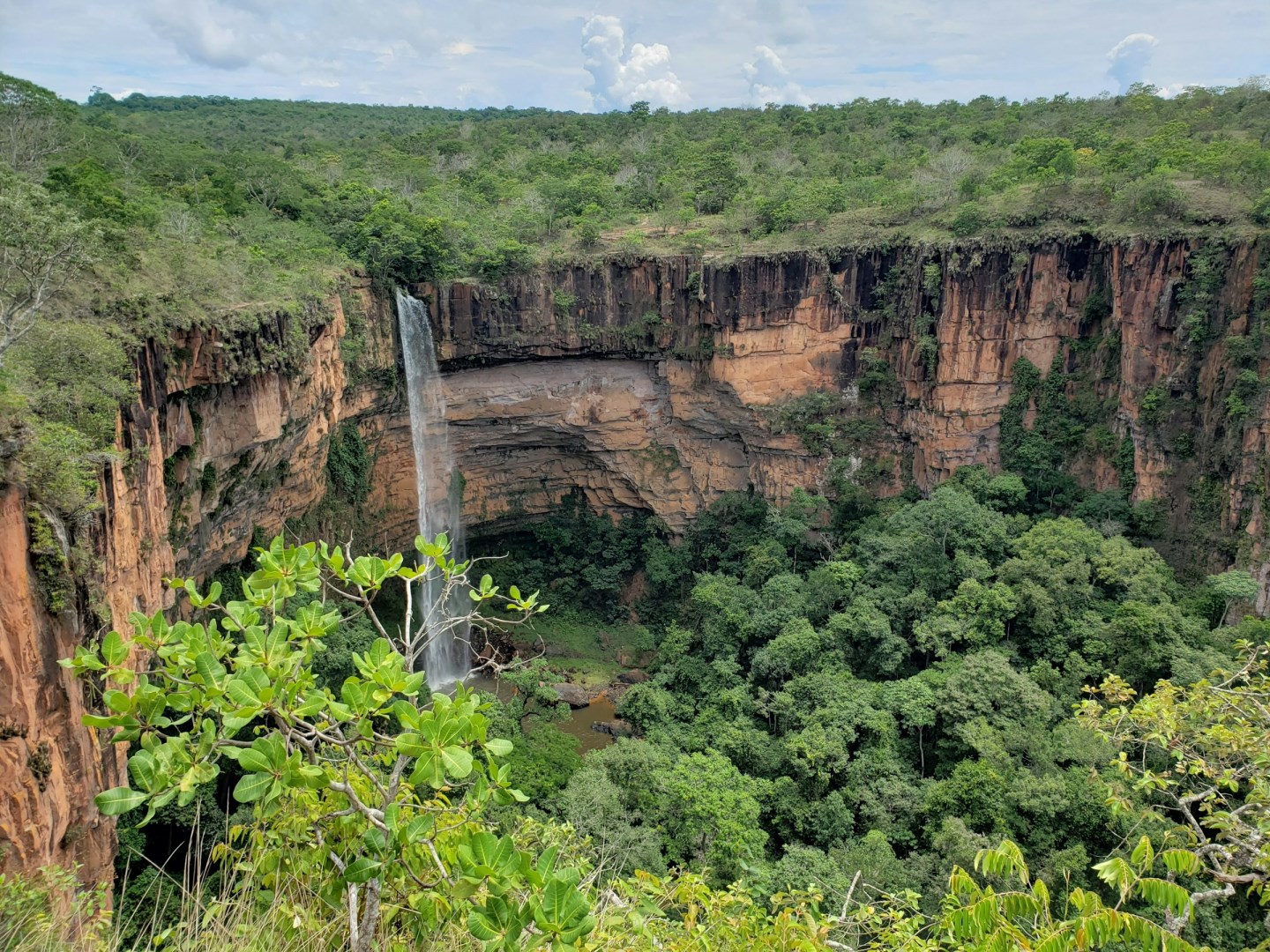
Cuiabá is the capital of Mato Grosso in central-western Brazil and an important gateway to the Pantanal, Chapada dos Guimarães, and other natural areas of the state. The city developed around gold mining and later became an important regional center along the Cuiabá River. Its historic center contains colonial churches, traditional houses, and public squares, while newer districts extend well beyond the old city.
Photo Credit: Image by Rolf Dobberstein from Pixabay
Photo Credit: Image by Les Bohlen from Pixabay
Photo Credit: Photo by Bibhash (Polygon.Cafe) Banerjee on Unsplash
Photo Credit: Photo by muthengi mbuvi on Unsplash
Photo Credit: Photo by Brian Kungu on Unsplash
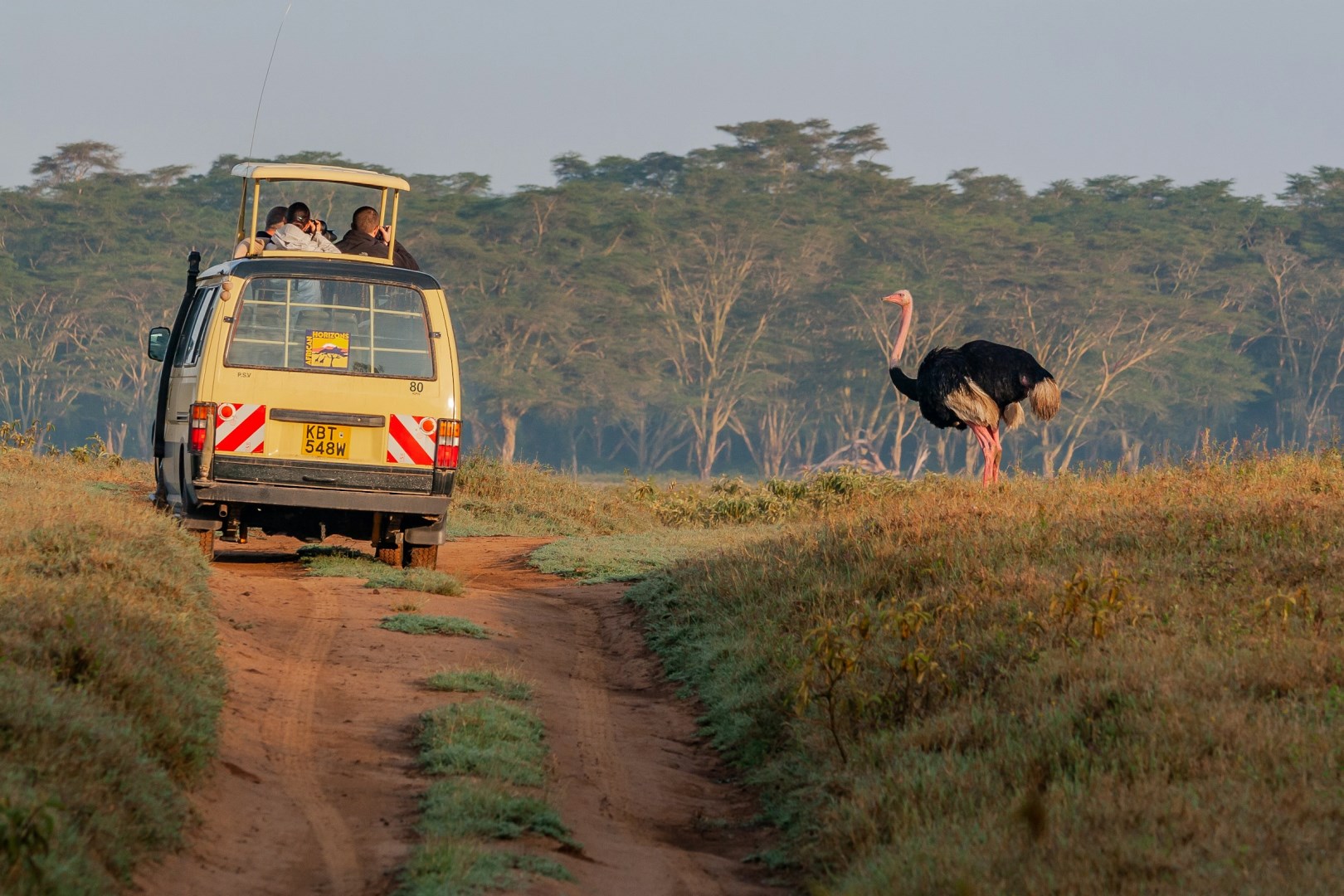
Ostrich
Photo Credit: Photo by Florentina Tilvic on Unsplash
Photo Credit: Photo by Mengyu Xu on Unsplash
Photo Credit: Photo by Bibhash (Polygon.Cafe) Banerjee on Unsplash
Photo Credit: Photo by muthengi mbuvi on Unsplash
Photo Credit: Photo by Wietse Jongsma on Unsplash
Photo Credit: Photo by Moses Sichach on Unsplash
Photo Credit: Photo by Wietse Jongsma on Unsplash
Photo Credit: Photo by lee bernd on Unsplash
Photo Credit: Photo by Brian Kungu on Unsplash
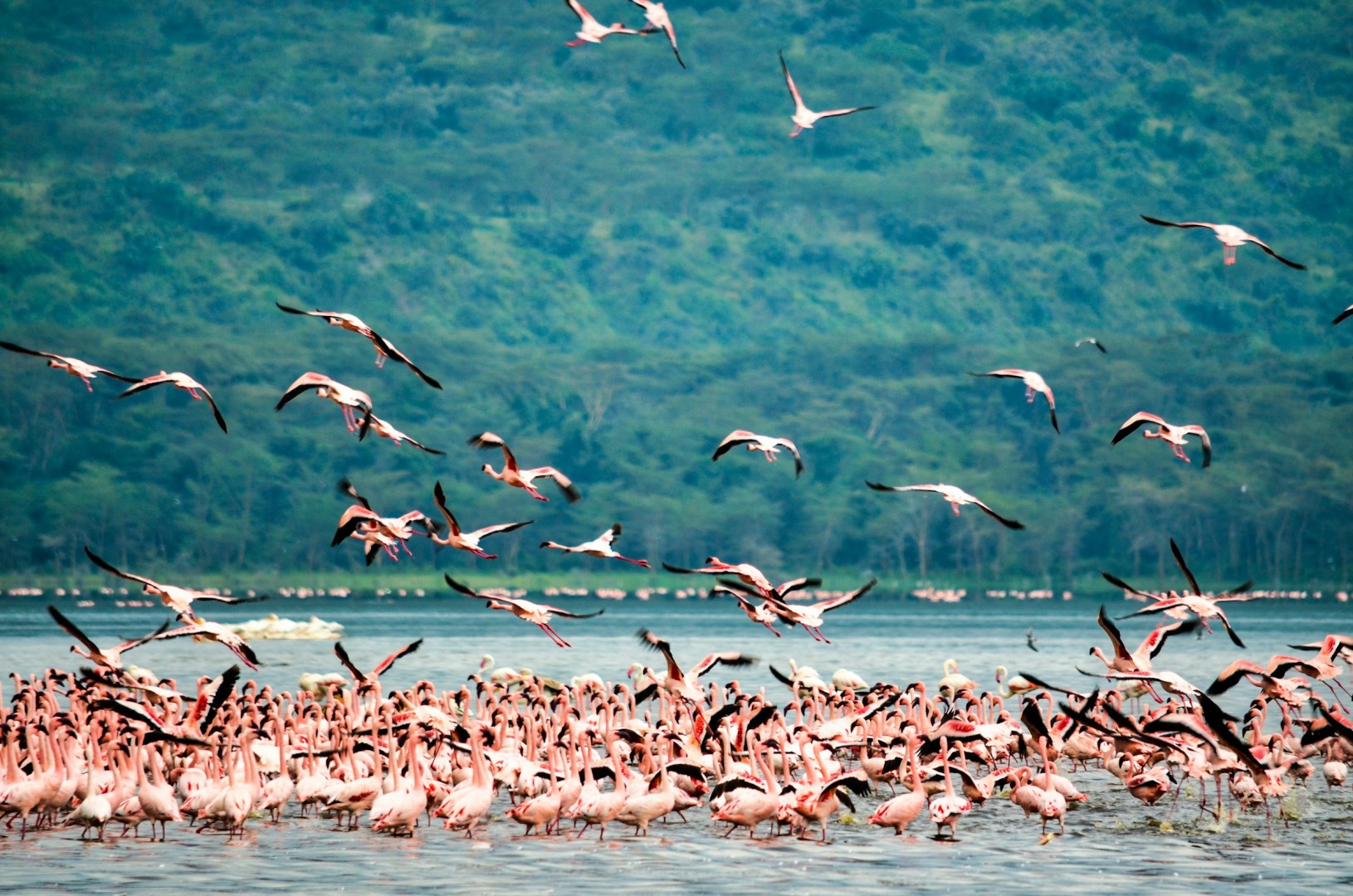
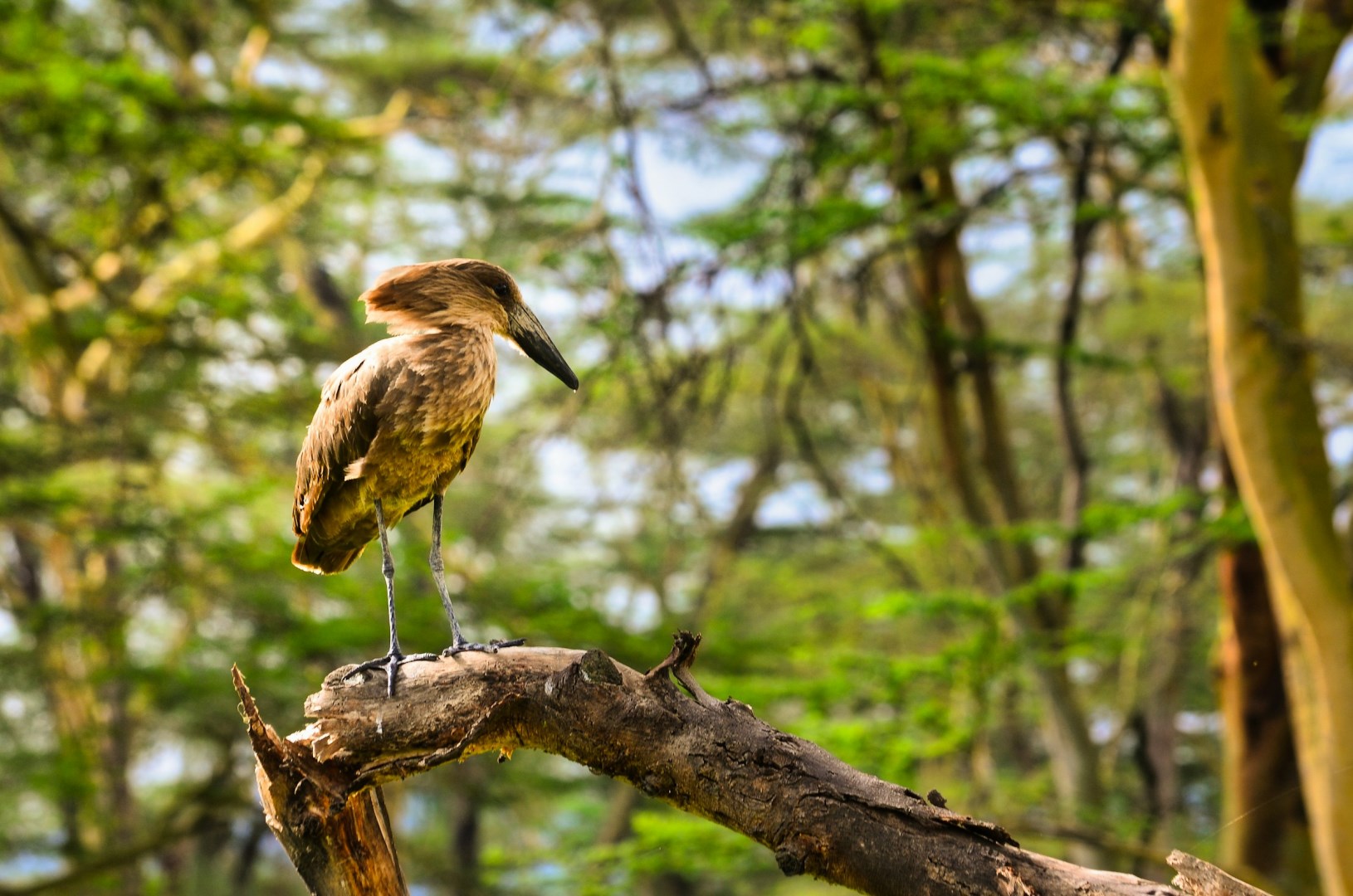
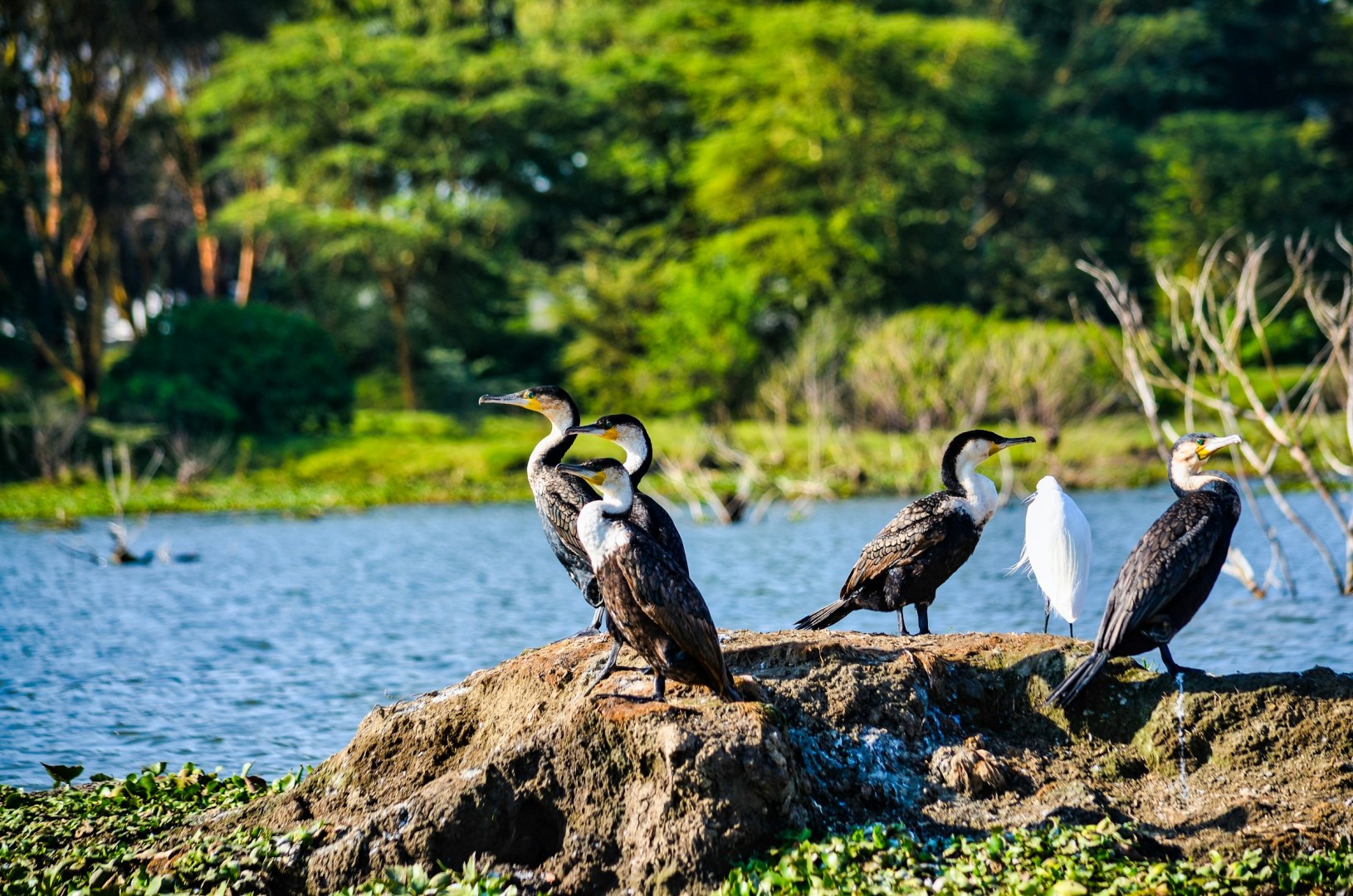
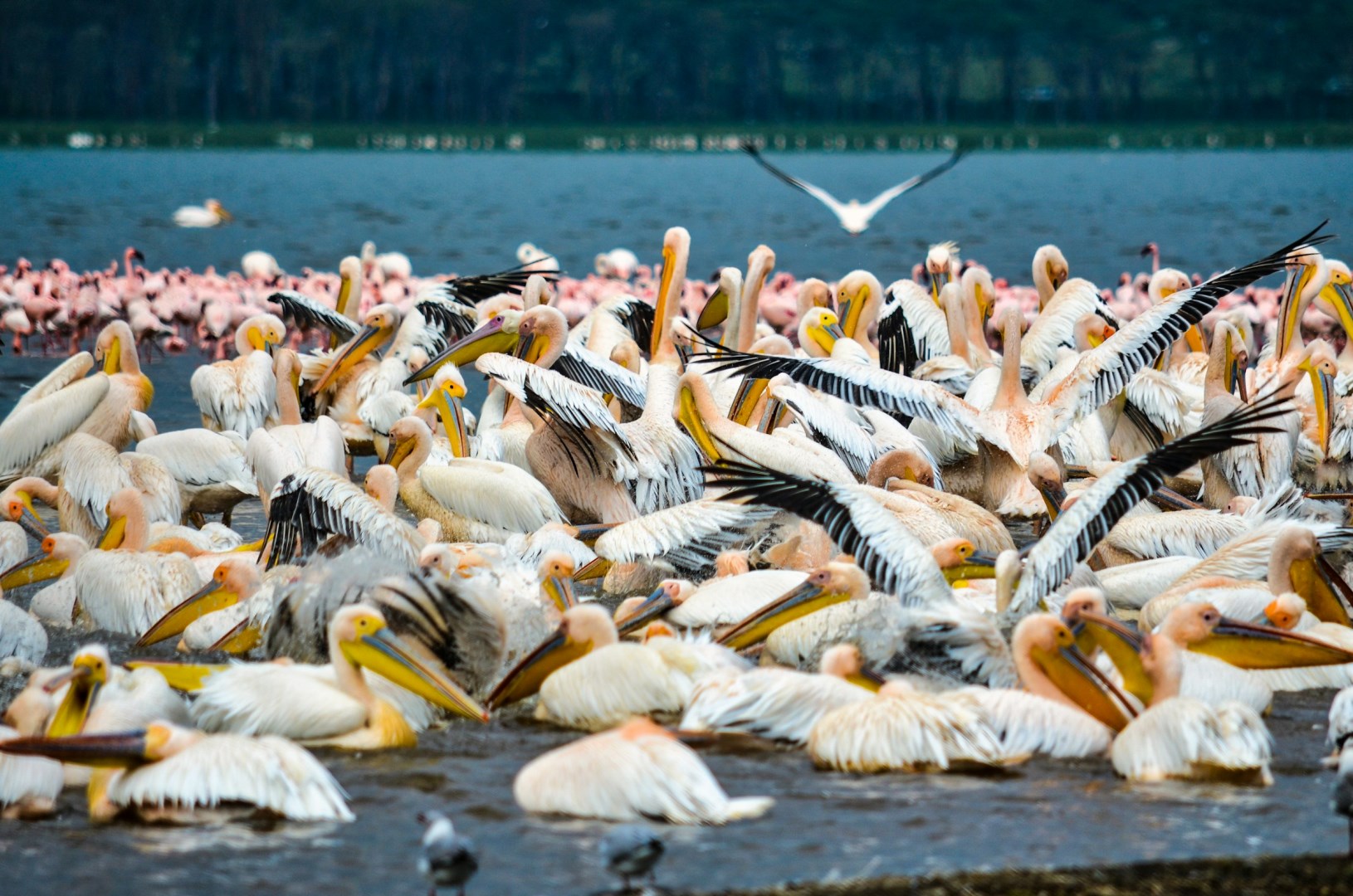
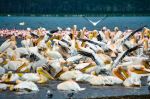
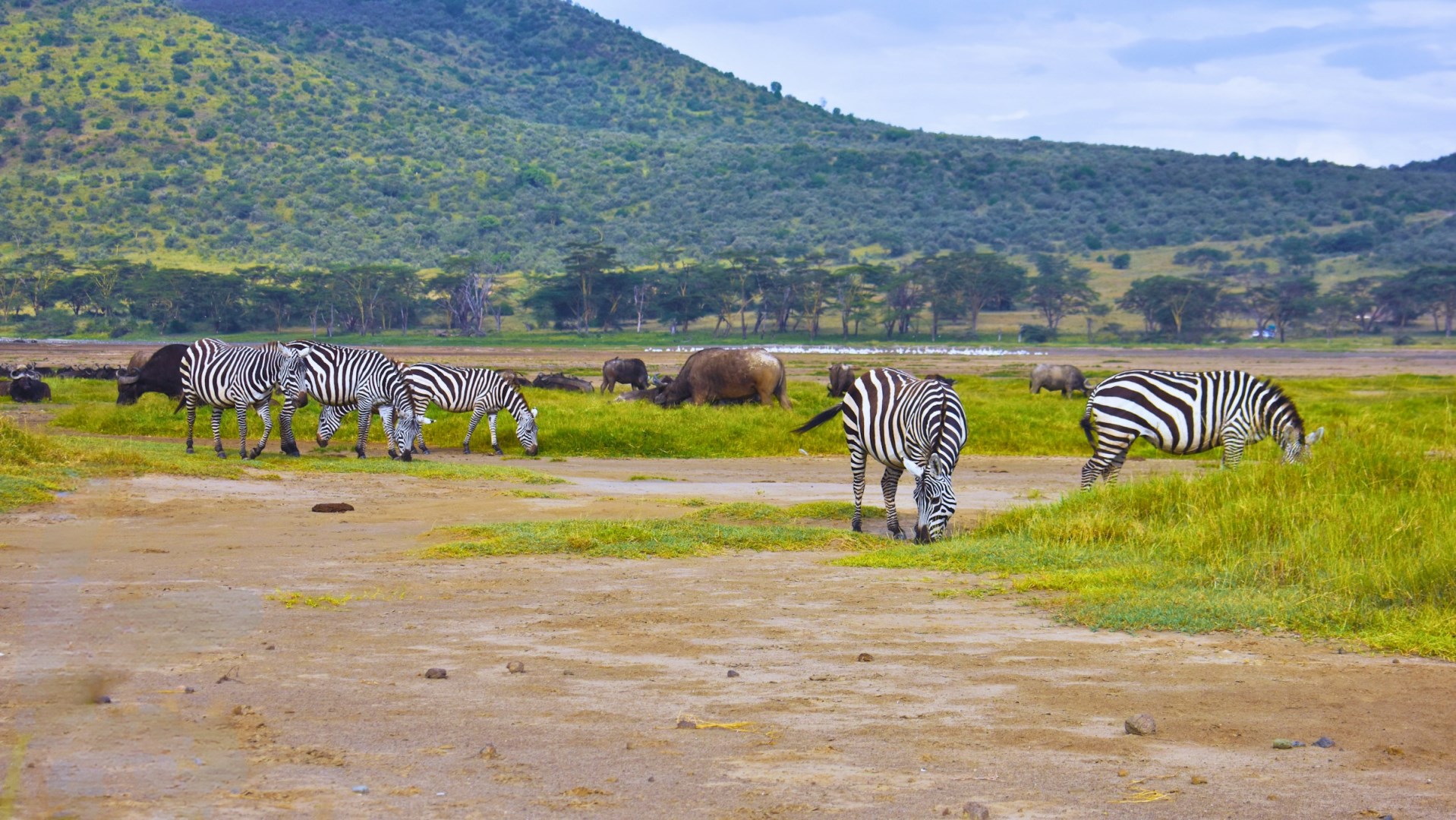
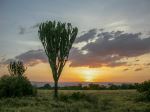
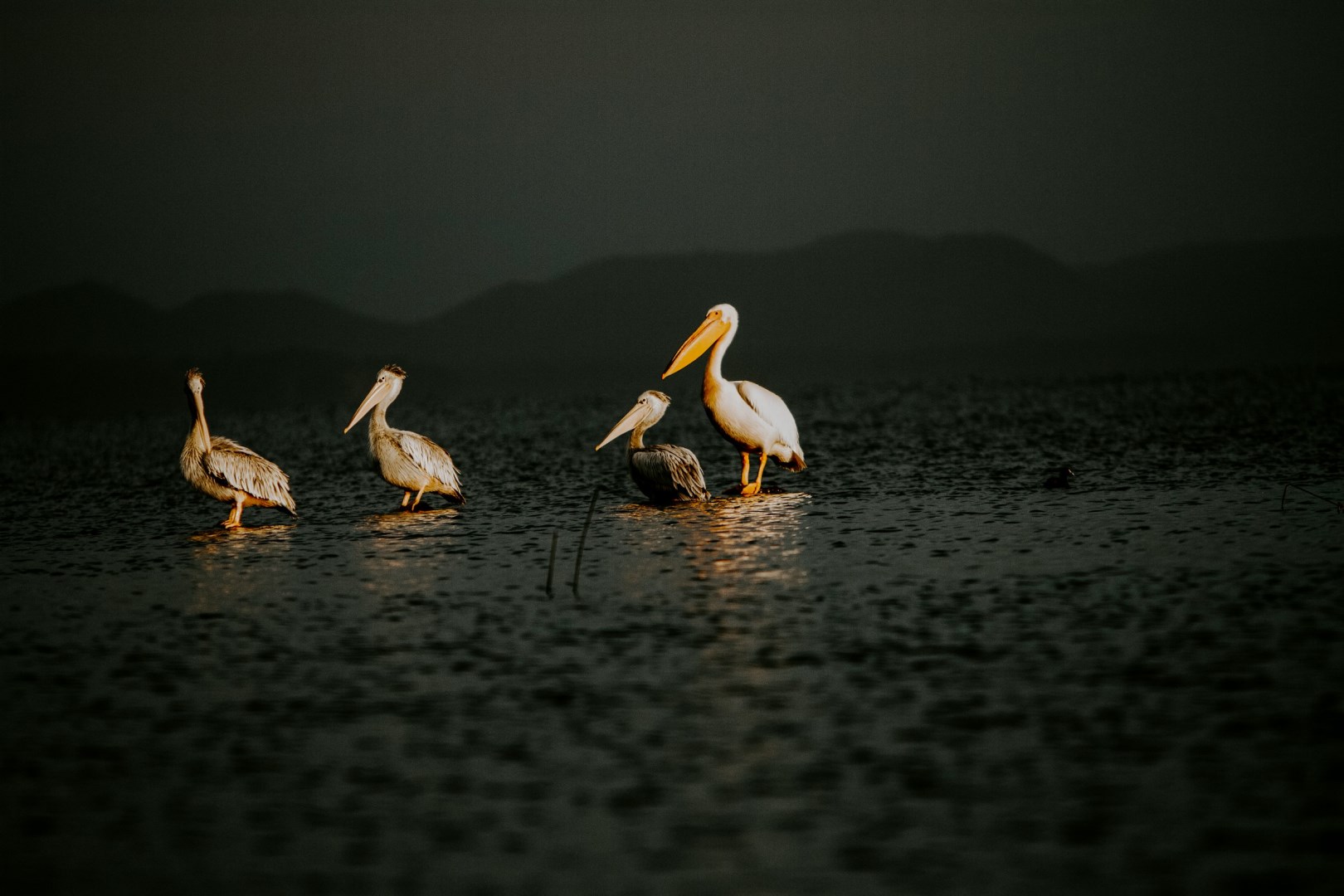
Lake Nakuru National Park is located in the heart of the Great Rift Valley. The Park encompasses the alkaline Lake Nakuru and has earned fame as the greatest bird spectacle in the world. The gathering of hundreds of thousands of greater and lesser pink flamingos. The massive flock of birds color the waters a delicate pink and feed on the abundant algae which thrives in the lake's shallow warm waters.
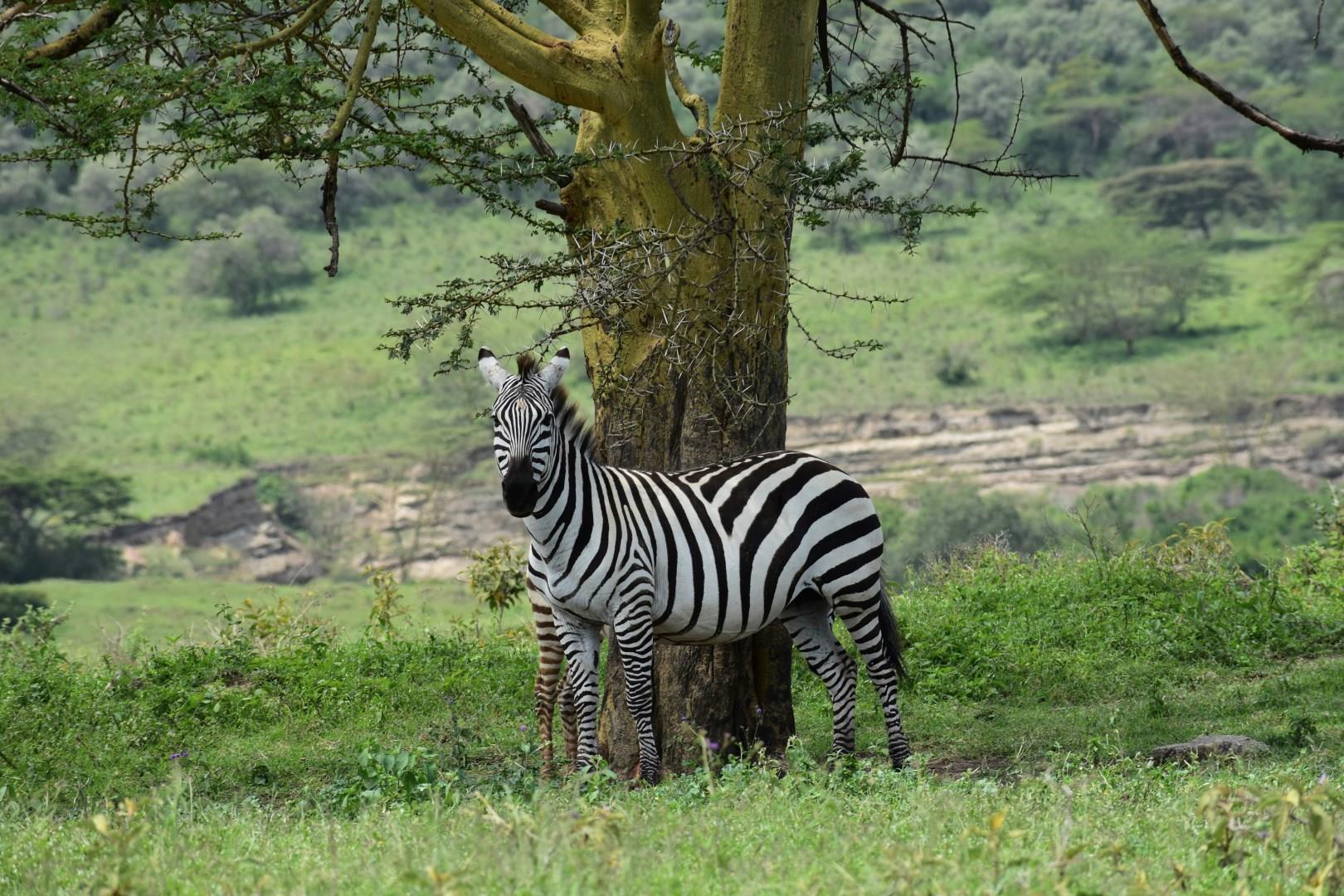
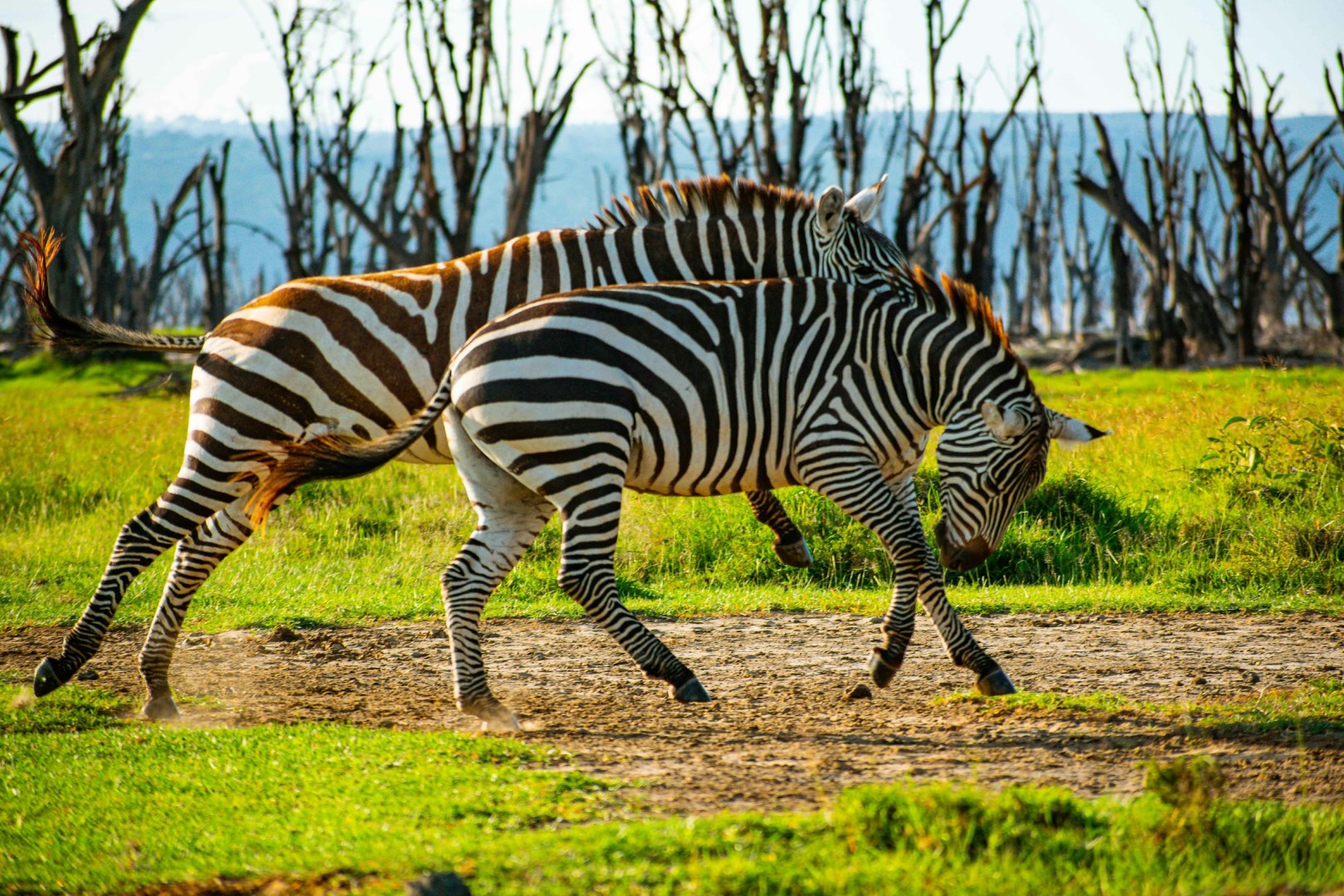
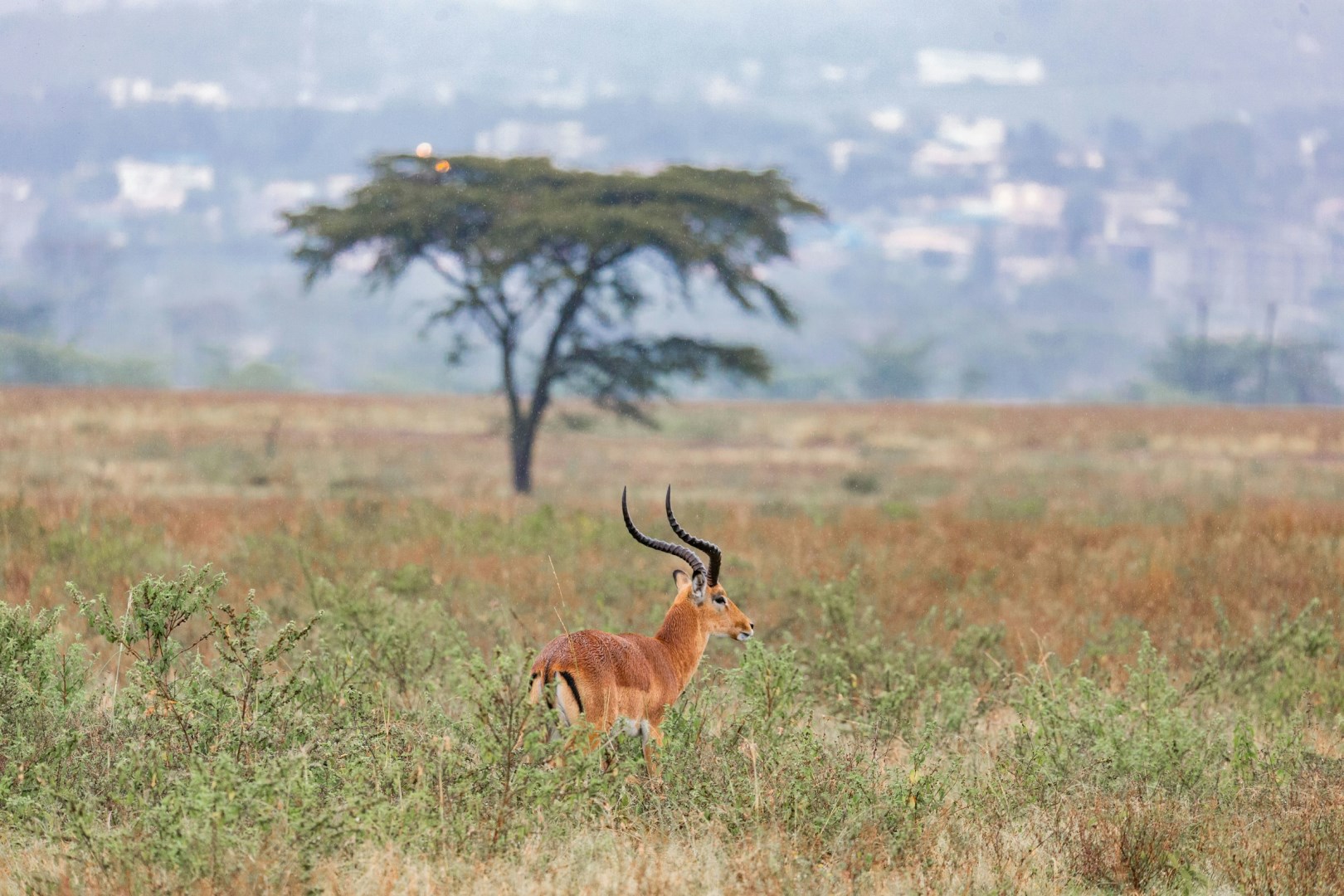
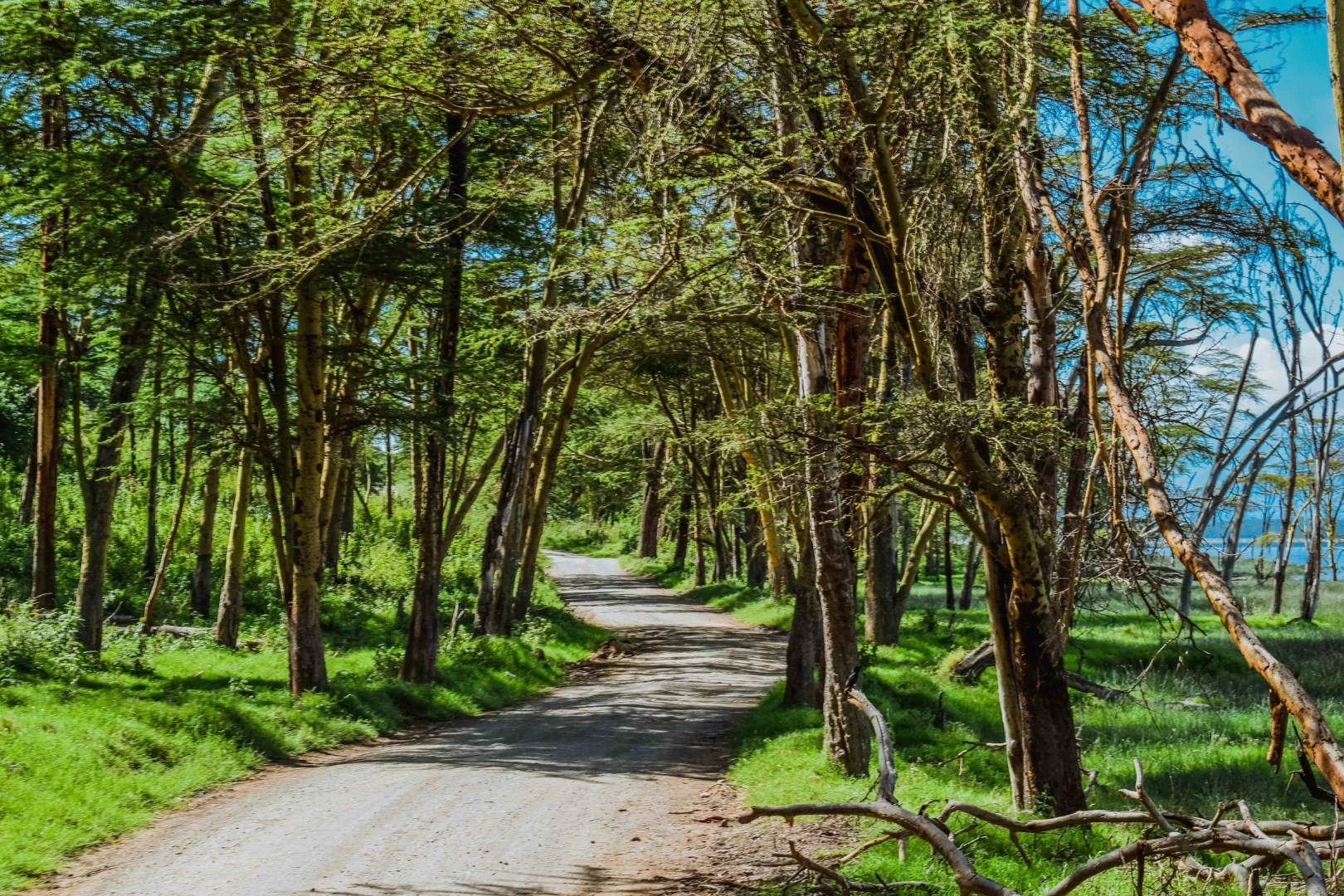
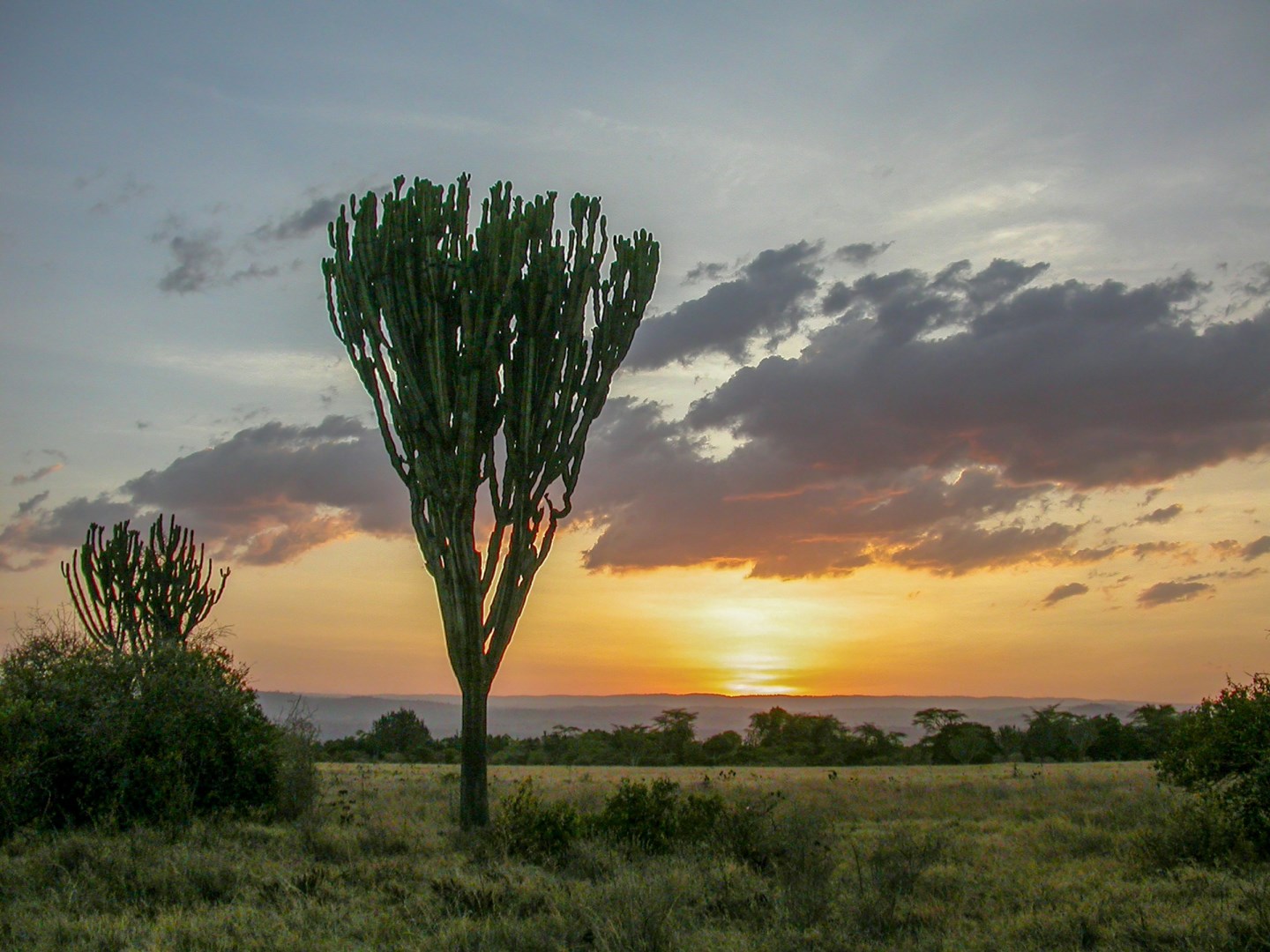
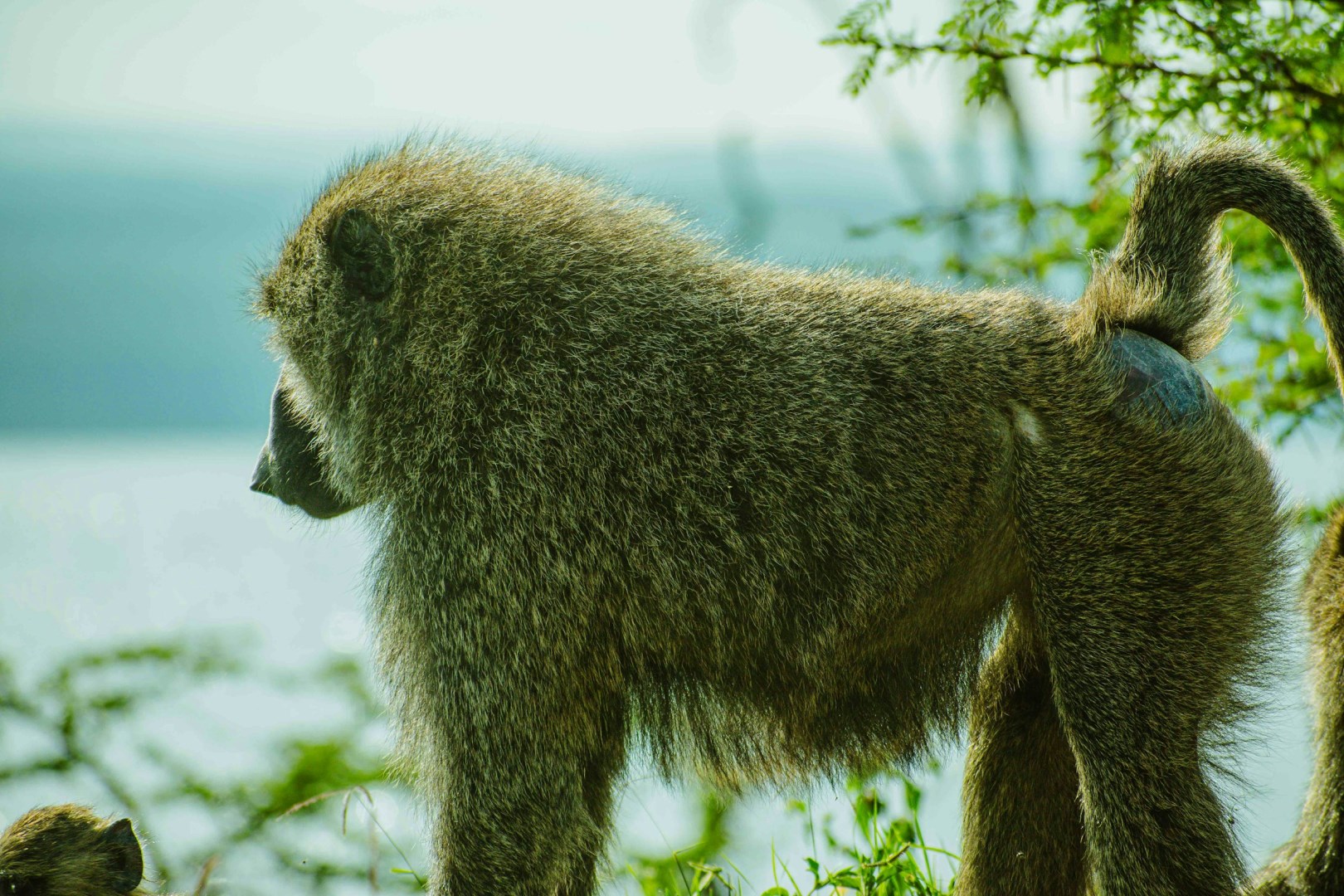
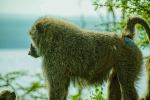
Lake Nakuru is subject to fluctuation in depth and once in every 20 to 30 years it dries up completely, in which case the flamingos and pelican fly over the Managaai crater to the more remote waters of Lake Bogoria. Lake Nakuru National Park covers 78 square miles, most of which is the lake itself. Nakuru has also been declared a black rhino sanctuary and has a number of these endangered animals underguard. Other wildlife found here are leopards, buffalo, Rothschild's giraffes, waterbucks, reedbucks, hippos, baboons, pelicans, and cormorants. The acacia savannah which surrounds the lake is itself beautiful and provides an area particuarly delightful for game viewing.
Other Popular Destinations in Kenya
Nairobi
Nairobi, the capital of Kenya, is a vibrant city where modern energy meets untamed nature. Known as the “Green City in the Sun,” it blends bustling urban life with remarkable wildlife experiences.
Maasai Mara National Reserve
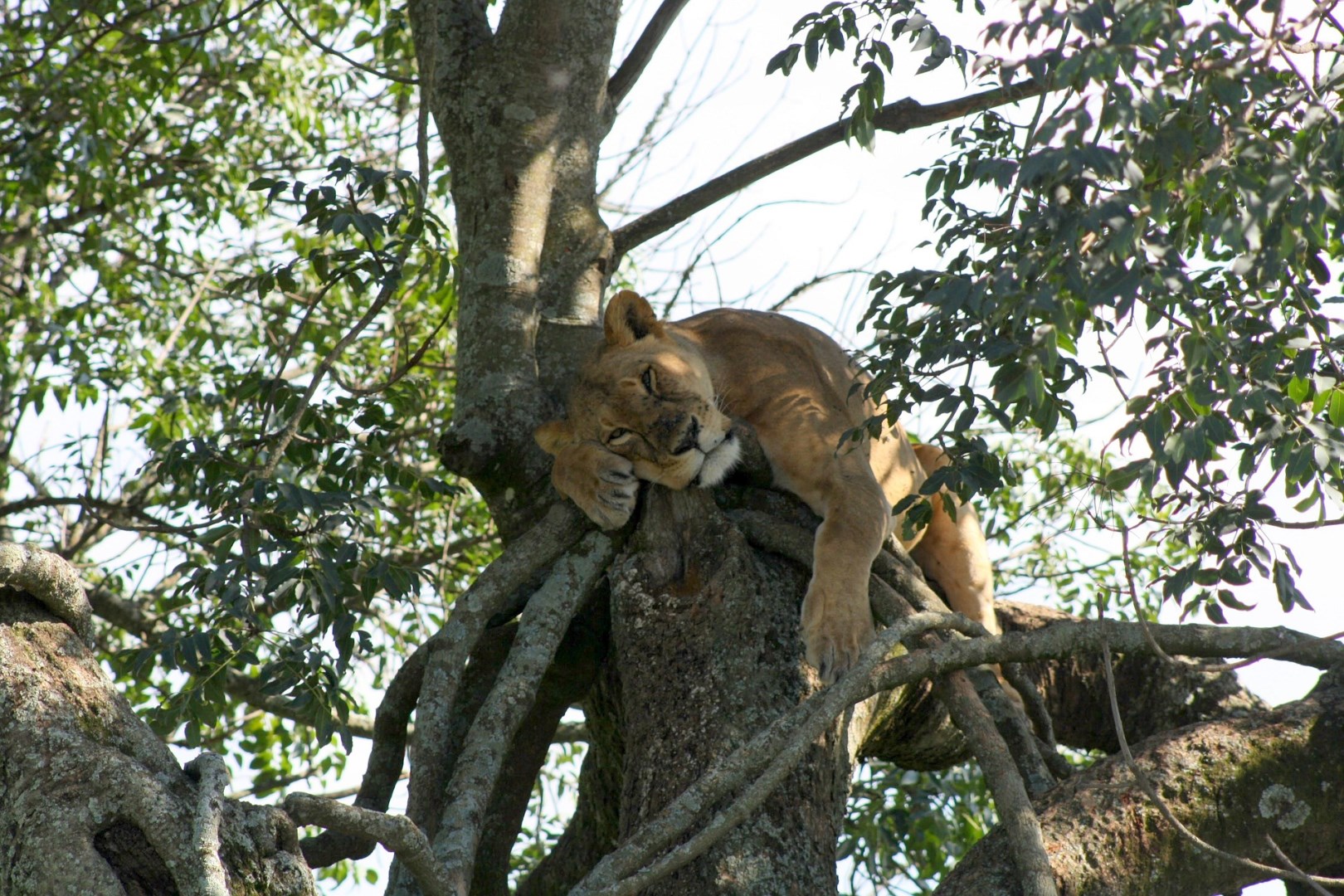
Masai Mara is a renowned wildlife region in southwestern Kenya, known for its broad grasslands, seasonal rivers, and high concentration of large mammals. The reserve forms part of the greater Mara-Serengeti ecosystem, allowing wildlife to move across a much larger landscape beyond the protected area itself. Lions, cheetahs, leopards, elephants, buffaloes, giraffes, and numerous antelope species are commonly associated with the region.