Cordoba
Argentina's second largest city, founded 400 years ago by Conquistadores, Cordoba is built at the edge of the Pampas and in thefoothills of the Andes Mountains. It is a university town that maintains the charm of Colonial days and Spanish traditions.
State College
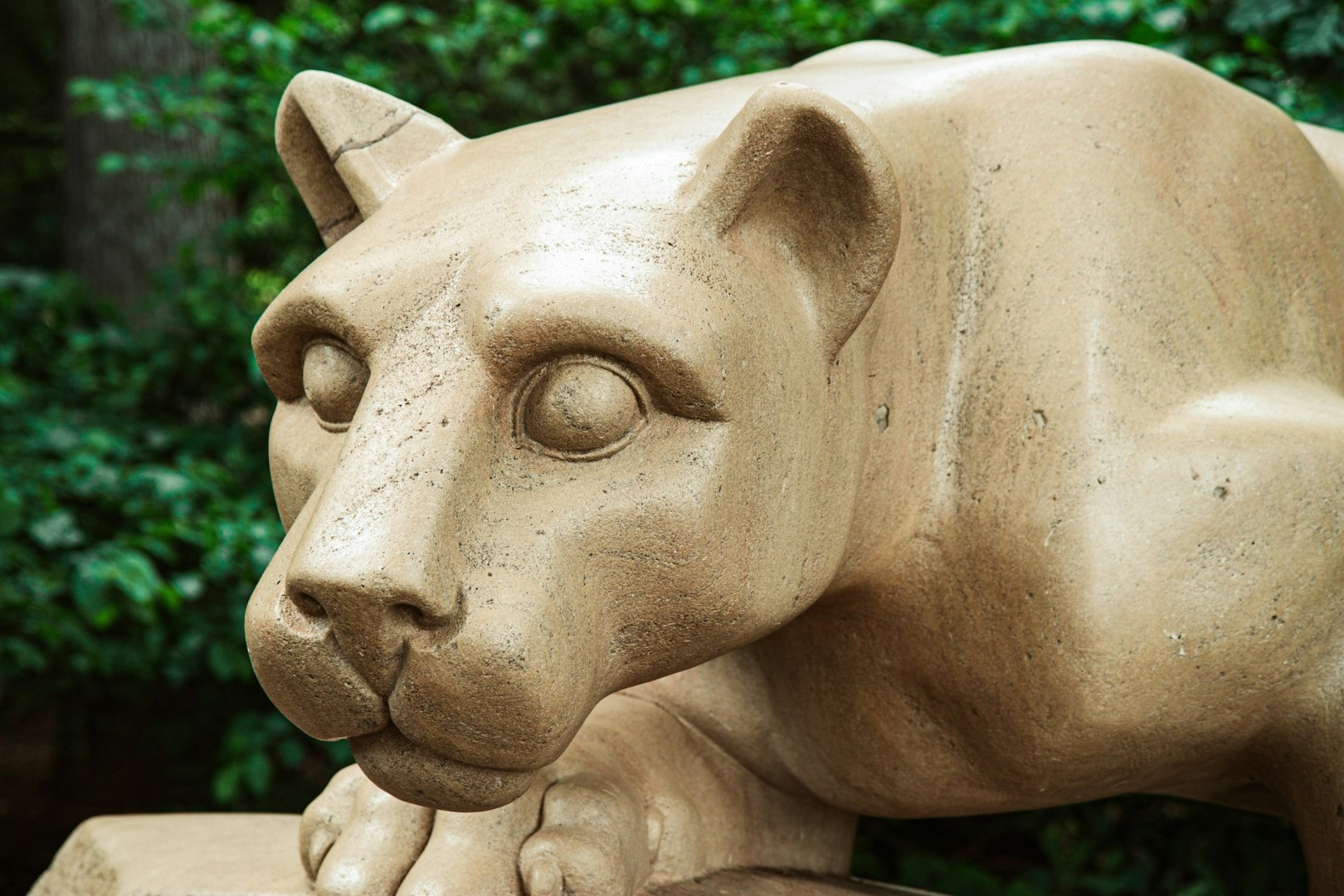
State College, borough, Centre County, central Pennsylvania, in the Nittany Valley; incorporated 1896. Situated in a fertile farm area, it is chiefly residential and has research and development firms producing electrical and electronic equipment, ceramic chips, and computer soft-ware. Other products include printed materials and chemicals. The Christopher Columbus family chapel, moved from Spain in 1919, is locat-ed nearby. The community, settled in 1859, is named for Pennsylvania State College
Locarno
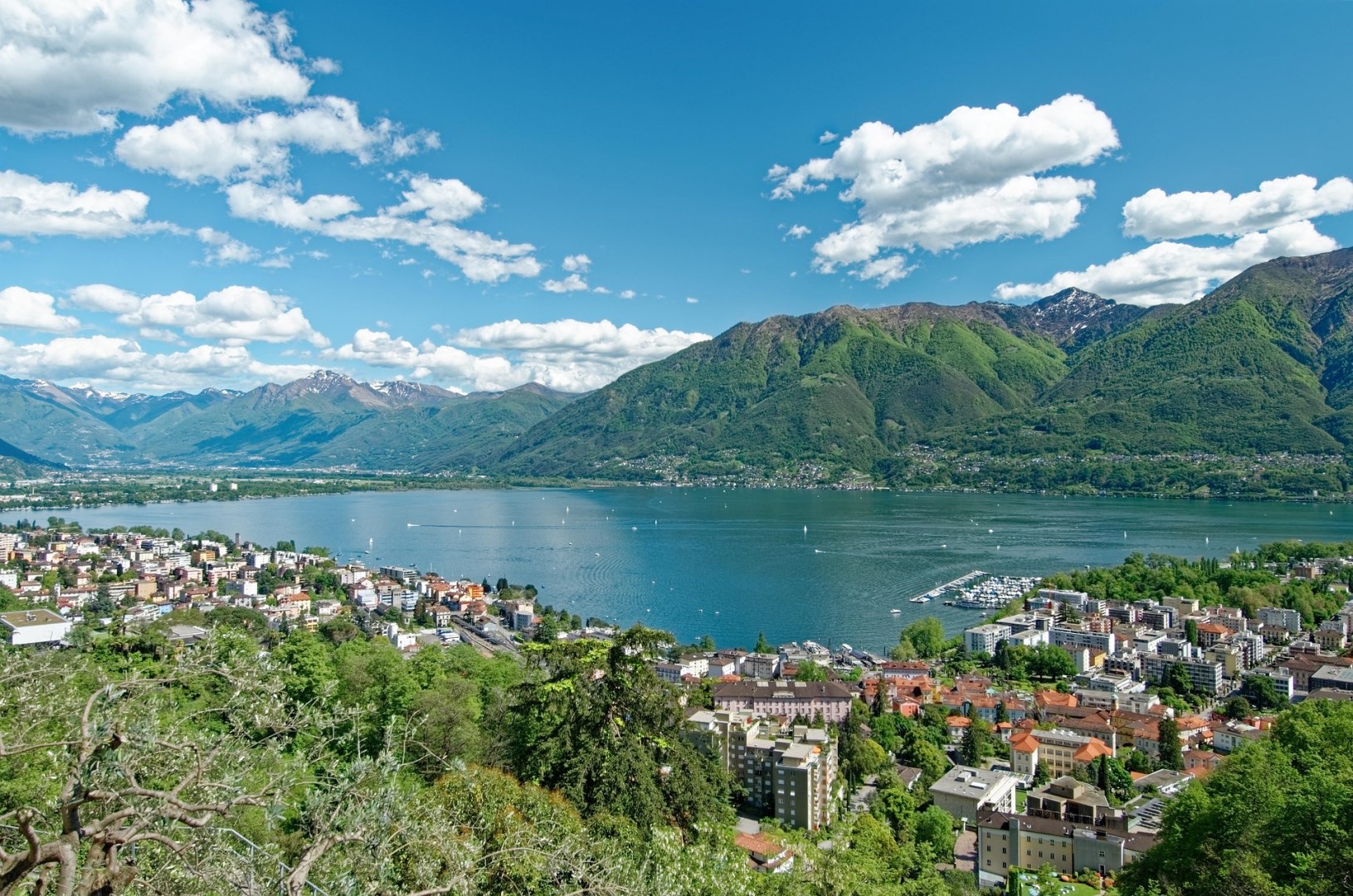
The turnoff for Locarno is located near Bellinzona, the capital of Ticino. By train, Locarno is well served from Zurich and Milan, as it is by road. Lovers of beautiful landscapes starting out from Geneva and Lausanne owe it to themselves to pass through Simplon and the Centovalli by taking the picturesque little train that links Domodossola to Locarno.

Punta Arenas
A favorite stop on South American and Antarctic cruises, Punta Arenas lies within the spectacular system of fjords that dot the coast of Chile. La Cruz Hill affords commanding views of the Straits of Magellan. Visit Punta Arenas for fascinating museums, quaint restaurants filled with fresh Chilean eats, and ample opportunity to watch local penguins!
Port Arthur Tasmania
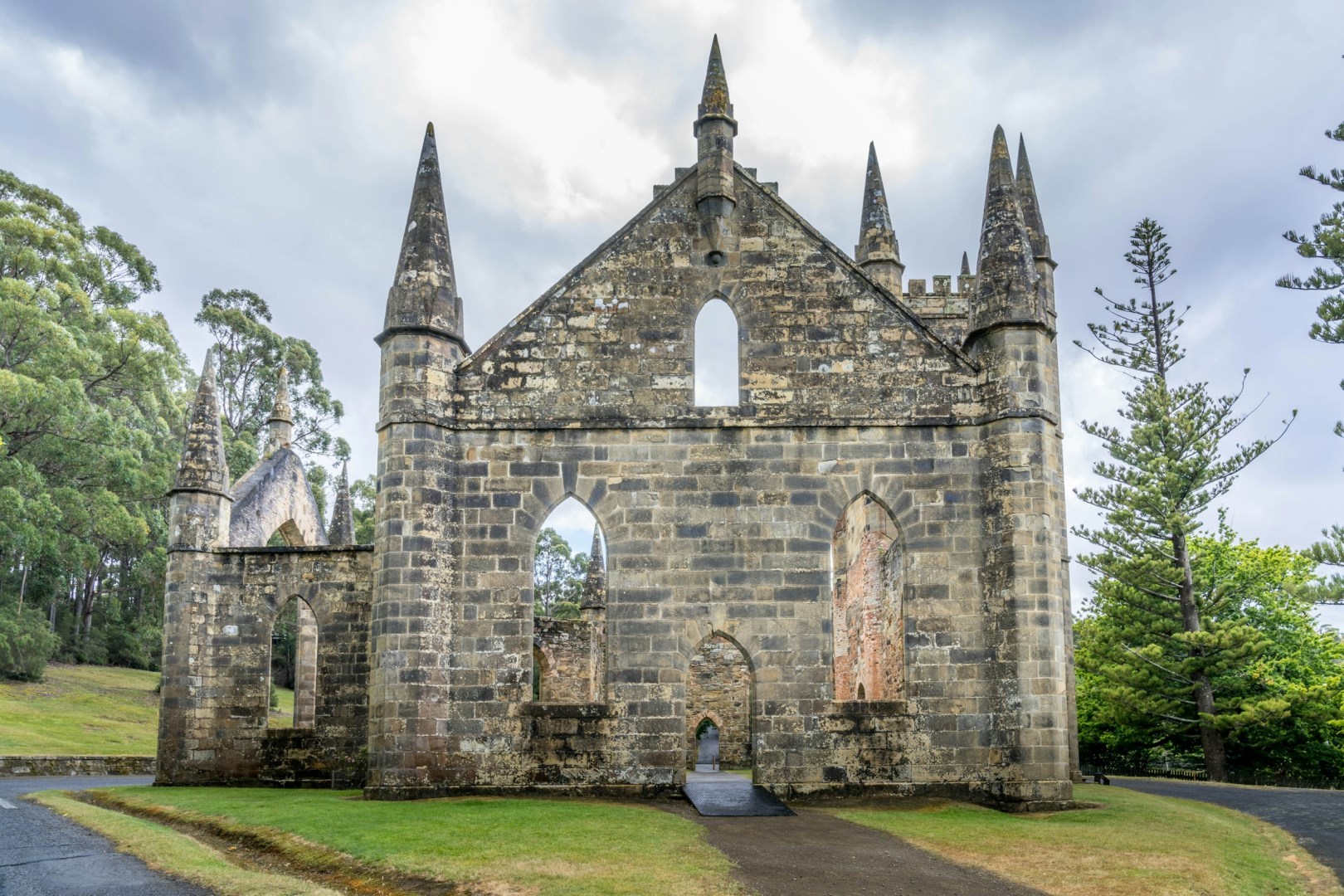
Port Arthur is a historic penal settlement from the brutal days of the convict settlement. It is located on the southeastern shores of Tasmania.