
Rangiroa’s beaches and stunning sunsets provide the perfect backdrop for relaxation. The lagoon is ideal for paddleboarding or taking a boat excursion to explore hidden coves.
Chișinău, the capital of Moldova, is a city rich in history and full of surprises for travelers seeking a blend of culture, architecture, and natural beauty. As you wander the tree-lined boulevards, you’ll discover the city’s intriguing mix of Soviet-era buildings, elegant Orthodox churches, and modern structures.
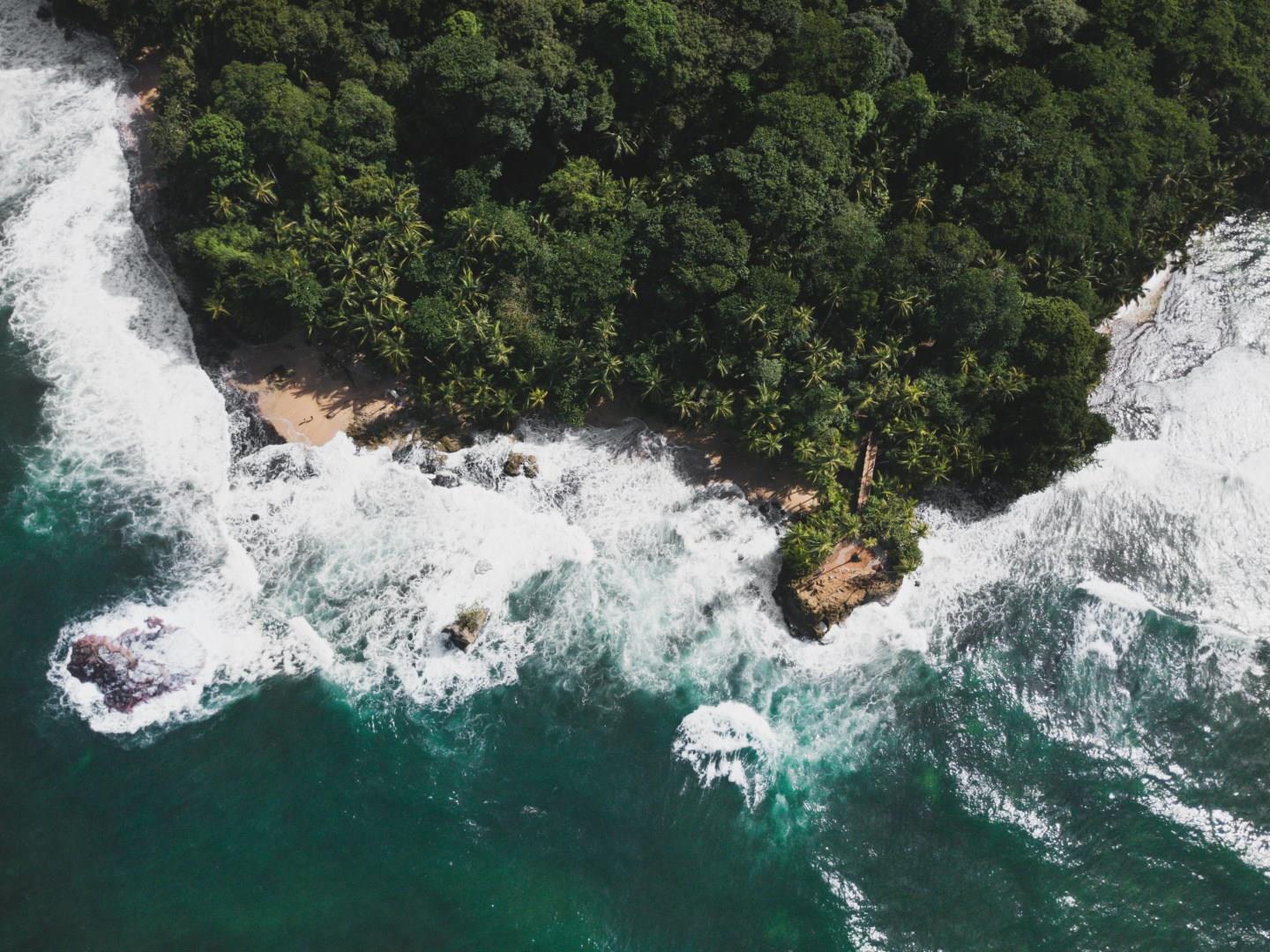
Limón, located on Costa Rica’s Caribbean coast, is a city shaped by Afro-Caribbean heritage, maritime trade, and lush tropical surroundings. Founded in the late 19th century as a port for exporting bananas and coffee, Limón developed a distinct cultural identity influenced by Jamaican, West African, and Central American traditions.
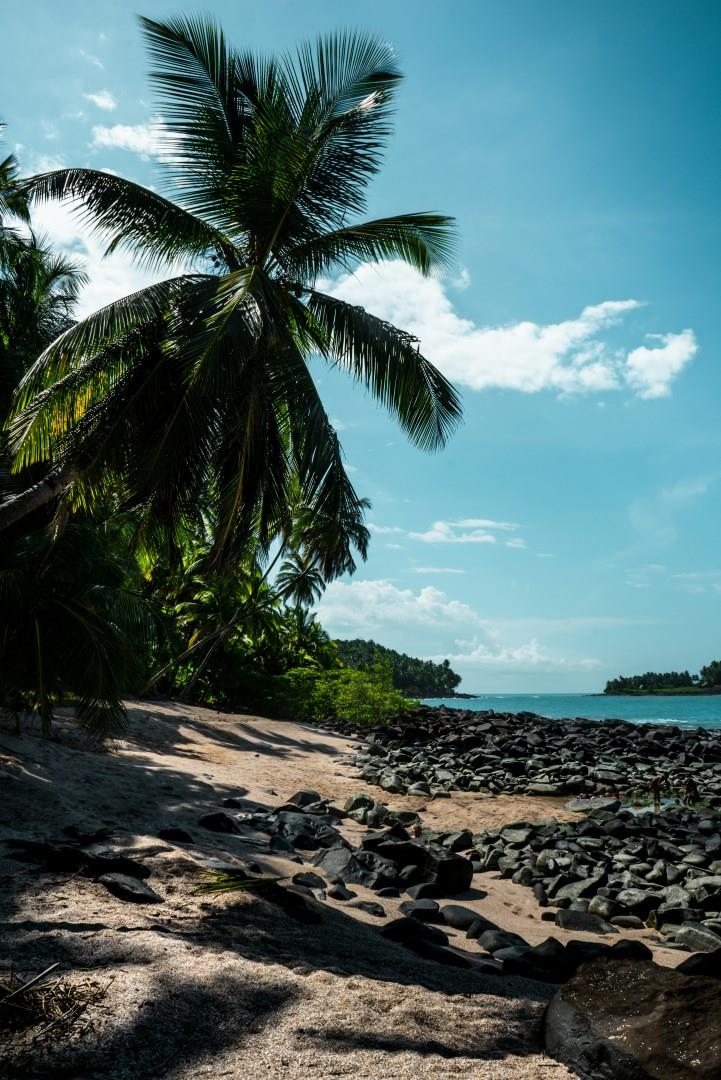
Cayenne, the lively capital of French Guiana, sits where the Cayenne River meets the Atlantic Ocean, blending South American rhythms with French-Caribbean influence. While it's officially part of France, Cayenne feels worlds away from Paris, with colorful markets, colonial architecture, and a language mix that includes French, Creole, Portuguese, and Indigenous dialects.
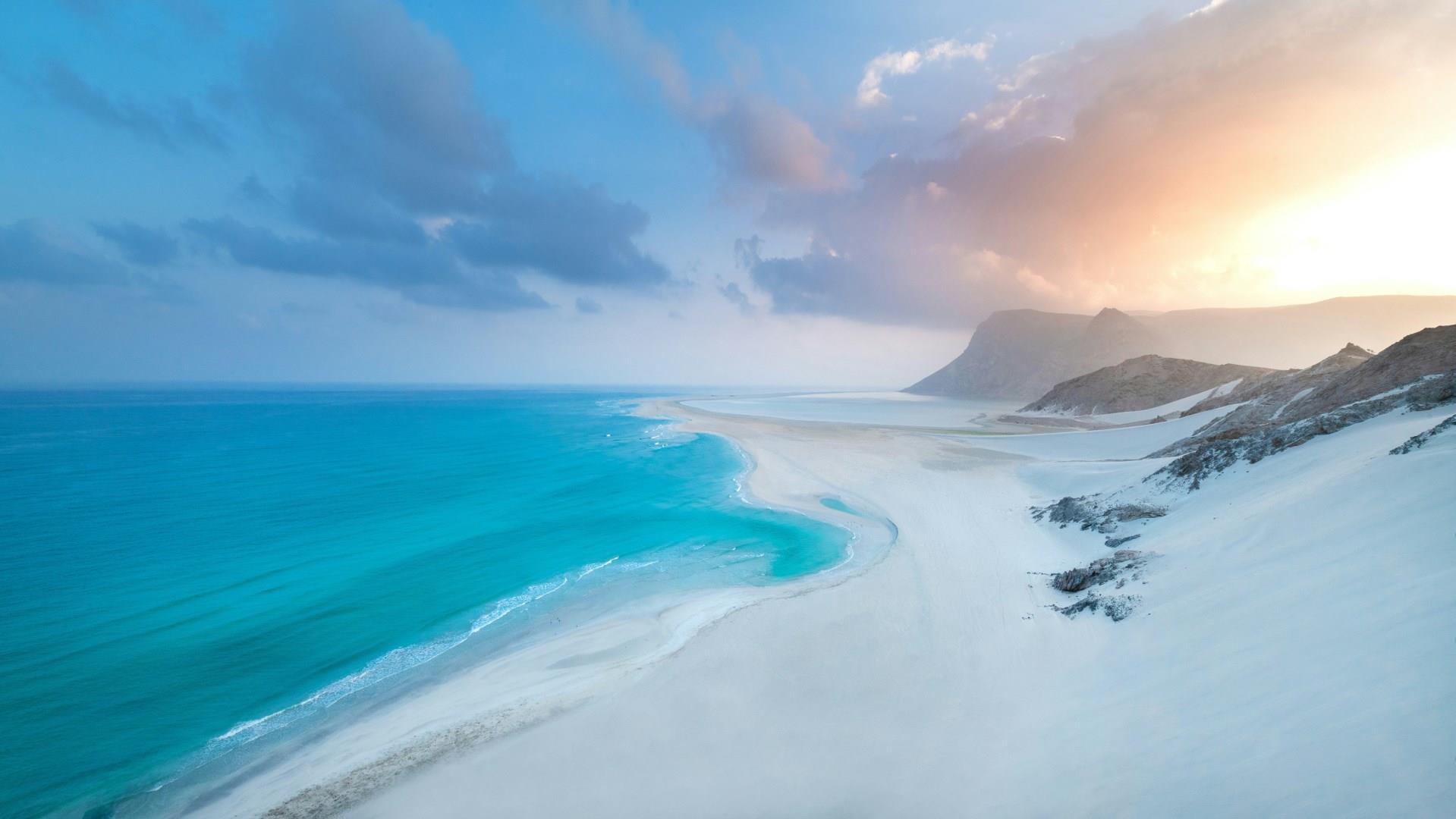
Socotra rises from the Arabian Sea like a world apart, its landscapes shaped over millennia. The Dragon’s Blood Trees, with their umbrella-shaped crowns and deep red sap, stand among the most iconic sights here. In places like Dixam Plateau and Homhil Forest, these trees gather in sparse formations, creating scenes that feel both ancient and alien. The resin remains valued for traditional dyes and remedies.
Brno, the vibrant heart of the Czech Republic's Moravian region, offers a captivating blend of historical charm and modern dynamism. As the second-largest city in the country, Brno is known for its striking architecture, including the Špilberk Castle, which overlooks the city from its hilltop perch. Originally a medieval fortress, Špilberk Castle has evolved into a cultural and historical museum, showcasing exhibits on the city’s rich past and providing panoramic views of Brno.
The Villa Tugendhat, a UNESCO World Heritage Site, is another must-see for visitors. Designed by the renowned architect Ludwig Mies van der Rohe, this modernist gem from the 1920s is celebrated for its innovative design and use of space. A tour through this architectural marvel offers insight into early 20th-century design principles and the history of one of the most influential architects of the modern era.
For a taste of Brno’s lively cultural scene, explore the Brno City Museum and its collection of local artifacts, or wander through the bustling Zelný trh (Cabbage Market), where the colorful market stalls and lively atmosphere reflect the city's deep-rooted traditions. This area is perfect for sampling local delicacies and experiencing the vibrant daily life of Brno.
A fun fact about Brno is that it is home to one of the most intriguing historical curiosities: the Brno Ossuary, the second-largest ossuary in Europe. Discovered beneath the Church of St. James, this vast underground cemetery holds the remains of thousands of people and offers a fascinating glimpse into the city's historical past. With its rich history, stunning architecture, and lively cultural scene, Brno is a destination that promises to enchant and engage every visitor.
