
Ahuachapán
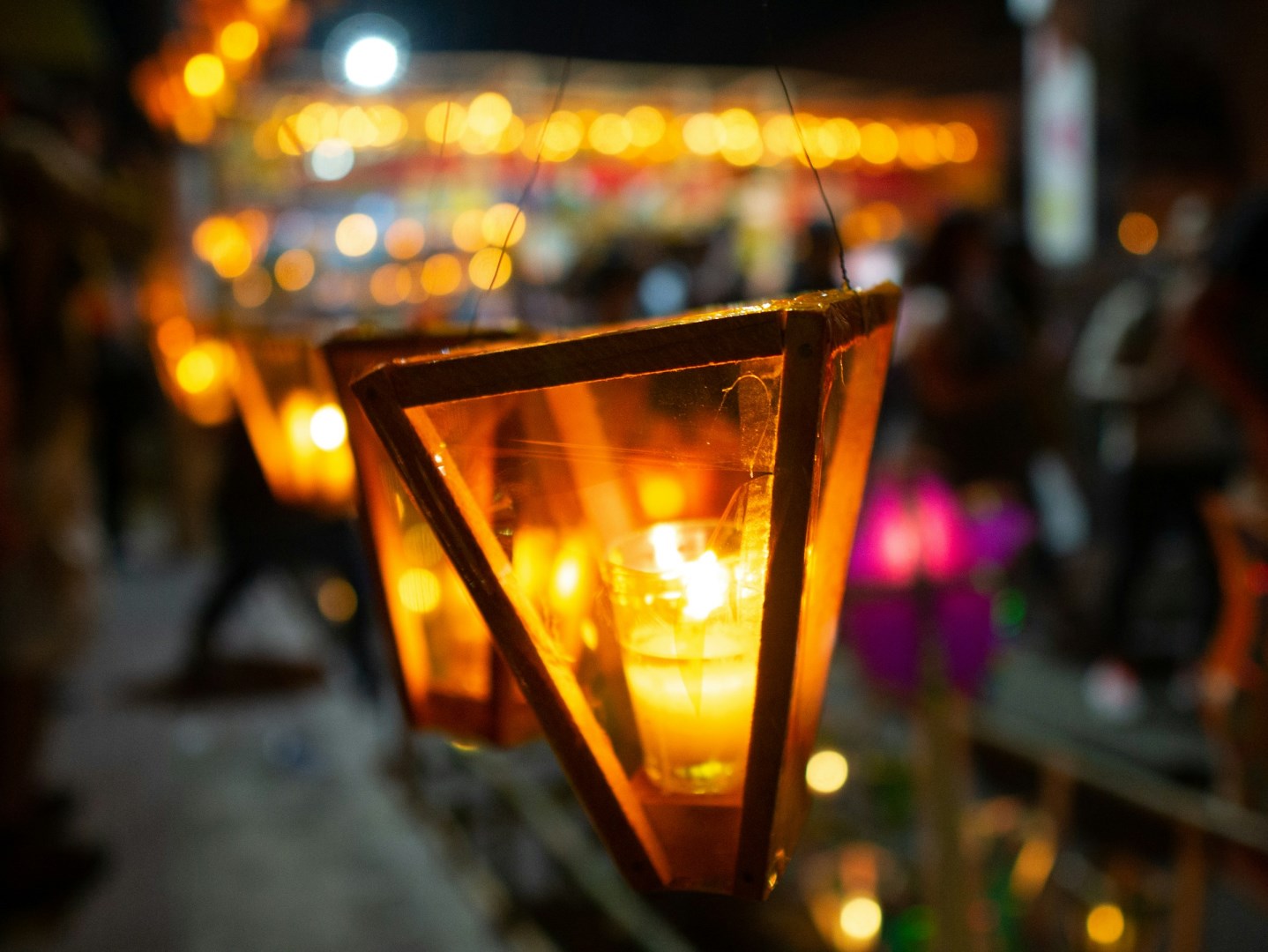
Ahuachapán is a city in western El Salvador and the capital of the department of the same name. It sits near the foothills of the Apaneca-Ilamatepec mountain range, an area known for highland coffee farms, volcanic landscapes, and the route connecting several towns along the Ruta de las Flores. The city itself has a historic center with traditional architecture, plazas, churches, and pedestrian areas.

Jamaica
From the rhythmic sounds of Bob Marley to the breathtaking views of the Blue Mountains, Jamaica offers a mix of adventure and relaxation that caters to every type of traveler. The island offers a wealth of cultural experiences. Kingston, the capital city, is home to the Bob Marley Museum, where visitors can learn about the legendary musician and his influence on global culture. The historic town of Falmouth showcases Georgian architecture and offers insight into Jamaica's colonial past.
Toubkal
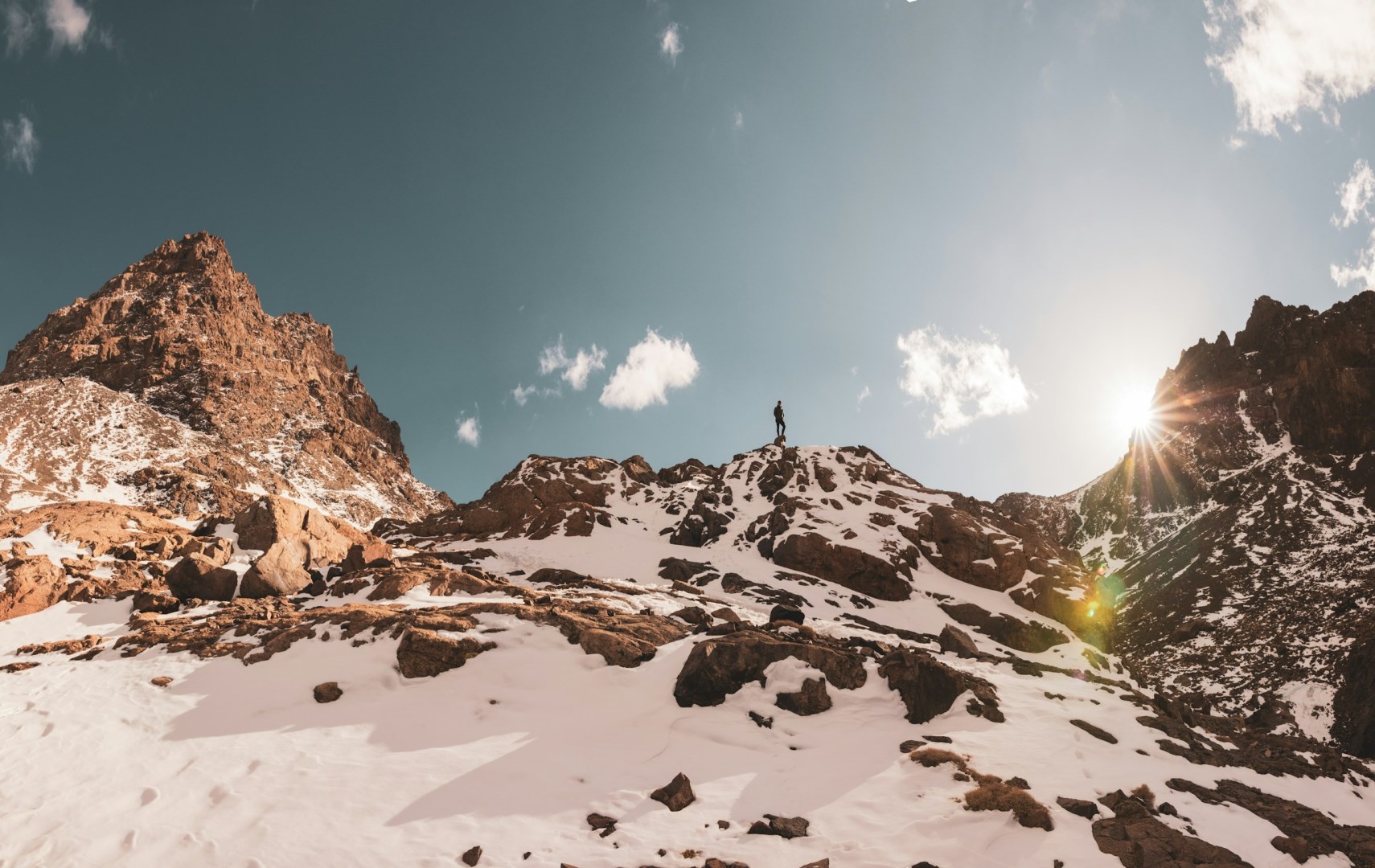
Jbel Toubkal is the highest mountain in Morocco and the highest peak in North Africa, rising to 4,167 meters in the High Atlas Mountains. It stands within Toubkal National Park, south of Marrakech, above valleys and Amazigh villages including Imlil. The mountain is surrounded by steep ridges, rocky slopes, high-altitude valleys, and seasonal snow.
Amman
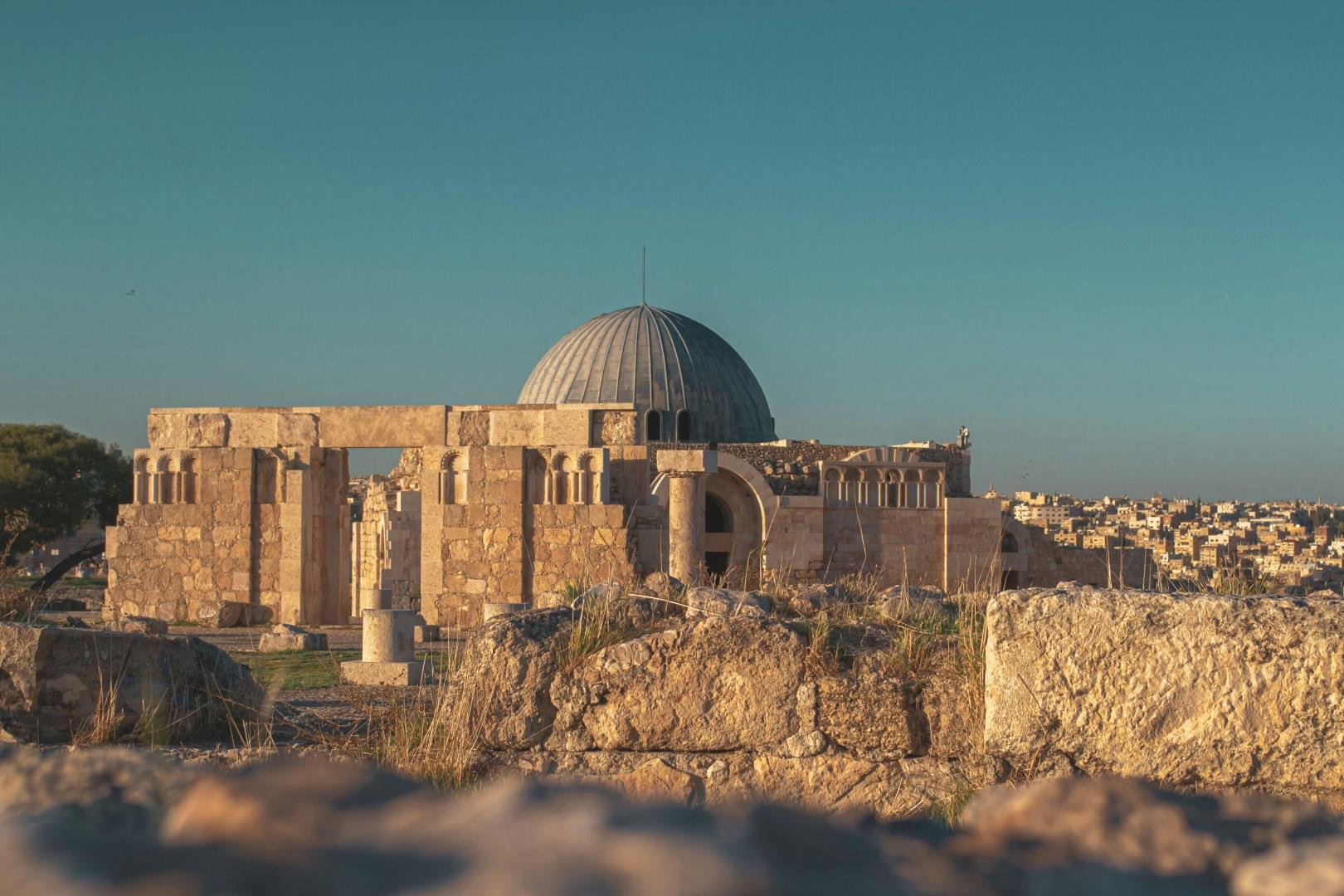
Situated near the Dead Sea, Amman is the capital of Jordan and a cultural and historical hub in the Middle East. Explore this sprawling city, replete with historic landmarks, museums, and mosques, and you’ll soon be enraptured by its blend of metropolitan and ancient beauty.

Yangon
Yangon, Myanmar’s largest city, blends colonial heritage, cultural diversity, and spiritual landmarks. Once the country’s capital, it remains the economic and cultural hub, with lively markets, tree-lined avenues, and historic buildings that reflect its layered past under British, Burmese, and regional influences.


