Puerto Maldonado
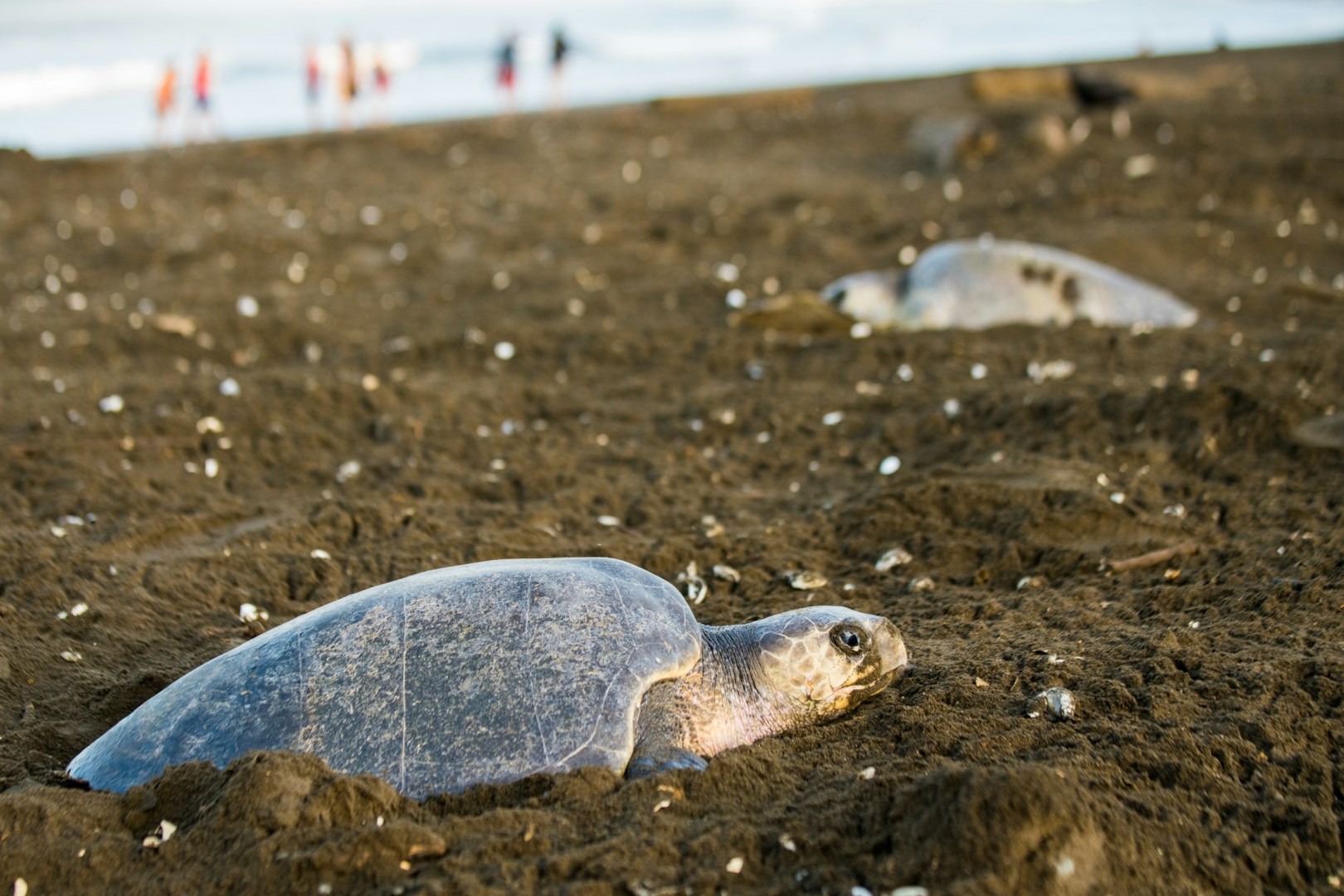
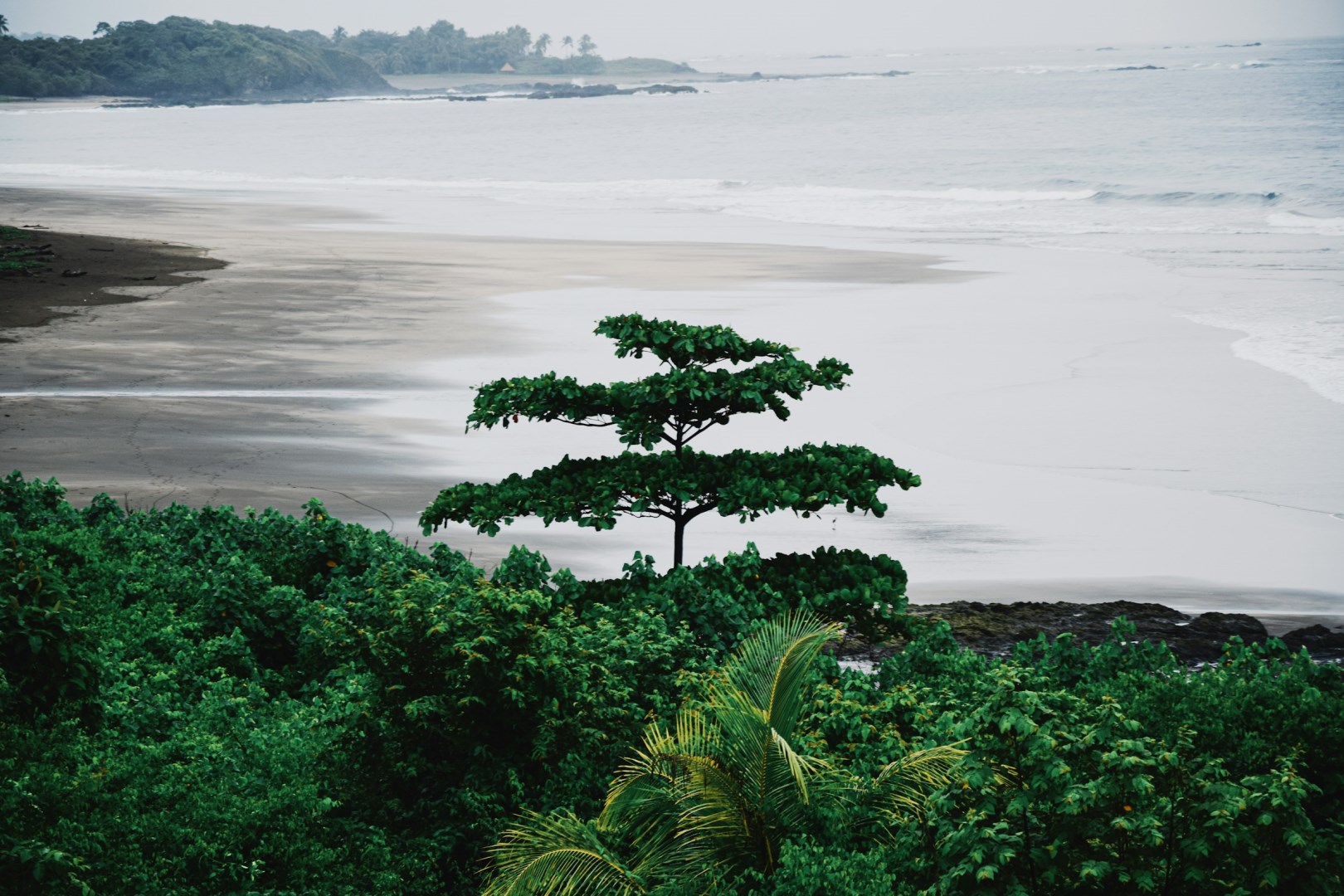
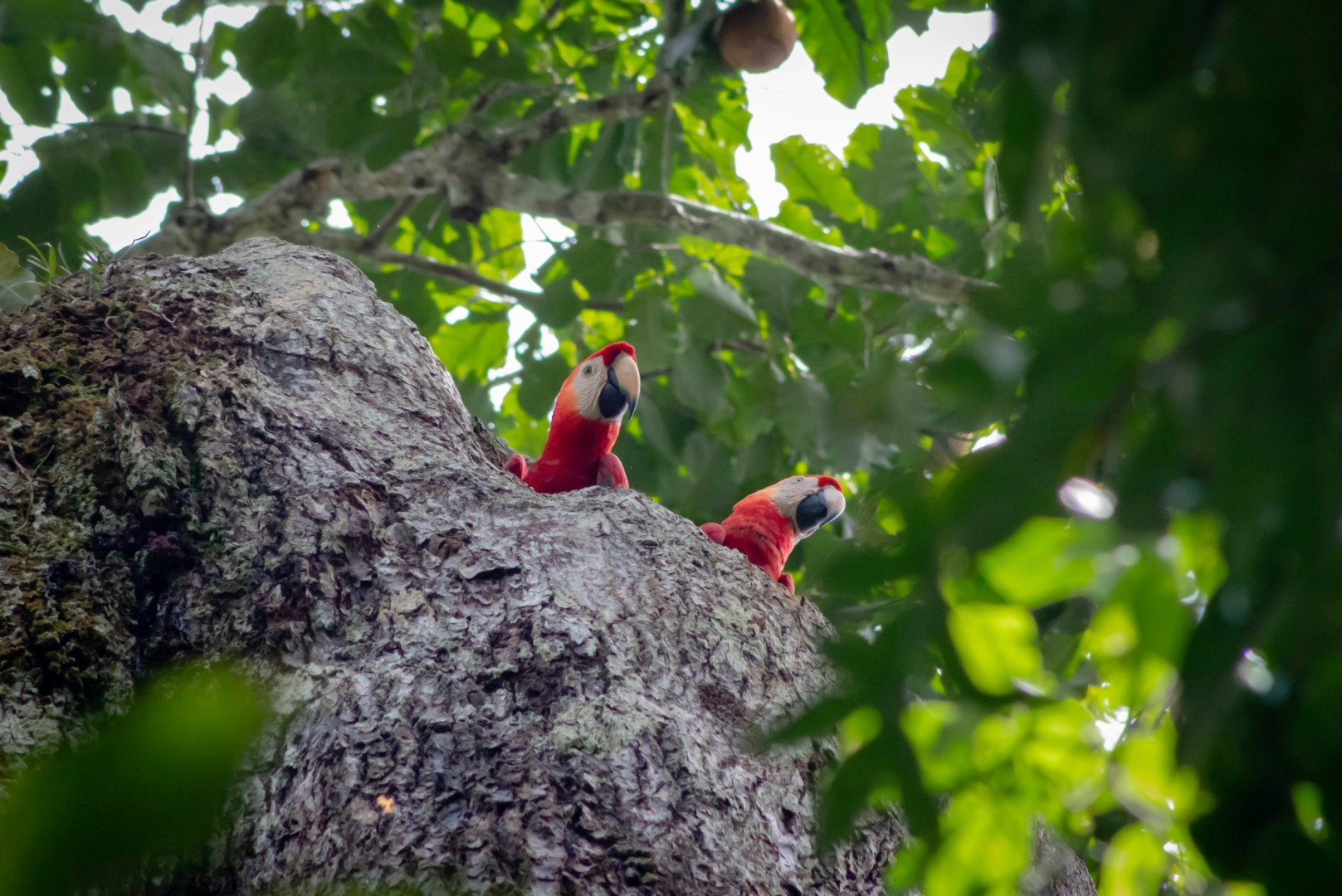
Nestled in the heart of Peru's Amazon rainforest, Puerto Maldonado serves as a gateway to one of the world's most biodiverse regions. This vibrant city, often referred to as the gateway to the Peruvian Amazon, offers a unique opportunity to explore lush rainforests, encounter exotic wildlife, and experience the rich culture of the Amazonian tribes. The nearby Tambopata National Reserve and Manu National Park are prime destinations for eco-tourists and adventurers alike.
Nashua
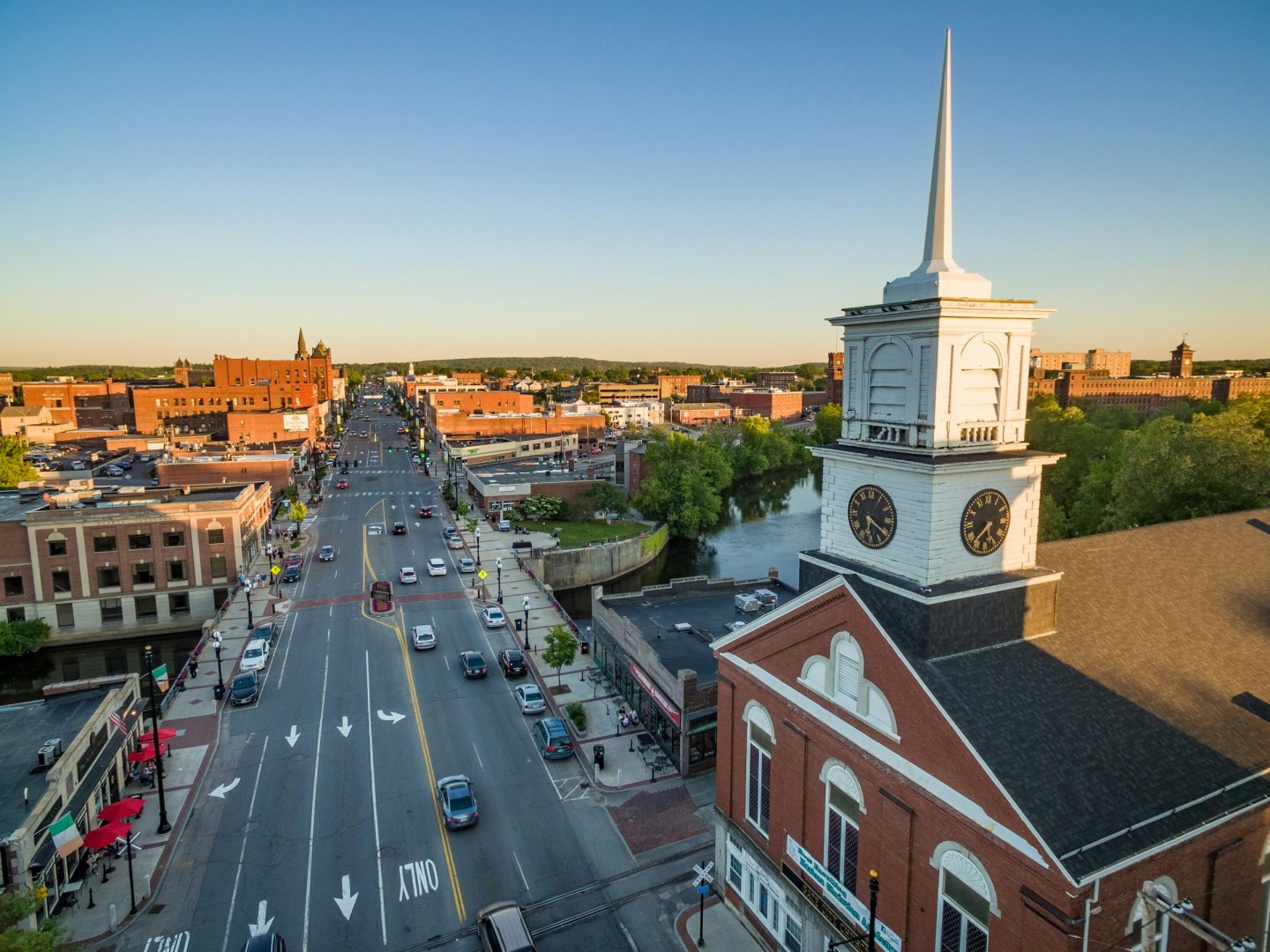
Nashua is a city in southern New Hampshire, located along the Nashua and Merrimack rivers near the Massachusetts border. Its landscape combines a historic urban centre with river corridors, parks, and wooded areas, while its location provides easy access to both New Hampshire’s countryside and the Boston region. Downtown Nashua centres on Main Street, where former mill buildings, independent shops, restaurants, and public spaces reflect the city’s industrial past.
Dinosaur Provincial Park
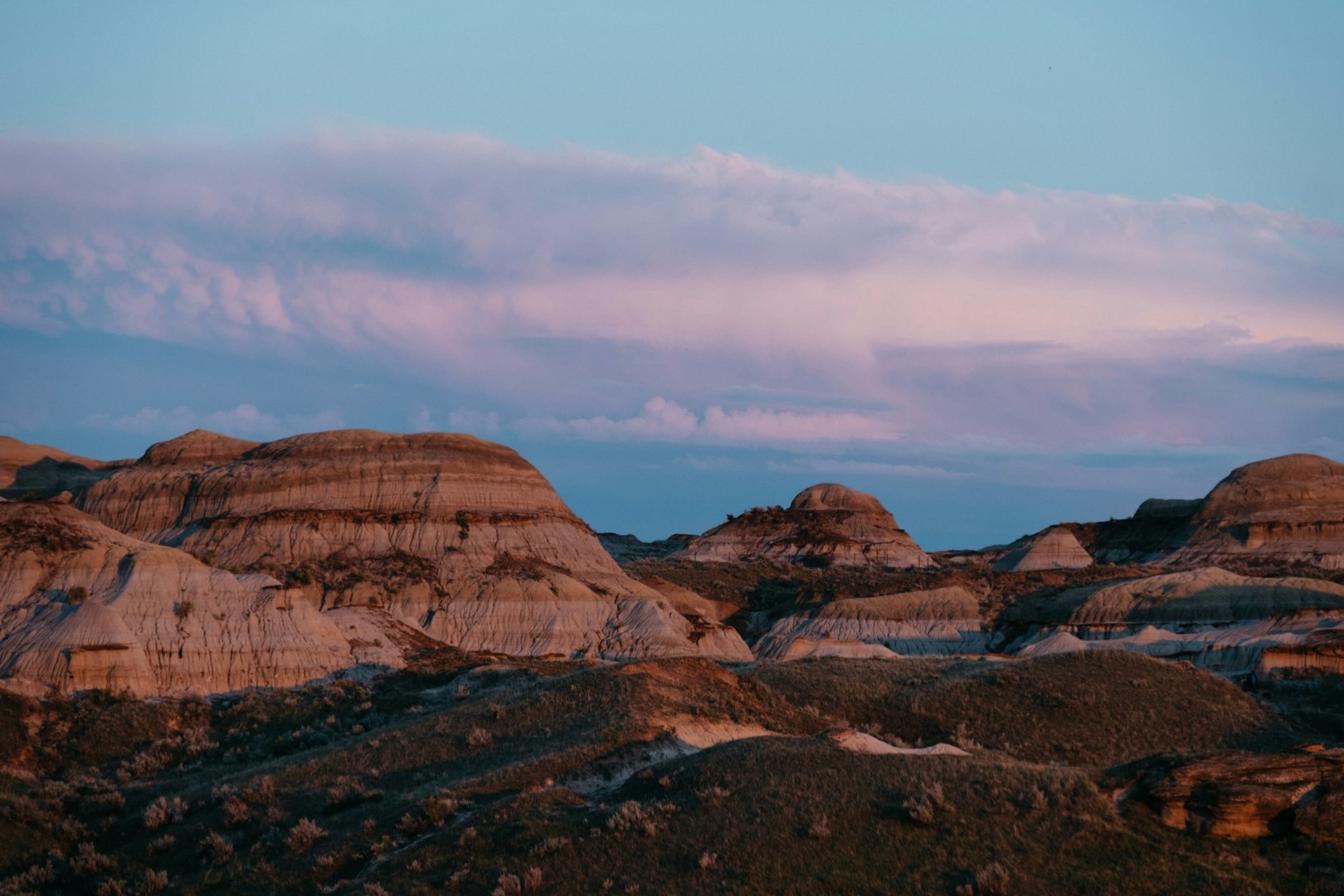
Dinosaur Provincial Park lies in the badlands of southeastern Alberta, along the Red Deer River. The park is recognized as a UNESCO World Heritage Site for both its geological landscape and its exceptional fossil record. Its dry valleys, eroded cliffs, hoodoos, and exposed rock layers reveal sediments from the Late Cretaceous period, when the region supported a very different ecosystem.
Matobo National Park
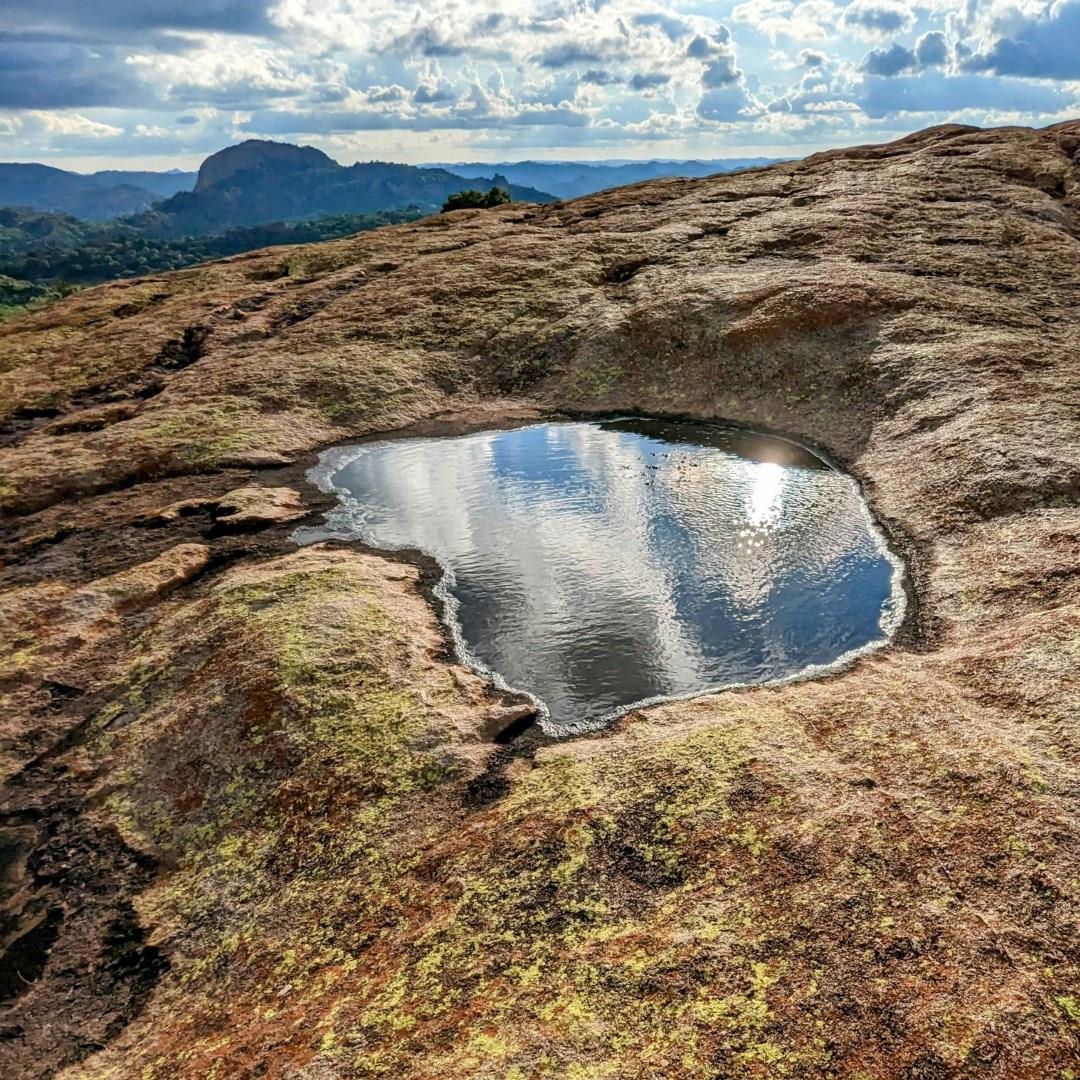
Matobo National Park sits in the rolling hills of southern Zimbabwe stands as one of the country’s most remarkable landscapes. Its granite domes, balancing rocks and wooded valleys have formed over more than two billion years, creating a setting that feels both ancient and alive. As a UNESCO World Heritage cultural site, the park preserves a landscape that has shaped human life here for millennia, drawing travelers to explore its unusual terrain and storied past.
Kitakyūshū
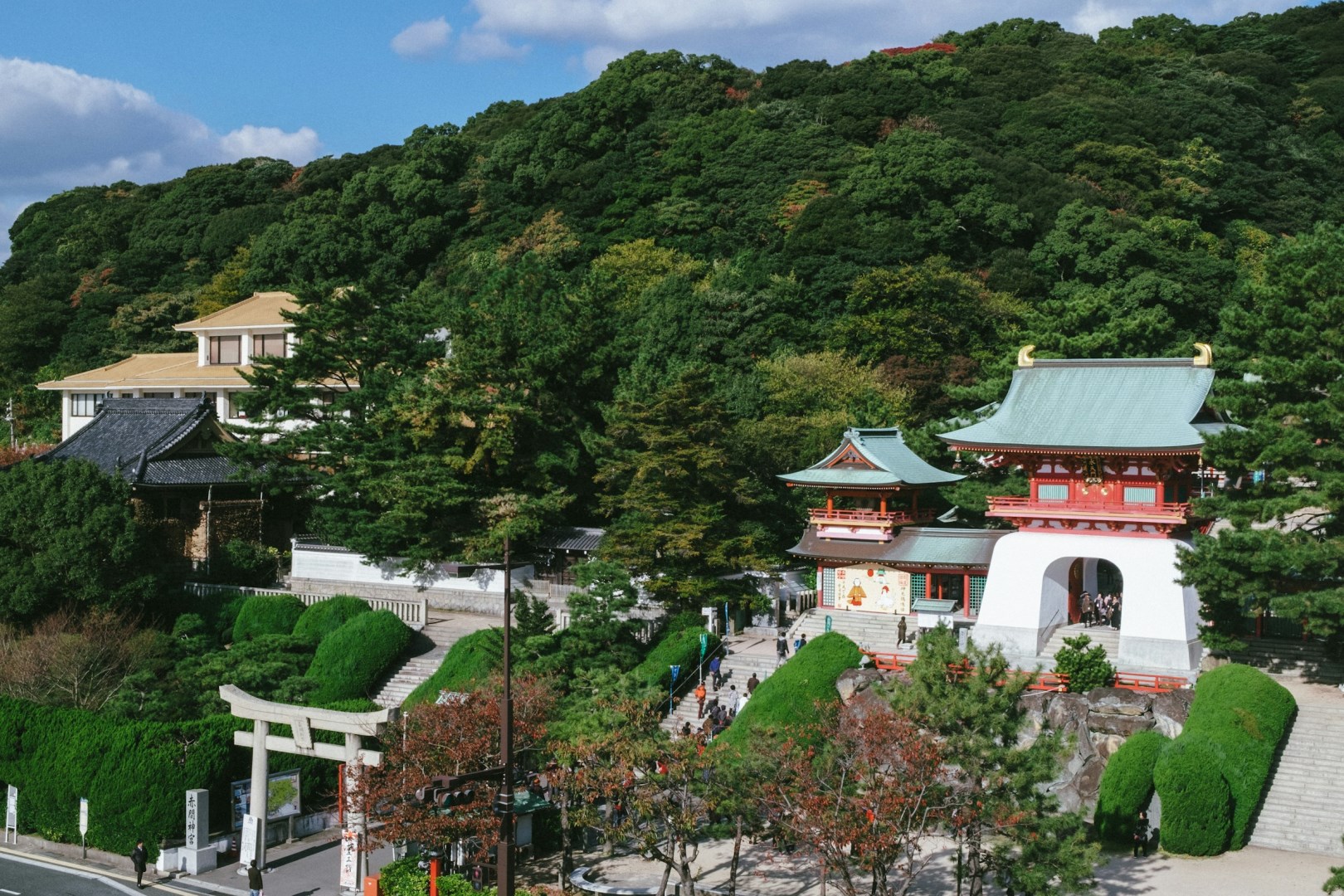
Kitakyushu, located in northern Kyushu, Japan, is a city that seamlessly combines industrial prowess with cultural and natural attractions. Formed from the merger of five cities in 1963, Kitakyushu has a strong industrial history, particularly in steel production, while also investing heavily in environmental sustainability and urban revitalization.