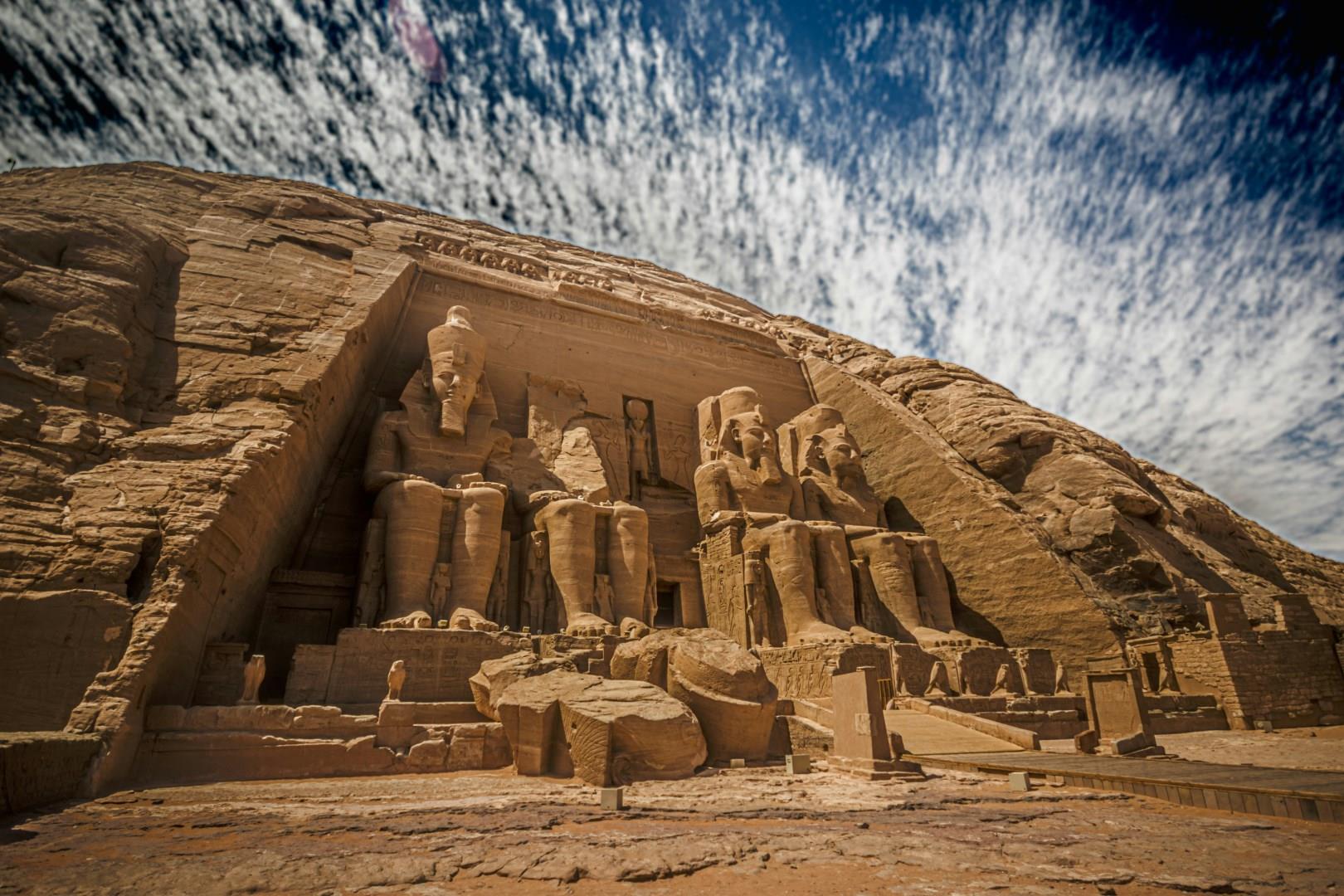
Abu Simbel
Abu Simbel, in southern Egypt near the border with Sudan, is one of the most awe-inspiring archaeological sites of the ancient world. Built during the reign of Pharaoh Ramses II in the 13th century BCE, the twin temples were carved directly into the sandstone cliffs overlooking the Nile. The Great Temple, with its four colossal statues of Ramses II seated at the entrance, was designed not only to honor the pharaoh but also to project his power to neighboring Nubia.

Montepulciano
Nestled in the rolling hills of Tuscany, Montepulciano is a quintessential Italian hill town that offers visitors a perfect blend of Renaissance architecture, fine wine, and stunning vistas. Famous for its Vino Nobile di Montepulciano, this town is a paradise for wine lovers. Touring local vineyards, such as Cantina Contucci, and sampling the region’s prestigious red wines is an experience that transports you into the heart of Tuscany’s wine heritage.
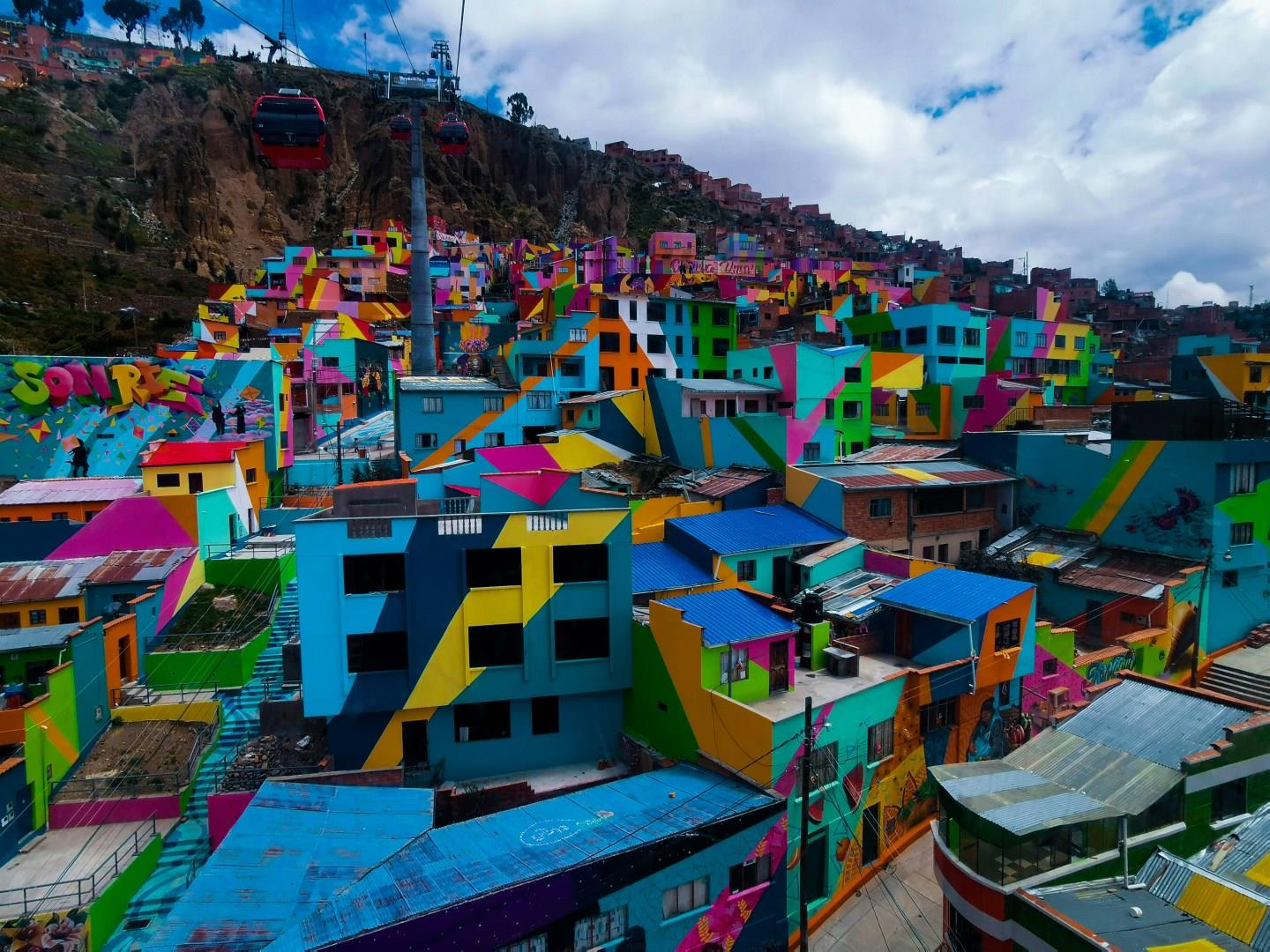
La Paz
La Paz, Bolivia’s seat of government, is one of the world’s highest capital cities, dramatically set in a deep canyon carved by the Choqueyapu River. Founded in 1548 atop an important Indigenous settlement, the city has long been a crossroads of Andean cultures, colonial history, and modern political life.
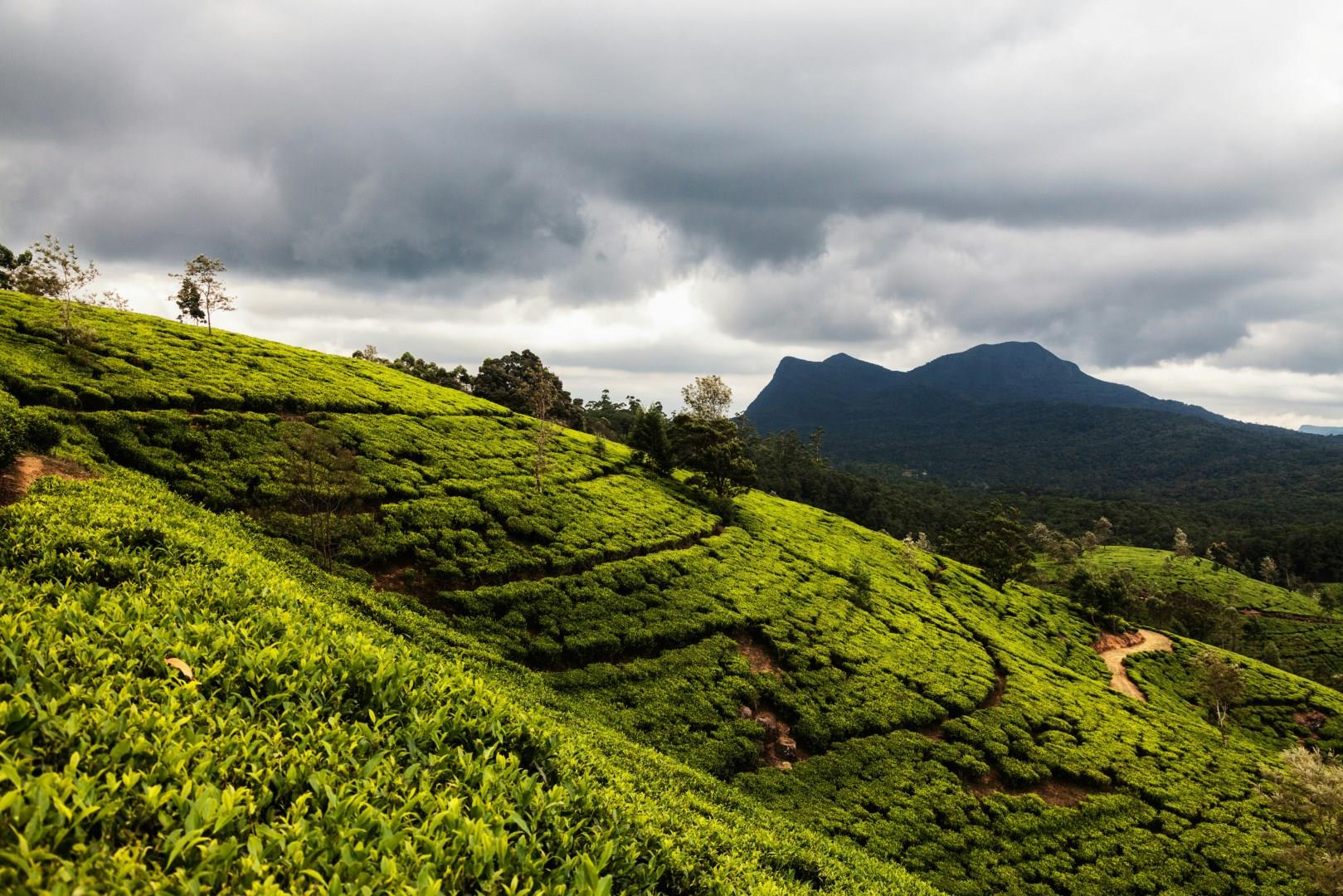
Nuwara Eliya
Nuwara Eliya sits high in Sri Lanka’s central highlands, above the plains at nearly 1,900 meters, with a climate that remains refreshingly mild year-round, which is a sharp contrast to the tropical warmth found elsewhere on the island. For those looking to explore the outdoors, Lake Gregory has long been a place for boating, walking, and watching the mist drift across the water at dawn.
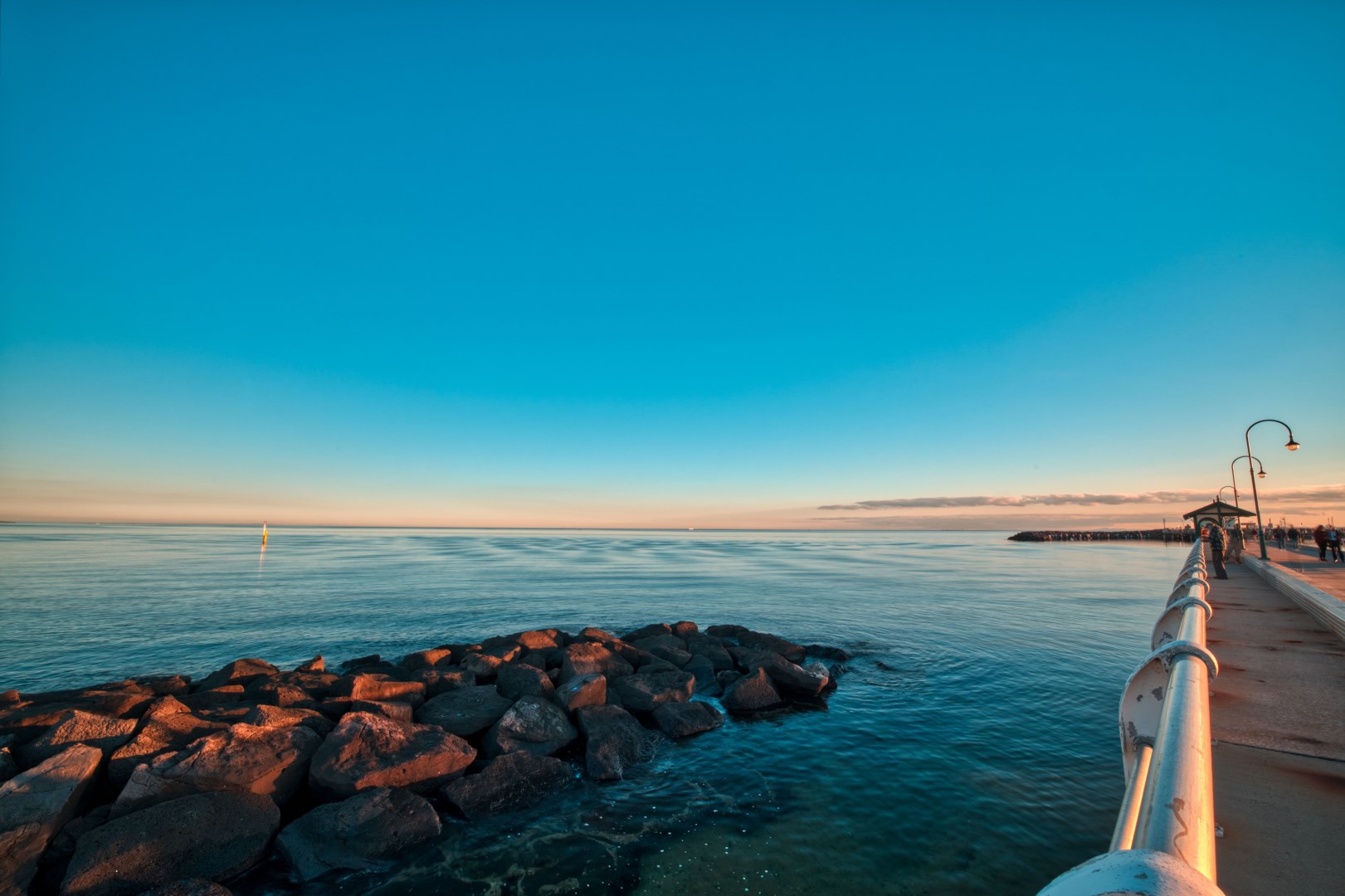
St. Kilda
Set along the shoreline of St Kilda, Victoria, Australia, this seaside suburb offers a relaxed coastal setting just minutes from central Melbourne, Victoria, Australia. Its wide promenade, lined with palm trees, draws both locals and visitors who come to walk, cycle, or simply watch the bay. The historic St Kilda Pier stretches into the water, offering open views of Port Phillip Bay and a steady breeze that carries the scent of salt and sea.