Doha presents a journey where heritage and modern design intersect gracefully. The Museum of Islamic Art, designed by I. M. Pei, rises from the Corniche and houses ceramics, textiles, manuscripts, and metalwork spanning fourteen centuries. Nearby, the National Museum of Qatar, shaped like a desert rose, narrates the country's story through immersive exhibits and architecture by Jean Nouvel. These institutions offer perspectives on both art and national identity.
Nestled between two nature parks and the Rhône River, picturesque Arles will absolutely delight any traveler to the south of France. Situated near Marseille in the Provence-Alpes-Côte d’Azur region, Arles boasts small town charm and its architectural treasures have been heavily influenced by the city’s role as an ancient Roman capital.
Gdańsk, a vibrant port city on Poland's Baltic coast, is a hidden gem that seamlessly blends rich history with modern charm. As the largest city in northern Poland, Gdańsk has a unique identity shaped by centuries of trade, political turmoil, and cultural exchange. The city's Old Town is a feast for the eyes, with its beautifully reconstructed buildings that harken back to its Hanseatic glory days.
Moshi sits on the southern slopes of Mount Kilimanjaro in northern Tanzania, shaped by both Chagga culture and its role as a crossroads for trade and travel.
Santa Fe, New Mexico, with its adobe-style architecture, vibrant arts scene, and unique blend of Native American, Spanish, and Anglo influences, is a destination like no other. Known as "The City Different," Santa Fe stands apart with its rich history and cultural diversity. A fun fact about Santa Fe is that it is the highest state capital in the United States, sitting at an elevation of 7,199 feet.
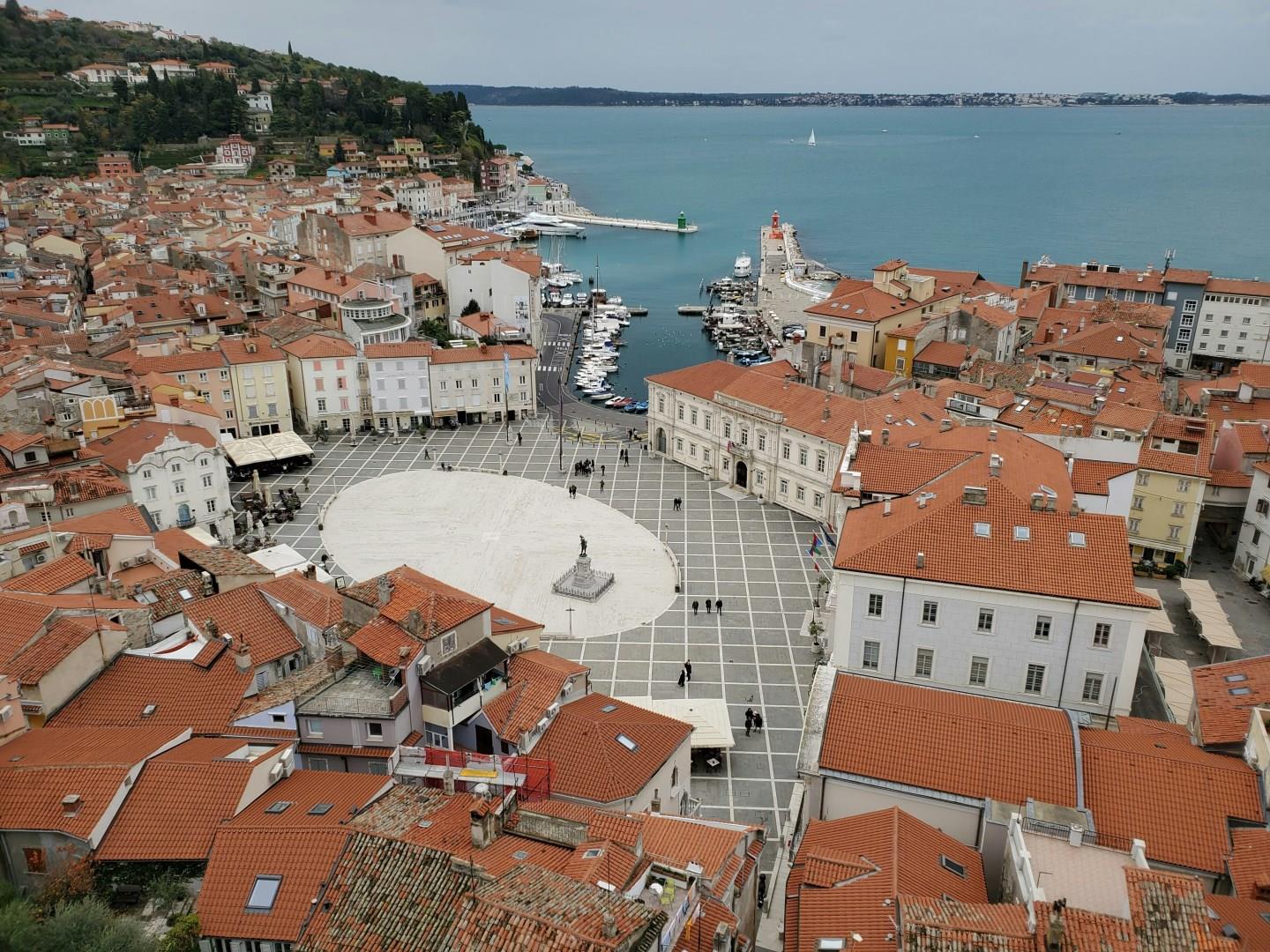
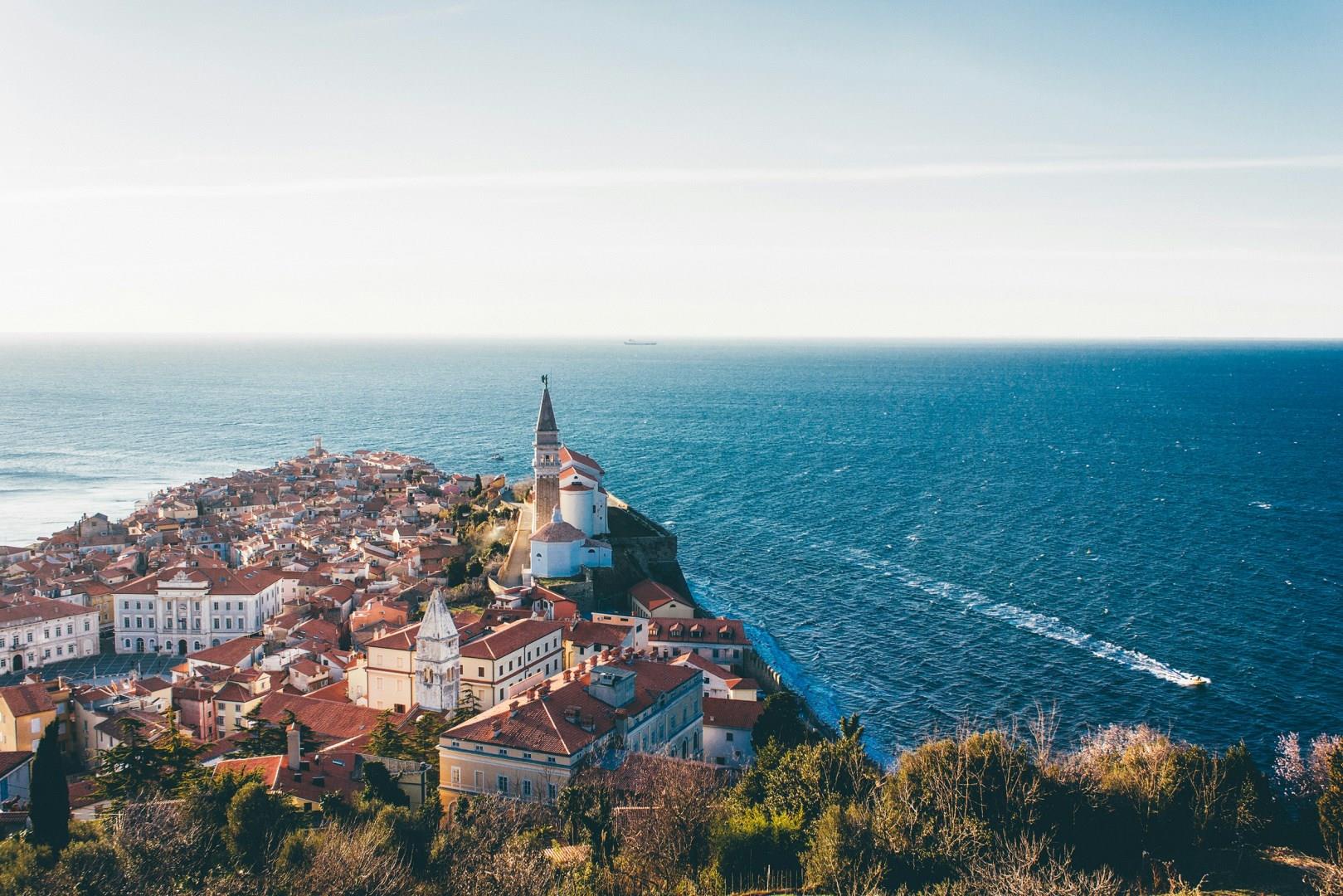
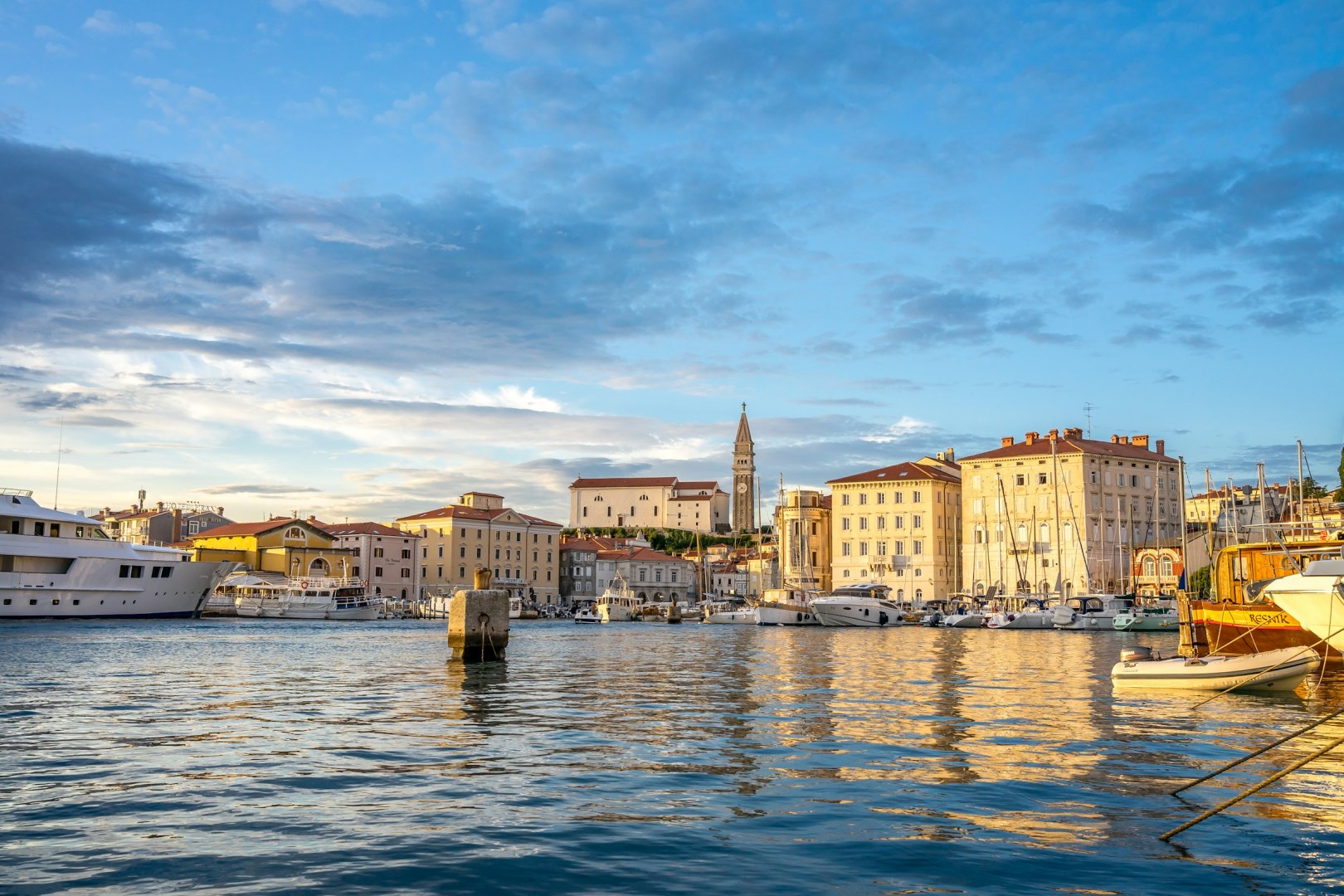
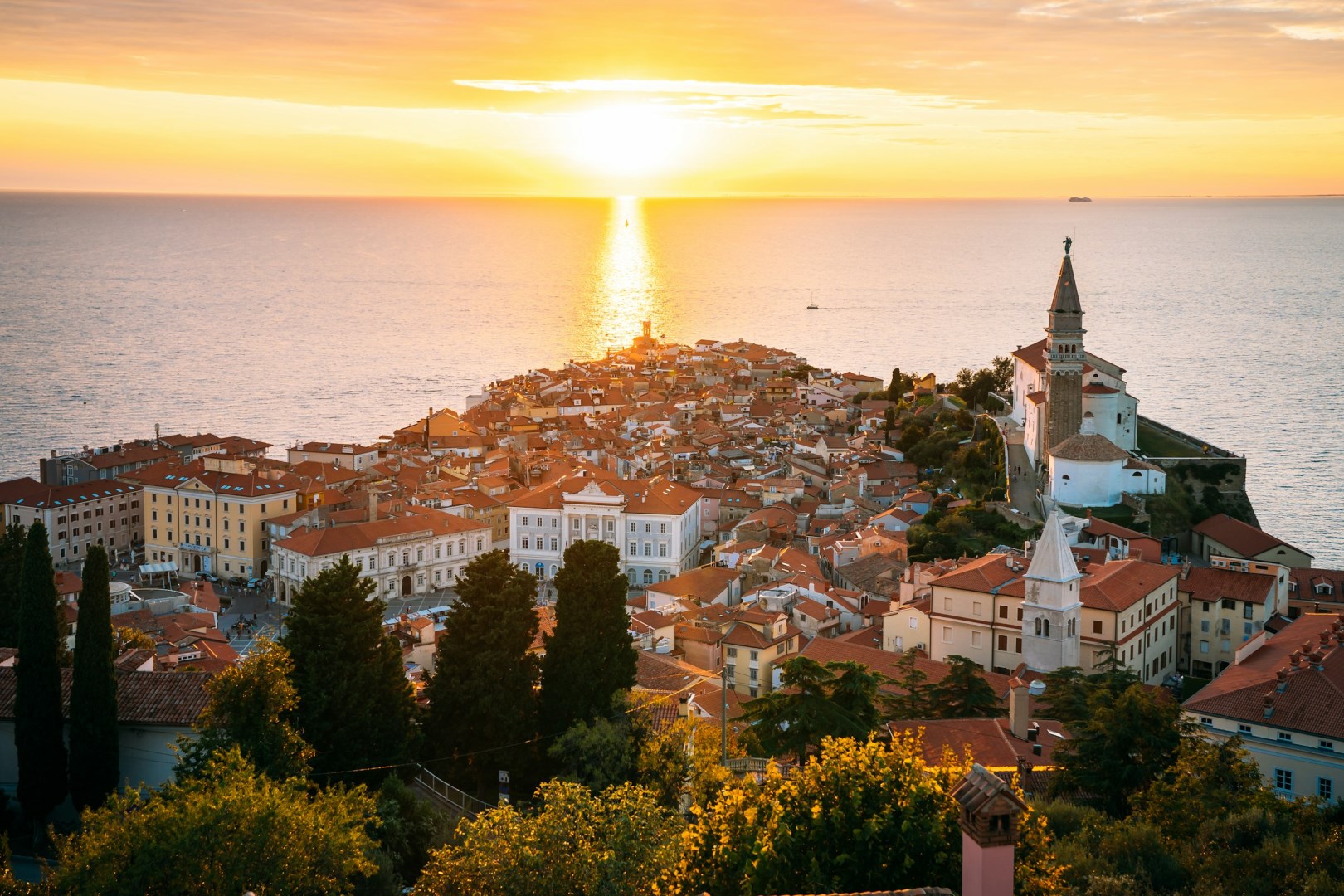
Piran, nestled along Slovenia's picturesque Adriatic coast, is a charming city that embodies a blend of medieval allure and seaside beauty. With its narrow, winding streets and well-preserved Venetian architecture, Piran offers a delightful glimpse into its rich history. The city's centerpiece is the stunning Tartini Square, named after the famous violinist Giuseppe Tartini, who was born here. The square is flanked by beautiful historical buildings, including the Tartini House and the Church of St. George, which boasts a bell tower offering panoramic views of the city and the sea.
A walk through Piran’s old town reveals its Venetian heritage, with charming piazzas, narrow alleys, and picturesque waterfronts. The Walls of Piran, which date back to the medieval period, offer a pleasant stroll and provide breathtaking views of the Adriatic Sea and the surrounding landscape. The city’s maritime past is also celebrated at the Maritime Museum, which showcases the history of seafaring in the region and the significant role Piran played in maritime trade.